


Health
Resident doctors in Wales vote to accept new contract


RESIDENT doctors across Wales have voted to accept a new contract, with 83% of those who took part in a referendum backing the agreement, according to BMA Cymru Wales.
The contract includes a four per cent additional investment in the resident doctor workforce and introduces a range of reforms aimed at improving training conditions, wellbeing and long-term workforce sustainability within NHS Wales. The BMA says the deal also supports progress towards pay restoration, which remains a central issue for doctors.
Key changes include new safeguards to limit the most fatiguing working patterns, measures intended to address medical unemployment and career progression concerns, and reforms to study budgets and study leave to improve access to training opportunities.
Negotiations between the BMA’s Welsh Resident Doctors Committee, NHS Wales Employers and the Welsh Government concluded earlier this year. Following a consultation period, a referendum of resident doctors and final-year medical students in Wales was held, resulting in a clear majority in favour of the proposals.
Welsh Resident Doctors Committee chair Dr Oba Babs Osibodu said the agreement marked a significant step forward for doctors working in Wales.

He said: “We’re proud to have negotiated this contract, which offers our colleagues and the future generation of doctors safer terms of service, fairer pay, and better prospects so that they can grow and develop their careers in Wales.
“This contract will help to retain the doctors already in training, and also attract more doctors to work in Wales, where they can offer their expertise and benefit patients.”
Dr Osibodu added that the BMA remains committed to achieving full pay restoration and acknowledged that challenges remain for some doctors.
“Whilst this contract sets the foundations for a brighter future for resident doctors in Wales, we recognise that there are still doctors who are struggling to develop their careers and secure permanent work,” he said. “We need to work with the Welsh Government and NHS employers to address training bottlenecks and underemployment.”

The Welsh Government has previously said it recognises the pressures facing resident doctors and the importance of improving recruitment and retention across NHS Wales, while also highlighting the need to balance pay agreements with wider NHS funding pressures and patient demand.
The new contract is expected to be phased in from August 2026. It will initially apply to doctors in foundation programmes, those in specialty training with unbanded rotas, and new starters, before being rolled out to all resident doctors across Wales.

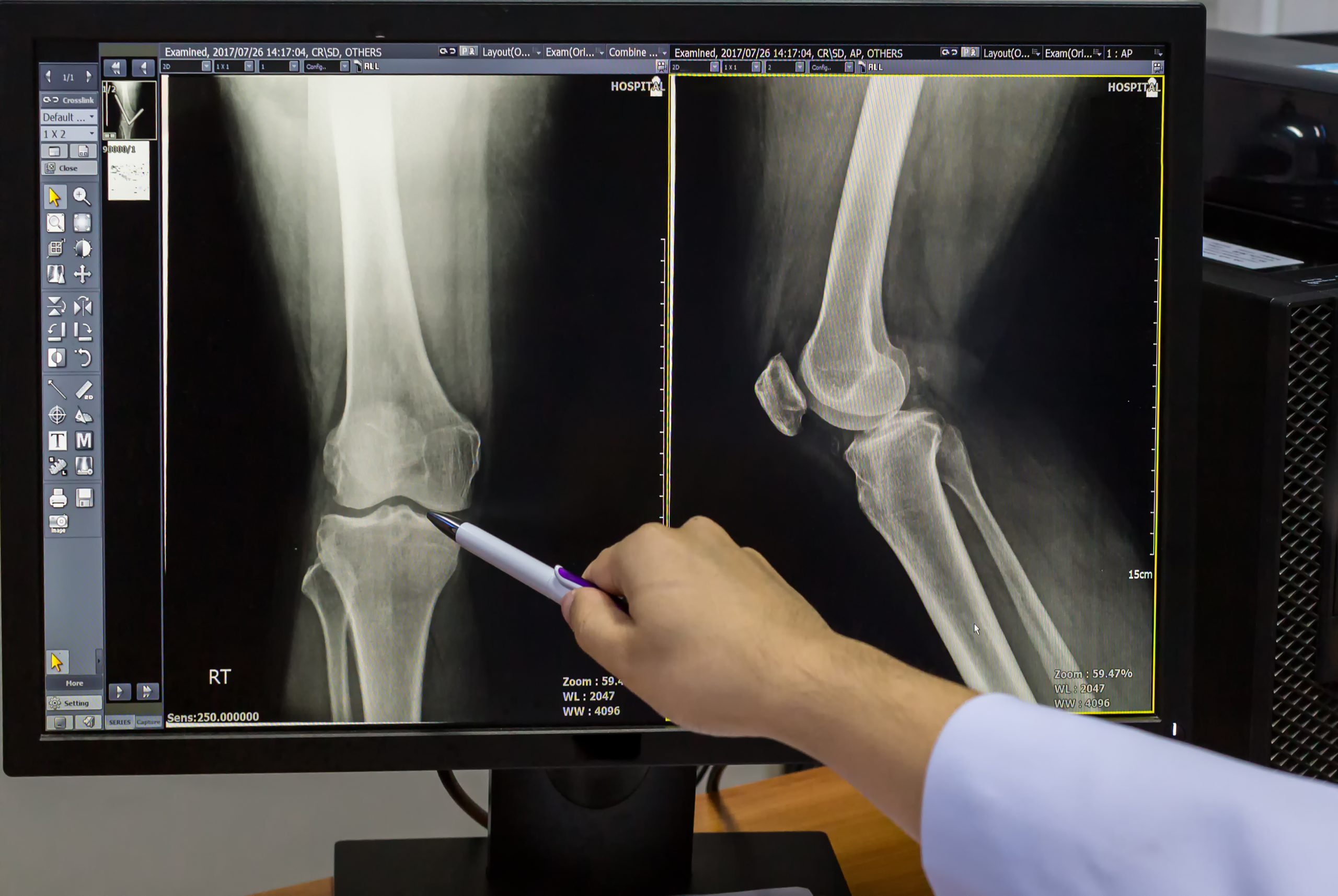
NHS WALES has spent more than £15.5 million on agency radiography staff over the past five years, as mounting pressure on diagnostic imaging services raises concerns about long-term workforce sustainability.
Figures obtained by the Welsh Liberal Democrats through Freedom of Information requests show that spending on temporary radiographers almost doubled between 2020/21 and 2023/24, despite relatively low headline vacancy rates across Welsh health boards.
Radiographers carry out X-rays, CT, MRI and ultrasound scans, which are essential to emergency care, cancer diagnosis, trauma treatment and elective surgery. Delays or shortages in imaging services can have a knock-on effect across patient pathways, slowing diagnosis and treatment.
The data also highlights an ageing workforce. More than a quarter of radiographers in Wales are aged over 50, with more than one in ten aged 55 or above. In some health boards, a significantly higher proportion of staff are approaching retirement age, raising concerns that experienced radiographers could leave faster than they can be replaced.
Betsi Cadwaladr University Health Board recorded the highest agency spend, at more than £8.1m over the period covered by the FOI requests. Other health boards also reported growing reliance on temporary staff to maintain services, particularly where specialist skills are required.
While official vacancy figures remain comparatively low, professional bodies have previously warned that vacancy data does not always reflect pressure on services, as posts can be held open or covered through overtime and agency staff rather than filled permanently.
Diagnostic imaging demand has increased steadily in recent years, driven by an ageing population, advances in medical imaging technology, and rising referrals linked to cancer and long-term conditions.
Commenting on the findings, Welsh Liberal Democrat Leader Jane Dodds MS said:
“Radiographers are absolutely vital to the NHS. From diagnosing cancer to treating people in A&E, the vast majority of patient journeys depend on timely access to scans.

“These figures show a system increasingly relying on expensive agency staff while failing to plan properly for the future workforce. That is not fair on patients, and it is not fair on staff who are already under huge pressure.
“The Welsh Labour Government must take urgent action to improve recruitment and retention, support experienced staff to stay in the workforce for longer, and ensure NHS Wales has a sustainable radiography workforce fit for the future.”
The Welsh Government has previously said it is working with health boards to improve recruitment and retention across NHS Wales, including expanding training places and supporting flexible working arrangements to help retain experienced staff. Ministers have also pointed to record numbers of staff working in the NHS overall, while acknowledging ongoing challenges in hard-to-recruit specialties.

However, opposition parties and professional bodies continue to warn that without long-term workforce planning, reliance on agency staff could increase further, adding to costs and pressure on already stretched diagnostic services.


CHILDREN are spending more time in digital worlds than the real one, the Senedd has heard, with excessive screen use shaping behaviour and health in ways society cannot ignore.
Labour’s John Griffiths expressed concerns about the impact of smartphones and online gaming on young people amid an “epidemic of screen use” in Wales.
Mr Griffiths titled the debate “Locked in, Bruh!” – “the state of playing a video game while oblivious to anything else” – on the suggestion of Tom, a teenager from Newport.
He raised research from the Centre for Social Justice, a thinktank, which estimates that up to 814,000 UK children aged three to five are already engaging with social media.
The Newport East Senedd Member told the chamber two-thirds of primary school pupils in Wales have their own smartphone by the age of 11.
Mr Griffiths said boys spend two hours more a day on online gaming while girls spend more time on social media and “reel scrolling” which has been linked to damaging self-esteem.
He told Senedd Members: “Boys are becoming more short-tempered and violent when exposed to violent video games and there is, rightly, much concern that children in more deprived families are particularly vulnerable.”
Mr Griffiths, who was first elected in 1999 and will stand down in 2026, said children aged five to 16 spend at least six hours a day looking at a screen. He added that for children, aged 11 to 14, that figure rises to nine hours a day.
He pointed to research showing more than 70% of young people in the UK do not undertake an hour of physical activity a day yet have at least six hours to spend looking at a screen.

He said: “Children are sat inside with a screen at the end of their nose and are not spending time outside enjoying their local communities or playing and interacting with friends.”
Mr Griffiths warned of increasing levels of obesity and rising numbers of young people reporting vision problems, with one in three children globally now short-sighted.
He told the Senedd: “As for the mental health and wider social impacts, anxiety and depression are increasingly linked to excessive screen use as is sleep disruption – with social media interfering with rest and emotional development.”

He raised a New Zealand study of more than 6,000 children that found a correlation between excessive screen time and below-average performance in literacy and numeracy. He warned children have increasingly shortened attention spans and an inability to concentrate.
Mr Griffiths shared the case of his constituent, Danielle, who said her son becomes more aggressive and snappier after a significant time gaming. Lucy, another constituent, explained how her children find the endless reels on social media addictive.
“Once they start scrolling, it’s hard to break that cycle,” the Senedd Member said. “And when she and her husband take the devices away, it often results in tantrums and tears.”
Mr Griffiths raised the example of countries such as Australia, France and Italy which have introduced strict age checks and bans on social media for under 16s.
He acknowledged such a policy would need to come from the UK Government because powers over internet services are not devolved. But he said Wales has the authority to introduce measures through education policy on, for example, smartphones in schools.
The Tories’ Sam Rowlands warned algorithms are having a “sickening” effect on teenagers who are eight times more likely to act on self-harm urges when exposed to such content. “TikTok users with eating disorders receive over 4,000% more toxic content,” he warned.
Responding to Wednesday’s (December 17) debate, Jane Hutt recognised how so-called doom scrolling can have a detrimental impact on young people.
Wales’ social justice secretary said: “We are living through profound change. Childhood today is shaped by technology in ways that were unimaginable a generation ago… For many young people, screens, smartphones and online gaming are part of everyday life.”


A NEW £3m research centre has been launched to tackle long-standing health inequalities faced by women in Wales.
The Women’s Health Research Centre – the first of its kind in Wales – aims to close the historic gender health gap by strengthening investment in women’s health research and improving representation in clinical trials.
The centre was launched to mark the first anniversary of the Women’s Health Plan for Wales, with First Minister Eluned Morgan and Minister for Mental Health and Wellbeing Sarah Murphy visiting staff, researchers and community partners involved in the project.
Led by Women’s Health Research Wales, the centre brings together researchers, NHS organisations, industry, policymakers and communities to develop more effective treatments and ensure health services meet women’s needs throughout their lives.
Its work will cover prevention, early-onset conditions, rare diseases and care for under-served communities.
Projects currently in development include research into symptom-reporting tools to improve the management of conditions such as diabetes, heart failure and chronic obstructive pulmonary disease – areas where the specific impact on women has historically been under-researched.
Researchers are also examining the potential health effects of chemicals used in menstrual products, how best to support young people to stay active during periods, and improved care pathways for people with polycystic ovary syndrome to reduce the risk of developing diabetes and heart disease later in life.
Other projects focus on fertility, including a decision-making tool for women with kidney disease who are considering having children.
One study is working directly with women undergoing fertility treatment to understand why the process can lead to mental health conditions such as post-traumatic stress disorder, with the aim of producing guidance to support trauma-informed fertility care.
First Minister Eluned Morgan said: “I am passionate about improving women’s healthcare. To do that, we must invest in research to gather the evidence we need.
“I am delighted to see how the Welsh Government’s £3m investment, through Health and Care Research Wales, is supporting research based on the experiences of women. This will result in better care and better health outcomes for women.
“This innovative new research centre is a key part of the Women’s Health Plan and will help us better understand women’s experiences. It will lead to more effective treatments and ensure our health service delivers improved outcomes for women in Wales.”

Sarah Murphy, Minister for Mental Health and Wellbeing, said the early progress had been encouraging.
“I’m thrilled the investment we’ve made in this research centre is already delivering projects in such important and under-researched areas of women’s health,” she said.
“The pioneering work I’ve heard about today – including the impact of infertility on women’s mental health – is exactly what we want the Women’s Health Plan to influence and deliver.
“All of this has been achieved in the first 12 months, and I look forward to seeing what can be delivered over the next year.”
Debbie Shaffer, founder and director of Fair Treatment for the Women of Wales and chair of the Women’s Health Wales Coalition, said partnership working would be key to success.
“Research into health issues experienced by women throughout the life course is vital,” she said.
“By working co-productively, in partnership with women and communities, we have a real opportunity to reduce health inequalities and improve treatment options and support.
“We look forward to helping create more opportunities for people with lived experience – whose voices may not have been heard before – to get involved.”
The Women’s Health Plan for Wales was published in December 2024 and sets out a 10-year approach to improving health outcomes for women, ensuring they are listened to and their health needs properly understood.



Former police officer accused of making sexual remarks to women while on duty
Court hears allegations of inappropriate behaviour during official police visits A FORMER police officer has appeared in court accused of...


Community gathers to remember Corrina Baker
Lanterns and balloons released in emotional acts of remembrance FAMILY, friends and members of the local community came together to...


Teenager charged following rape allegation at Saundersfoot nightclub
Incident reported at Sands Nightclub in early hours of Sunday DYFED-POWYS POLICE is investigating an allegation of rape following an...


Milford Haven man jailed after drunken attack on partner and police officers
A MILFORD HAVEN man who launched a violent drunken assault on his partner before attacking two police officers has been...


Court hears historic child sex abuse claim emerged after ‘tarot reading’
Judge reminds jurors there is no standard timeframe for victims to come forward as trial reaches final stage A JURY...


Rape allegation investigated at Saundersfoot nightclub
Police appeal for witnesses after incident reported in early hours of Sunday DYFED-POWYS POLICE are investigating an allegation of rape...


Milford ground worker denies historic child sex abuse charges at Crown Court
Accused tells jury claims did not happen as trial hears evidence about alcohol use and alleged controlling behaviour A MAN...


Three inmates deny murder of Lola James killer at Wakefield prison
THREE prisoners have denied murdering child killer Kyle Bevan, who was found dead in his cell at HMP Wakefield. Bevan,...


Dyfed-Powys Police reassure communities after Bondi Beach mass shooting
Officers monitor local tensions following terror attack on Jewish event in Sydney DYFED-POWYS POLICE have issued reassurances to communities across...


Search under way in Pembroke Dock for missing man Lee
Coastguard, RNLI and rescue helicopter launched as fears grow he entered the water A MAJOR search and rescue operation is...
-
Crime1 day ago
Milford Haven man jailed after drunken attack on partner and police officers
-

 News4 days ago
Dyfed-Powys Police launch major investigation after triple fatal crash
-
Crime1 day ago
Teenager charged following rape allegation at Saundersfoot nightclub
-

 Crime2 days ago
Man charged with months of coercive control and assaults
-
Crime3 days ago
Man sent to Crown Court over historic indecent assault allegations
-
Crime5 days ago
Man spared jail after baseball bat incident in Milford Haven
-

 Crime3 days ago
Milford Haven man admits multiple offences after A477 incident
-

 Crime2 days ago
Woman ‘terrified in own home’ after ex breaches court order