


News
Welsh Government outlines progress on fisheries strategy after first year


Ministers say new management plans, enforcement action and funding are strengthening the future of Welsh fishing communities
THE WELSH GOVERNMENT has published an update on its long-term strategy for fisheries and aquaculture in Wales, claiming “significant progress” one year after the policy was formally introduced.
In a written statement issued on Thursday (Jan 29), Huw Irranca-Davies, Deputy First Minister and Cabinet Secretary for Climate Change and Rural Affairs, said the approach was designed to create a more sustainable, well-regulated and economically resilient fishing sector.
The strategy, first set out in December 2024 following consultation with the Ministerial Advisory Group for Welsh Fisheries, focuses on three core areas: delivering Fisheries Management Plans (FMPs), meeting Wales’ statutory duties around fisheries enforcement and monitoring, and fulfilling national and international obligations following the UK’s exit from the EU.’
Management plans and consultations
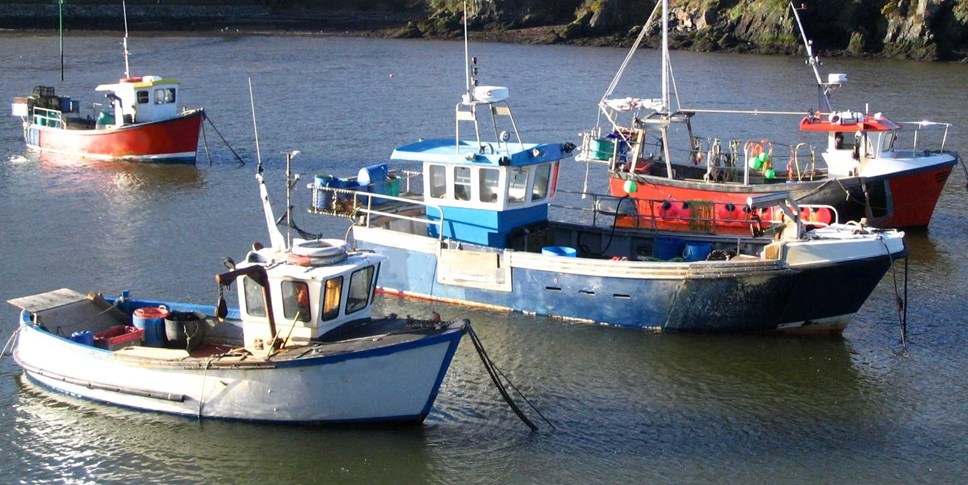
Ministers say progress has been made on the development of FMPs, which are intended to manage fish stocks on a long-term, evidence-based footing. Wales is expected to launch its first Wales-only FMP later this year, covering crab and lobster fisheries, while also contributing to five joint UK plans.
A separate public consultation on changes to scallop fishing management, linked to the King Scallop FMP published in 2023, is currently under way and due to close on Friday (Jan 31).

The Welsh Government says it has also introduced an adaptive cockle management system, adjusted rules for the whelk fishery, and launched a recreational bluefin tuna fishery, all based on updated scientific advice.
Enforcement and prosecutions
On enforcement, ministers highlighted eight successful prosecutions relating to misreporting of Dover sole, resulting in fines and costs totalling £950,000, alongside 20 fixed penalty notices for other fisheries offences.
Officials say they have continued to work with other UK enforcement agencies to monitor both domestic and international vessels operating in Welsh waters, arguing that tougher enforcement is essential to protect stocks and ensure a level playing field for compliant fishers.
Funding and support for coastal communities
The statement also points to continued public investment in the sector. During 2025, more than £1.14 million was awarded through Round 5 of the Welsh Marine and Fisheries Scheme, with a further £430,000 distributed via the Coastal Capacity Building Fund.

An additional £1.29 million has been added to the fisheries budget for 2026/27, with Round 6 of the Welsh Marine and Fisheries Scheme opening earlier this month and carrying an increased budget.
Other measures cited include grants to support the installation of inshore vessel monitoring systems, new multi-year marine science contracts, and research into the economic and carbon impacts of the Welsh fishing fleet.
Wellbeing and resilience
The government says it is also focusing on workforce resilience, with supply-chain initiatives, wellbeing projects and seven upcoming Seafit Wales “Stronger at Sea” events planned across February and March. These events will offer free health and dental checks to fishers and their immediate families.

Ongoing debate
While ministers say the strategy has delivered a “stronger foundation” for the future, fishing organisations have previously warned that tighter controls, rising fuel costs and regulatory complexity continue to place pressure on small-scale operators.
The Welsh Government maintains that collaboration with fishers and coastal communities will remain central as further management plans and funding programmes are rolled out.
Ministers say the next phase will focus on building on the framework already in place, while balancing environmental sustainability with the economic realities facing Wales’ fishing ports and coastal towns.

LOW-INCOME households across Wales are set to benefit from £3.8 million in support as part of a UK Government package aimed at helping families struggling with rising heating oil prices.
The funding forms part of a £50 million UK-wide support scheme announced by Chancellor Rachel Reeves, targeting rural households that rely on heating oil to warm their homes.
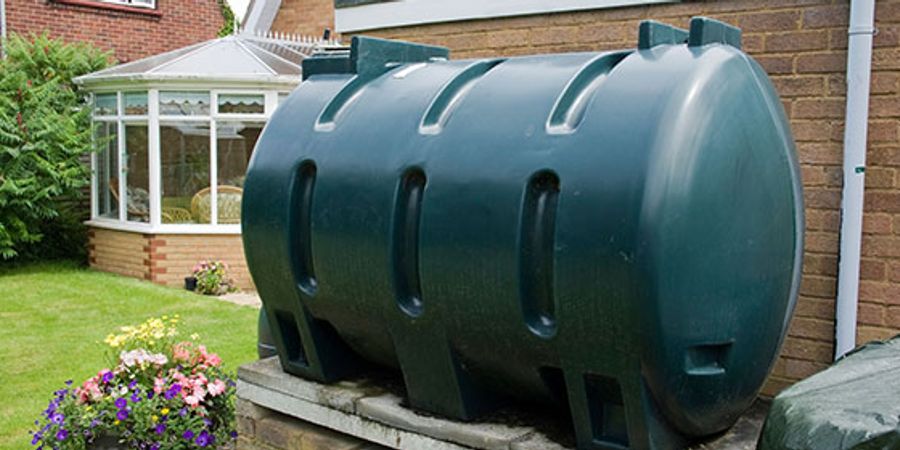
Heating oil prices have surged in recent months, with the cost of kerosene — the fuel used in most domestic oil tanks — rising sharply due to instability in the Middle East. Government figures indicate the price of kerosene has been particularly volatile and has increased faster than many other fuels.
Unlike gas and electricity customers, households using heating oil are not protected by Ofgem’s energy price cap, leaving them more exposed to sudden price increases.
Many families must also pay large upfront sums to refill their oil tanks, creating additional financial pressure during periods of rising costs.

The UK Government said the new funding is designed to support low-income households in rural areas, where alternatives such as mains gas are often unavailable.
Funding allocations were calculated using census data to identify areas with the greatest reliance on heating oil. In Wales, the £3.8 million allocation will be distributed by the Welsh Government, with the expectation that it will be used to support vulnerable households.
Chancellor Rachel Reeves said: “I know that for families in rural communities the sharp rise in heating oil prices is a real and urgent problem.
“That’s why we’re providing more than £50 million of targeted support to help the people who need it most.”
Secretary of State for Wales Jo Stevens added: “Wales has a high number of households who rely on heating oil and are feeling the pressure of rising bills.
“I know how worrying that is for families, which is why we are working with the Welsh Government to provide an extra £3.8 million to support the people who need it most.”
Energy Secretary Ed Miliband said the government was determined to tackle cost-of-living pressures.

He said:
“This government is committed to fighting people’s corner in tackling cost-of-living pressures. With this investment, alongside new measures to protect customers against unfair practices, we are standing up for the British people.”
Alongside the financial support package, ministers have announced plans to strengthen consumer protections in the heating oil market, which is currently not regulated by Ofgem.
Proposed measures include improvements to price transparency, dispute resolution, and support for vulnerable customers, as well as the creation of a Priority Customers Register to ensure those most in need receive help during supply disruptions.
The government is also considering introducing a dedicated regulator or ombudsman for the heating oil sector and has asked the Competition and Markets Authority (CMA) to closely monitor pricing in the market.
The CMA is already examining reports of cancelled orders followed by higher quotes and price increases for automatic deliveries. It has announced plans to conduct a detailed investigation into the UK heating oil market.
Households facing immediate financial difficulties due to rising heating oil prices are being advised to contact their local authority to find out what support may be available.

Committee to examine barriers as figures show nearly one in three Welsh children living in poverty
A NEW parliamentary inquiry will examine the scale and causes of child poverty in Wales, with MPs seeking evidence on how governments in Cardiff and Westminster can better work together to tackle the problem.
The House of Commons Welsh Affairs Committee announced the inquiry on Monday (Mar 16), following the publication of the UK Government’s Child Poverty Strategy in December 2025.
MPs say the investigation will explore whether the strategy can deliver meaningful change in Wales, where poverty levels remain among the highest in the UK.
According to the Department for Work and Pensions, around 31% of children in Wales live in relative income poverty after housing costs.
The figure is significantly higher for certain groups, including larger families, lone-parent households, and families where at least one adult or child has a disability.
The inquiry will focus on the barriers that could prevent Wales from achieving the ambitions set out in the UK Government’s strategy, and how both the UK and Welsh governments can coordinate their efforts more effectively.
While many policies affecting child poverty—such as education, housing and healthcare—are devolved to the Welsh Government, the social security system, including Universal Credit, remains largely under the control of Westminster.
Committee members will also examine whether better data collection and sharing could improve understanding of poverty levels and help design more effective policy responses.
Ruth Jones MP, Chair of the Welsh Affairs Committee, said the inquiry would explore whether current plans were sufficient to tackle the issue.
She said: “The announcement of the UK Government’s Child Poverty Strategy was a positive step towards tackling the root causes of child poverty.
“But given the unique history and circumstances of poverty in Wales, the key question is whether the strategy will be able to deliver.
“Poverty in childhood impacts the health and wellbeing of a child throughout their life. With 31% of children in Wales living in relative income poverty, it is vital that the UK Government gets this right.

“That is why our inquiry will investigate not only how effectively the UK and Welsh governments work together, but also what the major barriers are to ending child poverty in Wales.”
The committee is inviting written evidence from organisations, experts and members of the public.
Among the issues MPs want to explore are:
- the main barriers preventing progress in reducing child poverty in Wales
- how effectively the UK and Welsh governments collaborate on the issue
- whether devolved and reserved agencies coordinate their work effectively
- whether children’s voices in Wales are sufficiently heard by policymakers
- how data collection could be improved to better understand poverty levels
Submissions to the inquiry must be received by 5:00pm on Monday, May 4, 2026.
The Welsh Affairs Committee is a cross-party House of Commons select committee responsible for scrutinising the work of the Wales Office and examining UK Government policies that affect Wales.

Government intervention keeps UK’s last primary steelmaking furnaces running
THE UK GOVERNMENT spent £377 million to prevent the closure of the country’s last remaining blast furnaces at British Steel’s Scunthorpe plant, according to a new report.
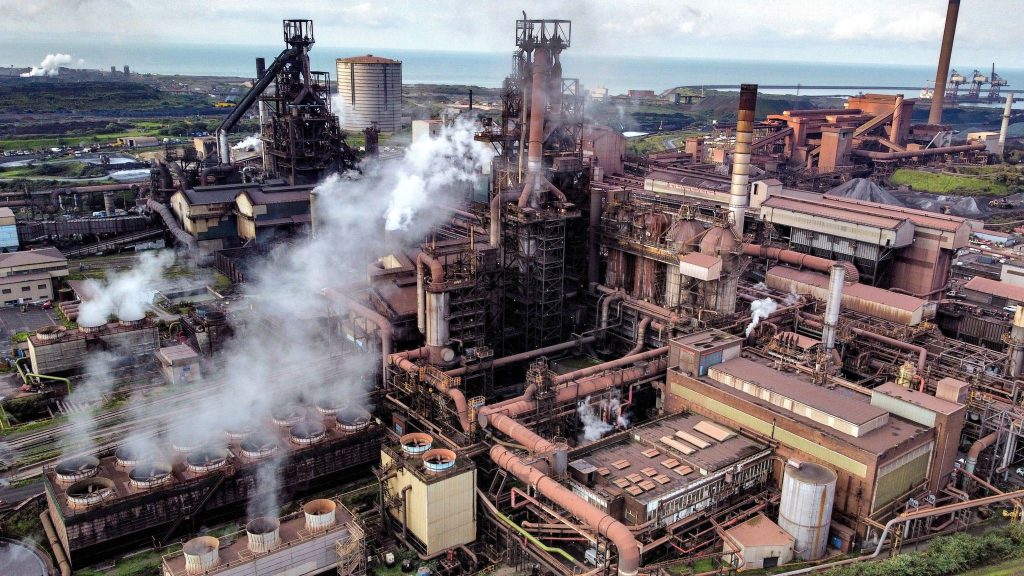
The emergency intervention came less than a year after the shutdown of the final coal-fired blast furnace at Port Talbot, which ended more than a century of primary steelmaking at the UK’s largest steelworks.
A report by the National Audit Office (NAO) said the Department for Business and Trade (DBT) stepped in quickly in 2025 to keep the Scunthorpe furnaces operating, warning that their closure would have led to thousands of job losses and major disruption to critical UK supply chains.
The £377 million spent between April 2025 and January 2026 has been classified as a loan, but the NAO warned that total costs could exceed £1.5 billion by 2028 if current spending levels continue.
Operating the furnaces is currently costing around £1.3 million a day, the report said, with no fixed budget, repayment schedule or clear end date for the government support.
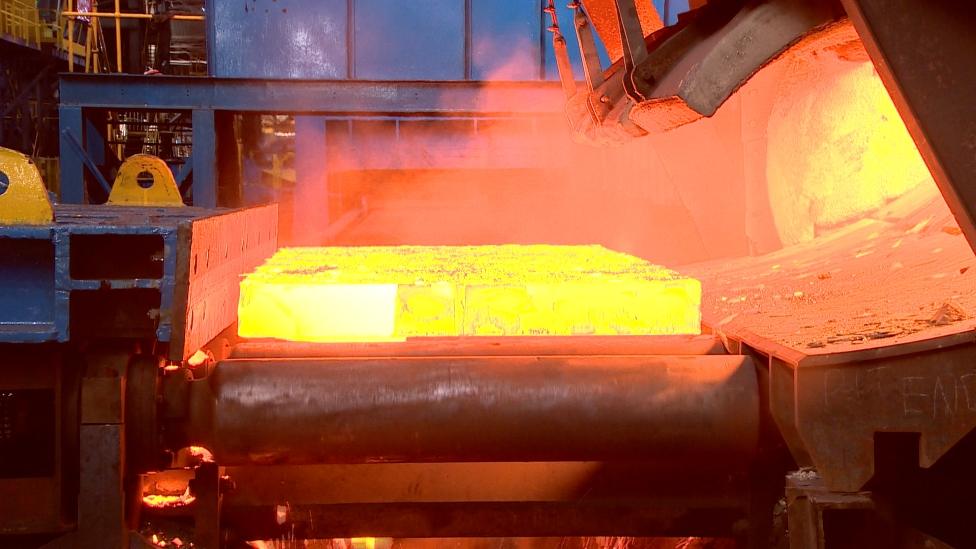
British Steel’s owner Jingye had been in talks with the Government between 2022 and 2025 about switching the plant to electric arc furnaces, but no agreement was reached.
In March 2025 the company said it was losing around £700,000 a day due to difficult market conditions, tariffs and environmental costs and warned that it was considering closing the blast furnaces.
The Government feared the closure would leave the UK without the ability to produce virgin steel from raw materials — a capability considered strategically important for defence, infrastructure and rail manufacturing.
Electric arc furnaces, which melt scrap steel using electricity rather than iron ore and coal, are seen as the future of the industry because they produce far fewer carbon emissions. However, they cannot fully replace blast furnaces for certain specialist steel products.

The closure of Port Talbot’s blast furnaces last year marked the end of traditional steelmaking in Wales and triggered widespread concern about the long-term future of the UK steel industry.
At its peak, the Port Talbot plant employed thousands of workers and was capable of producing around five million tonnes of steel a year.
Trade unions and industry groups warned that without intervention at Scunthorpe, Britain risked becoming the only G7 nation unable to produce primary steel.
The NAO said the Government’s decision to intervene reflected the “strategic importance” of maintaining domestic steelmaking capacity, but warned that long-term plans for the sector remain uncertain.
Industry figures and unions reacted quickly to the report, warning that the future of UK steel remains uncertain.
Gareth Davies, head of the National Audit Office, said the Government had acted quickly to prevent serious economic damage.
He said the intervention avoided heavy job losses and disruption to major UK infrastructure and construction projects but warned that the high cost of keeping the furnaces running created “significant uncertainty” about how long support could continue.
Trade unions also backed the decision to intervene.
Alasdair McDiarmid of the steelworkers’ union Community said allowing the plant to close would have had devastating consequences.
He said the Government had taken the right decision to act, warning that local economies would have been “decimated” and that Britain would have lost its ability to produce steel from raw materials.
The intervention has also reignited political debate in Wales, where critics have questioned why similar emergency action was not taken sooner to save the blast furnaces at Port Talbot.
The shutdown of the Welsh plant resulted in around 2,800 direct job losses, with thousands more roles across the wider supply chain affected.
Opposition politicians and industry figures have argued that the contrast between the Government’s approach to Scunthorpe and the earlier closure in South Wales highlights the lack of a clear long-term strategy for the UK steel industry.
Ministers say a wider steel strategy is now being developed to balance the transition to greener electric arc furnace technology with the need to maintain domestic steelmaking capacity.



News41 minutes ago
£377m spent saving blast furnaces months after Port Talbot closure
Government intervention keeps UK’s last primary steelmaking furnaces running THE UK GOVERNMENT spent £377 million to prevent the closure of...


Sport21 hours ago
France crowned Six Nations champions after extraordinary final-day drama
Ramos penalty in Paris seals title as Ireland fall just short and Wales end losing run FRANCE were crowned 2026...


News1 day ago
Fishguard linked to allegations in Many Tears Animal Rescue investigation
Claims about puppies arriving through Pembrokeshire port emerge as licensing probe continues FISHGUARD has been named in allegations linked to...

Local Government2 days ago
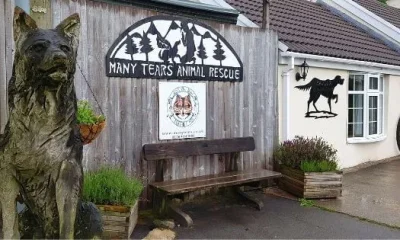
Investigation confirmed after inspectors visit Many Tears Animal Rescue
Licensing authority declines to comment as police confirm attendance at Carmarthenshire rescue centre AN INVESTIGATION is underway following a visit...


Business3 days ago
Work set to begin on £50m hydrogen plant in Milford Haven
A MAJOR new hydrogen production facility worth around £50 million is expected to begin construction in Milford Haven later this...


Education4 days ago
Manorbier school closure approved while insurance claim still unresolved
Council confirms negotiations with insurer ongoing following 2022 fire PEMBROKESHIRE COUNTY COUNCIL has confirmed that negotiations with its insurer over...


Crime5 days ago
‘Knife attack’ at Spittal property leaves man in hospital
POLICE have arrested a woman following what is being described as a ‘knife attack’ at a property in Spittal on...


Community5 days ago
Pembrokeshire to receive its first banking hub in Pembroke Dock
LINK, the UK’s Cash Access and ATM network, has today announced local people and businesses in Pembroke Dock will benefit from a new banking...


Health6 days ago
Future of Withybush Hospital petition sparks urgent call for Senedd debate
CALLS have been made for an urgent debate in the Senedd over the future of services at Withybush Hospital as...


Sport7 days ago
Sean Bowen set for historic Welsh clash at Cheltenham Gold Cup
PEMBROKESHIRE jockey Sean Bowen could be part of a historic all-Welsh showdown when he lines up in the Cheltenham Gold...
-

 Health3 days ago
Welsh Ambulance Service to host bi-monthly Board meeting
-

 News2 days ago
Rayner and Lammy visit Wales to discuss justice and community safety
-

 Local Government5 days ago
Register now to vote in May’s Senedd election
-

 Crime7 days ago
Former Pembrokeshire Army officer stripped of MBE after fraud conviction
-

 Community7 days ago
Tenby still waiting as Wales hits 50 rural mobile mast upgrades
-

 Community7 days ago
Carmarthenshire woman celebrates 100th birthday surrounded by family
-
Sport7 days ago
Sean Bowen set for historic Welsh clash at Cheltenham Gold Cup
-

 News7 days ago
Hustings to focus on learning disability support ahead of Senedd election