


Finance
DWP to carry out targeted bank checks on benefit claimants

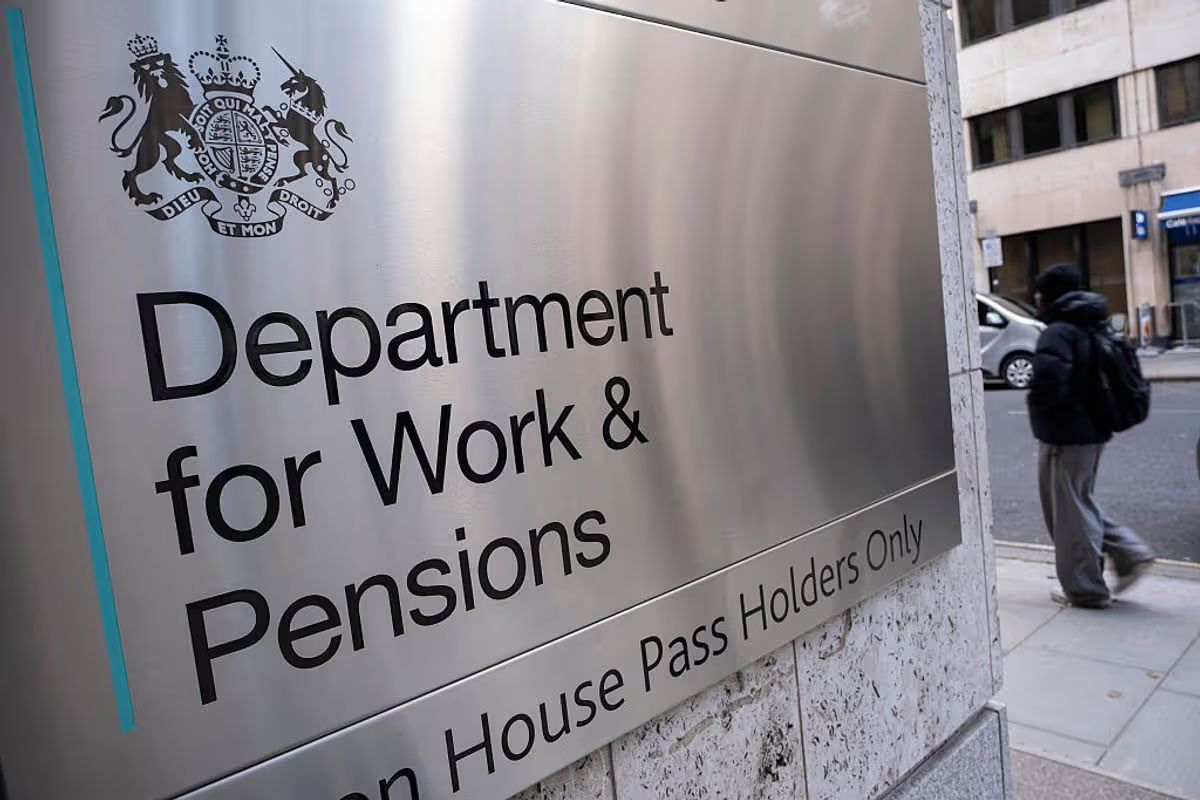
New anti-fraud powers will allow officials to ask banks to flag savings rule breaches
MILLIONS of people claiming benefits could soon have their bank accounts checked under new government powers aimed at cutting fraud and payment errors.
The changes will allow the Department for Work and Pensions to ask banks and building societies to flag accounts that appear to break savings or eligibility rules for certain benefits.
Officials insist the move is about accuracy rather than surveillance, but privacy campaigners have warned it represents a significant expansion of the state’s financial oversight.
The system is expected to roll out in stages this year.
Who is affected
The checks will initially apply to people receiving:

- Universal Credit
- Pension Credit
- Employment and Support Allowance (ESA)
The State Pension is not included.
Under current rules, most Universal Credit claimants cannot have more than £16,000 in savings. If a bank’s data suggests that limit has been exceeded, the case may be referred back to the DWP for review.
How it will work
Rather than giving the government direct access to bank accounts, financial institutions will be sent formal “eligibility verification” requests.
Banks will check their own records and only report back where accounts appear to breach the rules.

They will not share spending histories or transaction lists.
Only limited details — such as account numbers, names and confirmation that a threshold may have been crossed — can be passed on.
No automatic benefit cuts
The DWP says payments will not be stopped automatically.

Any flagged case will be assessed by a member of staff before action is taken.
However, if someone is found to be ineligible for one benefit, related support could also be reassessed.
The government argues the approach could prevent people unknowingly building up large overpayments which later have to be repaid.
The National Audit Office has previously urged better data sharing to reduce mistakes and fraud in the welfare system.
Safeguards promised
Ministers say the powers will be tightly controlled, with:
- annual reports to Parliament
- a formal code of practice
- strict data limits under UK GDPR
- penalties for banks that share too much information
A DWP spokesperson said the aim was to ensure people are “paid the right amount at the right time”.
What claimants should do
Anyone receiving benefits is advised to keep their details up to date and report changes to savings, income or living arrangements promptly.
Failing to declare changes could result in investigations, repayment demands or penalties.
For most claimants, the department says, nothing will change — but those close to savings limits may want to double-check their position.

HOMEOWNERS and buyers have been dealt another setback after Barclays became the latest high street lender to increase mortgage rates, pushing up fixed deals by as much as 0.15%.
The move follows similar rises from HSBC and Nationwide Building Society, signalling a broader shift across the market after months of gradually falling prices.
Barclays confirmed that residential purchase and remortgage products will both increase.
Among the changes, its five-year fixed remortgage deal at 60% loan-to-value (LTV) rises from 4.00% to 4.15%. The product requires a minimum £50,000 loan and allows borrowing up to £2 million.
Purchase-only deals are also affected. A five-year fixed rate at 60% LTV with an £899 fee climbs from 3.79% to 3.90%, while a two-year fixed deal increases from 3.77% to 3.85%.

Industry experts say the rises reflect growing funding costs and cooling expectations of imminent interest rate cuts.
Jonathan Alvarez Herrera, mortgage consultant at Ayla Mortgages said: “Barclays’ decision to increase mortgage rates is a clear sign that the recent downward momentum in pricing has stalled. Borrowers had been seeing improvements in recent months, but this repricing shows lenders are reacting to higher costs and changing market expectations.
“Barclays is not acting alone. HSBC and Nationwide have already moved, which suggests this is a market-wide correction rather than an isolated decision.
“With swap rates edging higher, lenders are rebuilding margins. Markets also expect the Bank of England to remain cautious, meaning rate cuts could be slower than previously hoped.”

Mortgage brokers pointed to rising SONIA swap rates and inflation ticking up to 3.4% in December, from 3.2% the month before, as key drivers behind the increases.
The changes may frustrate buyers hoping that 2026 would bring cheaper borrowing costs, particularly first-time purchasers and households coming off fixed deals agreed during the low-rate period.
With several major lenders now moving in the same direction, brokers warn others could follow if funding costs remain elevated.

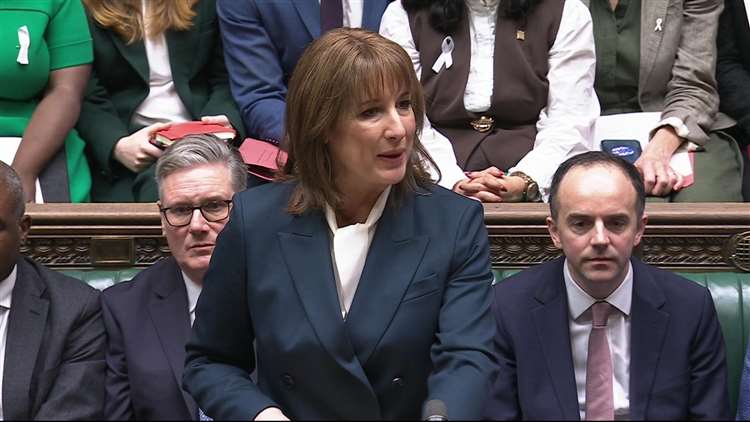
A landmark Autumn Budget brings major anti-poverty reforms and record investment—while critics warn of a £26bn tax burden and ‘chaos at both ends of the M4’
THE AUTUMN BUDGET has landed with a mixture of praise, alarm and fierce political argument after the Chancellor, Rachel Reeves, announced sweeping changes affecting every part of Welsh life — from family budgets and pensions to jobs, taxation, and the future of key industries.
The day was overshadowed by the extraordinary leak of the entire Office for Budget Responsibility (OBR) forecast, which appeared online hours before the Chancellor stood up in the Commons. Senior ministers later confirmed that the “riot act” had been read to those suspected of briefing the press, as the scale of internal tension inside the UK Government became clear.
But once delivered, the Budget set out one of the largest policy shifts in years: the scrapping of the two-child benefit cap, major increases to the minimum wage, billions for Welsh industries, and a freeze in fuel duty — all set against the backdrop of the UK tax burden reaching its highest level since the Second World War.
This is The Herald’s full Welsh-focused analysis of what the Budget means — and why reactions have been so sharply divided.
Child Poverty: Two-Child Benefit Cap Scrapped for 69,000 Welsh Children

One of the Chancellor’s most consequential decisions was the abolition of the controversial two-child benefit limit, a policy long criticised by anti-poverty groups and Welsh ministers.
According to Treasury modelling, around 69,000 children in Wales will now benefit, including more than 19,000 families whose third or subsequent children were previously ineligible for additional support.
Welsh First Minister Eluned Morgan described the reform as “a major step in tackling the scourge of child poverty”.
Universal Credit will also be uprated by 6%, bringing further relief to low-income households across Wales.
Minimum Wage Increases: 150,000 Welsh Workers to Benefit

The Chancellor confirmed that both the National Living Wage and National Minimum Wage would rise from April. Around 150,000 workers in Wales will receive a pay increase.
The Welsh Government hailed the rise as a boost to struggling families, but the National Franchised Dealers Association (NFDA) warned that such increases compound pressures on employers already facing falling margins.
NFDA Chief Executive Sue Robinson said that while freezing fuel duty was welcome, the Budget offered “limited support” for the automotive and EV sector.
“Registrations have fluctuated in a challenging climate,” she said, warning that missing EV incentives and the new 3p-per-mile EV road tax could “slow the industry’s progress”.

£1bn Additional Spending Power for the Welsh Government
After years of dispute over funding, the Budget awarded Wales:
- £505m in Barnett consequentials, and
- £425m in new fiscal flexibilities,
- bringing close to £1bn in additional spending power.
Eluned Morgan welcomed what she called “significant support for hard-pressed public services”, citing similar flexibilities last year that funded thousands of additional NHS treatments.
She also pointed to major UK-wide investment landing directly in Wales:
- AI Growth Zones in Cardiff, Newport and Bangor
- £10m for South Wales’s semiconductor industry
- £25m for Anglesey Freeport
- £4.2m for Port Talbot steel transition land remediation
- 3,000 new jobs tied to new nuclear at Wylfa
British Coal Pension Victory: 4,000 Ex-Miners in Wales to Benefit

The Chancellor also confirmed that the Investment Reserve Fund of the British Coal Staff Superannuation Scheme (BCSSS) will be transferred to scheme members.
Welsh Liberal Democrat spokesperson David Chadwick, who led repeated calls to resolve the issue, said:
“This is welcome news for the roughly 4,000 former miners in Wales who were denied full access to their pension pots.
It is only right they finally receive the support they have been owed for far too long.”
Fuel Duty Freeze: FairFuelUK Claims ‘Major Win’

Campaign group FairFuelUK welcomed the Chancellor’s decision to freeze fuel duty.
Founder Howard Cox said lobbying efforts “paid off”, crediting MP Lewis Cocking for championing the cause in Parliament.
But Mr Cox warned that the new 3p-per-mile EV tax could be “the thin end of the wedge” towards a wider road-pricing system.
“It’s time Government listens to and consults drivers on a long-term road user tax plan that is fair to the UK’s 37 million drivers,” he said.
Unions: ‘The Final Nail in the Coffin for Austerity’
GMB union general secretary Gary Smith said the Budget marked a decisive end to the austerity era.
“Today’s Budget looks like the final nail in the coffin for the Conservatives’ failed austerity project.
The challenge now for Labour is to rebuild the economy and bring hope to people.”
Reform UK: ‘A Disaster at Both Ends of the M4’

Reform UK Wales issued a blistering response, accusing Labour governments in Cardiff and London of damaging Welsh business.
A spokesperson said: “This Budget will take taxes to post-war highs, putting enormous pressure on employers and employees up and down Wales.”
The party claimed next May’s Senedd elections will be “a two-horse race between Plaid Cymru and Reform”, presenting themselves as the alternative to “huge tax rises”.
Welsh Conservatives: ‘£26bn Tax Bombshell’
The Welsh Conservatives condemned the Budget as “chaotic”, saying the leak of the OBR forecast showed dysfunction at the heart of government.
In a highly critical statement, the party said the Budget contained £26bn of tax rises, including:
- Frozen income tax thresholds until 2030–31
- A 2% rise in taxes on dividends, savings and property income
- Gambling taxes worth £1.1bn
- New charges on salary-sacrifice pensions
- A council tax surcharge on homes over £2m
- A new “sugar tax” on lattes and milkshakes
- An EV mileage tax from 2028
Shadow Finance Secretary Sam Rowlands MS said: “Labour’s claim they wouldn’t raise taxes on working people has been exposed. Under Labour, we just keep paying more.”
He accused Welsh ministers of failing to secure a better settlement for Wales.
Lib Dems: Budget ‘fails to deliver’
Responding to the budget, Welsh Liberal Democrat Westminster Spokesperson David Chadwick MP said: “This is yet another budget that fails to deliver the structural changes needed to deliver for the people of Wales.
“My constituents will be bitterly disappointed in the lack of help for the cost-of-living crisis and the failure of the Government to listen to Liberal Democrat calls to make energy bills cheaper and cut VAT for hospitality businesses.
“Rural communities have been left abandoned again, with Labour’s refusal to compromise on the family farms tax set to cause devastation to the entire wider supply chain.
“The Government has deliberately turned its back on the single most effective step it could take to kick-start growth and fill the £90 billion Brexit-shaped hole in the public finances. No wonder our public finances are in such a rough state.”
On the lifting of the two-child benefit cap, Chadwick said: “This is a commendable move that will go a long way to addressing Wales’ sky-high child poverty levels, which are amongst the highest in Europe and something the Liberal Democrats have been campaigning on since 2017.
“But this could have been done much sooner; thousands of Welsh Children have been dragged into poverty due to the Conservatives and Labour’s refusal to do this sooner.
“This must be the start, rather than the end, to reducing child poverty in Wales, with the level of children in poverty almost stagnant since Labour started running the Welsh Government in 1999, we will need further action.
“That is why we are calling on the Welsh Government to introduce 30 hours of funded childcare per week for every child in Wales aged between 9 months and 4 years old.”
OBR Leak: Ministers ‘Read the Riot Act’
The morning began with unprecedented controversy after the OBR accidentally published its forecast online.
The leak confirmed:
- Weak GDP growth, averaging 1.5%
- Public debt rising to 96% of GDP
- Borrowing only falling because of tax threshold freezes
- The tax burden reaching 38.3% of GDP, the highest since records began
Chief Secretary to the Prime Minister Darren Jones later said officials had been “read the riot act” and called the leaks “utterly unacceptable”.
Where Does This Leave Wales?
Winners
- Low-income families with more than two children
- Pensioners
- Minimum wage workers
- The semiconductor, nuclear and advanced manufacturing sectors
- Former coal staff pensioners
- Councils and the Welsh Government, now with new fiscal flexibility
Losers
- Middle-income earners pulled into higher tax brackets
- Motorists preparing for a future road-charging system
- Employers facing rising wage costs
- EV buyers—now subject to per-mile charges
- Savers, landlords and dividend earners facing tax increases
Conclusion: A Budget That Redraws the Map — But Not Without Cost
This Budget is one of the most far-reaching in years.
For Wales, it delivers:
- huge anti-poverty reforms
- major industrial investment
- nearly £1bn in devolved funding
- relief for minimum-wage households and pensioners
But it also locks in record-high taxation, leaves businesses warning of missed opportunities, and opens new political fault lines ahead of next year’s Welsh election.
The UK now faces a decade shaped by high taxes, slow growth, and deep political disagreement about the best route forward.
Wales, as ever, stands at the centre of that national argument.

New scoring system affects millions of borrowers across Wales and the UK
A MAJOR overhaul of the way credit scores are calculated is being rolled out this month, with Experian announcing sweeping changes to how lenders assess borrowers.
For the first time, rental payments will be included in credit score calculations, meaning tenants who consistently pay rent on time could see an improvement to their overall score.
The update is part of Experian’s move to “better reflect modern financial behaviour,” taking into account regular bills, mobile phone payments, and overdraft use.
Expanded scoring system
The company is also expanding its credit score range from 0–999 to 0–1,250, giving lenders what it calls a more detailed picture of consumers’ financial habits.
The five score bands — previously labelled from “very poor” to “excellent” — will be renamed, with Experian dropping negative colour coding such as red to make the system “less distressing” for users.
Although the changes are not expected to affect people’s actual eligibility for mortgages, loans or credit cards, more than 40% of people are likely to move down a band after the recalibration, while around 42% will move up.
Everyday spending patterns
As part of the update, Experian will start to recognise behaviours that lenders increasingly value, including cutting back on overdrafts, avoiding cash advances on credit cards, and making mortgage overpayments.
Other data such as mobile phone payments, broadband subscriptions, and switching frequency between providers will also be factored in.
Edu Castro, Managing Director of Experian Consumer Services UK & Ireland, said: “The way people manage their money has evolved, and our score has evolved too.
Paying rent on time or reducing overdraft use are now meaningful indicators of good financial management.”
Automatic updates
The new system will be introduced gradually from November 2025, with all UK customers expected to transition by the end of next year. Existing users will see their updated score automatically reflected in their accounts.
A higher score generally means access to better borrowing rates, while a lower score can affect the ability to secure credit. Experian said the update aims to give people “a clearer understanding of their financial position and more ways to improve it.”



Crime3 hours ago
Teenager remanded after teacher injured in knife incident at Milford Haven school
Fifteen-year-old charged with Section 18 grievous bodily harm and possession of a bladed article appears before Swansea magistrates A FIFTEEN-YEAR-OLD...


Crime11 hours ago
Police confirm teacher was stabbed at school as teenager appears in court
15-year-old charged with Section 18 GBH with intent and possession of a bladed article on education premises POLICE have confirmed...


Crime1 day ago
Man arrested for murder following death of pensioner in Pembroke Dock
Officers called to Hawkstone Road property as investigation continues and residents urged to come forward DYFED-POWYS POLICE officers have launched...


Crime1 day ago
Teacher discharged as Milford School to reopen Monday after serious assault
Deputy head praises ‘calm and professional’ staff and pupils during lockdown A TEACHER injured in a serious incident at Milford...


Crime2 days ago
Teacher discharged as police step back from Milford Haven school after assault
Teenager remains in custody as school closes and patrols increased to reassure community POLICE have confirmed they are no longer...


Crime2 days ago
Teacher injured and teenager arrested for attempted murder at Milford Haven School
Lockdown triggered as pupil allegedly attacks staff member with weapon – boy, 15, held on suspicion of attempted murder A...


international news2 days ago
Pembrokeshire women conquer Atlantic in epic 3,000-mile row
PEMBROKESHIRE’S all-female rowing crew Merched y Mor have completed one of the hardest endurance challenges on the planet after crossing...


Crime3 days ago
Sex offender jailed after living off grid in Pembrokeshire and refusing to register
Man walked into police station after months avoiding authorities A CONVICTED sex offender who told police he intended to live...


Crime3 days ago
More rape and sexual assault survivors to get right to challenge dropped cases
New review scheme to be rolled out across CPS Cymru-Wales following successful pilot SURVIVORS of rape and serious sexual assault...


Crime4 days ago
Man spared jail after admitting child abuse image offences
Police seized devices after intelligence linked Pembrokeshire address to illegal cloud storage accounts A 23-YEAR-OLD Pembrokeshire man has avoided immediate...
-
Crime3 days ago
Sex offender jailed after living off grid in Pembrokeshire and refusing to register
-

 Health2 days ago
Health board targets rise in steroid and gym drug use across west Wales
-

 News4 days ago
Princess of Wales visits historic Pembrokeshire woollen mill
-

 Health6 days ago
Doctor struck off after sexual misconduct findings at Withybush Hospital
-
Crime2 days ago
Teacher injured and teenager arrested for attempted murder at Milford Haven School
-

 Crime4 days ago
Hakin man’s appeal delayed again as Crown Court seeks guidance on insurance law
-

 News6 days ago
Herald journalists to feature in true-crime documentary on local lockdown murder
-

 Crime5 days ago
Arrest made after Carmarthen park stabbing investigation