


Finance
The True Cost of HP Finance: What is it and How Much Do You Really Pay?


Getting a new car can be exciting, but it is a big purchase, and most people do require some form of car finance agreement. There are a number of options when it comes to financing a car, such as PCP (Personal Contract Purchase) or a bank loan, but HP (Hire Purchase) is one of the most popular.
If you’re considering entering into a HP agreement, you need to have a good understanding of what it is, how it works, and what you’ll actually pay so you can work out if it really is the best option for you. So, here is everything you need to know about HP car finance.
What is Hire Purchase Car Finance?
With Hire Purchasing, you usually put down a deposit upfront, then pay the remainder of the car’s cost in monthly installments over an agreed period of time. The length of this agreement depends on factors such as how much you repay each month and the cost of the car.
HP is a popular option because although the monthly repayments are typically higher than PCP, once you’ve paid the car off you become the legal owner and you’re free to do with it as you wish. There’s also no annual mileage limits or charges for damage to the car (beyond everyday wear and tear) like there is with PCP.
People usually opt for PCP over HP if they need to keep monthly costs lower and don’t want to own the car at the end of the finance agreement.

Factors that Affect the Cost of Hire Purchasing
Deposit
Most deposits are around 10% of the car’s total value, but they can be higher. Some dealerships will also offer no deposit HP deals, however this does hike the price of your monthly repayments.
For example, if you’re looking to purchase a car which costs £10,000 and you put down a 10% deposit (£1,000), you will be left with £9,000 to pay via the HP agreement.
A higher deposit can be beneficial as it will lower the amount you need to borrow and reduce the total amount of interest you pay over the course of the loan.
Interest Rates
The biggest downside to finance agreements is that the total purchase price of the car will be higher overall than if you were to buy it outright. This is because of interest rates.

The rate you are offered will depend on a number of factors, including your credit score, whether the rate is fixed or variable (whether or not payments remain the same throughout the term), and the APR on your HP finance (how much interest lenders charge you for borrowing the money).
For example, if a £10,000 HP agreement has a fixed APR of 7% and your contract is over 48 months, you will pay roughly £1,500 extra in interest.
Fees
HP agreements may include certain fees, such as agreement fees, early settlement fees, and documentation fees. These can vary significantly depending on the lender so it’s important to be aware of them and factor these into your decision.

Repayment Schedules
The amount you pay each month will in part depend on the repayment schedule of your Hire Purchase contract. Your agreement will include monthly payments over a fixed term, which is usually 24, 36, 48, or 60 months.
The longer your agreement lasts, the lower your monthly payments will be. However it’s important to note that a longer term means you will end up paying more in total interest.
Value of the Car
A car’s value depreciates over time, meaning it will continue to lose its value as time goes on. By the end of your term, it’s likely that your car will be worth considerably less than when you bought it. And when you consider the fact you paid interest on top of the car’s value, you may feel that you’ve overpaid in comparison to the car’s current market value. That being said, this may not be much of an issue if you’re planning on keeping the car once you’ve paid it off.
Should You Finance a Car Using HP?
Whether or not you should finance a car under a Hire Purchase agreement is entirely down to personal preference and your individual financial situation. As with everything, there are pros and cons. It can be a great option if you’re looking to spread the cost of a car over time with manageable monthly payments, however the total cost of the car will be higher than its original price due to interest and any additional fees.



Change to HMRC rules will affect employees who pay their own homeworking costs, while firms can still reimburse staff tax-free
Employees in Wales who claim tax relief for extra household costs while working from home will lose that support from Monday (April 6), as new HMRC rules come into force at the start of the 2026-27 tax year.
The change removes the process that allowed eligible employees to claim income tax relief directly from HMRC for additional homeworking expenses, such as heating, electricity and business phone calls, when those costs were not reimbursed by their employer. Under the previous system, most claimants could use a flat rate of £6 a week without providing receipts.
The relief was widened during the coronavirus pandemic to cover employees who had to work from home because of public health restrictions rather than because of their specific employment duties. The Government announced in last year’s Budget that this tax relief would be removed from April 6, 2026.
Azets, the accountancy and business advisory firm, said the end of the relief could leave some workers out of pocket if they are still covering homeworking costs themselves. The firm said basic rate taxpayers could lose relief worth about £62 a year, while higher rate taxpayers could lose around £124. Those figures are based on tax relief on £6 a week, rather than a direct cash payment.

Clair Williams, Head of Employment Tax at Azets, said employers may now face questions from staff about whether homeworking costs should be reimbursed instead.
However, employers are still able to reimburse eligible homeworking expenses without charging income tax or National Insurance under existing HMRC rules.
HMRC guidance states that tax relief for working from home applies where an employee has to work from home, for example because their employer does not have an office, rather than simply choosing to do so. Employees can also still make claims for earlier eligible tax years, subject to the normal deadlines.
The Treasury says the measure will save money over the coming years, as ministers tighten the rules around homeworking expenses and bring to an end the broader relief that was introduced during the pandemic.

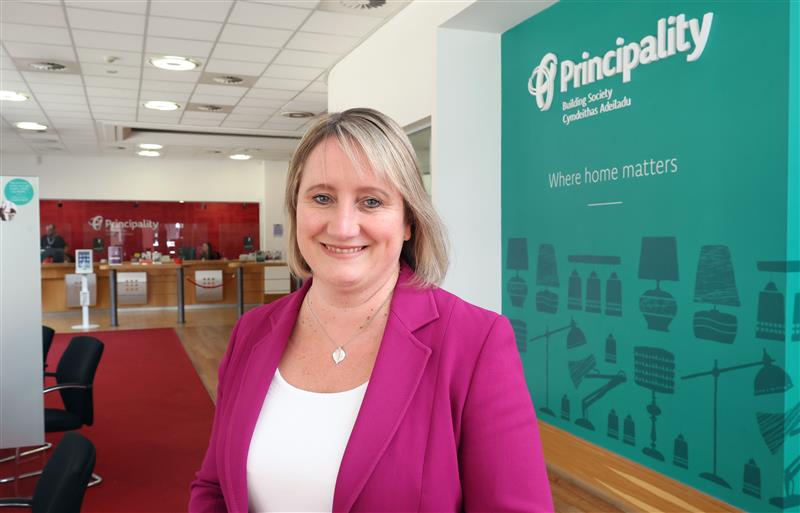
TWO in three savers say a fixed interest rate would give them greater peace of mind when planning their finances, according to new research from Principality Building Society*, as people in Haverfordwest are encouraged to review their savings ahead of the ISA tax year deadline.
The research, conducted with more than 1,500 people, also found that while many savers feel comfortable managing their money independently, a significant number still value the reassurance of speaking to someone when making important financial decisions.
Meanwhile, around one in six people mistakenly believe they must open a new ISA every tax year, highlighting ongoing confusion around how ISAs work. In many cases, particularly for variable savings products, savers may be able to continue paying into an existing ISA.
With the tax year end approaching, Principality Building Society is inviting Members and local savers to speak with colleagues at its High Street branch in Haverfordwest to better understand their options and make informed choices about how to use their ISA allowance.
The research also highlights the appeal of certainty when it comes to savings. Two in three savers say a fixed rate would give them peace of mind, reflecting the reassurance that comes from knowing exactly what return they will receive over a set period. Fixed rate Cash ISAs can provide that certainty, making it easier for some savers to plan ahead.
Vicky Wales, Chief Savings and Lending Officer at Principality Building Society, said: “ISA season can often feel busy and confusing, particularly against the backdrop of changes in the wider financial environment. Many people value the opportunity to talk through their options and feel confident they’re making the right decision.
Every saver’s situation is unique, so having a conversation can help people better understand their choices and how these align with their longer-term plans. Understanding the differences between savings products – including fixed and variable rates – can help savers make the most of their ISA allowance, and ensure their money is working in a way that suits their individual goals.”
Principality Building Society is encouraging anyone in Haverfordwest who would like to review their savings ahead of the tax year end to visit their local branch for a supportive conversation about their options, and how they can make the most of their savings.
Source: Principality Building Society’s own online community, Member Pulse, survey on Cash ISAs, March 2026 (total respondents: 1,544)

Energy price shocks could delay cuts and raise prospect of further hikes
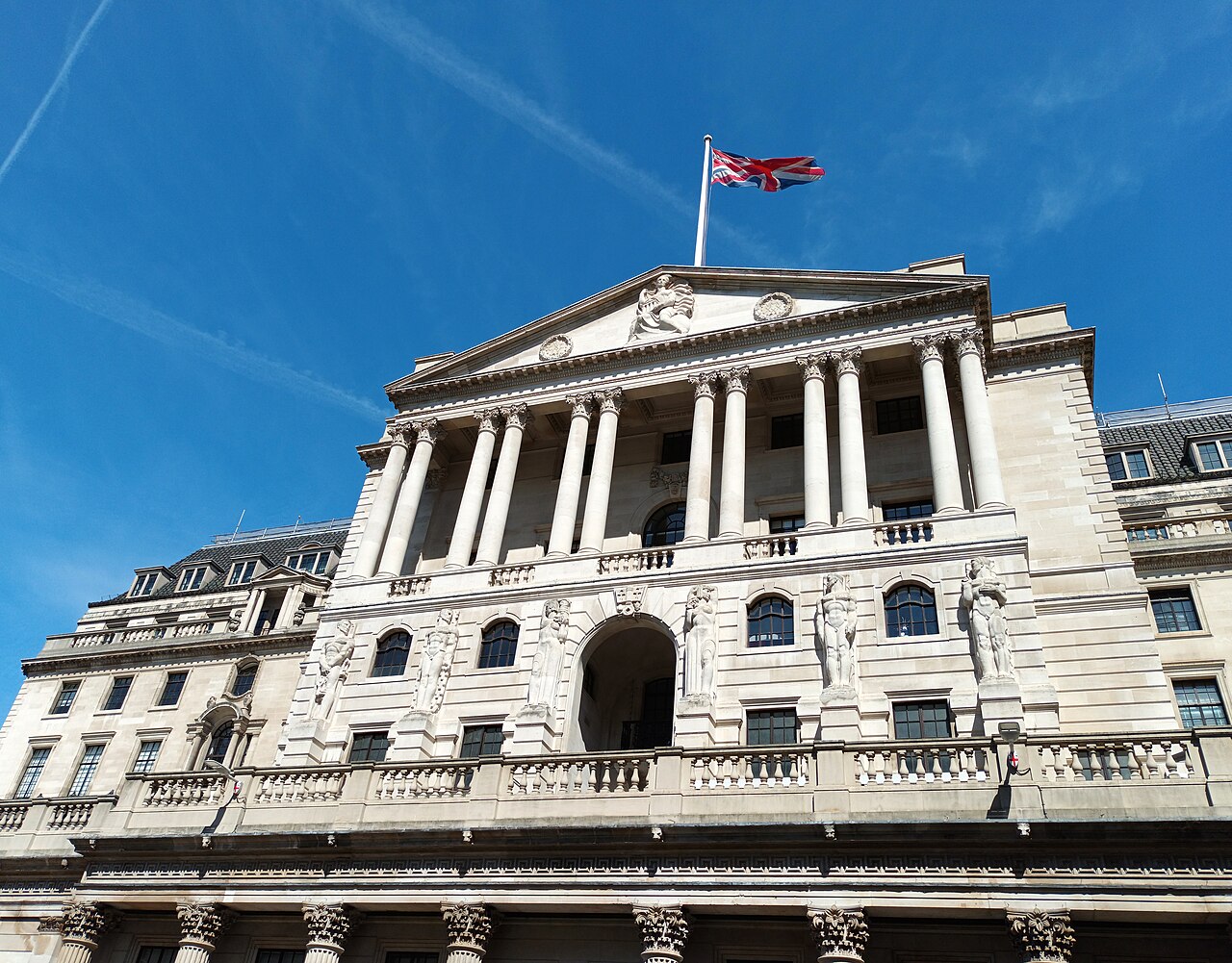
THE BANK OF ENGLAND has held interest rates at 3.75%, as rising tensions in the Middle East push up global energy prices and increase the risk of further inflation.
The decision by the Monetary Policy Committee reflects growing caution among policymakers, despite recent signs that inflation in the UK had been easing.
However, the escalating crisis in the Middle East has unsettled financial markets, with oil and gas prices climbing amid fears of supply disruption and instability along key shipping routes. Economists warn that sustained increases could quickly filter through to higher fuel, transport and manufacturing costs, as well as rising household energy bills.
Emeritus Professor Joe Nellis, economic adviser at accountancy firm MHA, said the latest developments have significantly reduced the likelihood of interest rate cuts in the near future.
He warned that policymakers are mindful of past criticism that central banks reacted too slowly to rising inflation in 2021 and 2022, when price pressures were initially dismissed as temporary.
“The Bank will want to stay ahead of inflation this time,” he said, adding that while current pressures may not yet be structural, officials are likely to act quickly if risks intensify.
The prospect of prolonged high interest rates presents challenges for businesses already grappling with increased operating costs. Higher borrowing costs are expected to weigh on investment, particularly in hiring, potentially weakening the labour market further.
Economists say that while holding rates steady avoids an immediate squeeze on borrowers, the wider outlook remains uncertain. Any sustained rise in energy costs could force the Bank to tighten monetary policy further in order to keep inflation under control.
For households and businesses hoping for a return to lower interest rates, expectations have now shifted, with rates likely to remain higher for longer — and the possibility of further increases still on the table.


News7 hours ago
Labour rift erupts over DARC as campaigners say Morgan’s move is too little, too late
Anti-radar group says First Minister’s call for a pause falls far short of what angry Pembrokeshire residents are demanding A...


Business17 hours ago
Tenby harbour RNLI building takeaway allowed after appeal
A REFUSED scheme for a takeaway food kiosk at a former lifeboat store in Tenby’s seaside harbour, has now been...


Community1 day ago
Family safe after major house fire in Letterston, community told
Memorial hall opened to help those affected after blaze in Station Road area A FAMILY escaped without injury after a...


News1 day ago
Haverfordwest County AFC escapes winding-up order but ordered to pay costs
Club avoided liquidation in case remained live until it came before a judge at the High Court in London A...


News1 day ago
Seal pup’s 120km swim ends in rescue and release
Young grey seal found weak at St Brides Bay after remarkable journey from Cornwall is now back in the wild...


Crime1 day ago
Woman who called for help spared jail over blade offence
Court hears Haverfordwest defendant was in severe mental distress and carrying razors to harm herself A HAVERFORDWEST woman who contacted...


Community1 day ago
Spitfire latest: Pembrokeshire flypast looks more likely this afternoon
THE LATEST public updates suggest the iconic Spitfire is now expected to leave RAF Valley at around 2:00pm today (Apr...


Crime2 days ago
Romino’s licence revoked after illegal workers found and fire risks exposed
Takeaway in Cardigan ordered to shut by 11:00pm after council hearing backed by immigration officials, police and fire service A...


Crime3 days ago
British Transport Police widens Tenby stabbing inquiry as five arrested
Extra patrols in town as police continue hunt for answers after shocking railway station violence BRITISH TRANSPORT POLICE say their...


News3 days ago
Person taken to hospital after emergency response in Milford Haven
Police say incident began in Hakin before multi-agency search at marina A PERSON was taken to hospital after a major...
-
 Business2 days ago
A proper Pembroke local: Inside the warm welcome of The Old Cross Saws Inn
-

 Sport4 days ago
Grand Slam win for Pembrokeshire rugby ace
-

 Crime4 days ago
Over 500 arrests at latest Palestine Action protest in London
-

 Community2 days ago
Doorstep warning issued after reports of suspicious callers in Pembrokeshire
-

 News5 days ago
Senedd election candidates confirmed as vote.wales goes live
-

 News6 days ago
Former county councillor Paul Dowson to stand in Ceredigion Penfro
-

 Crime6 days ago
Drug and weapon charges after Pembroke Dock arrest
-
Crime2 days ago
Romino’s licence revoked after illegal workers found and fire risks exposed