


News
Crabb makes a flying visit

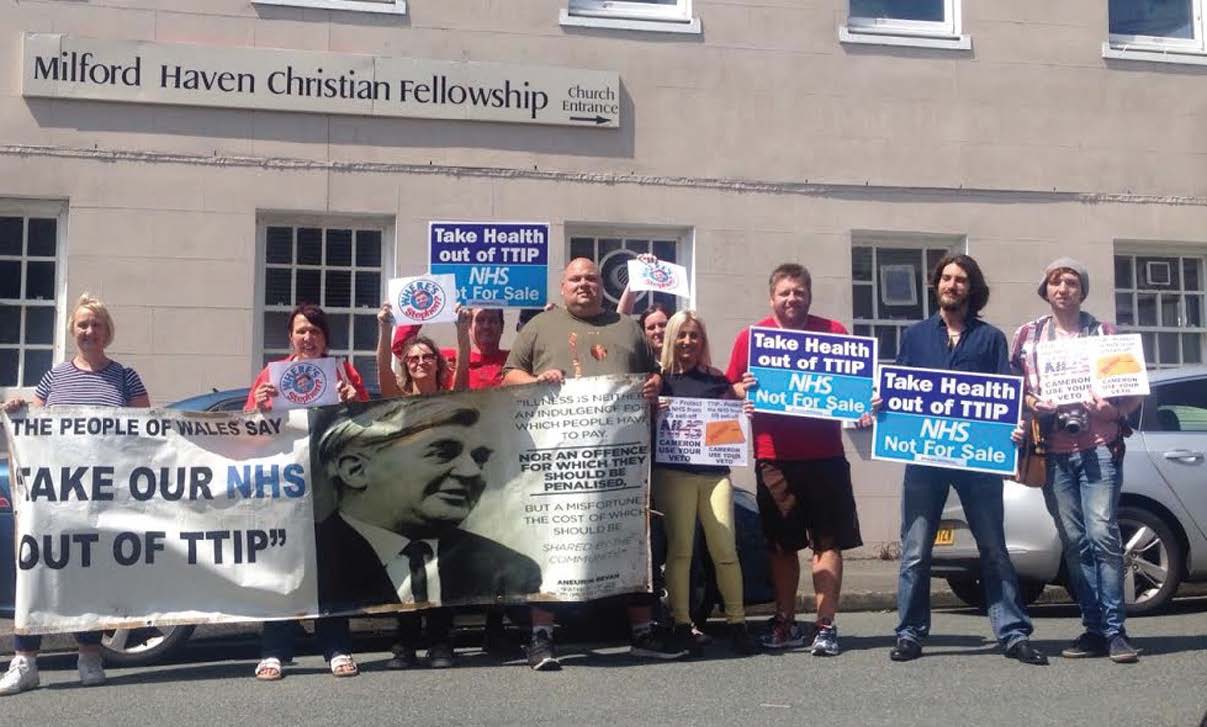
 STEPHEN CRABB has been accused of failing to listen to his constituents after cancelling a surgery in Milford Haven at short notice last Friday (Jul 17). Pleading ‘urgent ministerial responsibilities,’ the Secretary of State for Wales’ constituency office apparently told everyone booked into the surgery on Wednesday that it had been cancelled. However, both Mr Crabb’s website and facebook page carried no mention of the cancellation, and the surgery, which was to have been held in Nantucket Avenue, was still advertised after it was due to have finished.
No amend mentor apology had been posted on his facebook page at the time of going to press. Among those with a pressing desire to see Mr Crabb were representatives of People’s NHS Wales, who organised a demonstration outside his surgery. Mr Crabb released a statement which said: “I am sorry that representatives from Peoples NHS Wales were not able to see me today. As they had not let me know that they were going to be attending my surgery, I was not able to inform them that it had been rescheduled.
Everyone who had been booked into the surgery had been notified on Wednesday that it would not be taking place due to urgent ministerial responsibilities. “I am very happy to meet with any individual or group in my constituency to discuss any issue of concern and everybody who writes to me receives a reply.” This met with a bemused response from People’s NHS Wales representatives, who told The Herald that they had been trying to contact the Preseli Pembrokeshire MP since July 6, through emails, twitter, and finally a letter hand-delivered to his constituency office.
We were shown an email from July 8 from David Williams, which expresses his concern surrounding the future of the NHS both in England and Wales, as a result of the Transatlantic Trade and Investment partnership (TTIP). This received an automated response, which stated that ‘This acknowledgement has been triggered electronically as I have not yet had a chance to read your message’. Mr Williams wrote to Mr Crabb the next day, to confirm whether or not he had received the email, or indeed had chance to read it.
He received the same automatically triggered response, and had heard nothing more at the time of going to press. The People’s NHS are protesting against the privatization of the NHS in England, something that Mr Crabb denied had taken place under the coalition government at a hustings in Haverfordwest before the General Election. There are fears that TTIP will lead to NHS privatization over the border becoming irreversible, and the knockon effects this may have for the NHS in Wales. The People’s NHS is calling for an 83 word clause to be inserted into the TTIP agreement.

This clause, in full, reads: “The UK reserves the right to adopt or maintain any measure with regard to the organization, the funding, and provision of the National Health Service in the UK as well as with regard to the public and/ or the not for profit character of the National Health Service in the UK, where services may be provided by different companies and/ or public or private entities involving competitive elements which are thus not services carried out exclusively in the exercise of governmental authority.”
The People’s NHS is lobbying MPs, asking them to put pressure on Minister for Trade and Investment Francis Maude to ensure that this clause is inserted. After meeting with People’s NHS Wales representatives, James Davies, MP for the Vale of Clwyd, wrote to Lord Maude asking for his comments on their request. The organization would like Mr Crabb to do the same, or at least reassure them regarding the Westminster Government’s stance. However, on this occasion Mr Crabb had urgent ministerial responsibilities.
The Herald phoned the Welsh Office on Friday to try and get some idea of what these were. When asked what Mr Crabb’s urgent ministerial responsibilities were, we were told that he was visiting north Wales with the Chancellor, and we could find out more from his Twitter page. Entering into the realms of Twit, we found pictures posted by George Osborne and Mr Crabb of two cabinet Ministers apparently assembling an aeroplane wing, whilst dressed in hard hats and suits. Assuming that this was not the sole reason for missing a constituency surgery, and discounting the notion that it was a brazen photo opportunity, we trawled the North Wales newspapers, and found an article on the visit in The Leader, one of Wrexham’s finest publications.
Apparently: “George Osborne MP visited the 700 acre site along with Stephen Crabb AM, where he also discussed how the Government’s long term economic plan will benefit the area.” The italics are ours. In what was described as a ‘hands on visit’, Mr Osborne described how North Wales was ‘absolutely a part’ of the Northern Powerhouse, and pointed out the extent to which HS2 would benefit north Wales. Mr Crabb also made a pertinent contribution: “It is particularly impressive to see the indoor facilities that have just been completed for the Beluga Aircraft at Broughton,” he said. “These huge craft can now be loaded in all weathers, and I hope that leads to ever busier order books for Airbus.”

When we told People’s NHS Wales representative Jodie Evans why Mr Crabb failed to attend the surgery, her response was to-the-point: “He is letting residents and constituents down. A number of residents have written to him asking for reassurance on this matter.” Mr Crabb has yet to announce when he will be holding another surgery in the Milford Haven area.


Rural communities urged to stay vigilant amid sharp increases in red diesel and heating oil costs
FARMERS and rural residents across Wales are being urged to remain vigilant against fuel theft following a sharp rise in fuel and heating oil prices linked to ongoing tensions in the Middle East.
FUW Insurance Services Ltd has issued the warning after recent data showed significant increases in fuel costs. Reports suggest the price of red diesel has climbed to around 109p per litre in mid-March, up from approximately 67p in February, representing an increase of more than 60%. Heating oil prices have also risen steeply, in some cases more than doubling from around 60p per litre to £1.30.
The increases are placing additional pressure on rural households, many of which remain heavily reliant on oil. In Powys, around 55% of homes are not connected to the gas grid, while in Ceredigion the figure rises to 74%, leaving communities particularly exposed to price fluctuations.
Concerns are also growing over the potential rise in rural crime. Historically, spikes in fuel costs have been linked to increased theft, with farms often targeted due to the presence of fuel tanks and machinery. Such incidents can lead not only to financial losses but also environmental damage where tanks are tampered with or fuel is spilled.
Farmers are being advised to take practical steps to protect their property, including regularly checking fuel levels, securing tanks and pumps with appropriate locks, and installing CCTV where possible. Reporting suspicious activity promptly is also seen as key to preventing theft.
The warning also applies to other rural premises, including churches, chapels, village halls and community buildings, which often rely on heating oil and may be left unattended for long periods.
Dafydd Peredur Jones, Senior Account Executive at FUW Insurance Services Ltd, said: “Rising fuel prices are placing additional pressure on rural communities, but they also increase the risk of theft. We are urging farmers and rural residents to take proactive steps to protect their fuel supplies and remain vigilant. Simple preventative measures can make a significant difference.”
FUW Insurance Services Ltd said it will continue to support customers during the current period and encouraged anyone with concerns about their insurance cover or security arrangements to seek advice.
Research across farms reveals 69 species, including threatened birds
WELSH farmland is playing a crucial role in supporting bird populations, according to a new study which could help reverse decades of decline.
The Farming Connect-led research, carried out across fourteen farms in Wales, recorded sixty-nine different bird species – including sixteen classified as threatened on the International Union for Conservation of Nature (IUCN) red list.
Populations of farmland birds have fallen sharply in recent decades, but the findings suggest that well-managed agricultural land can still provide important habitats for a wide range of species.
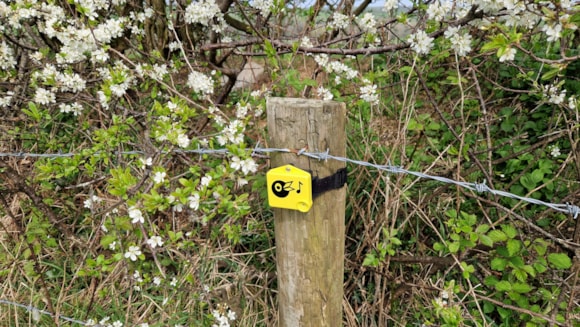
The study, conducted during the April to June breeding season in 2025, used specialist recording devices to capture birdsong during the dawn chorus. Two sensors were placed on each farm across a range of habitats, including dairy, beef and sheep systems.
Recordings were analysed using artificial intelligence software, allowing researchers to identify species and assess biodiversity levels across different landscapes.

The results varied significantly between farms, with one site recording as many as forty-six species.
Farming Connect biodiversity specialist Lynfa Davies, who oversaw the project, said the presence – or absence – of certain birds can reveal how well a habitat is functioning.
She said: “If insect-feeding birds are scarce, it suggests the land is not supporting enough insects. Measures such as planting flower-rich margins or allowing wet scrub to develop can make a real difference.”
Among the threatened species identified were linnet, tree pipit, curlew, greenfinch, ring ouzel and wood warbler.

“The presence of these birds highlights the importance of farmland and the role it plays in providing valuable habitats,” she added.
Researchers also examined “trophic niches” – the roles species play within the food chain. The study identified a range of groups including insect-eaters, omnivores and top predators such as birds of prey.
The presence of these predators, known as vertivores, suggests healthy ecosystems, as they rely on a strong chain of smaller species for food.

The findings could help shape future land management across Wales, with experts suggesting wider use of monitoring technology could support biodiversity on a larger scale.
The study also points towards the potential for farmers to play a central role in reversing wildlife decline by creating and maintaining habitats that support a broader range of species.
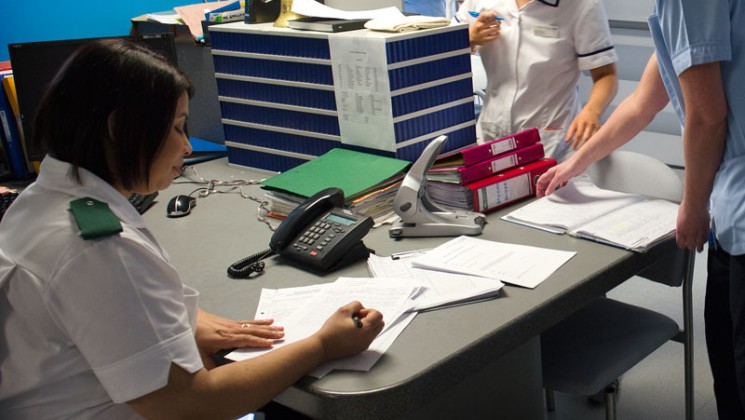
CONCERNS over patients being treated in hospital corridors have intensified after a new report highlighted the scale of pressures facing emergency departments across Wales.
The Royal College of Emergency Medicine has published findings describing the increasing use of so-called “corridor care”, where patients receive treatment in non-clinical areas due to overcrowding.
Responding to the report, Rhian Bowen-Davies warned that the situation risks becoming normalised unless urgent action is taken.
She said: “The findings offer further important insight into the scale and impact of care delivery in non-clinical environments and demonstrate why far more needs to be done.
“Words like ‘frightening’ and ‘warzone’ should never be used to describe aspects of our health service, yet this kind of language is increasingly common in reports from patients and staff, as well as in conversations I’ve had with older people and their loved ones across Wales.”
The Commissioner said there is growing evidence that corridor care is now an “everyday reality” within the NHS, driven by sustained pressures on services.
She added that the practice puts both the safety and dignity of patients at risk, particularly older people, who are more vulnerable when treated outside appropriate clinical settings.
Call for coordinated response
The Commissioner is now urging health boards and the next Welsh Government to take coordinated action to ensure patients are treated in suitable environments at all times.
She said improving conditions would not only help deliver safe and dignified care, but also rebuild public confidence in the health service.

“Restoring trust is crucial,” she added. “Many older people feel that confidence in the system has been lost.”
The report adds to mounting pressure on NHS services in Wales, where emergency departments have faced ongoing challenges with demand, staffing and patient flow.



Business2 hours ago
New pilot vessel Llanion arrives at Milford Haven
State-of-the-art 22-metre craft marks reset after £3.6m pilot boat controversy THE PORT OF MILFORD HAVEN has taken delivery of a...

Business1 day ago
Could Primark be coming to Haverfordwest? Major retailer in talks for former Wilko site
Council confirms advanced discussions as speculation grows over high street boost HAVERFORDWEST could soon see a major high street revival,...

Business1 day ago
Rail investment ‘could unlock 40,000 jobs and £11bn for Wales’ says new report
RAILWAY stations across Wales could help unlock around 40,000 jobs and more than £11 billion for the economy by 2036,...


Local Government1 day ago
Milford Haven set for £200m investment with schools, leisure centre and rail upgrade
Council outlines major plans for town with backing from Welsh Government MILFORD HAVEN is set for a major transformation with...

Community2 days ago
Broad Haven volunteers secure ‘national asset’ status for nature reserve
A SMALL stretch of woodland and former opencast coal mine has been transformed into a nationally recognised biodiversity site, in...


Entertainment3 days ago
Tenby steams up in spectacular style as crowds flock to festival
Colourful parade, towering creations and Victorian flair bring town centre to life TENBY was transformed into a vibrant Victorian fantasy...


Crime4 days ago
Publican jailed for six years for supplying cocaine and cannabis
Milford Haven man sentenced at Swansea Crown Court following drug dealing operation A MILFORD HAVEN publican has been jailed for...


Local Government4 days ago
Poverty summit highlights support efforts across Pembrokeshire
A SUMMIT bringing together key organisations from across Pembrokeshire has highlighted both the scale of local poverty and the work...


Education5 days ago
Milford Haven school plans unveiled but funding not yet secured
PLANS for a new £100 million school in Milford Haven have been unveiled, but the project has not yet secured...


News5 days ago
Council unveils plans for new state-of-the-art secondary school in Milford Haven
PEMBROKESHIRE COUNTY COUNCIL has revealed plans for a new state-of-the-art school in Milford Haven, promising modern, inspiring learning spaces for...
-

 News7 days ago
Emergency services flood Haverfordwest after reports of person in river
-

 Crime6 days ago
Mother given community order after admitting child cruelty offence
-

 Health5 days ago
NHS waiting list falls — but cancer delays and diagnostic backlog worsen
-
 News7 days ago
Senedd votes to ban Greyhound racing in Wales to protect animal welfare
-

 News7 days ago
Senedd vote to ban greyhound racing hailed as ‘landmark moment’ by charities
-

 News6 days ago
Reform secures first Pembrokeshire councillor in Hakin by-election win
-
 Crime6 days ago
Woman stole from pharmacy despite ban, court hears
-

 Crime5 days ago
Illegal workers found at Cardigan takeaway after immigration raid
Owen Llewellyn
August 9, 2015 at 11:38 am
Typical MP, chickens out of the debate with real people.