Politics
What is the future for Labour?


Labour leadership hopefuls: L-R (in picture) Liz Kendall, Andy Burnham, Yvette Cooper, and Jeremy Corbyn.
FOLLOWING Ed Milliband’s resignation after the General Election, The Labour Party has been doing a serious amount of soul-searching. Numerous reasons have been given for the party’s poor performance, even though they gained seats in England and only lost one in Wales.
The most common reason given from inside the party is a variation on the theme that under Ed Milliband, the party veered too sharply to the left. There have been numerous ways of expressing this, from Chuka Umunna claiming that the party needed to be more ‘business friendly,’ to acting leader Harriet Harman and candidate Liz Kendall refusing to vote against the Conservatives’ welfare bill because British people have real concerns about benefit spending.
This contrasted sharply with the experiences of many canvassers who felt abandoned by the parliamentary Labour party, which made constituency candidates something of a hard sell in places. Across the country, the emergence of UKIP as, if not a credible political force, then certainly one strong enough to influence the outcome of any seat, was largely at the expense of what Labour would have considered core voters in 1997. Anti-austerity parties to the left also benefitted from Labour’s perceived lack of opposition to Conservative policies.
The election of a new Labour leader was meant to be the fairest and most transparent to date in a party that has traditionallyprideditselfonadherenceto democratic principles. Jeremy Corbyn, described ad nauseum in the press as an ‘Old Labour dinosaur,’ and a ‘veteran left-winger’ was only put on the ballot after 35 MPs, many of whom had no intention of voting for him, decided that all facets of the party should be represented. That these MPs were subsequently described as ‘morons’ by one of Tony Blair’s former advisors shows the extent to which the left-wing of the party is viewed as an embarrassment nowadays.

A strong showing ofpopular support for Mr Corbyn has led to outcry in the national press. A YouGov poll recently put him on CHECK %, leading to claims that the poll was inaccurate, and leading people to predict a schism in the Labour party similar to that which occurred when Michael Foot was made leader – something Mr Corbyn has blamed for the landslide defeat in 1983. The Daily Mirror, the only remaining left-wing tabloid, has suggested implementing an ABC (anyone but Corbyn) strategy, while on the other end of the scale Toby Young has suggested that those on the political Right join the Labour Party and vote for Mr Corbyn as a way of bringing down the Labour Party.
Mr Corbyn is certainly different to any leadership contender since the early nineties, if not before. Having said that, John Smith was considered to be on the centre-right of the party then, which shows how much the political landscape has shifted. The public spending cuts that Ed Balls claimed he would not alter if Labour were elected would have had an old One Nation Tory like Ted Heath spinning in his grave. Mr Corbyn has claimed that the role of leader should be more about facilitating debate rather than developing policies. He is known to favour the abolition of student fees, scrapping Trident, and the renationalisation of the rail industry.
There has been uproar in the Labour party about this. Apparently Labour should not be a party of protest but a party of government. It appears that from an opposition perspective, this means agreeing with most of what the party in power proposes, on the basis that they were voted in and are therefore what the electorate want. It may be facile to suggest that this makes the concept of an opposition moot, but certainly the parameters of debate will be narrowed.
Interestingly, a journalist for the Independent checked out the YouGov poll results for Mr Corbyn’s policies, and found that the public were heavily in favour, with 60% in favour of nationalising trains, for example. It appears that the claims that the Labour party has already suffered a split between the grass-roots supporters and the metropolitan ‘elite’ may have some basis in fact. A point which appears to be overlooked is that ‘three-time-winner’ Tony Blair still had the support of Labour’s core vote, until it began melting away over the New Labour years. Without this support, and without any way of either working with the SNP or encouraging Scottish voters back into the fold, the ‘swing seats’ targeted in ’97 will be increasingly irrelevant.

Andy Burnham, the politician many party insiders would like to see get the nod, is nominally on the left of centre, in the same way Yvette Cooper is slightly to the right. Mr Burnham is the only candidate to say that he would serve in a Corbyn shadow cabinet. Liz Kendall, considered one of the Blairite faction’s big hopes, has performed poorly, and is fourth-placed by some margin. A spoof facebook page – Liz Kendall for Conservative Leader – had nearly as many ‘likes’ as her own page before it was deleted. A problem appears to be the unwillingness of the other three candidates to commit on issues, for fear of jeopardising their shot at the top job.
Whoever emerges as Labour leader in the coming months will be in an unenviable position. They will have to reconcile those on the political Left and Right, and attempt to appeal to disillusioned Labour voters, as well as trying to take votes from the Conservatives and UKIP and, in all probability, having to work with the SNP and possibly Plaid Cymru in Wales, both parties with a broadly left-of-centre manifesto. It is far too early to tell what sort of a party will emerge at the other end, the outcome of a leadership battle fought across such a wide spectrum, and the ensuing rise in the number of party members, many of whom are looking for a credible alternative to the Tory-lite policies of the last two decades, will mean the party will indeed be living in interesting times.

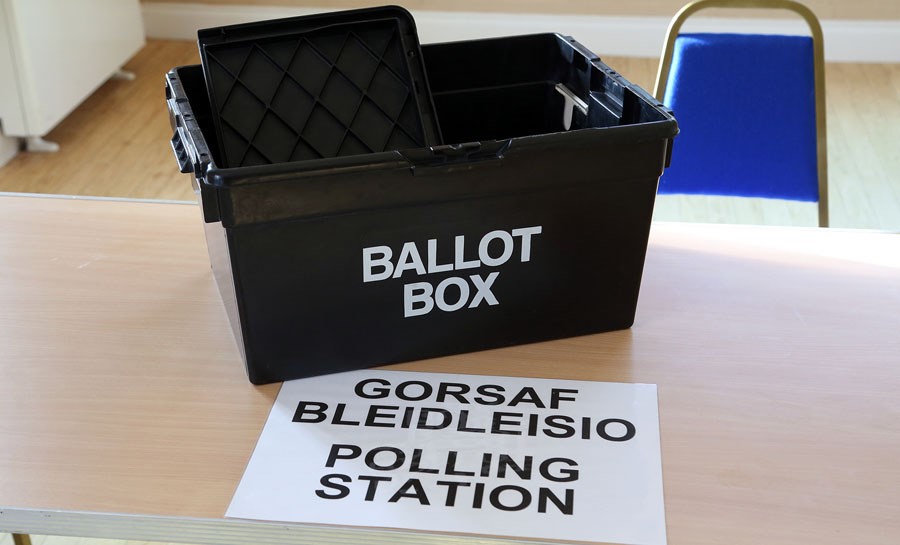
POSTAL votes for the upcoming Police and Crime Commissioner election can be returned as soon as received.
Those registered should have received their postal vote information and now is the time to fill it in and pop it back in the post.
You must complete the postal voting statement and your ballot paper for your vote to be counted.
Your postal vote pack includes full instructions on how to complete the form and voting ballot.

There will be two envelopes – complete the postal voting statement and include your ballot paper in envelope A before placing that in envelope B, ensuring the freepost return address is visible.
This helpful YouTube video shows how to complete the postal vote documents.
If you need help with your postal vote form you can also call 01437 775844
There are some changes to postal vote submission and you will need to complete a form with our staff if you decide to hand your postal vote in to a polling station or County Hall reception.

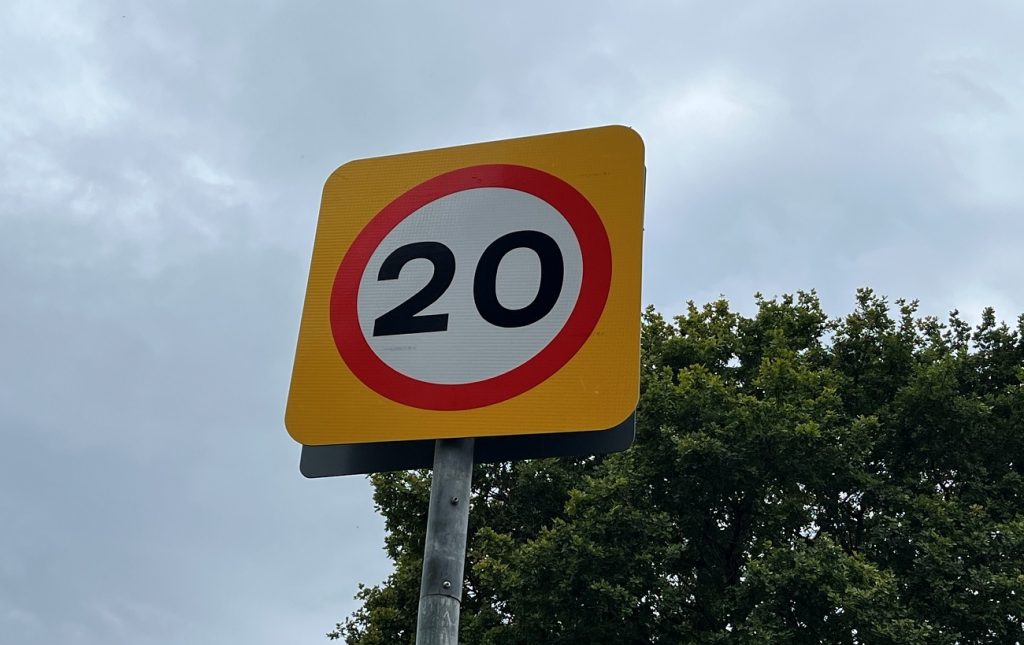
IN a recent address to the Senedd, Cabinet Secretary Ken Skates unveiled a comprehensive three-phase plan aimed at refining the implementation of 20mph speed limits across Wales. This initiative is part of a broader effort to enhance road safety in residential areas, particularly near schools, hospitals, and other sensitive sites.
Skates emphasised the Welsh Government’s commitment to incorporating the views of Welsh citizens directly into the decision-making process. “We’ve started by listening,” Skates stated, underscoring that the voice of the community is pivotal to the transport policy development. The approach includes a significant public engagement campaign set to run until July, where feedback will be sought from a diverse group of stakeholders including bus drivers, emergency service personnel, businesses, and local council representatives.
The Welsh Government plans to work in close collaboration with local authorities to assess and prepare for the proposed changes. This preparation will involve revising guidelines to determine which local roads might be exempt from the new speed limit, with an updated version expected to be published in July. Following this, councils will initiate detailed consultations from September to ensure community needs are fully addressed.
The phases of the plan as outlined by Skates include:

- A robust national listening programme to gather input on road safety concerns from across the community.
- A partnership with local authorities to prepare for the changes, encouraging public participation in identifying areas where the 20mph limit should be applied.
- Implementation of the changes on the ground, with local authorities adjusting speed limits in accordance with new guidelines and community feedback.
The Cabinet Secretary reiterated the primary aim of the policy: “The principal objective is to save lives and reduce casualties on our roads. We continue to believe 20mph is the right speed limit in key community areas, and what I am doing now is listening to what people want for the roads in their communities, and pressing ahead with refining the policy.”
Skates also made it clear that the final decision on the extent of change would not solely rest with the Welsh Government but would significantly depend on the input from local authorities and the public. Information on how residents can participate in this consultation process will be provided on the Welsh Government’s website, ensuring that all community voices can contribute to shaping the future of their local transport policies.
Responding to a press release from Labour’s Cabinet Secretary for Transport, Natasha Asghar MS, Shadow Transport Minister, said: “Whilst I am waiting with bated breath to hear the Cabinet Secretary outline his transport priorities, I fear all this talk of changes to the government’s flawed 20mph scheme is just another example of Labour ministers paying lip service.
“Ministers might be making all of the right noises on 20mph, but if the Cabinet Secretary is serious about listening to the people of Wales, then he will accept that this law was a terrible mistake and repeal it.
“Only the Welsh Conservatives would scrap this disastrous law and get Wales moving.”

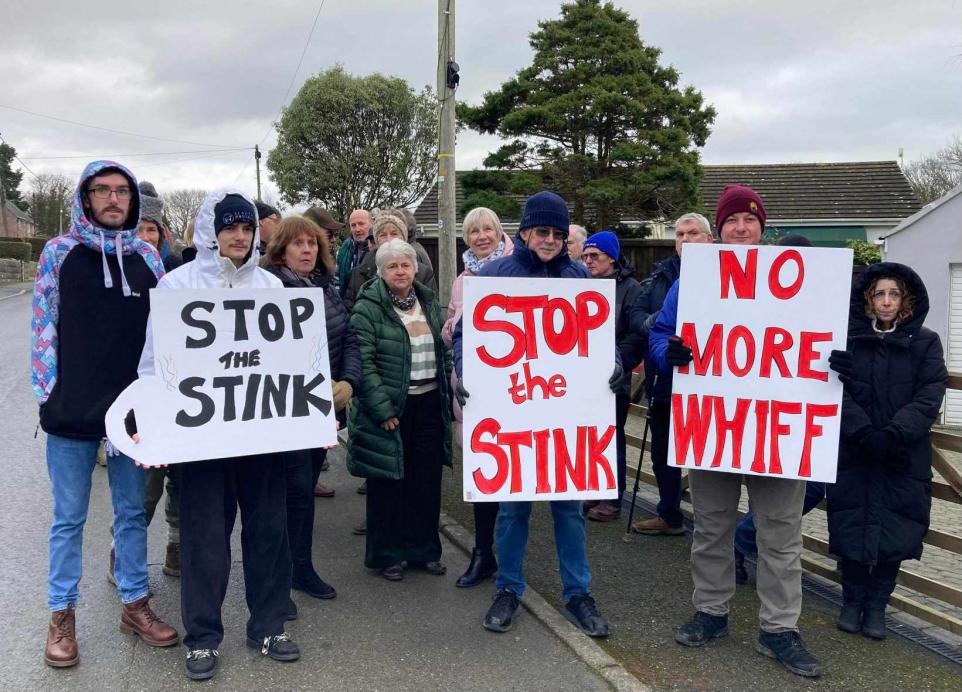
NATURAL Resources Wales (NRW) has taken further enforcement action at Withyhedge Landfill in Pembrokeshire, setting out the urgent steps its operators must take to address the site’s ongoing odour and landfill gas emission issues.
NRW has issued site operators Resources Management UK Ltd (RML) with a further Regulation 36 Enforcement Notice, which requires the operator to deliver a series of actions by specified deadlines – the first due to be achieved by April 21.
The actions include implementing measures relating to gas management infrastructure, further capping areas of the site, and improving interim cover arrangements as the work progresses.
Each step outlined in the Notice must be completed by May 14.
However, the Notice stipulates that most works must be completed before May 8.
The measures are intended to address the odour issues experienced by communities surrounding the site.
Although actions set out in the Section 36 Notice issued in February to prepare and cap a waste cell and install gas infrastructure to contain and collect landfill gases appear to have been completed, the site operator has identified further areas of the site which could be causing problems.
RML submitted their plans to resolve these issues last week.
The proposed solutions informed the actions included in a new S36 notice issued last week.
The new enforcement activity requires the operator to deliver the additional steps they need to take.
If the actions outlined in this new Notice are not complied with, NRW will not hesitate to take further action. The Welsh Government agency will consider all the regulatory tools available, including issuing a Section 37 suspension notice.
A Section 37 Notice would end operations at Withyhedge
Huwel Manley, Head of South West Operations, NRW, said: “NRW is taking additional enforcement action to ensure RML Ltd. takes the urgent action they have identified needed to control the odour issues at Withyhedge Landfill.

“We fully understand the growing discontent from the affected communities, and we feel that it is unacceptable for residents and visitors to the area to continue to be affected by these odour and landfill gas emissions.
“We want to reassure everyone that we are committed to ensuring RML Ltd. deliver the actions they have identified and that they work quickly to resolve this issue.
“While the pressing work required by the operator progresses over the coming days and weeks, the site remains under investigation, and we will continue our regulatory presence.
“Nothing is off the table. If the series of actions required in this Notice are not complied with, we will have no hesitation to take further enforcement action, considering every option available to us under the regulations, including suspending the environmental permit if appropriate.”
Will Bramble, Pembrokeshire County Council Chief Executive, said: “We are extremely disappointed that RML, the company managing the Withyhedge landfill site, has not delivered the necessary action to stop the completely unacceptable odour emissions.
“We fully support NRW’s additional enforcement action and continue to work closely with them to correct the situation.
“We also support NRW’s intent to take further action should it fail to meet the May 14 deadline, including considering suspending the permit.
“Geotechnology is monitoring under the direction of the air quality cell and liaising directly with residents affected.
“We will ensure the data is made available to the public at the earliest opportunity.”
The controversy over £200,000 in donations to Vaughan Gething’s Labour leadership campaign by companies linked to Withyhedge and a further substantial personal donation by company director David Neal continues to dog Wales’s new First Minister.
As revelations continue to bubble up from under the cap that Mr Gething has tried placing on them, the smell from Withyhedge has reached Cardiff Bay. It is beginning to stink out the Senedd.
More details of that story are elsewhere in this week’s Herald.
NRW requests that instances of odour from the landfill continue to be reported via this dedicated form: https://bit.ly/reportasmellwithyhedge.



Pembrokeshire pensioner accused of 17 sexual offences against children
A 72-YEAR-OLD Pembrokeshire man has appeared before magistrates charged with 17 sexual offences against children under the age of 14....

Police and air ambulances at ‘serious incident’ at West Wales school
DYFED POWYS POLICE has said it is dealing with an incident at a west Wales school. There has been a...


Haverfordwest interchange: Next stage of £19m project backed
The second stage of building Haverfordwest’s near-£19m transport interchange has been backed, with senior councillors hearing it could cost the...
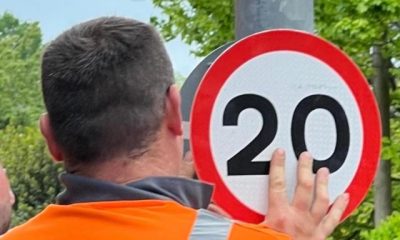

20mph U-turn: Some roads will return to 30mph following public outcry
IN a recent shift in policy, Transport Secretary Ken Skates announced that some roads in Wales will revert to a...


Police issue update on the search for Luke, missing from Pembroke Dock
POLICE have made the difficult decision to end the search for Luke, following a joint decision by all the agencies...


NoFit State Circus set to thrill Pembrokeshire this summer
NoFit State Circus is set to captivate Pembrokeshire once again this summer, as they bring back their thrilling big top...
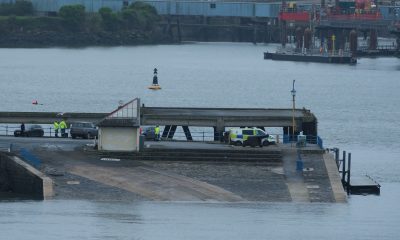

Search for missing teenager Luke continues at Pembroke Dock
THE SEARCH for the missing 19-year-old, Luke, continues unabated into its fourth day, with efforts increasingly centred around the waterways...

Estate agents admit health and safety failings following fatal market incident
WEST WALES estate agents J J Morris have appeared before Pembrokeshire law courts charged with failing to discharge general health,...


Pembroke man sent ‘grossly offensive and disgusting’ message to sister
A DISTRICT Judge has described how a Pembroke man sent a ‘disgusting, appalling and grossly offensive’ message to his sister...


Dragon LNG ‘monitoring’ scrap car blaze in Waterston
A BLAZE has broken out at the Waterston Car Dismantler’s business in Waterston, Milford Haven. Dragon LNG which is situated...
-
News5 days ago
Police issue update on the search for Luke, missing from Pembroke Dock
-
News13 hours ago
Police and air ambulances at ‘serious incident’ at West Wales school
-
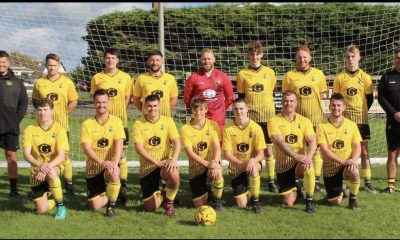
 Sport6 days ago
Herbrandston Clinch Promotion to Division One
-
News5 days ago
20mph U-turn: Some roads will return to 30mph following public outcry
-

 Community5 days ago
Miracle pup finds her forever home after heart-wrenching journey
-
 Community2 days ago
County Hall to offer space for community banking
-

 Crime3 days ago
Brian Davis: Wanted on suspicion of commercial burglary
-

 News7 days ago
First step towards council tax and business rate reform