


Farming
NT claim ‘decades of damage’ to countryside

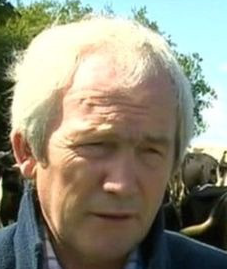

NFU Cymru President, Steven James: Countryside isn’t as damaged as National Trust insist
THE DIRECTOR GENERAL of the National Trust has called on government to put the recovery and future resilience of the natural environment at the heart of the funding system that will replace the Common Agricultural Policy (CAP).
Dame Helen Ghosh said reform was essential to reverse what she claimed were decades of damage to the countryside and the headlong decline of species.
Dame Helen told an audience at the National Trust Theatre at BBC Countryfile Live that the vote to leave the European Union presents an urgent opportunity to shape a new and better system for stewardship of the countryside.
She said:
“Whatever your view of Brexit, it gives us an opportunity to think again about how and why we use public money to create the countryside we want to hand on to future generations. Unless we make different choices, we will leave an environment that is less productive, less rich and less beautiful than that which we inherited.

“Taxpayers should only pay public subsidy to farmers in return for things that the market won’t pay for but are valued and needed by the public.
“We may need some kind of transition period to get there but that means payments for goods that go beyond food production – for the wildflowers, bees and butterflies that we love, for the farmland birds, now threatened, for the water meadows and meandering rivers that will help prevent the flooding of our towns, and for the rebuilding of the fertility and health of the soils on which both nature and production depend.
“In the long run, there’s no conflict between maintaining our ability to grow food and looking after the land and nature on which it depends. The first is utterly dependent on the second.
“This is not just about the subsidy system but the way the market works. Farmers should get a proper return from retailers and food manufacturers. If they are also producing clean water, unflooded streets or great holiday experiences, they should also get a proper return from the utilities or tourism industry.

“Farmers are key partners in finding solutions but this is too important to leave to governments and farmers to sort out between themselves.
“We would encourage ministers to now consult widely on the way we fund farming in a post-Brexit world and involve the public in the debate, along with organisations who have experience and insights to share.”
NFU Cymru President, Stephen James, said: “The picture the National Trust is trying to paint – that of a damaged countryside – is one that neither I nor most farmers, or visitors to the countryside, will recognise.

“Farmers manage 80% of Wales’ land area and through agri-environment schemes, such as Glastir, farmers continue to restore and establish new habitats for biodiversity. This includes over 310km of new streamside corridor; 265km of new or restored hedgerows and more and 20,000m2 of new ponds.
“Farmers take their responsibilities as custodians of the countryside seriously and most visitors to the countryside will be enjoying the natural environment and appreciating the views of rural Wales which have been created and maintained by farmers – including many of the landscapes showcased by the National Trust.
“In this debate we must not forget that food production is vital. We should not be contemplating doing anything which will undermine Welsh farming’s competitiveness or its ability to produce food. To do so would risk exporting food production out of Wales and for Wales to be a nation which relies even further on imports to feed itself.
“In our view, food security should be considered to be a legitimate political goal and public good. Welsh farmers are proud of the high standards of production, traceability of the food they produce and high animal welfare. Welsh food production is the bedrock of the food and drink sector – contributing £6.1 billion to the economy and employing 222,400 people.
“All our survey work shows that the Welsh public wants to buy more Welsh food and, interestingly, survey work also shows the Welsh public believes farmers play a beneficial role in improving the environment at the same time.”
Two of the largest beneficiaries of the current CAP regime are the National Trust, which receives £11m of subsidy each year, and the RSPB, with almost £7 million received in subsidy in 2015. Both organisations were vociferous campaigners against a reform of the CAP scheme in 2011, which would have seen them lose millions of pounds of subsidy and have their take from the scheme capped at £300K per year.
The extent to which the National Trust wants to see subsidy tied to the practices which would reap maximum benefit for itself from any subsidy system represents, potentially, special pleading by the organisation to ensure the best financial outcome for itself from any new subsidy scheme and puts down a marker as to what it would expect for itself out of such a scheme. The idea of a subsidy cut, such as that proposed by the EU in 2011, is evidently an unappealing one.
Moreover, Pillar 2 of CAP is for what’s vaguely known as ‘rural development’, which covers everything from preserving traditional farming practices and preventing the depopulation of the countryside to conservation and public access.
The Welsh Government has long taken an extraordinarily elastic view of the uses to which Pillar 2 funding can be put, and has used the payment scheme as a piggy bank to follow policies that are only connected tangentially to farming.

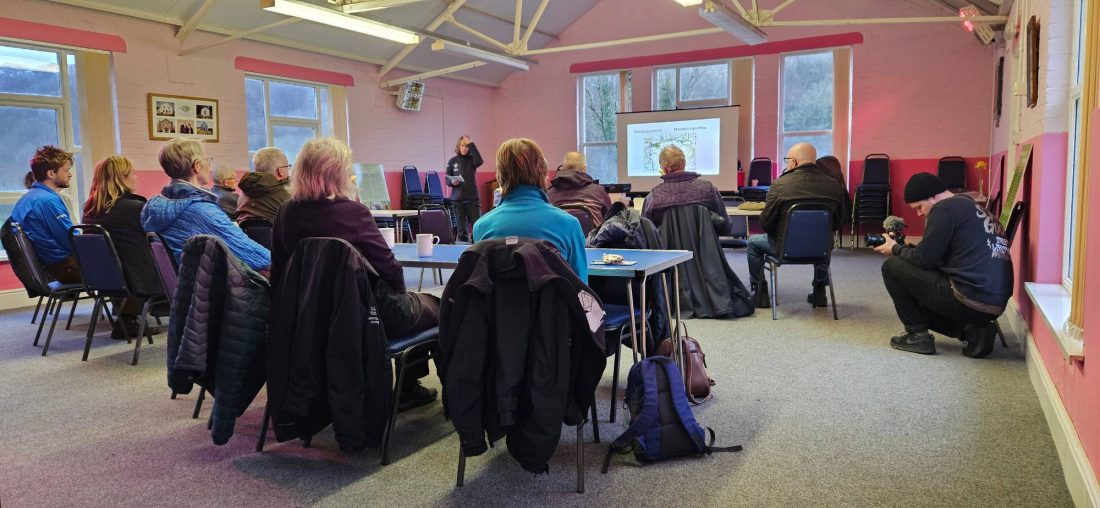
A CELEBRATION event was held on Saturday, January 24 in Cwm Gwaun to mark the achievements of Pembrokeshire Coast National Park Authority’s Cysylltu Natur 25×25 project, bringing together volunteers, farmers and staff involved in delivering nature restoration across North Pembrokeshire.
The landscape-scale project was funded by the Welsh Government through the Nature Networks Programme, delivered by the Heritage Fund. The Programme aims to strengthen ecological connectivity and resilience by restoring habitats at scale.
Those attending the event heard about the wide range of conservation activity delivered through the project across the north of the National Park. This has included practical works to restore grazing to Rhos pasture to benefit marsh fritillary butterflies and southern damselflies, specialist work to conserve rare lichens, volunteer chough, dormouse and harvest mouse monitoring, safeguarding greater horseshoe bat hibernation sites, and targeted action to tackle invasive species threatening important sites.
Volunteers, farmers, land managers and contractors played a vital role in the success of the project, contributing local knowledge, practical skills and ongoing commitment to caring for Pembrokeshire’s unique landscapes and wildlife in the long term.
Mary Chadwick, Conservation Officer for Pembrokeshire Coast National Park Authority, said: “Cysylltu Natur 25×25 has shown what can be achieved when farmers, volunteers and conservation specialists work together with a shared aim.
“From monitoring some of our most elusive species to restoring and protecting habitats, the dedication of everyone involved has made a real difference for nature across the National Park.”
Although the Cysylltu Natur 25×25 project is now coming to an end, the important work it has supported will continue. Building on its successes, Pembrokeshire Coast National Park Authority will carry this momentum forward through the next phase of nature recovery work under NNF4 Cysylltiadau Naturiol / Naturally Connected, ensuring ongoing protection and enhancement of habitats for future generations.

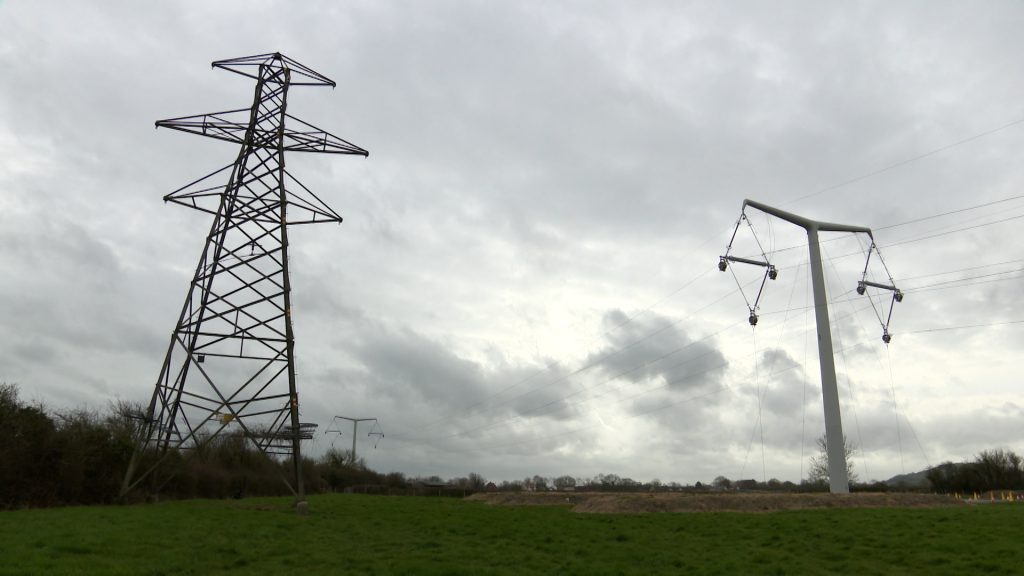
OVER three hundred Welsh farmers and landowners have been granted the right to legally challenge Green GEN Cymru’s ‘unlawful behaviour’ at the High Court.
The collective filed a judicial review application on behalf of the community groups, Justice for Wales and CPRW, on four separate grounds, including claims that the energy company has acted unlawfully and with disregard for biosecurity and the environment, while trying to gain access to private land to conduct surveys for three major overhead pylon routes.
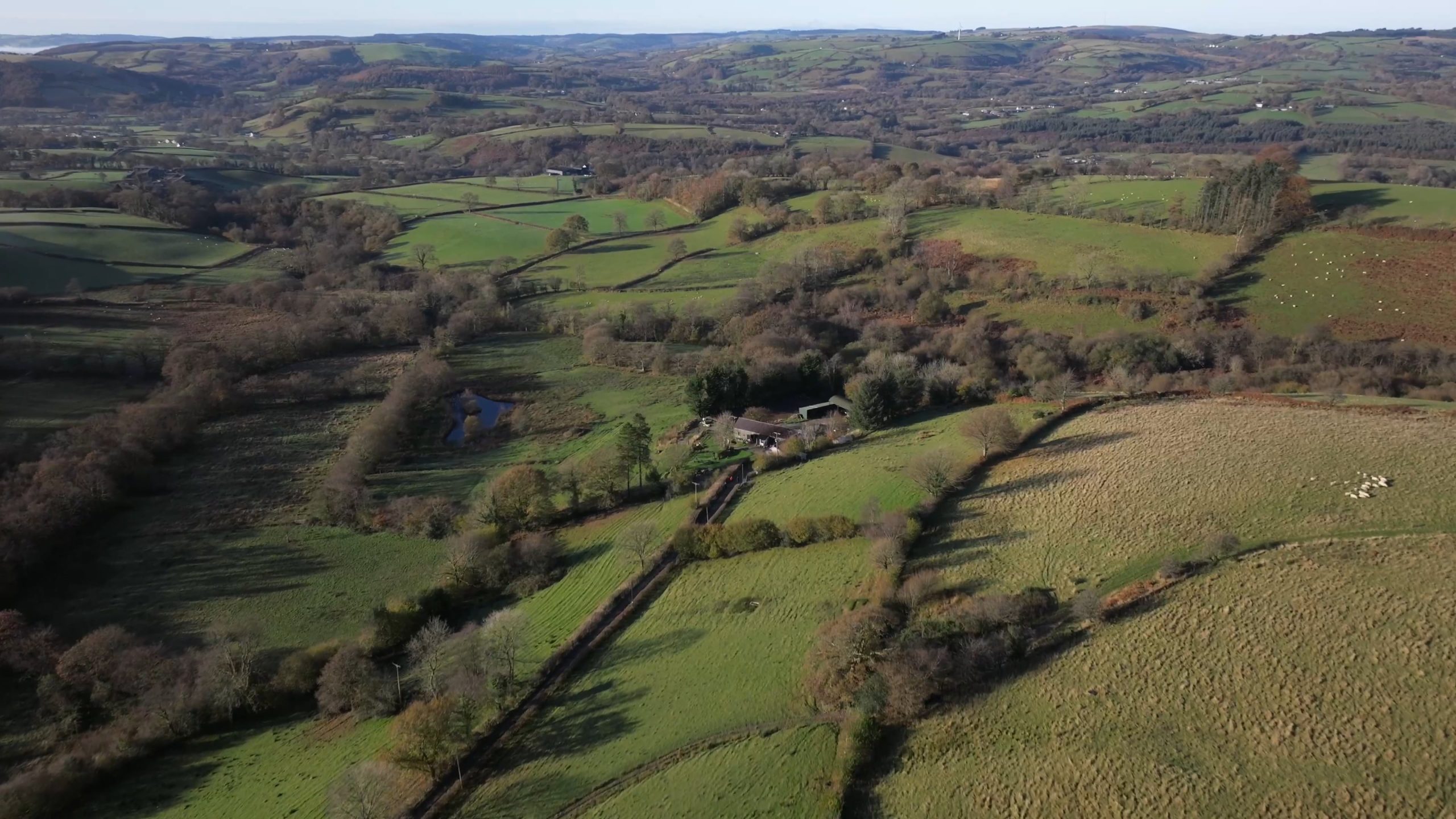
The proposal will see the energy infrastructure and pylons spanning 200 km across Powys, Ceredigion, Carmarthen, and Montgomeryshire in Wales and across the Welsh border into Shropshire, in the West Midlands of England.
Mrs Justice Jefford granted permission on four grounds – including abuse of power and procedural impropriety – during the three-and-a-half-hour hearing at Cardiff Civil Justice Centre on Tuesday, January 20.
A two-day hearing is expected to take place in April 2026, date to be confirmed.
The judge also accepted an undertaking from Green GEN Cymru that it would not enter land using s.172 powers – the right given to acquiring authorities to enter land to conduct surveys or valuations under the Housing and Planning Act 2016 – until an urgent interim relief application hearing can be held.
Natalie Barstow, founder of Justice for Wales, said: “This is a moment of vindication. For months, we have been left feeling unsafe in our own homes and stripped of our power as farmers and landowners.
“This is not a protest against renewable energy; this is about standing up for what is right. Our right to dignity and to have a voice, and for the future of our land, wildlife, and livelihoods.
“Since we began this battle, hundreds of other farmers and landowners across Wales have come forward with similar stories, and we’ve been supported by many generous donations to fund the legal challenge. We knew we weren’t alone in our concerns, but the response demonstrates it is a far wider issue than we initially feared, and why it is so important that Green GEN’s conduct and protocols are properly scrutinised.
“We said we will not be bullied into submission, and this judgment is just the first foot forward in our fight for justice.”
Mary Smith, a lawyer at New South Law, the law firm representing the impacted communities, said: “Holding acquiring authority status does not entitle a company to disregard the limits of its statutory powers or the rights of the people affected.
“The Court’s decision confirms that Green GEN Cymru must be held to the same legal standards as any other public body when exercising intrusive powers over private land. This case is about restoring fairness, accountability, and respect for the communities whose livelihoods and environments are at stake.”
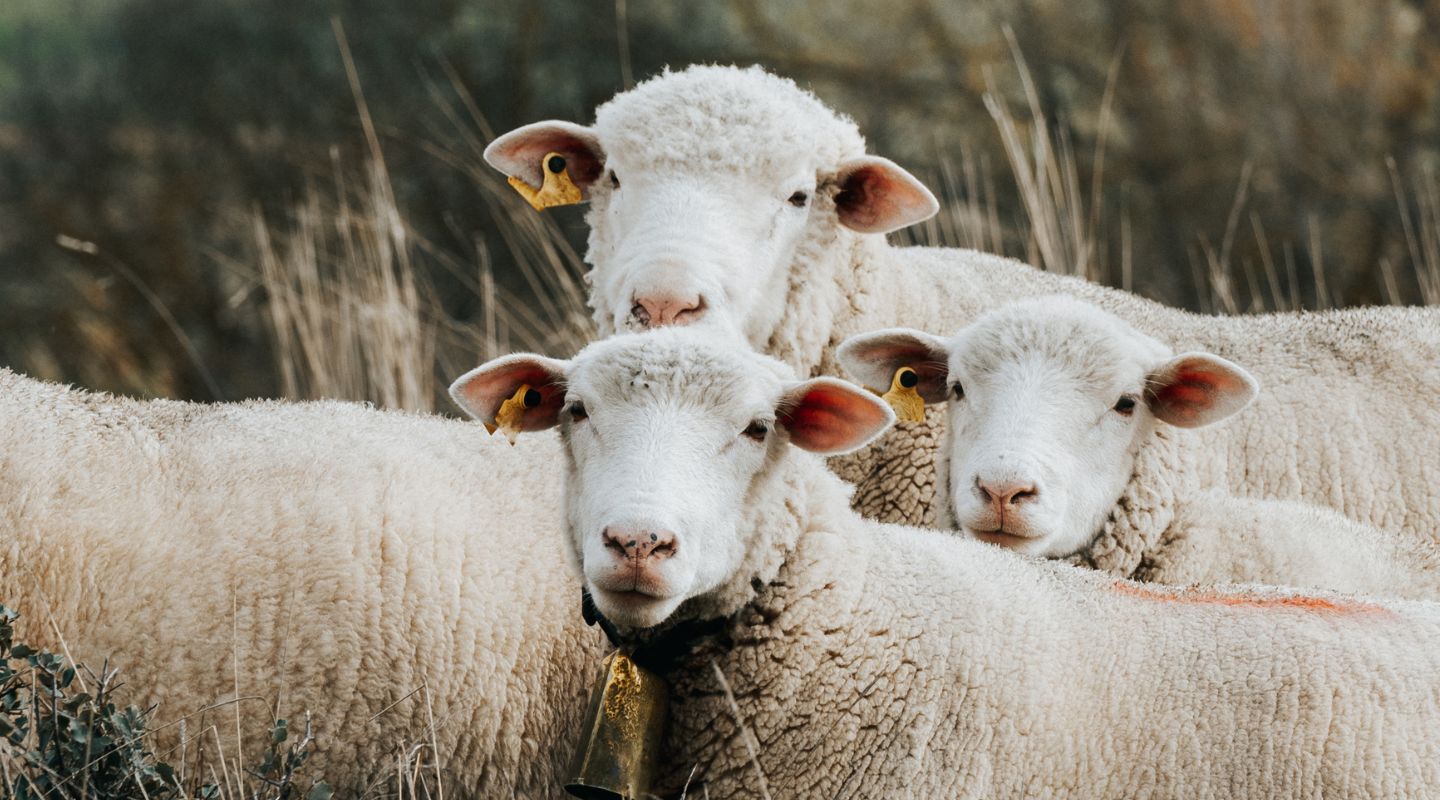
Mandatory carcass grading and price reporting will be required in slaughterhouses from Wednesday, January 28
WELSH sheep farmers are set to see new rules introduced next week aimed at making the lamb market fairer and more transparent.
From Wednesday (Jan 28), slaughterhouses in Wales will be required to classify sheep carcasses and report prices using a standardised system. The Welsh Government says the move will improve consistency in grading, make price information easier to compare, and help build confidence for farmers selling stock.
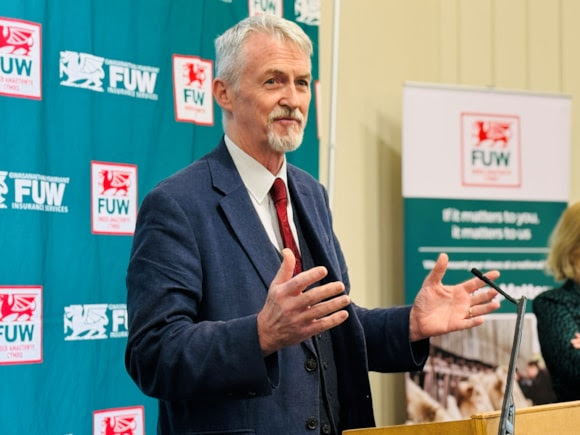
Deputy First Minister Huw Irranca-Davies announced the change during the Farmers’ Union of Wales (FUW) Farmhouse Breakfast event at the Norwegian Church in Cardiff.
He said the measures would support the industry by ensuring a consistent methodology for classifying carcasses in slaughterhouses, promoting transparency, fairness and productivity within the sheep market.
“Our iconic Welsh lamb is celebrated around the world for its outstanding quality and high production standards,” he said. “These measures will implement a consistent methodology for classifying sheep carcasses in slaughterhouses, promoting transparency, fairness, and increased productivity within the sheep market.”

The regulations bring the sheep sector into line with rules already used for beef and pork.
Hybu Cig Cymru – Meat Promotion Wales chief executive José Peralta said the changes would allow for greater data capture and analysis and improve transparency within the supply chain.
He said: “The new regulations, which now align with a similar position for cattle and pigs, will allow for greater data capture and analysis to be undertaken and support increased transparency within the sector. As a sector we must seek all opportunities for greater transparency within the supply chain to ensure that choices can be made from an informed position.”
The Welsh Government says the new approach is part of a wider UK framework, with similar arrangements already operating elsewhere.
During his address, the Deputy First Minister also pointed to further changes expected in 2026, including the planned introduction of the Sustainable Farming Scheme, which the Welsh Government describes as a new partnership between the people of Wales and farmers.
The scheme is intended to support the sustainable production of food while also responding to the climate and nature emergency.
The Welsh Government has also confirmed its commitment to financial support during the transition, with up to £238 million committed to the Universal layer and the legacy Basic Payment Scheme in 2026.
Deputy First Minister Huw Irranca-Davies said: “I would like to reiterate the Welsh Government’s commitment to supporting Welsh family farms, not just in the short term but also in the long run. Our goal is to prioritise stability for the farming industry, ensuring to balance this with sustainability at its very core.”
He added that supporting farmers through the change would be a priority, with consistent advice and support offered across the sector.
Building fairness within the agricultural supply chain remains a key Welsh Government priority, which it says is also integral to food security.



Crime3 hours ago
More rape and sexual assault survivors to get right to challenge dropped cases
New review scheme to be rolled out across CPS Cymru-Wales following successful pilot SURVIVORS of rape and serious sexual assault...

Crime22 hours ago
Man spared jail after admitting child abuse image offences
Police seized devices after intelligence linked Pembrokeshire address to illegal cloud storage accounts A 23-YEAR-OLD Pembrokeshire man has avoided immediate...

Community1 day ago
Cleddau at heart of major water reforms as ministers promise ‘fundamental reset’
New regulation plan aims to tackle pollution, sewage spills and ageing infrastructure COMMUNITIES along the River Cleddau could see tighter...


Crime1 day ago
Man caught in hotel sting after trying to meet girl, 13
Laugharne defendant confronted by paedophile hunters at St Clears Travelodge before suspended jail term at Swansea Crown Court A LAUGHARNE...


News1 day ago
Princess of Wales visits historic Pembrokeshire woollen mill
Catherine the Princess of Wales visited Melin Tregwynt, a historic family-owned woollen mill, today, highlighting the enduring traditions and skills...


Crime2 days ago
Arrest made after Carmarthen park stabbing investigation
Police thank community and media following public appeal to trace suspect AN ARREST has been made following last week’s stabbing...


Crime2 days ago
Search continues for attempted murder suspect after Carmarthen park stabbing
Police expand searches across riverbank and woodland as public urged to come forward with information DYFED-POWYS POLICE say their search for...

Community2 days ago
Flood alert issued for Pembrokeshire coast this evening
Pembrokeshire residents are being urged to prepare for possible flooding along the coastline between St Dogmaels, Cardigan and Amroth, after...


News2 days ago
Tributes paid to Pembroke Dock Councillor and former Mayor Pamela George
It is with great sadness that the Pembroke Dock community mourns the passing of Councillor Pamela George. Pamela, affectionately known...


Health3 days ago
Doctor struck off after sexual misconduct findings at Withybush Hospital
Tribunal history reveals medic was removed in 2012 for dishonesty before being allowed back to practise A DOCTOR accused of...
-
 Health6 days ago
Consultation reveals lack of public trust in health board
-

 Community7 days ago
Pembrokeshire students speak at national Holocaust Memorial Day event
-
News1 day ago
Princess of Wales visits historic Pembrokeshire woollen mill
-

 Crime5 days ago
Pembroke man accused of child sex offences sent to Swansea Crown Court
-
 Community6 days ago
Campaign to ‘save’ River Cleddau hits over 2,200 signatures
-
Health3 days ago
Doctor struck off after sexual misconduct findings at Withybush Hospital
-
 Crime7 days ago
Former soldier jailed for stalking police officer over past arrest
-

 News7 days ago
Welsh Conservatives push for reversal of 20mph limit and major road spending