


Health
Withybush woes as new consultation launched

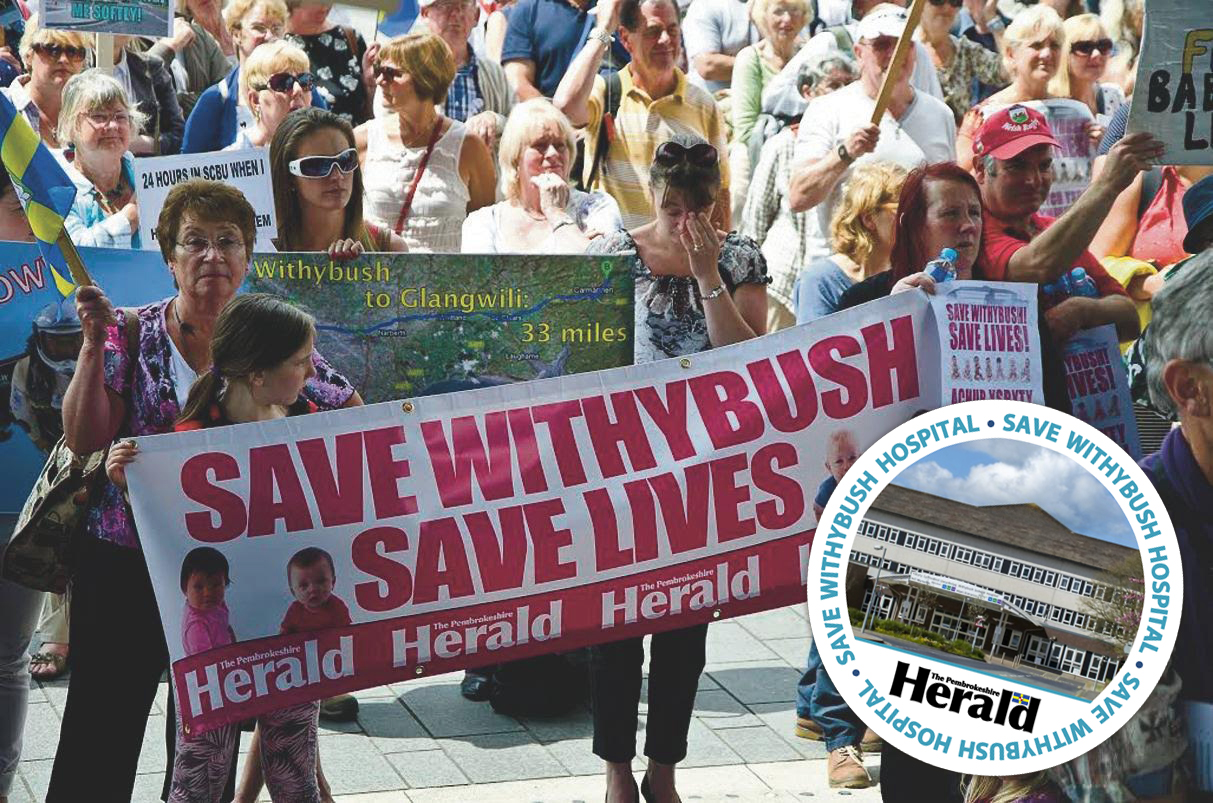
• Health Board says coronavirus has had a major impact on services • New hospital could be built between St Clears and Narberth
• It’s a similar plan which led to protests involving thousands of locals in 2018
MORE than 18,000 people have signed the petition opposing the decision to downgrade Withybush General Hospital, but that was three years ago, and it seems that the health board may have forgotten the locals’ anger.
The health board is launching a consultation exercise to “deliver on our long-term commitment for a healthier mid and west Wales”
Steve Moore, Chief Executive of Hywel Dda UHB, said: “The global pandemic has had a major impact on all areas of our lives so it’s crucial that the health board considers, reflects and learns from this extraordinary period. This engagement exercise will allow the public to tell us in their own words how COVID-19 has affected their health and care, and access to it.
“I would encourage as many people as possible to participate.”

Under similar proposals to those first unveiled in 2018 a new district general hospital would be built on the border between Carmarthenshire and Pembrokeshire providing A&E services, while in some of the options Carmarthen’s Glangwili hospital would also lose services, including A&E.
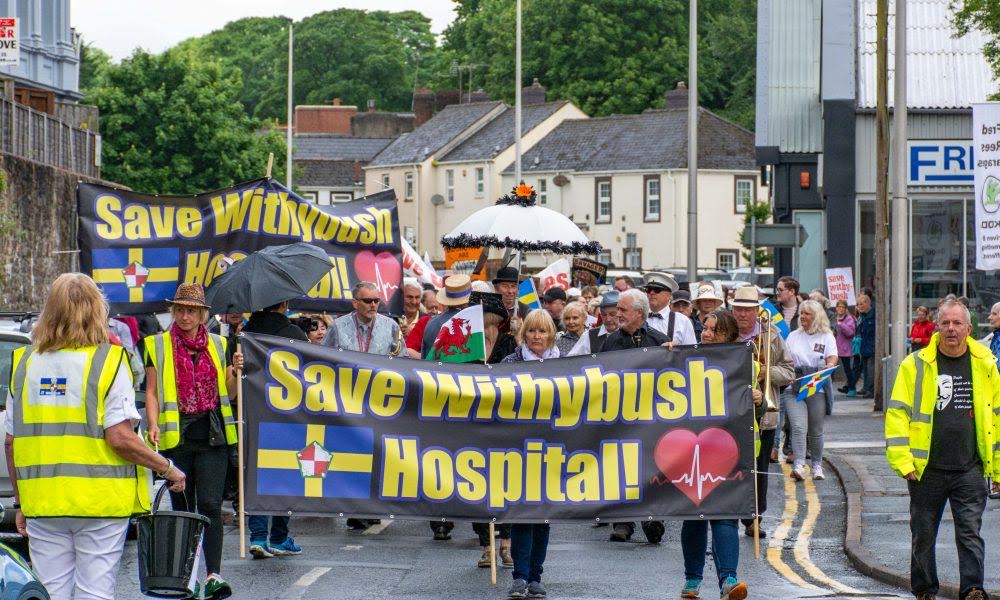
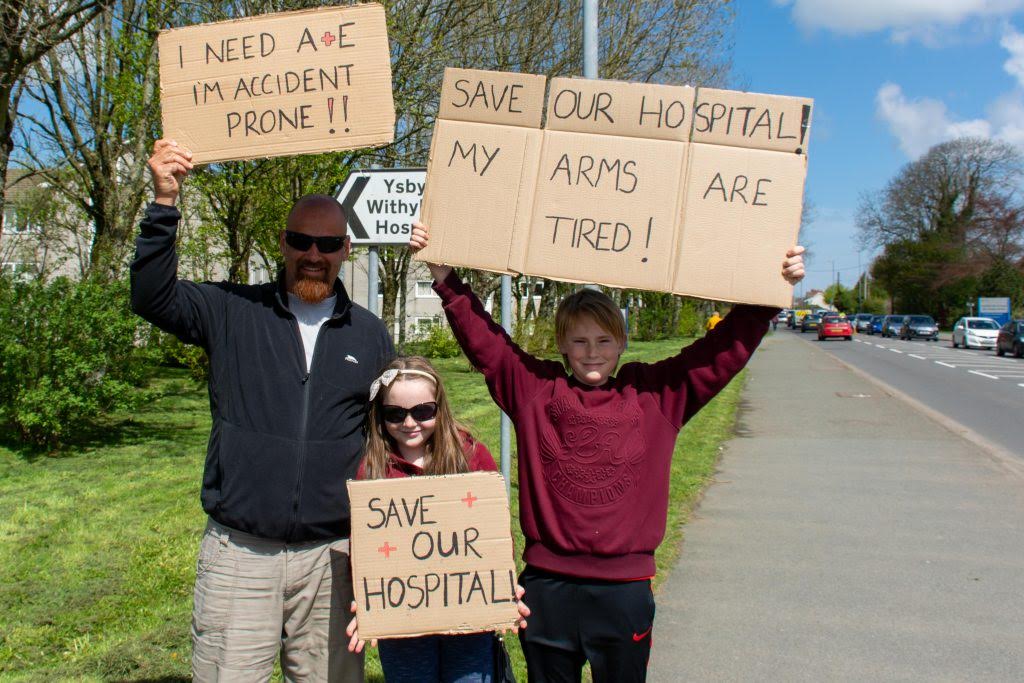
The people of Pembrokeshire protested. They protested outside the hospital, they marched through Town, they took their placards to the Senedd.
There was no one, it seemed, who wanted a new super hospital ‘up the line’.
Ten months ago, the First Minister and Health Minister of Wales were united in their decision not to offer any reassurances to the safeguarding of A&E services at Withybush Hospital.

With the July 2020 u-turn of Cwm Taff health board not to remove services at Royal Glamorgan Hospital, the ministers have come under pressure to offer reassurances to the future of Withybush services.
Mark Drakeford said last summer that the decision was down to local health boards, with Vaughan Gething, Health Minister taking a similar stance.
Withybush has already seen the downgrade to its maternity services, with it now being a mostly daytime service with expectant mums with pregnancy complications or those giving birth after 5pm mostly having to travel across the border into Carmarthenshire to give birth. Other departments have also been shrunk on what locals call “a salami slicing away of local services”

Speaking at a Plenary last year Vaughan Gething, was asked by Pembrokeshire MS Paul Davies, the Welsh Government’s position on the delivery of A&E services at Pembrokeshire and if they would remain at Withybush.
Mr Davies said: “You’ll be aware, there is a strong campaign to retain A&E services at Withybush General Hospital.
“Given the recent news that Cwm Taff health board has decided to retain A&E services at The Royal Glamorgan Hospital, the people of Pembrokeshire are now looking at that decision and, quite rightly, asking for the same safeguards.”
The Health Minister said that the decision to overturn the removal of services at Royal Glamorgan Hospital, was made after they were able to recruit more staff which would help them safely deliver that service. Recruitment problems have often been cited as a key problem at Withybush Hospital in recent years.
Mr Gething said, “The member will also know, over a long period of time, the challenges that have been faced in delivering healthcare across Wales and the plans for the future delivery of healthcare.”
He added “The health board is now planning for the continued provision of essential and key services alongside caring for patients affected by Covid-19.”
However, although the Welsh Government is desperately trying to distance itself from its unpopular decisions on local health provision, the buck stops with it.
In November 2018 hundreds of people took to the streets to oppose the downgrading of Withybush. But now it is clear that the plan of a new hospital further away from Pembrokeshire’s population centres and industrial complexes is still on the cards.
Surprisingly, the exact cost of the new hospital, and its exact location, is yet to be determined but the health board is hoping to finalise a ‘programme business case’ in the coming weeks which will then be submitted to the Welsh Government this summer.
A full business case can be signed off by March 2024, The Pembrokeshire Herald understands.
The health board has said the plan to reshape the way people receive medical treatment in west Wales is part of the “ongoing process” that is now under way with an engagement exercise running until June 21.
According to a new eight-page document published by Hywel Dda entitled ‘Building a Healthier Future After Covid-19’ the pandemic has been a “big challenge” which created an “extremely difficult” period.
The document, seen by The Pembrokeshire Herald, states: “We are progressing plans for a new hospital in the south of the area, somewhere between and including the towns of St Clears, Carmarthenshire, and Narberth, Pembrokeshire. At this early stage, we would welcome site nominations you may have and your views on how we compare possible sites.”
The health board is inviting people’s opinions on a post-Covid future in general and how healthcare is provided across the region today and in the future – pointing out that health and wellbeing centres have been opened in Aberaeron and Cardigan while plans are in the pipeline for similar facilities in Llanelli and Cross Hands.
While many aspects remain uncertain at this stage one thing that has been decided is that the new hospital is to be built between St Clears and Narberth because “this location is the most central to most of the population in the south of the Hywel Dda area”. The site will also have at least 35 acres of “developable land” with “appropriate transport infrastructure”.
A spokesman for the health board said: “The new hospital will be our main site for the network of all our hospitals, providing both urgent and planned care. It will enable us to have more consultants in permanent posts being available more of the time and specialising in areas of care. Consultant-led services will be available 24-hours a day seven days a week.
“We will provide rapid access to specialist assessment and treatment, discharging people as soon as possible so they can receive rehabilitation closer to home. Emergency and unplanned care will be provided in a different building to planned care therefore avoiding the disruption or delay that can occur from high volumes of emergency cases.”
The public is also being asked to nominate sites for a new hospital based on four criteria: (1) The nominated site must be within the zone between and including St Clears in Carmarthenshire and Narberth in Pembrokeshire. This location is the most central to most of the population in the south of the Hywel Dda area. (2) The nominated site should be a minimum of 35 acres of reasonably developable land. (3) The nominated site should have realistic prospects of obtaining planning permission for a new hospital. (4) There should be appropriate transport infrastructure for a major hospital site.
The health board said: “Anyone can have their say on the plans by emailing the health board at [email protected] or by calling 01554 899056.”










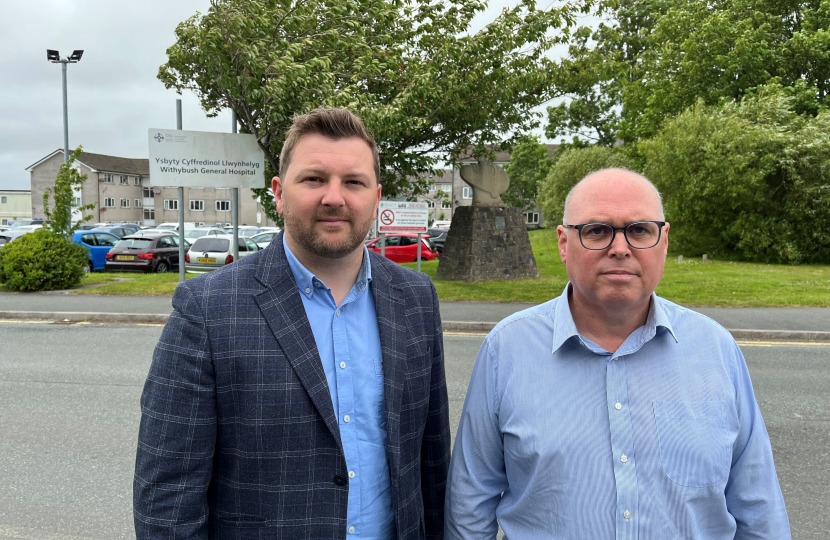
Concerns grow over Withybush services as ministers insist decisions rest with health board
THE WELSH GOVERNMENT has been accused of “ducking responsibility” and “hiding behind an unelected health board” amid growing concern over proposed NHS service changes in west Wales.
Samuel Kurtz MS and Paul Davies MS have criticised ministers following a formal response to their joint letter raising alarm about plans linked to Hywel Dda University Health Board’s Clinical Services Plan (CSP), which was approved at an extraordinary meeting in February.
The plan outlines significant changes to how services are delivered across the region, with implementation expected to begin in the next Senedd term and continue over several years.
In a reply dated March 26, Cabinet Secretary for Health and Social Care Jeremy Miles confirmed that responsibility for planning and delivering NHS services lies with local health boards, adding that decisions on the CSP “rest with the health board.”
He also sought to reassure concerns about Withybush Hospital, stating that emergency department services were not included in the CSP decision.

However, the response has drawn sharp criticism from local politicians, who argue that the Welsh Government cannot distance itself from decisions affecting frontline care.
Paul Davies said: “This response is deeply disappointing but sadly not surprising. The Welsh Government is once again trying to pass the buck and avoid accountability by hiding behind an unelected health board.
“Let’s be absolutely clear – health boards are not independent actors. They are created, funded and directed by the Welsh Government. Ministers cannot wash their hands of decisions that will have such a profound impact on communities across west Wales.”
Samuel Kurtz echoed those concerns, warning that public confidence is being eroded.

“People in Pembrokeshire are rightly concerned about what these changes mean for local services, particularly at Withybush Hospital,” he said.
“Attempting to suggest that key services like the emergency department sit outside of these plans will do little to reassure the public, when we have seen services hollowed out and destabilised over the last decade.
“The Welsh Government must stop hiding behind process and start taking responsibility for the future of healthcare in our communities.”

The Herald understands that concerns remain widespread among residents and campaigners, particularly over the long-term future of hospital services in Pembrokeshire, with fears that centralisation could lead to longer travel times for urgent care.
Hywel Dda University Health Board has previously said the changes are designed to improve safety, sustainability and outcomes for patients, but the proposals continue to generate strong local opposition.

Concerns raised over phone-based support replacing GP referrals
ADULTS seeking routine mental health support in west Wales will increasingly be directed to a telephone helpline instead of face-to-face services, following a major decision by Hywel Dda University Health Board.
The Health Board has approved a permanent change to how patients in Ceredigion access support, with plans to roll out the same system across Pembrokeshire and Carmarthenshire in phases.
Under the new pathway, patients assessed by their GP as needing non-urgent mental health support will be told to contact the NHS 111 Wales “Press 2” service, rather than being referred to community mental health teams.
The change was first introduced in Ceredigion in March 2025 as an emergency response to staff shortages.
Health chiefs now say the model has proven “safe and effective,” claiming it allows patients to receive quicker support while freeing up specialist teams to deal with more serious cases.
Liz Carroll, the Health Board’s Service Director for Mental Health and Learning Disabilities, said: “Making this change permanent will mean more adults needing non-urgent support will access help much quicker.”
She added that the move would also create capacity for those with “more complex or urgent mental health needs.”
Concerns over access and understanding
Despite the positive assessment, the decision follows a nine-week consultation in which concerns were raised by patients and professionals.
Feedback highlighted confusion about how the 111 Press 2 service works, what support it can offer, and its limitations.
There were also worries about accessibility for people who struggle with telephone-based services, as well as questions around medication and prescribing.
Andrew Carruthers, Chief Operating Officer at the Health Board, acknowledged the concerns.
He said: “People told us they wanted greater clarity and consistency… and highlighted gaps in understanding about 111 Press 2.”
He added that steps would be taken to improve awareness and build trust as the system is rolled out more widely.
Shift driven by pressure on services
Before the change, some patients in Ceredigion faced waits of up to 28 days or more for a face-to-face assessment.
However, data suggested that fewer than five per cent of those referred required that level of specialist input.
Health officials say diverting less urgent cases to the 111 service has improved access times and allowed community mental health teams to prioritise higher-risk patients.
The Health Board also confirmed there has been no increase in serious incidents or complaints linked to the temporary system.
What it means for Pembrokeshire
The phased rollout means patients in Pembrokeshire will soon see similar changes when seeking help for non-urgent mental health issues.
GPs will still be able to refer patients directly to specialist teams where cases are urgent or complex.
The NHS 111 Wales Press 2 service operates 24 hours a day and offers free access to mental health support, including Welsh-language provision.
However, the shift marks a significant move away from traditional GP-led referrals — and is likely to prompt debate over whether remote access can fully replace in-person care.

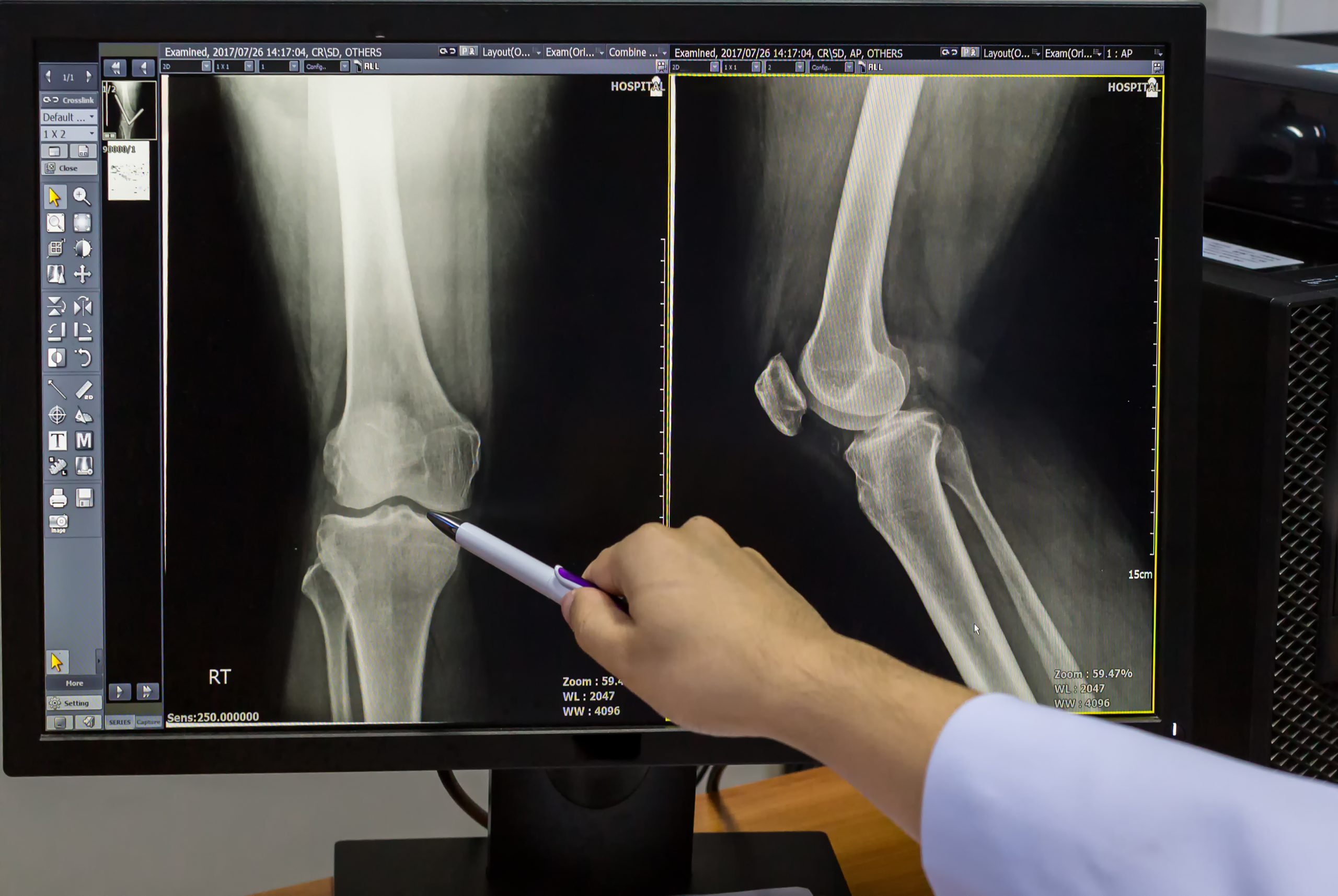
Falling GP numbers and funding gaps blamed for worsening hospital delays
THE NHS crisis highlighted earlier this week is being driven in part by a deepening shortage of GP services, a new Senedd report has revealed.
As previously reported by The Herald, politicians have raised serious concerns about mounting pressure on hospitals, long waits in A&E, and the growing strain on frontline services. Now, a report published on Friday (Mar 27) by the Senedd’s Health and Social Care Committee points to the root of the problem — a weakening primary care system.
The Committee warns that without urgent investment in GP services and preventative care, demand across the NHS will continue to rise beyond capacity.
Sharp decline in GP practices
The report highlights a long-term fall in the number of GP practices across Wales.
In 2002, there were 516 practices operating nationwide. By the start of the pandemic in 2020, that number had dropped to 404. Today, just 374 remain.
The decline has been felt most acutely in rural areas, including west Wales, where fewer practices are now expected to serve growing populations with increasingly complex health needs.
The result, the report suggests, is more patients turning to already overstretched hospital services.
Funding model under pressure
Despite Welsh Government commitments to prioritise community healthcare, the Committee heard evidence that funding has not kept pace with demand.
Concerns were also raised about the current funding formula used for GP practices, which critics say fails to properly reflect deprivation, illness levels and the challenges of delivering care in rural areas.
Without reform, the Committee warns that general practice risks becoming unsustainable, with inequalities in access likely to widen.
Access frustration growing
Patients across Wales continue to face difficulties accessing GP appointments, with the so-called “8:00am scramble” remaining a major source of frustration.
Older patients, those in work, and people with caring responsibilities are among those most affected.
The report also points to concerns about reduced continuity of care and shorter appointment times, contributing to declining public confidence in GP services.
Hospitals feeling the strain
The findings reinforce concerns raised earlier this week about pressure on emergency departments and delays in care.
By failing to invest sufficiently in primary and preventative services, the report suggests more patients are reaching crisis point — increasing demand for hospital treatment that could otherwise have been avoided.
Call for urgent action
The Committee is calling on the Welsh Government to shift more healthcare services into the community, backed by sustained investment and reform of the funding system.
Committee chair Peter Fox said: “General practice and primary care are the cornerstone of our NHS.
“If we are to ease the growing pressures across the whole health system, we must ensure people can access services closer to home and receive treatment earlier.”
Healthcare leaders, including the British Medical Association and the Royal College of General Practitioners, have also warned that without decisive action, GP services will continue to deteriorate.
The report concludes that unless primary care is strengthened, pressure on hospitals will continue to grow — leaving patients facing longer waits and reduced access to treatment.



Charity9 hours ago
Milford Haven charity honoured with King’s Award for voluntary service
A PEMBROKESHIRE charity supporting vulnerable young people has received one of the highest honours in the UK for voluntary work....


News1 day ago
Plaid Cymru launches bid to lead next Welsh Government
Party positions itself as ‘government-in-waiting’ ahead of May election PLAID CYMRU has formally launched its campaign for the 2026 Senedd...


Crime1 day ago
Police appeal after attempted child abduction in Haverfordwest
DYFED-POWYS POLICE has launched an appeal for witnesses following a reported attempted abduction of a 12-year-old girl in Haverfordwest. The...

Crime2 days ago
Gunshot fired by police during incident in Milford Haven
A POLICE officer discharged a firearm during an incident in Milford Haven on Saturday evening (March 28), prompting an investigation...


Community3 days ago
Three Amigos Easter Run roars through Pembrokeshire
MOTORCYCLE enthusiasts turned out in force today (Saturday, March 28) as the popular Three Amigos Easter Run returned to the...

Education4 days ago
Ysgol Henry Tudor reassures parents over Sikh ceremonial kirpan
School says religious item worn by pupil is secured, symbolic and non-functional YSGOL HENRY TUDOR has moved to reassure parents...

Crime5 days ago
Teen jailed after starting fire while others slept
Fire set in shared home left sleeping residents at risk and caused £130,000 damage A TEENAGER who started a fire...

Health5 days ago
GP crisis driving NHS pressure in Wales, Senedd report warns
Falling GP numbers and funding gaps blamed for worsening hospital delays THE NHS crisis highlighted earlier this week is being...


News6 days ago
Reform reveals west Wales candidates for Senedd battle
Monkton councillor tops Pembrokeshire list as party confirms Carmarthenshire names and includes Haverfordwest councillor in unwinnable Swansea spot REFORM UK...

Health6 days ago
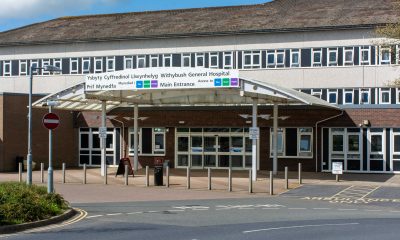
Clash over Withybush Hospital services as Paul Davies challenges First Minister
A HEATED exchange in the Senedd has laid bare growing tensions over the future of hospital services in west Wales....
-
 News6 days ago
Welsh Government outlines progress on flood resilience plans
-

 Community5 days ago
Hero female officer keeps job after sexual touching finding
-
Education4 days ago
Ysgol Henry Tudor reassures parents over Sikh ceremonial kirpan
-

 Business5 days ago
Popular Italian restaurant hit with £278,000 tax bill plus £186,000 fine
-
Health6 days ago
Clash over Withybush Hospital services as Paul Davies challenges First Minister
-

 Crime6 days ago
Hakin motorist banned after drink-drive crash
-

 Sport6 days ago
Record-breaking disability swim gala celebrates success in Fishguard
-

 Health6 days ago
Doctors say Wales is failing to value NHS staff over new pay award