


News
Urgent call to secure Pembrokeshire’s village halls

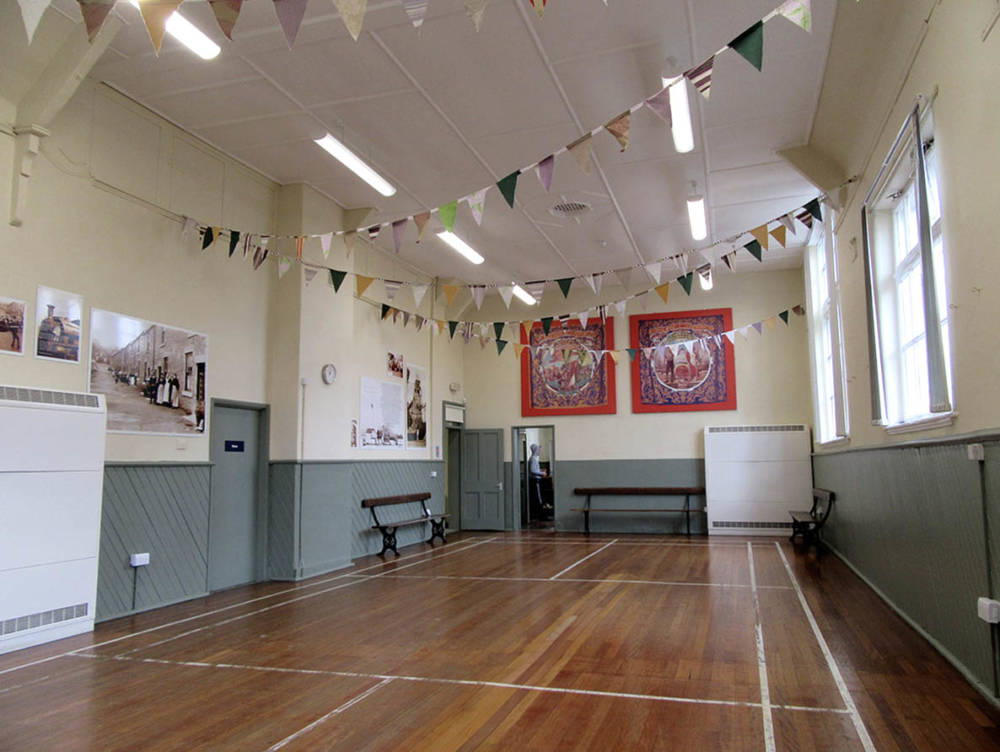
IN AN ERA marked by evolving community dynamics and changing societal needs, village and community halls across Pembrokeshire have developed into central hubs for an ever-growing variety of activities. In addition to the traditional group meetings, toddler groups and pantomimes, these spaces now foster the growth of small enterprises, facilitate community engagement, and house community businesses, such as post offices, cafes, and libraries.
However, the threat to their continued success lies in the balance as the addition of activities and changes in purpose bring new risks that may invalidate their insurance coverage.
Ansvar, the expert insurers for the charity and not-for-profit sectors, are urging centre committees to verify the adequacy of their existing protective coverage to guarantee the protection of these venues for future use.

There are approximately 10,000 halls across Wales and England that host around 90,000 events and celebrations every year. With 25% of these halls and centres being built before World War I and approximately 600 built to commemorate it, many have been vital community spaces for over 100 years, so the varying usage agreements and quality of provisions and building materials differ considerably across the country. As such, they can face various risks, from accidental damage and fire hazards to potential liability claims.
Adam Tier, Head of Underwriting at Ansvar, emphasises the importance:

“Village and community halls are no longer limited to being mere event venues; they have seamlessly woven themselves into the fabric of everyday life. From hosting yoga classes and farmers’ markets to providing space for personal trainers, art workshops and post offices, these halls have become the lifeblood of community interaction. This evolution has created vibrant ecosystems where entrepreneurs can thrive, neighbours can connect, and shared resources can flourish.
“Indeed, by acting as vaccination centres during the Covid-19 pandemic and, due to the current cost of living crisis, as places families can go to receive emergency food provision, their importance to a community has been reaffirmed. The transformation of village and community halls into multi-purpose hubs is a heartwarming reflection of communities adapting to changing times. However, this also calls for a reassessment of the protective measures in place.”
Due to recent inflationary pressures and the rapid increase in the cost of materials, a significant number of village halls and community centres will now be underinsured. Adam Tier added:
“Being underinsured can have devastating consequences in the event of a large loss or significant damage to these buildings, where policyholders are forced to find the shortfall to reinstate the property. These delays in getting back up and running, or in severe cases back open at all, can leave a big hole in the local community. Therefore, it is imperative that a buildings valuation is regularly updated and contents and other items are frequently inventoried.
“We understand the immense value community halls hold and want to ensure they are protected. Without adequate coverage, these community spaces and the clubs and local businesses they support can face significant financial strain or even closure. Working with a specialist insurer will ensure that the essence of what makes these community spaces thrive is preserved. They will understand the unique challenges community-driven initiatives face and provide tailored coverage to address those needs, ensuring peace of mind for community organisers and members.”



A 35-YEAR-OLD man stole almost £800 worth of goods from Tesco Extra in Haverfordwest to fund his alcohol and gambling addictions, a court has heard.
Five thefts from same store
Luke Brunton, 35, visited the store on five separate occasions between February and May 2025, taking items including pillows, duvets, Lego sets, Pokémon cards, alcohol, crisps and a saucepan set.
The first theft took place on February 27, when Brunton stole four packs of pillows, a double duvet, a cool pillow, a cuddle cushion, a Batman Lego set and a BMW Lego set, worth £167.50.
On March 1 he returned and stole Pokémon cards valued at £144. Three days later, he stole Baileys, vodka, Jack Daniel’s, three pillows, crisps and a saucepan set, worth £192.69.
The final offence took place on May 21, when Brunton again stole alcohol, pillows and toilet roll. The value of those items was not given to the court.
Addictions reduced
Brunton, of St Lawrence Close, Hakin, Milford Haven, appeared before Haverfordwest magistrates this week, where he pleaded guilty to five charges of theft.
The court was told the offences also breached a conditional discharge imposed by Kent Court for previous theft matters.
His solicitor, Michael Kelleher, said: “At the time, he was drinking to excess and was also gambling to excess.
“The shoplifts funded those habits, both of which were addictions.”
Mr Kelleher said Brunton’s drinking and gambling had significantly reduced since the offending.
Brunton was sentenced to a 24-month community order. He must complete 15 rehabilitation activity requirement days and 66 hours of unpaid work.
He must also pay £761.79 compensation to Tesco, a £114 surcharge and £85 costs.


Driver was heading home after visiting former girlfriend when police stopped him on the A477
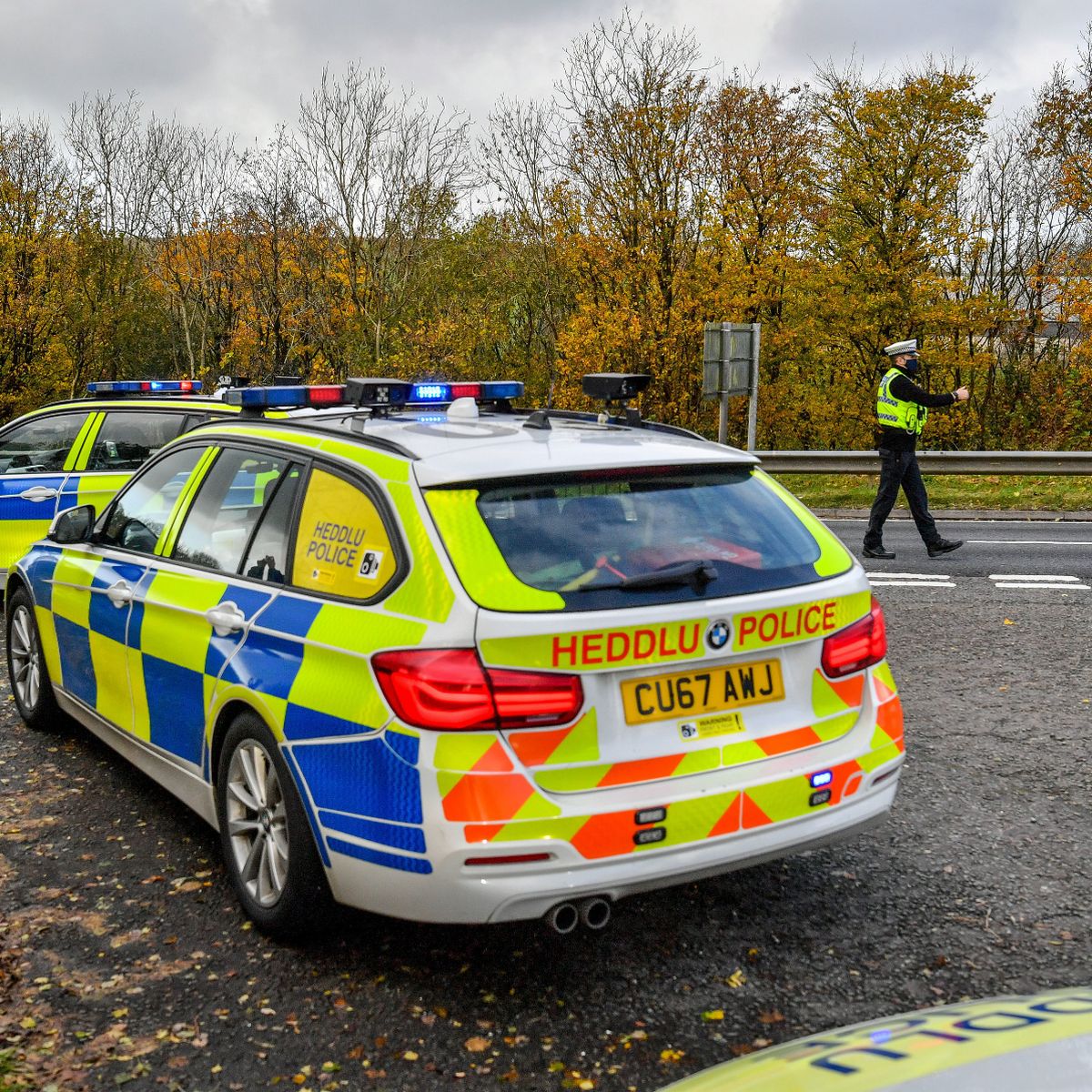
A WEST London motorist has been banned after being caught driving on the A477 in Broadmoor with a cocaine metabolite and cannabis in his system.
Danny Small, 32, was stopped by police carrying out routine checks at around 11:30am on January 28.
After providing a positive roadside drug swipe, Small was taken to a police station, where blood tests showed he had 157mcg of benzoylecgonine in his system. The legal limit is 50mcg.
He also had 2.9mcg of Delta-9 tetrahydrocannabinol in his system. The legal limit is 2mcg.
Small, of Little London Close, Uxbridge, appeared before Haverfordwest Magistrates’ Court this week, where he pleaded guilty to two drug-driving offences.
Probation officer Julie Norman told the bench that Small had been visiting his former girlfriend in Pembrokeshire and was driving home to Uxbridge at the time of the offence.
Ms Norman said Small was a regular cannabis and cocaine user.
“This helps treat his undiagnosed ADHD,” she said.
“He didn’t think the drugs would still have been in his system, as he’d consumed the drugs several days earlier. But drugs can often remain in the system for several weeks.”
Small was sentenced to a 12-month community order, during which he must complete 15 rehabilitation activity requirement days.
He was fined £80 and ordered to pay a £114 court surcharge and £85 costs. He was disqualified from driving for 15 months.
Driver was heading home after visiting former girlfriend when police stopped him on the A477
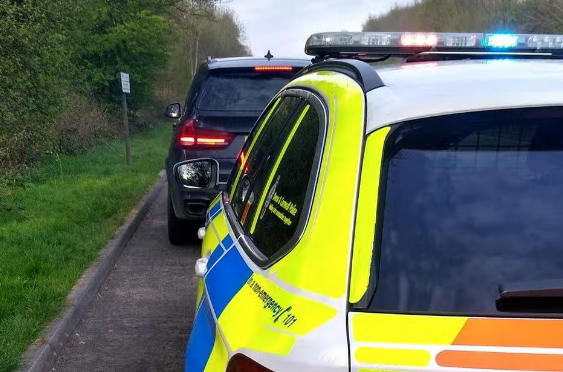
A WEST London motorist has been banned after being caught driving on the A477 in Broadmoor with a cocaine metabolite and cannabis in his system.
Danny Small, 32, was stopped by police carrying out routine checks at around 11:30am on January 28.
After providing a positive roadside drug swipe, Small was taken to a police station, where blood tests showed he had 157mcg of benzoylecgonine in his system. The legal limit is 50mcg.
He also had 2.9mcg of Delta-9 tetrahydrocannabinol in his system. The legal limit is 2mcg.
Small, of Little London Close, Uxbridge, appeared before Haverfordwest Magistrates’ Court this week, where he pleaded guilty to two drug-driving offences.
Probation officer Julie Norman told the bench that Small had been visiting his former girlfriend in Pembrokeshire and was driving home to Uxbridge at the time of the offence.
Ms Norman said Small was a regular cannabis and cocaine user.
“This helps treat his undiagnosed ADHD,” she said.
“He didn’t think the drugs would still have been in his system, as he’d consumed the drugs several days earlier. But drugs can often remain in the system for several weeks.”
Small was sentenced to a 12-month community order, during which he must complete 15 rehabilitation activity requirement days.
He was fined £80 and ordered to pay a £114 court surcharge and £85 costs. He was disqualified from driving for 15 months.



Community15 hours ago
Manorbier fire scandal: Council’s payout just £63,777 after school destroyed
PEMBROKESHIRE COUNTY COUNCIL has accepted an insurance settlement which leaves it with just £63,777.07 after the catastrophic fire which destroyed...


News24 hours ago
Bus overturns in major incident near Kidwelly
All passengers rescued as emergency services remain at scene A BUS overturned on the A484 between Kidwelly and Ferryside on...


Community2 days ago
Tenby Summer Spectacular cancelled amid council row over harbour access
Organisers say popular charity events cannot safely go ahead without clear powers to control crowds TENBY ROUND TABLE has announced...


News2 days ago
Motorcyclist dies after four-vehicle crash on A40 in Carmarthenshire
A MOTORCYCLIST has died following a four-vehicle collision on the A40 between St Clears and Whitland. Dyfed-Powys Police said the...


News2 days ago
Rhun ap Iorwerth urges new deal for Wales after Starmer quits
First Minister says next Prime Minister must focus on greater powers, fair funding and respect for Wales’ democratic mandate FIRST...


News2 days ago
How Labour’s landslide victory unravelled in just two years
Prime Minister announces resignation after losing support within his own party as Andy Burnham emerges as overwhelming favourite to take...


News3 days ago
Long Course Weekend set to bring thousands to Pembrokeshire
Three days of swimming, cycling and running will once again transform Tenby into one of the UK’s biggest endurance sporting...


Community3 days ago
The gentle giant behind the tattoos
Pembrokeshire security worker Josh Davies praised for professionalism, kindness and proving first impressions can be wrong JOSH Davies is hard...


Charity4 days ago
Toy Story fans fill charity toy box at Haverfordwest cinema
Donations pour in for SNAP Specialist Play as families embrace Toy Story 5 launch A TOY STORY-themed charity appeal at...


Community4 days ago
Lord Rhys emerges from the mist in St Davids
Giant puppet begins historic journey marking 850 years since the first Eisteddfod MIST swirled around St Davids Cathedral on Friday...
-

 Crime6 days ago
Milford Haven man jailed for breaching domestic violence protection order
-

 News6 days ago
Crash on Freeman’s Way causes school-run chaos across Haverfordwest
-

 Health4 days ago
Woman jailed assaults on police, harassment and XL Bully possession
-

 Crime4 days ago
Milford Haven woman spared jail despite string of shop thefts
-
 Crime6 days ago
Portfield Gate man faces careless driving allegation after Tufton crash
-
Community3 days ago
The gentle giant behind the tattoos
-

 Local Government6 days ago
Pembrokeshire faces accessible housing shortage as 403 people wait for homes
-

 News7 days ago
Brexit at 10: How Britain was sold a dream that cost us dearly