


Health
BMA pay disputes – Junior Doctors, Consultants and Specialist Doctors


THE WELSH Government and BMA Wales’ three national committees representing consultants, SAS doctors and junior doctors have today agreed to formal negotiations about pay.
Planned industrial action will be suspended during the negotiations.
A mandate is being developed for the talks with all three BMA branches of practice with the aim of resolving the disputes over pay for 2023-24.
In the context of the most challenging financial position the Welsh Government has faced since devolution, a significant amount of work has been undertaken to identify funding to support the negotiations.
First Minister Vaughan Gething said: “We recognise the strength of feeling among BMA members and that industrial action is never taken lightly.

“This is a government that listens and engages to find solutions. I prioritised a meeting with the BMA directly alongside the Cabinet Secretary for Health to reinforce our commitment to that partnership approach.
“We currently face the most severe financial situation in the devolution era which makes our task far harder. Despite this backdrop, we have worked to identify a way forward that I hope will lead to the successful resolution of this dispute and ensure that doctors can return to work in NHS Wales.”
Cabinet Secretary for Health Eluned Morgan added: “Even in these very challenging circumstances, we have worked in social partnership with the BMA and NHS to maintain patent safety during industrial action.
“But the strikes have been very disruptive to the delivery of NHS services – none of us want to see doctors on strike. I am pleased the three BMA committees have agreed to pause further industrial action and begin formal talks with Welsh Government and hope we can bring an end to this dispute.”



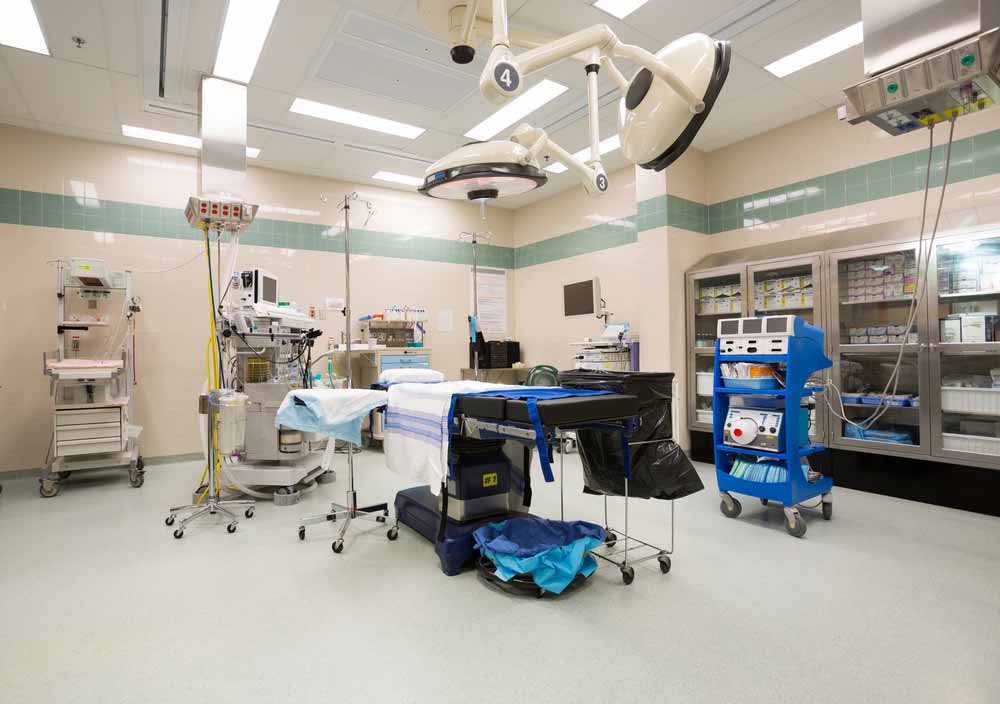
Senedd election promises collide with the harsh reality of ageing hospitals, fire safety concerns and a maintenance crisis stretching across the country
WALES’ NHS is facing a repair and maintenance crisis of almost £1bn, with some of the country’s biggest hospitals burdened by ageing buildings, serious safety concerns and growing pressure on already stretched budgets.
New figures covering 210 NHS sites show that the backlog of work classed as high risk or significant risk has now reached £917m — up 71% in just four years.
The data, published for 2024-25 by NHS Wales Shared Services Partnership, shows more than £616m of the total relates to serious problems at 12 of Wales’ 13 main hospitals.
Ysbyty Gwynedd has the biggest backlog of high and significant risk repairs at £110.5m, followed closely by University Hospital of Wales in Cardiff, where the figure stands at £106.8m.
The scale of the problem is not just financial. Three hospitals — Bronglais, Prince Philip and Ysbyty Gwynedd — have 40% or more of their space rated as not fire safety compliant. At Ysbyty Gwynedd, 35% of space is also not regarded as health and safety compliant.
Aging estate
The figures highlight the deep-rooted problem of an ageing NHS estate across Wales.
More than 30 NHS sites have buildings where over half the estate predates the creation of the NHS in 1948. Another 17 sites, including University Hospital of Wales and Bronglais Hospital, are mainly made up of buildings between 50 and 60 years old.
Only one major hospital in Wales — the Grange Hospital near Cwmbran — is said to have no maintenance backlog. But even that project, which cost £350m, was first proposed in 2004 and only opened during the Covid pandemic, showing how long major hospital developments can take.
When the wider risk-adjusted backlog is considered across all NHS buildings in Wales, focusing on problems where safety may be at risk, the total cost rises to more than £1bn.

The largest overall figure is in the Betsi Cadwaladr health board area, where the backlog stands at nearly £278m.
Despite the Grange being one of the newest hospitals in Wales, Aneurin Bevan health board still faces a backlog of almost £233m, much of it linked to older sites including the Royal Gwent and Nevill Hall hospitals.
In Hywel Dda, where hopes of a new west Wales hospital remain some way off, the total backlog has reached £221m. Among the worst affected sites is Glangwili Hospital in Carmarthen, where high and significant risk repairs and maintenance amount to £82m.

West Wales pressure
FOR west Wales, the figures are especially troubling.
Hywel Dda residents have already faced years of uncertainty over the future of hospital services, and the scale of the maintenance bill raises fresh questions about how long ageing buildings can continue to serve local communities safely and effectively.
Bronglais Hospital is among the sites with major fire safety compliance concerns, while Glangwili carries one of the largest repair backlogs in the region.
The growing cost of patching up older hospitals will inevitably intensify the political argument over whether ministers should prioritise maintaining existing buildings or push ahead with long-promised new developments.
The chair of Cardiff and Vale health board recently acknowledged that the age and condition of University Hospital of Wales was affecting morale and efficiency, describing the quality and upkeep of buildings as an ongoing concern.
Expert warning
Mark Dayan, a policy analyst at the Nuffield Trust, said Wales had a worryingly large maintenance backlog by any standard.
He warned that poor infrastructure could directly affect the way care is delivered, making it harder for the NHS to reorganise services, improve patient flow or create safe, modern working environments.
The issue is not unique to Wales. NHS England is facing its own enormous repair backlog, estimated at £16bn. But in Wales, where budgets are tighter and hospital plans often move slowly, the pressure is especially acute.
Election battleground
WITH the Senedd election set for Thursday, May 7, parties are offering different solutions to the growing crisis.
Labour has pledged a £4bn Hospitals of the Future fund, promising new hospitals including replacements for Wrexham Maelor Hospital and University Hospital of Wales, as well as a major development in west Wales.
Plaid Cymru says Labour’s sums do not add up, and argues urgent high-risk repairs should come first.
Reform UK says the Welsh Government should concentrate its capital budget on clearing the maintenance backlog rather than making promises on multiple new hospitals.
The Conservatives say they would declare a health emergency and expand capacity through new community hospitals, diagnostic centres and surgical hubs.
The Liberal Democrats say they would upgrade the worst parts of the NHS estate while backing a replacement for University Hospital of Wales, linking investment to wider reform of social care and community services.
The Green Party has called the backlog a disgrace and says it would launch a multi-year programme to bring NHS facilities up to a safe and modern standard.
Whatever the result in May, the next Welsh Government will inherit a stark reality: before it can deliver a new generation of hospitals, it must first confront the spiralling cost of keeping the current estate from falling further into decline.
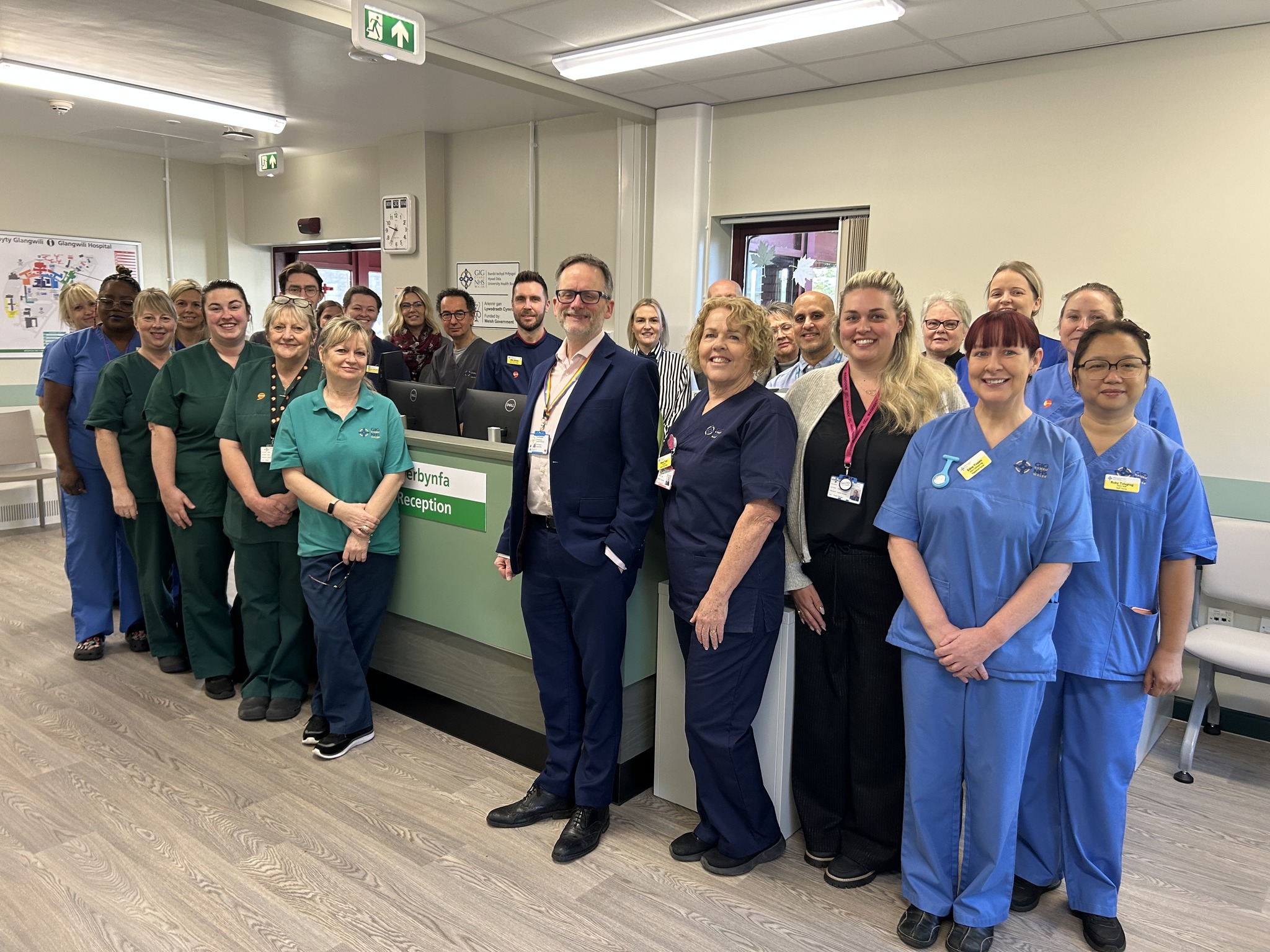
£2m upgrade aims to ease pressure on emergency department and improve care for patients
THE REFURBISHED Same Day Emergency Care (SDEC) unit at Glangwili Hospital has reopened to patients and staff this week following a major £2 million upgrade.
On Monday (March 30), Hywel Dda University Health Board chief executive Dr Phil Kloer visited the unit to tour the new facilities and meet staff and patients.
The refurbishment was made possible by £2.096 million in Welsh Government funding and has delivered more consultation rooms, an improved reception area, and a brighter, more welcoming environment for both patients and staff.
Health board bosses say the upgraded SDEC is expected to reduce pressure on Glangwili’s emergency department and forms part of wider efforts to improve patient experience across acute hospital sites, as well as the Minor Injury Unit at Prince Philip Hospital.
Dr Kloer said: “Thank you to everyone who has worked on this project. One of our biggest challenges as a health board is the unscheduled care system and how services in the community and hospitals connect, and SDEC plays a key role in that.

“I am delighted that we are opening the refurbished SDEC building. I’m really impressed with all the work that has been done, but really it is the people and the team that are most important.”
During his visit, Dr Kloer also paid tribute to Dr George Eltom, who played a central role in establishing the SDEC at Glangwili and who died around two years ago.
His memory has been woven into the unit through maple leaf artwork on the walls and windows, reflecting his dream of moving to Canada with his family. One of the consultation rooms has also been decorated with a blue butterfly in tribute to his love of Chelsea Football Club.
Dr Kloer said: “The fact that George’s memory has been embedded in the work is extremely important to everyone working here. I know that will mean a lot to all of us who knew him so well because he worked here for a long time. He was the heart and soul of it for so many years.”

One of the first patients to be treated in the refurbished unit was Anita Harmes, from Peniel, Carmarthen.
She said: “It’s my first time to visit the refurbished SDEC building and it’s absolutely fabulous. Hospital can be a scary place but this isn’t scary at all. How could you not be happy in here?”
Keith Jones, Hywel Dda’s Director of Operational Planning and Performance, said the investment would make a real difference.

He said: “We are very grateful to Welsh Government for the £2.096 million funding that has enabled us to increase the capacity of the SDEC at Glangwili.
“We anticipate that the refurbishments at SDEC will now help to reduce capacity pressures on the Emergency Department and enable our staff to provide a much smoother and swifter experience for patients in our care.”
Services temporarily moved to Y Lolfa, formerly Padarn Ward, have now returned to the SDEC building. These include the Discharge Lounge, Medical Day Unit, previously based at the Priory Day Hospital, and the Primary Care Out of Hours Service.
Access routes for services that remained at the Priory Day Hospital during the work, including podiatry, neuro-rehabilitation and occupational therapy, have also returned to normal.
Patients and visitors are being advised to follow the permanent signage or ask staff if they need help finding their clinic.
Mr Jones added: “Patients will be informed of changes and the return of services to SDEC in their appointment letters. We would still ask patients attending any of the clinics affected to double-check their appointment letters for information about the location of their treatment. If unsure, patients can also call the department on the number in their appointment letter.”
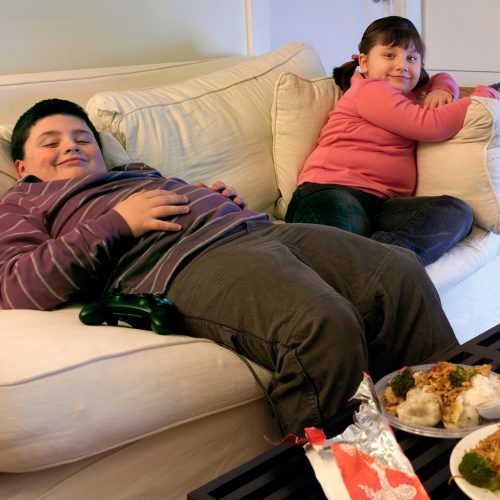
Report finds a third of reception-age children are above a healthy weight as activity levels fall sharply in teenage years
A THIRD of children aged four and five in West Wales are above a healthy weight, according to new research which warns that too many young people are heading towards a future of preventable ill health.
The findings are included in a new State of the Region report commissioned by Activate West Wales, covering Pembrokeshire, Carmarthenshire, Swansea and Neath Port Talbot.
The report found that fewer than one in four primary school children across the region are achieving the recommended 60 minutes of physical activity each day. By secondary school age, that figure drops to just 19 per cent.
Researchers also identified a clear gap between boys and girls, with boys significantly more active. Between 22 and 24 per cent of boys meet the daily activity target, compared with just 13 to 14 per cent of girls.
Sedentary behaviour was also found to be high across the region, with children in some areas spending seven or more hours inactive on weekdays. Swansea and Neath Port Talbot recorded levels above the Wales average, while girls were found to be more sedentary than boys in all four local authority areas.
The report brings together data from a range of sources to highlight patterns, inequalities and areas where more targeted action could improve health and wellbeing through sport and physical activity.
There were some more positive findings. Children and young people in West Wales were found to be taking part in organised sport three times a week at a higher rate than the Wales average.
However, girls’ participation remained lower than boys in every local authority area.
The review also looked at demand for different activities. Children and young people with disabilities highlighted interest in weightlifting, tennis and archery, while those without disabilities most commonly chose swimming, football and cycling.
Dr Susan Barnes, chair of Activate West Wales, said: “This first State of the Region review gives us the most comprehensive picture to date of sport, physical activity and health across West Wales.
“The evidence in the report presents a clear and uncomfortable truth: unless we act decisively now, too many people across our regional footprint will face a future marked by preventable ill health, widening inequality, and diminished opportunity.
“Without intervention, today’s inactive child is highly likely to become tomorrow’s unhealthy adult.”
Jamie Rewbridge, chief executive of Activate West Wales, said tackling the problem would require long-term action across government, councils, health boards, schools, businesses, clubs and community groups.
He said: “This report is not an end point, but a starting line for lasting change.”



News16 hours ago
St Davids Cathedral marked Easter Sunday with full day of worship
FROM dawn vigil to choral evensong, the cathedral welcomed worshippers for one of the most important days in the Christian...


Crime17 hours ago
Neyland man spared immediate jail over aggravated vehicle taking
Defendant given a suspended prison sentence after magistrates heard the offence was serious enough to cross the custody threshold KRISTIAN...

Health1 day ago
Crumbling NHS faces £1bn repairs bill in Wales
Senedd election promises collide with the harsh reality of ageing hospitals, fire safety concerns and a maintenance crisis stretching across...

News2 days ago
Emergency services respond to incident in Haverfordwest town centre
EMERGENCY SERVICES were called to an incident in Haverfordwest town centre on Saturday morning (Apr 4), with police and ambulance...
News2 days ago
Teenager intervenes after bridge incident
A TEENAGER was left shaken after stepping in to help a young woman in distress on Clay Lanes bridge in...


Crime4 days ago
Driver spared jail after crash killed young couple
A PEMBROKE DOCK driver who caused the deaths of a young couple in a road crash has been given a...


Entertainment4 days ago
BBC unveils major new Welsh dramas with Tenby set for prime-time spotlight
New crime series Old Town Murders and supernatural thriller The Witch Farm will both be filmed and set in Wales...

Health4 days ago
No jobs for new paramedics in Wales as graduates told to apply for technician roles
Students trained at public expense urged to take lower-grade jobs as anger grows over NHS workforce planning NEWLY qualified paramedics...


News5 days ago
Health minister refuses to act on Withybush despite 15,000-signature petition
Senedd pressure grows as Welsh Government declines to intervene over surgery fears THE WELSH GOVERNMENT has refused to step in...

Business5 days ago
Fishguard to Wexford rail tunnel plan backed by Elon Musk firm
Six-hour London to Dublin service proposed in £32bn project ahead of Senedd election PLANS for a rail tunnel linking west...
-

 News3 days ago
Accommodation providers in Wales will be required to register under new law
-
Business5 days ago
Fishguard to Wexford rail tunnel plan backed by Elon Musk firm
-

 Entertainment3 days ago
From Milford Haven to the world: The story of The Evolution Experience
-
Entertainment4 days ago
BBC unveils major new Welsh dramas with Tenby set for prime-time spotlight
-

 Charity7 days ago
RSPCA calls for stronger animal welfare measures as Welsh Labour launches manifesto
-

 News6 days ago
Labour promises 48-hour GP access as manifesto faces questions over delivery
-

 Crime6 days ago
Driver trapped after crash while nearly four times over drink-drive limit
-
 Business5 days ago
Refusal over Pembrokeshire shepherd hut let goes to appeal