


Crime
£200m cash boost for Policing in Wales announced by UK Government

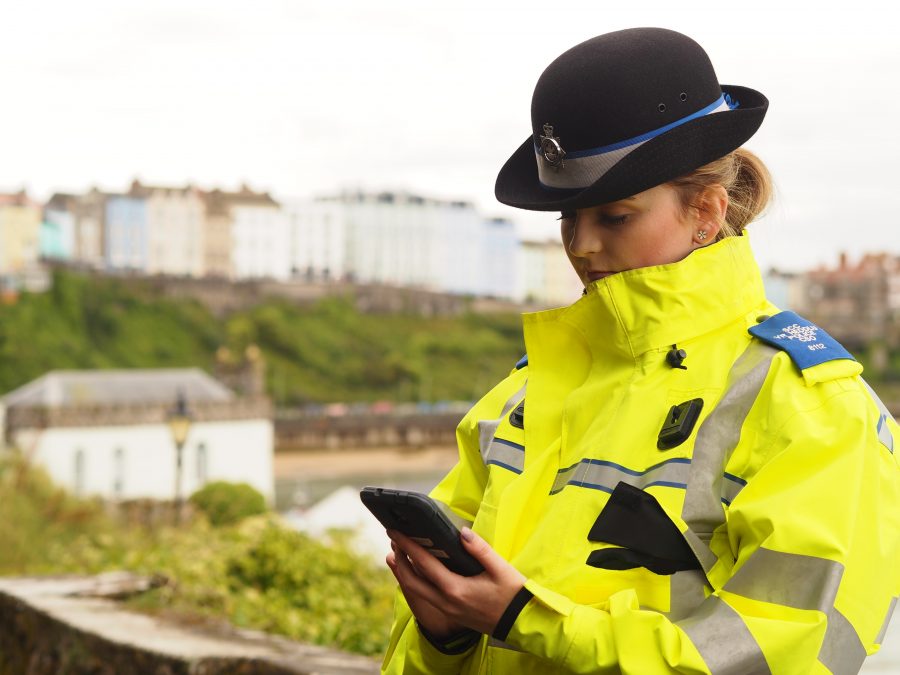
More officers on streets as government doubles funding
WALES is set to see a surge in neighbourhood policing as the government doubles its funding to £200 million, aiming to restore a visible police presence in local communities.
The investment, which builds on December’s initial £100 million pledge, is intended to reverse years of declining police numbers on the streets. Each of Wales’s four police forces will receive a significant funding boost:
- Dyfed-Powys Police: Up to £160.4m – a 5.9% increase
- Gwent Police: Up to £193.3m – a 5.8% increase
- North Wales Police: Up to £223.0m – a 6.1% increase
- South Wales Police: Up to £434.3m – a 6.2% increase
More boots on the ground
Home Secretary Yvette Cooper described the funding as a “turning point” for policing, stating: “By doubling extra neighbourhood funding to £200m, we are giving forces across the country what they need to put more officers and PCSOs where they’re needed most – on our streets and in our town centres.”
She added that dedicated officers who understand their local areas will help tackle crime before it escalates, with new powers being introduced to further support policing efforts.

The investment is part of the Safer Streets initiative, which will see 13,000 additional officers, PCSOs, and special constables deployed in communities across the country. While the full impact will take time, this first year of funding signals the government’s commitment to making it a priority.

North Wales leads the way
The success of #RenewRhyl, a policing initiative in North Wales, has been highlighted as an example of what dedicated local policing can achieve. The scheme has led to a 14% drop in recorded crime, showing how increased police visibility can make a real difference.
Andy Dunbobbin, North Wales Police and Crime Commissioner, welcomed the extra funding, saying: “Neighbourhood policing is at the heart of my plan for fighting crime in North Wales. Initiatives like #RenewRhyl show that when local people are put at the heart of policing, we see real results.”
Chief Superintendent Owain Llewellyn echoed these sentiments, saying: “We have been clear throughout that this is for the community and involving the community. We have had fantastic support and buy-in from local people who have worked with us to identify the priorities for their areas.”

A long-term commitment
With more funding expected in this autumn’s spending review, the government says this is just the beginning of a wider push to strengthen policing. Plans include giving officers new powers through the Crime and Policing Bill, such as Respect Orders to tackle anti-social behaviour in town centres.
Every neighbourhood will also have a named, contactable officer, ensuring that communities know who to turn to for local policing issues.
With more officers, stronger powers, and local priorities shaping the approach, the government says it is backing the police to deliver the safer streets people deserve.



Regime restrictions leaving prisoners locked up for long periods despite progress tackling drugs
STAFF shortages at Parc Prison are continuing to severely restrict daily life for inmates despite improvements in tackling illegal drugs, according to inspectors.
A report published on Monday (Feb 16) by HM Chief Inspector of Prisons found that progress at the Bridgend jail was being significantly undermined by ongoing recruitment and retention problems, delays in vetting new staff, and the need to escort prisoners to outside hospital appointments.
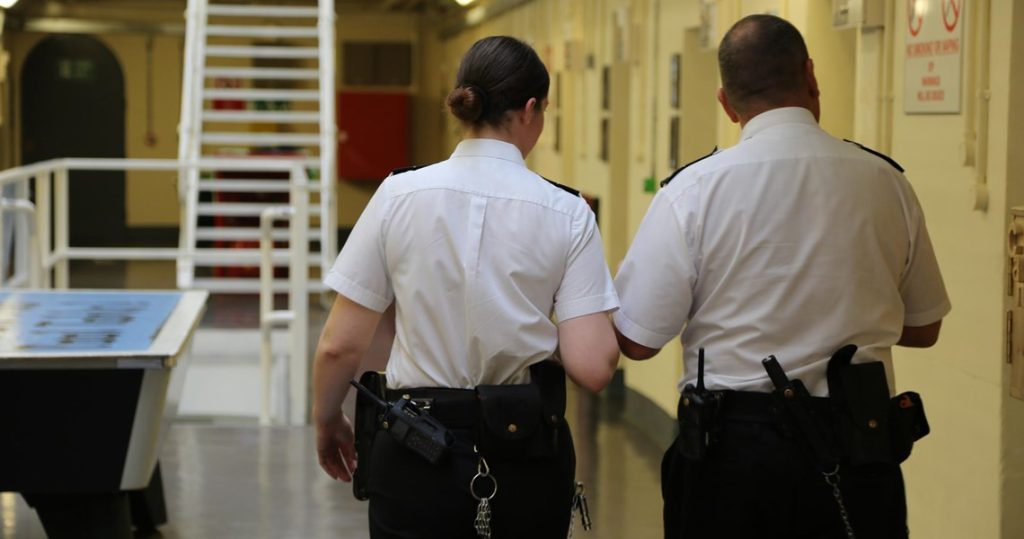
Inspectors said these pressures meant many prisoners were spending long periods locked in their cells with limited access to education, work, or rehabilitation activities.
The findings come from a targeted independent review of progress carried out between January 5 and January 7, 2026, rather than a full inspection.
Staffing crisis restricting daily regime
Inspectors concluded that staffing shortages were the main factor preventing improvement across multiple areas of the prison.

The report found that regime restrictions had “severely hampered” progress, with prisoners often unable to access purposeful activity or support services needed to prepare for release.
Limited time out of cell is widely recognised as one of the key indicators of prison instability and poor outcomes.
Drug reduction efforts showing results
Despite the challenges, inspectors identified one significant area of progress.
Leaders and staff had made what the report described as “considerable effort” to reduce the supply of illicit drugs entering the prison.
Measures included:
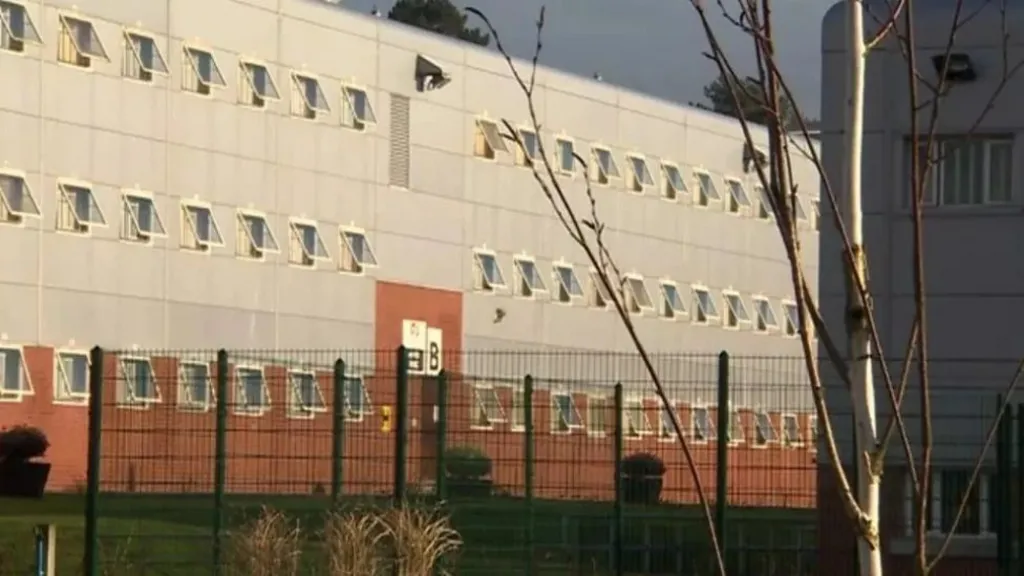
- Installation of secure windows
- Increased use of technology
- Targeted deployment of resources
These steps were credited with contributing to a decline in drug use among prisoners — a notable development given previous concerns about drug-related instability at the jail.
Concerns over rehabilitation and sentence progression

However, inspectors warned that prisoners were not receiving enough support to progress through their sentences.
Weaknesses in offender management meant some inmates were missing opportunities to complete programmes or move forward in their rehabilitation, potentially affecting their preparation for release.
Public protection weaknesses identified
The report also highlighted concerns around public protection processes, including aspects of risk management for certain offenders.
Such findings are considered particularly significant because they relate directly to the safety of the public after prisoners are released.
Partial recovery after troubled period
HMP Parc, a large Category C resettlement prison operated privately, has faced increasing scrutiny in recent years following a period of serious deterioration identified in earlier inspections.
The latest review suggests that while some improvements have been made — particularly in tackling drugs — fundamental operational pressures remain.
Inspectors made clear that without resolving staffing shortages and restoring a full daily regime, wider progress across the prison will remain limited.

Guilty plea entered at Swansea Crown Court after fatal hit-and-run days before Christmas
A MAN has admitted causing the death of a Carmarthenshire dog walker after striking him with a car and leaving the scene.
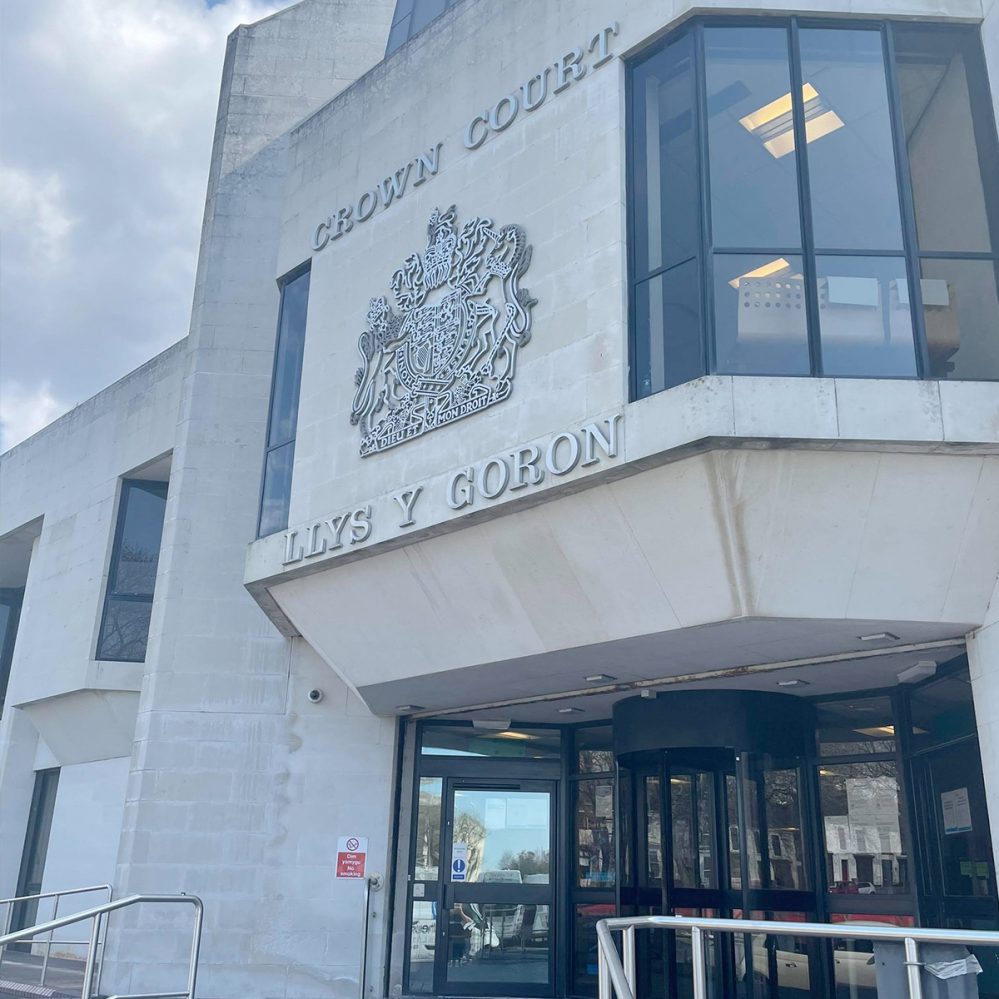
Daniel Wyke, aged 28, of Carmarthen, appeared before Swansea Crown Court on Monday (Feb 16) where he pleaded guilty to causing death by dangerous driving.
The victim, Aaron Jones, aged 38, from Llanpumsaint, was discovered in a churchyard near Caer Salem Baptist Chapel on December 23, 2024 — just days before Christmas.

The court heard that Mr Jones, a father of two, had suffered catastrophic injuries after being struck by a vehicle at around 7:20pm. He was pronounced dead at the scene.
Prosecutor Ian Wright told the court there was extensive damage to the windscreen of the vehicle involved, consistent with a serious impact.

Mr Jones’ body was found after his dog was discovered wandering alone by a passer-by, who contacted his wife and raised the alarm, prompting a search of the area.
Wyke was arrested the following day.
In addition to the fatal collision, he had also faced a separate allegation of dangerous driving on Water Street in Carmarthen. That charge was denied and remains outstanding.
His Honour Judge Paul Thomas KC granted Wyke bail but imposed an immediate driving disqualification.
A provisional sentencing date has been set for March 30.

Trial set for October as court hears case involving alleged offences in Cornwall
A MILFORD HAVEN man, now living in Cornwall, has denied a series of serious sexual offences involving a teenage girl, along with alleged breaches of a court order imposed following a previous conviction.
James Kershaw, aged 45, formerly of Lower Priory, appeared before Swansea Crown Court on Monday (Feb 16).
He pleaded not guilty to all counts on the indictment, which prosecutors allege relate to sexual communication and activity involving a girl aged 13 in 2023, as well as two alleged breaches of a Sexual Harm Prevention Order (SHPO).
The charges include sexual communication with a child between October 26 and November 1, 2023, causing a child to watch a sexual act in October 2023, causing or inciting a child to engage in sexual activity, and two counts of breaching an SHPO by creating a social media account and possessing an internet-enabled device without approval.
During the hearing, His Honour Judge Huw Rees granted Kershaw bail with conditions, including a prohibition on contacting prosecution witnesses.
A trial date has been fixed for October 5, 2026.



Business3 hours ago
Tug crews at Milford Haven vote for industrial action in pay dispute
Union ballot raises concerns over potential disruption at key UK energy port TUG crews working in the Port of Milford...


Crime13 hours ago
Pembroke Dock raids: One man in court today as three released on bail
Update follows major Gordon Street operation reported on Friday ONE man is due to appear in court today (Monday, Feb...


Local Government14 hours ago
Ex-councillor Brian Rothero disqualified for three years after code breaches upheld
Second tribunal sanction in weeks deepens long-running town council turmoil A FORMER Neyland town councillor has been banned from holding...


News1 day ago
Sea Empress: 30 years since the grounding that transformed safety in Milford Haven
Human error, storm conditions and salvage decisions combined in one of Britain’s worst maritime disasters THIRTY years ago this week,...


Health2 days ago
NHS pay row erupts as ministers confirm 3.3% rise
Unions warn award amounts to real-terms cut as inflation remains above headline figure NHS staff across Wales will receive a...

Crime3 days ago
Governors defend leadership at Milford Haven School after stabbing incident
GOVERNORS at Milford Haven Comprehensive School have issued a public statement responding to concerns about leadership and staffing following last...

Crime3 days ago
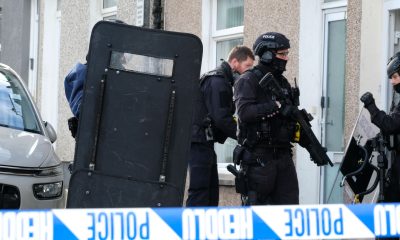
Four arrested in armed police operation across Pembroke Dock
Firearms, drugs and GBH suspects detained as pre-planned raids hit Bush Street and Gordon Street A MAJOR armed police operation...


News3 days ago
Climber dies and two injured in St Govan’s Head fall
Major air and sea rescue launched as coastguard, lifeboat and helicopters scramble to Pembrokeshire cliffs A PERSON has died and...


Education3 days ago
School in special measures after inspectors raise safeguarding and leadership concerns
Estyn orders urgent action plan and regular monitoring at Pembroke secondary A PEMBROKESHIRE secondary school has been placed into special...
Crime4 days ago
Armed police arrest man after major operation in Pembroke Dock
Firearms officers, dog units and roadblocks deployed on Gordon Street as Dyfed-Powys Police investigate ARMED officers sealed off part of...
-

 Health5 days ago
Health Board to decide future of nine key services at two-day meeting
-

 Community6 days ago
Facebook ‘news’ site targeting Herald editor collapses after community backlash
-
Crime3 days ago
Four arrested in armed police operation across Pembroke Dock
-
 Community21 hours ago
Hywel Dda hospital services decisions will be made next week
-

 Crime6 days ago
Publican admits supplying cocaine and cannabis at Crown Court
-
Education3 days ago
School in special measures after inspectors raise safeguarding and leadership concerns
-
 Community2 days ago
Second Milford Haven webcam launched after 1.3m views and US TV feature
-

 Community6 days ago
Students win King’s Trust award for transforming vandalised subway