


Climate
Breaking down barriers between finance and industry in offshore renewables sector

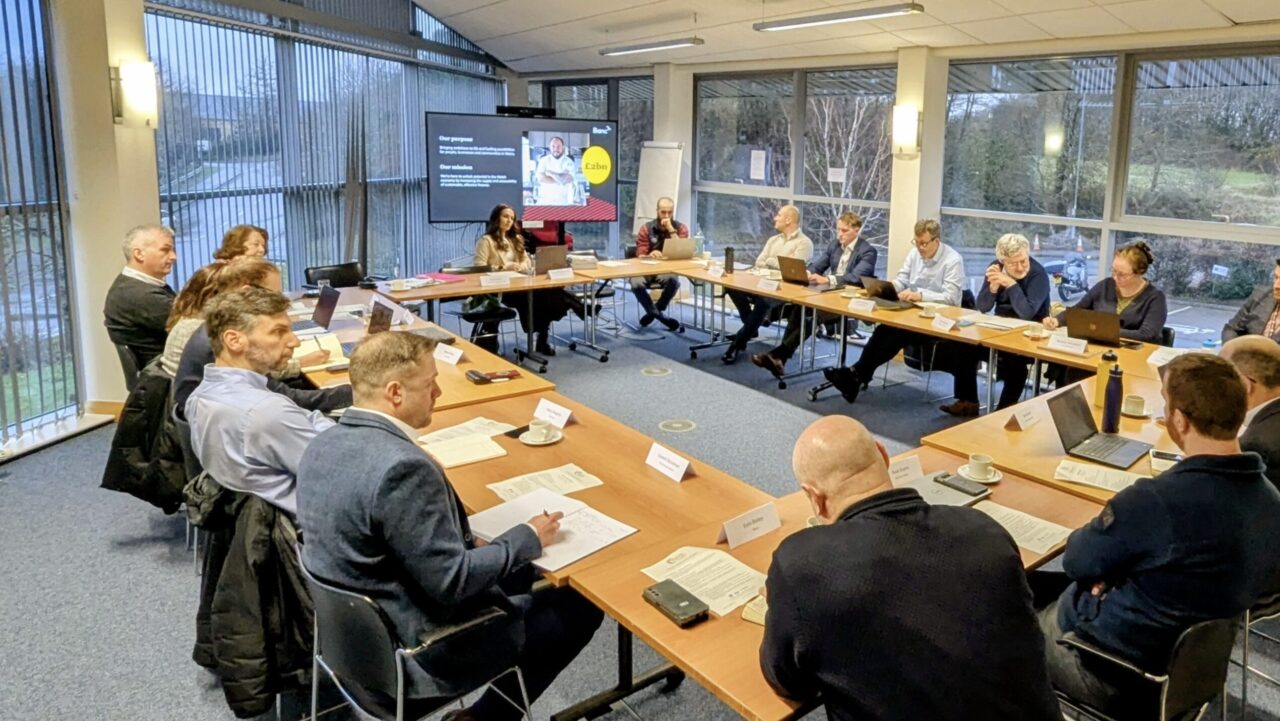
EARLIER this week, Marine Energy Wales brought together senior representatives from national and devolved finance institutions with developers, ports and supply-chain companies operating across Wales’ offshore renewable energy sector for a dedicated finance roundtable in Pembroke Dock. Attendance was limited to premium MEW members to allow for frank, focused discussion.
The session was intentionally designed to be different.
Rather than relying on formal presentations or sales pitches, the roundtable created a facilitated, closed-door space for open dialogue. Finance organisations were able to explain clearly how they operate, what types of projects they can support, and where constraints still exist. Industry participants, in turn, set out the real-world challenges they are facing across tidal energy, floating offshore wind, port infrastructure and supply-chain development.
What emerged was more than information sharing—it was a clearer, shared understanding of how decisions are made on both sides.
From siloed conversations to shared problem-solving
A consistent theme from the discussion was that significant public and institutional finance is now available to support clean energy projects. However, navigating that landscape remains complex, particularly for early-stage developments, smaller supply-chain businesses and emerging technologies.

By bringing the right people into the room at the same time, the roundtable helped to:
- demystify how different finance bodies assess risk, scale and project readiness
- highlight where policy ambition, market signals and investment criteria are not yet aligned
- identify opportunities where better sequencing and coordination of funding could unlock progress
- establish direct relationships that will support follow-up conversations beyond the room
The discussion also surfaced where gaps remain. In particular, the need for clearer market signals and more tailored support for tidal stream and other early-stage marine technologies was repeatedly raised. These are challenges that are difficult to address in isolation, but far more productive to tackle collectively.
The value of convening
For Marine Energy Wales, the roundtable reinforced the importance of our role as a neutral convener for the sector.
Members consistently tell us that access to finance is one of the most significant barriers to progress—not only in terms of capital availability, but in understanding how to engage effectively with funders. At the same time, finance organisations are keen to deepen their understanding of project development timelines, technology risk and the scale of Welsh supply-chain ambition.

Creating space for those conversations is where real value is added.
This is not about Marine Energy Wales brokering individual deals. It is about building shared understanding, reducing friction, and helping to align finance, policy and industry around credible pathways to delivery.
What comes next
This roundtable was not a one-off.

Marine Energy Wales is committed to continuing this work, developing structured and trusted forums where finance, industry and government can engage early, openly and constructively. As Wales moves from ambition to delivery in offshore wind and tidal energy, these relationships and conversations will be critical to ensuring projects are investable, deliverable and anchored in Welsh economic benefit.
We will continue to work with our members and partners to identify priority issues, convene the right voices, and help turn opportunity into tangible outcomes on the ground.

Bangor University scientists join £2.1m project investigating the impact of bottom trawling on carbon stored beneath the seabed
A STATE OF THE ART research vessel has set sail from Liverpool to investigate how bottom trawling may affect carbon stored in the seabed of the Irish Sea.
The scientific expedition is part of a £2.1 million research project funded by the Natural Environment Research Council and led by Professor Jan Geert Hiddink of Bangor University.
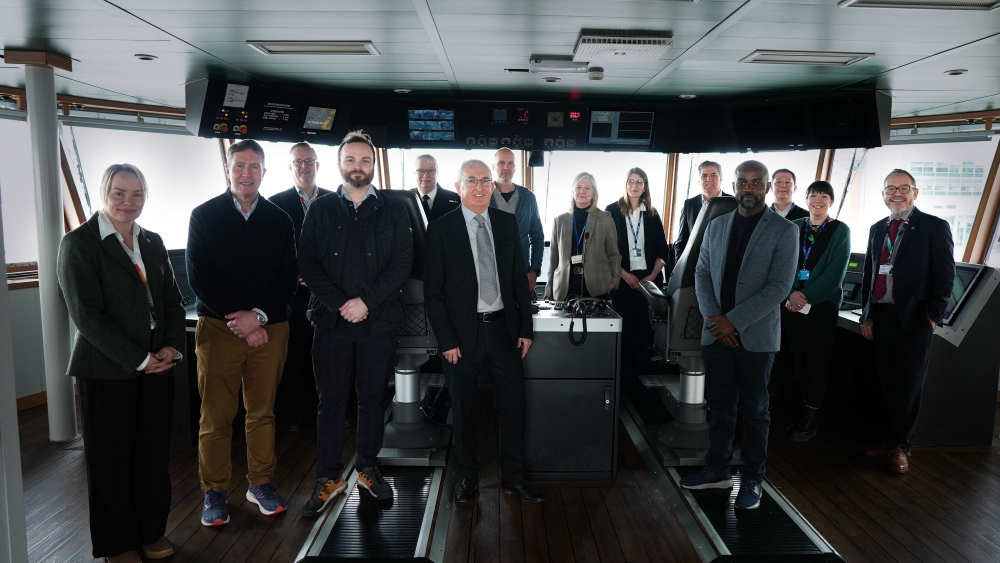
A team of eighteen scientists has embarked on the RRS Discovery, one of the world’s most advanced research vessels, for a three-and-a-half-week voyage studying the impact of fishing activity on carbon held in seabed sediments.
Before the ship departed, a number of local dignitaries were invited aboard for a tour of the vessel, including Liverpool City Region Mayor Steve Rotheram and National Oceanography Centre Operations Director Natalie Campbell.
Professor Jan Geert Hiddink, from Bangor University’s School of Ocean Sciences, said bottom-trawl fishing is both vital to global food supply and a major disturbance to seabed environments.
“Bottom-trawl fishing provides around a quarter of global seafood but is also the most extensive physical disturbance caused by human activities to stocks of carbon locked in seabed sediments,” he said.
“This is important because recent evidence suggests that disturbing the seabed could lead to the release of significant amounts of greenhouse gases from the seabed into the atmosphere.
“There are still major uncertainties about how this disturbance affects carbon stored beneath the seabed. As a result, the impact of these disturbances is largely unquantified and currently unregulated.
“The aim of this project is to gain a much clearer understanding of what is happening so that scientists, policymakers and regulators can make informed decisions in the future.”

Seven research organisations are collaborating on the project: Bangor University, the Centre for Environment, Fisheries and Aquaculture Science (CEFAS), Heriot-Watt University, the University of Leeds, Plymouth Marine Laboratory, the University of St Andrews, and Imperial College London.
Caption: Scientists prepare to begin their research aboard the RRS Discovery, one of the world’s most advanced research vessels.
Major investment expected to boost low-carbon industry and create skilled jobs in West Wales
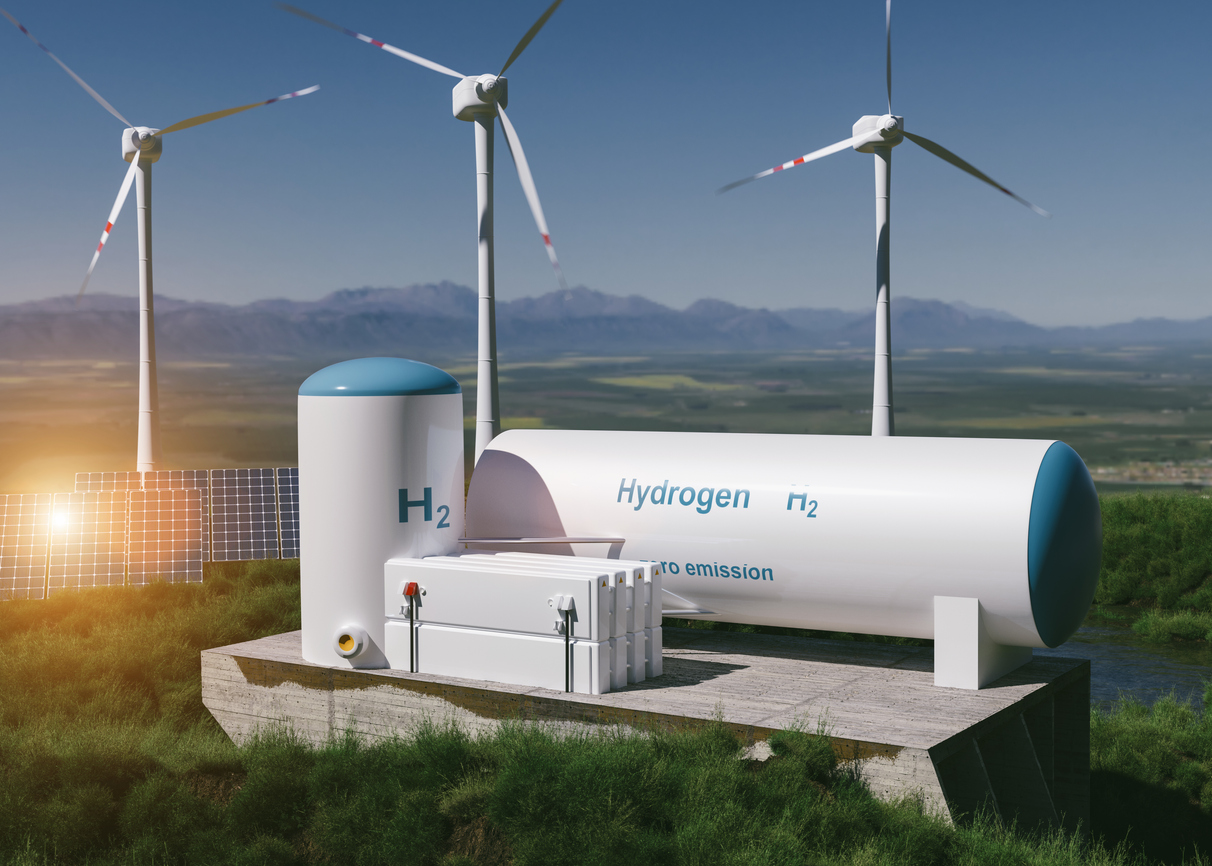
A MAJOR green hydrogen project planned for the Milford Haven Freeport tax site has taken a significant step forward after developers approved the final investment decision.
Energy company MorGen Energy has confirmed it will proceed with the West Wales Hydrogen project, one of the first schemes backed through the UK Government’s Hydrogen Allocation Round (HAR1) to reach this stage.
The facility will be built within the Milford Haven Tax Site, part of the Celtic Freeport zone covering Pembrokeshire and Neath Port Talbot.
Construction is expected to begin in 2026, with the plant scheduled to become operational in early 2028.
Once completed, the site is expected to produce around 2,000 tonnes of low-carbon hydrogen each year, meeting the UK’s Low Carbon Hydrogen Standard.

The hydrogen produced will support a range of industries, including port operations, manufacturing and industrial heating, as well as use as a chemical feedstock.
Supporters say the development will help reduce carbon emissions while strengthening Milford Haven’s role in the UK’s emerging hydrogen economy.
The project is also expected to create skilled jobs and provide work for local contractors during the construction phase.
Further expansion may be possible in future phases as demand for hydrogen grows, potentially helping establish Milford Haven as a major hub for low-carbon energy production serving South Wales and beyond.

Luciana Ciubotariu, Chief Executive of Celtic Freeport, said the decision marked another milestone for the region.
She said: “MorGen Energy’s decision is another major step forward for the hydrogen economy in South West Wales.
“Projects like this within the Milford Haven Tax Site show how the Celtic Freeport is accelerating decarbonisation while creating high-value jobs.”

The UK Government’s Hydrogen Allocation Round scheme provides revenue support to help scale up the country’s low-carbon hydrogen sector and bring early projects to market.

POLICE appeal for witnesses after man reportedly attacked by group of eight men near Llanddarog junction
Local officers are investigating an alleged assault that took place on the A48 westbound at the Llanddarog junction, before the Nantycaws turn-off, at around 2:30pm on Saturday (Mar 7).
The incident is reported to have involved eight men who had parked Harley-Davidson motorcycles in a lay-by. The group allegedly assaulted a man who was travelling in a car.
The victim sustained moderate injuries and their vehicle was also damaged during the incident.
Anyone with information, or with private CCTV or dashcam footage showing suspicious activity in the area at the time, is asked to contact police in one of the following ways:
Online: https://orlo.uk/KRjzb
Email: [email protected]
Call: 101
Alternatively, information can be passed anonymously to the independent charity Crimestoppers by calling 0800 555111 or visiting crimestoppers-uk.org.
Please quote reference: DP-20260307-227.



Education5 hours ago
New facilities open at Portfield School as redevelopment reaches key milestone
THE FIRST phase of a major redevelopment programme at Portfield School in Haverfordwest has been completed, marking a significant step...


News6 hours ago
£377m spent saving blast furnaces months after Port Talbot closure
Government intervention keeps UK’s last primary steelmaking furnaces running THE UK GOVERNMENT spent £377 million to prevent the closure of...


Sport1 day ago
France crowned Six Nations champions after extraordinary final-day drama
Ramos penalty in Paris seals title as Ireland fall just short and Wales end losing run FRANCE were crowned 2026...

News1 day ago
Fishguard linked to allegations in Many Tears Animal Rescue investigation
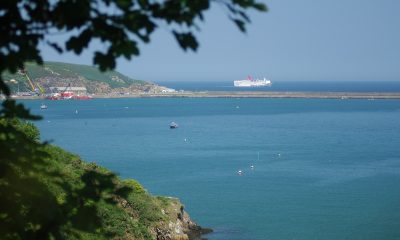
Claims about puppies arriving through Pembrokeshire port emerge as licensing probe continues FISHGUARD has been named in allegations linked to...


Local Government2 days ago
Investigation confirmed after inspectors visit Many Tears Animal Rescue
Licensing authority declines to comment as police confirm attendance at Carmarthenshire rescue centre AN INVESTIGATION is underway following a visit...

Business3 days ago
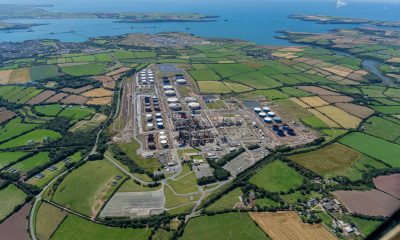
Work set to begin on £50m hydrogen plant in Milford Haven
A MAJOR new hydrogen production facility worth around £50 million is expected to begin construction in Milford Haven later this...


Education4 days ago
Manorbier school closure approved while insurance claim still unresolved
Council confirms negotiations with insurer ongoing following 2022 fire PEMBROKESHIRE COUNTY COUNCIL has confirmed that negotiations with its insurer over...


Crime5 days ago
‘Knife attack’ at Spittal property leaves man in hospital
POLICE have arrested a woman following what is being described as a ‘knife attack’ at a property in Spittal on...


Community5 days ago
Pembrokeshire to receive its first banking hub in Pembroke Dock
LINK, the UK’s Cash Access and ATM network, has today announced local people and businesses in Pembroke Dock will benefit from a new banking...


Health6 days ago
Future of Withybush Hospital petition sparks urgent call for Senedd debate
CALLS have been made for an urgent debate in the Senedd over the future of services at Withybush Hospital as...
-

 Health3 days ago
Welsh Ambulance Service to host bi-monthly Board meeting
-

 News2 days ago
Rayner and Lammy visit Wales to discuss justice and community safety
-

 Local Government5 days ago
Register now to vote in May’s Senedd election
-
News1 day ago
Fishguard linked to allegations in Many Tears Animal Rescue investigation
-

 Crime6 days ago
E-bike rider who sped through pedestrian alley sentenced by court
-

 Crime6 days ago
Driver caught with three illegal drugs in system on way to MOT test
-

 Entertainment6 days ago
How the Cheltenham Festival Captivates Racing Fans Every Year
-
Health6 days ago
Future of Withybush Hospital petition sparks urgent call for Senedd debate