


News
Pembroke Castle excavation completed

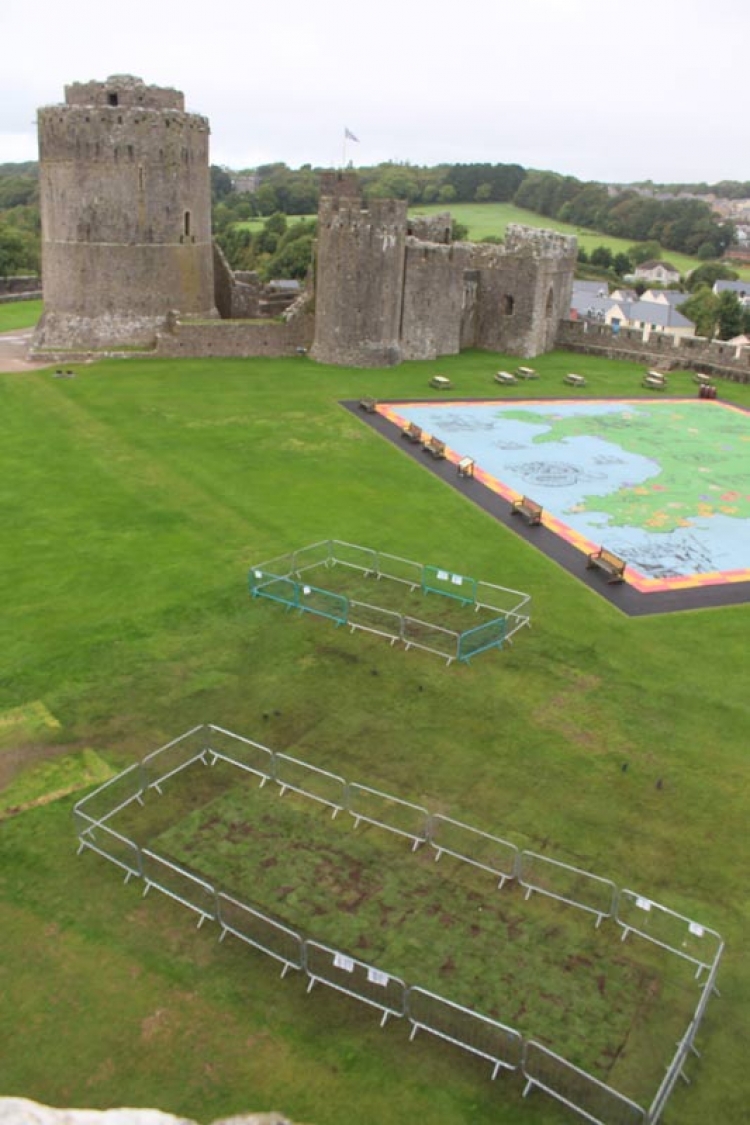
THE TWO WEEK archaeological excavation of Pembroke Castle has finished, with much information and material gathered to be analysed.
Dyfed Archaeological Trust, funded by the Castle Studies Trust, started the excavation on September 3, the first at the site for over 70 years. The excavations and topographic survey aimed to further advance the understanding of one of Wales’ and the UK’s most iconic castles.
The large outer ward has been an empty space since at least the eighteenth century, yet aerial photographs in 2013 revealed parch marks detailing the outline of a possible late medieval double-winged hall house. This was further confirmed by geophysical surveys carried out by Dyfed Archaeological Trust, funded by the Castle Studies Trust, in 2016. Such buildings are unusual in castles, particularly in the outer ward, generally associated with more lowly structures. This may suggest that the ward had been ‘gentrified’ matching historical accounts which place the birth of Henry Tudor in the outer ward: it may have occurred within this very building. It is thought more likely that he was born in what was a modern residence for the time, than in a guard tower on the castle walls.
Under the guidance of well-known castle expert Neil Ludlow, Dyfed Archaeological Trust excavated two trenches to understand more about the form, date, context and function of the remains. Additionally, they carried out a topographic survey to make a detailed record of the layout of the castle.
Neil Ludlow said prior to the excavation: “The geophysical survey carried out in Pembroke Castle, in 2016, funded by the Castle Studies Trust, showed a large, winged building that resembles, in plan, a late-medieval manor house. This is an unusual find within a castle, and has additional significance at Pembroke as the possible birthplace of King Henry VII.

“But this is still guesswork, as nothing else about the building is known. All we really know is that it was excavated in the 1930s without records. Thanks to the support of the Castle Studies Trust, some of these questions will be answered as well as learning more about later medieval high status living.”
Pembroke Castle stands on a site that has been occupied since at least the Roman period. Norman lords founded the first traditional castle there in the 11th century. Henry Tudor was born at Pembroke Castle on January 28 1457. On August 22 1485, Henry seized the English crown, defeating King Richard III at the Battle of Bosworth Field, in the culmination of the Wars of the Roses. He was the last king of England to win his throne on the field of battle, and was crowned Henry VII, first monarch of the House of Tudor.
On the first day of the excavation, a possible wall was quickly made visible in trench one, and trench two revealed a former path surface through the castle grounds and the suggestion of an outer wall. Bone, pottery, brick and tile were found, most from the early 20th century but with some late medieval and post medieval material as well.
The second day saw a second wall revealed close to the east, yet the walls appeared too close together to be associated with the walls seen on the parch marks. Large areas of mortared stone patches were revealed to the west, suggesting walls, and the outer wall of the building in trench two started to become exposed as well. A large amount of oyster shell was collected from the site as well as more pottery and bone.

On the third day, the full width of the wall in trench two was made visible at its western end, at roughly one metre wide, suggesting a substantial structure. In trench one the two walls located close together were thought to represent the cess pit.
The fourth day brought wind and rain, but did not deter progress, with more backfill being removed from both trenches to reveal the surviving walls of the structure. Day five saw good progress, removing almost all of the remaining backfill from trench one to reveal a rubble collapse layer – pre-dating the 1930s excavations. The large mass of masonry is thought to be a possible curving stair, whilst the top of the large wall in trench two was fully exposed.
The sixth day saw further poor weather, and so the focus was on washing and sorting the cleaned finds for bagging up. By the afternoon the weather improved somewhat and the team were able to start the removal of layers of building collapse within the trenches.

Members of the Castle Studies Trust who are funding the investigation visited the site on day seven to check on progress. Work continued in trench one revealing an area of potential bedrock within the possible small room at its eastern end. Collapse material has been removed from trench two to reveal a spread of mortar and slate, potentially a collapsed roof within the structure.
The eighth day saw a sample excavation of the small room in trench one completed, exposing more of a large outcrop of limestone bedrock in its base. Cadw gave permission to slightly extend the trenches and this was started in the afternoon.
The ninth day saw trench two extended to expose the return of the large wall in the northwestern corner of the building, which again appears to be a substantial wall, suggesting a tall building. The extension in trench one was also continued, but no continuation of any walls were seen, although a deposit of rubbish was revealed containing large quantities of roofing slate, oyster shell, bone and quite a few pieces of glazed tile.
The tenth day saw the return of the wall in the second trench fully exposed, the cobbled surface on the outside of the wall cleaned and a rough stone slab floor adjacent to the steps was exposed. They finished taking the eastern extension of the trench down to the correct level, and commenced excavation of the possible cess pit, which is being sampled for environmental analysis.
Day 11 saw the recording and site survey start, as they finished excavation of a small test pit in trench one, onto a second possible stone slab floor. The east end of the trench was found to contain a mix of material, with pottery dating throughout the medieval and later medieval period, as well as three shards of Roman pottery too.
Day 12 was spent undertaking further recording and drawing in the two trenches as the work drew to a close.
The recording was finished on the thirteenth day, as they started backfilling in the afternoon.
In between the volunteers stopped to watch the 1st Battalion Royal Welsh being given the freedom of Pembroke. The last day saw both trenches were backfilled and re-turfed by the end.













Extraordinary council meeting will consider objections before final ruling
THE FUTURE of two Pembrokeshire schools will be decided in June, despite councillors already backing plans in principle to close them.
Pembrokeshire County Council has confirmed that an extraordinary Full Council meeting will take place on Monday (June 15) to consider objection reports relating to the proposed discontinuation of Ysgol Clydau and Manorbier Church in Wales VC School.
The meeting represents the final stage in the statutory process, where councillors will decide whether to proceed with closure after reviewing formal objections.
The Herald understands that the extraordinary session has been called because the timetable for the proposals does not align with regular council meeting dates.
Last chance to overturn decision
Although councillors have already voted in favour of closure in principle, the June meeting is not a formality.

Campaigners still have a narrow window to influence the outcome, with councillors able to change their position after considering objections and any new evidence.
In rare cases, proposals have been halted or reversed at this final stage — particularly where strong community opposition or concerns over the accuracy of data have been raised.
However, the earlier vote means the schools remain at significant risk, with the council having already indicated its preferred direction.
Political pressure building
The confirmation comes amid growing community concern and a mounting campaign to save Ysgol Clydau.

Campaign group Save Ysgol Clydau – Cadw Clydau yn Gadarn has described the situation as a “critical moment,” urging residents to challenge political parties ahead of the upcoming elections.
Supporters argue that the future of the school is closely tied to the survival of rural communities and the Welsh language.
The group has also thanked councillors — particularly members of the Independent group — for their support.

Decision looming
The June 15 meeting is expected to draw significant public attention, with strong attendance likely as councillors prepare to make a final, legally binding decision.
If approved, the proposal would result in the closure of both schools.

SAMUEL KURTZ MS has called on the UK Government to take immediate action to ease mounting cost-of-living pressures, warning that families across west Wales are being “squeezed from all sides” by rising fuel and energy costs.
Writing to Chancellor Rachel Reeves, the Carmarthen West and South Pembrokeshire Senedd Member urged ministers to cancel planned fuel duty increases and introduce fairer, more effective support for rural households living off the gas grid.
Energy bills are forecast to rise to nearly £2,000 from July, while persistently high global oil prices continue to drive up costs at the pumps. Diesel prices have surged in recent months, with petrol also climbing—adding further strain to already stretched household budgets.
Kurtz warned that any increase in fuel duty later this year would hit rural communities hardest, where reliance on cars is unavoidable due to limited public transport.

In parts of west Wales, the challenges are even more acute. In Ceredigion, up to three quarters of households are not connected to the gas grid, while in Pembrokeshire around 40% rely on alternative fuels such as heating oil and LPG. Unlike mains gas users, these households are not protected by energy price caps and remain exposed to volatile global markets.
He also criticised existing support measures, describing them as “limited and reactive,” often only available once households reach crisis point. While recent funding announcements for off-grid households have been welcomed, concerns remain over delays and a lack of clarity around how the support will be delivered.
Kurtz pointed to the UK Government’s response during the 2022 energy crisis, which included the Energy Price Guarantee, £400 bill support, and a £200 Alternative Fuel Payment for off-grid homes.
He said: “Households across west Wales are under real pressure, and for many this is not about cutting back—it’s about keeping up.
“Rural families already face higher costs, whether that’s heating their homes or filling up the car. Increasing fuel duty now would only make that worse.

“Off-grid households are being overlooked. They don’t benefit from price caps and are exposed to volatile fuel costs.
“The UK Government acted decisively during the last energy crisis. The same level of urgency is needed again now.
“The Chancellor must act—cancel the planned fuel duty increases and reintroduce the £200 Alternative Fuel Payment to give households the support they need.”
He warned that without swift intervention, rural communities risk being left further behind as cost pressures continue to rise.
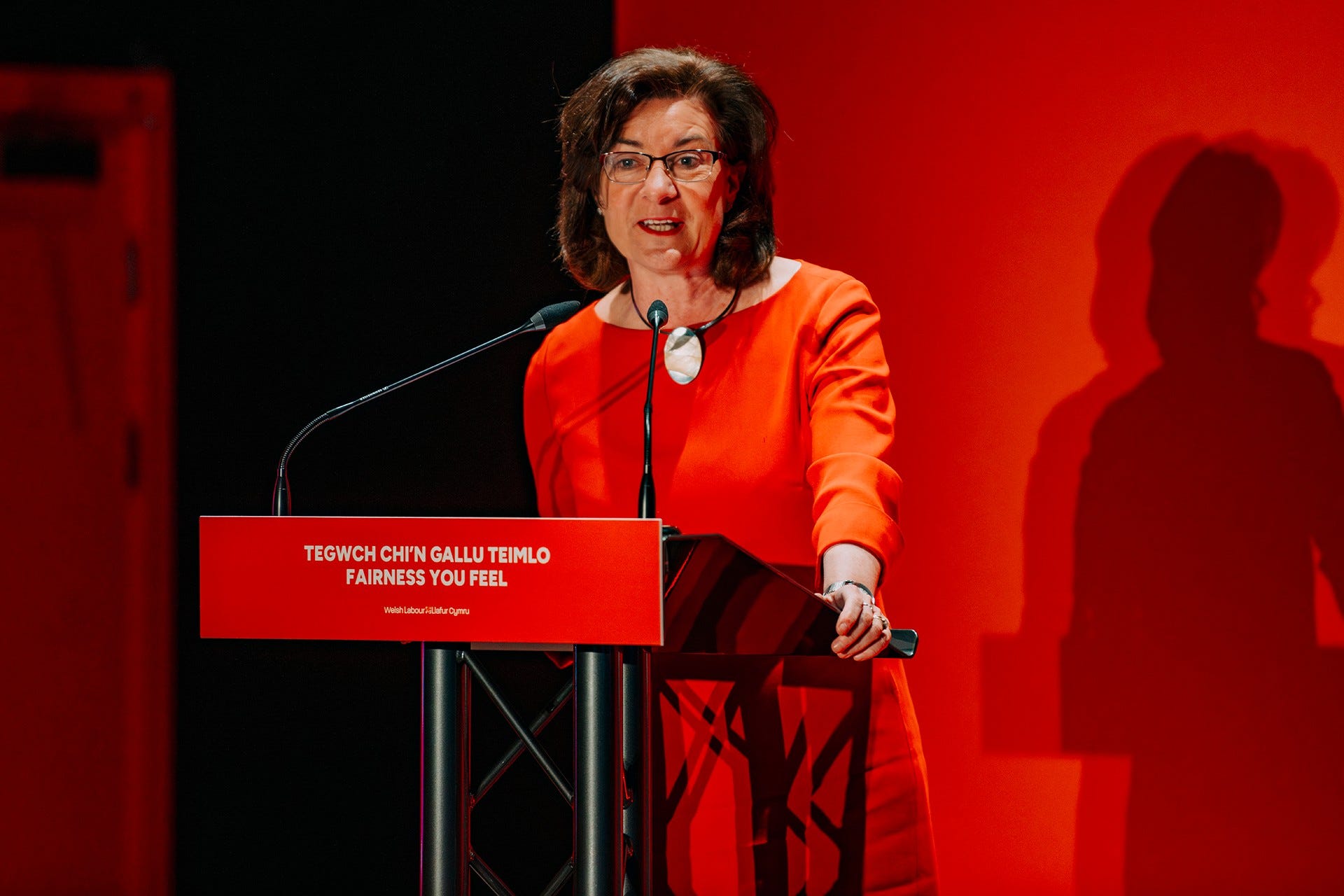
WELSH Labour leader Eluned Morgan has pledged that patients with urgent health concerns will be seen within 48 hours, as the party launched its manifesto ahead of the 2026 Senedd election.
Speaking at an event in Swansea on Monday (Mar 30), Morgan said a re-elected Welsh Labour Government would guarantee access to a GP or other primary healthcare professional on the same day or the following day for pressing issues.
She said: “If you are worried about your child, if your elderly parent needs help, or if something does not feel right, you should be able to get help quickly – not weeks later.”
The pledge forms a central part of Labour’s health offer, alongside plans for same-day, open-access mental health services and a £4bn “Hospitals of the Future” investment programme.
Pressure on delivery
However, the announcement has already prompted questions about how the target would be delivered, given ongoing pressures across NHS Wales.
Latest figures show around 757,000 patient pathways remain on waiting lists, with approximately 38,000 people waiting more than a year for treatment. Previous Welsh Government targets to reduce long waits have also been missed.
The 48-hour target itself is less ambitious than proposals in England, where a 24-hour access standard has been discussed. Morgan has said the Welsh target reflects what is “realistic” given current pressures.
Critics argue the pledge risks repeating a familiar pattern of commitments that prove difficult to deliver in practice.
‘Plans to have plans’
Beyond health, scrutiny of the manifesto has focused on what some commentators have described as a lack of urgency in key policy areas.
Several flagship commitments involve future strategies or reviews, including a promise to publish a new industrial strategy within the first year of the next Senedd term, and proposals to “explore” ways to reduce teacher workload.
Opponents have characterised this approach as “plans to have plans”, questioning whether it reflects the scale of challenges facing Wales in areas such as healthcare, housing and education.
The First Minister has defended the approach, arguing that detailed proposals are set out across the manifesto and that flexibility is needed to respond to changing economic conditions.

Health investment under scrutiny
Labour’s £4bn pledge for new hospitals and infrastructure has also come under examination.
The party says the funding will support major developments, including replacing University Hospital Wales and Wrexham Maelor Hospital, as well as improvements in West Wales.
However, questions remain about whether the funding would be sufficient to cover large-scale rebuilds while also addressing existing maintenance backlogs across the NHS estate.
Morgan said the figure was based on previous capital projects and insisted the funding plans were “realistic”.
Cost-of-living commitments
Alongside its health pledges, Welsh Labour has committed not to raise Welsh rates of income tax during the next Senedd term.
The manifesto also includes a £2 cap on single bus fares, continued discounted travel for young people, free travel for over-60s, and plans to create 20,000 new childcare places.
Labour says the package is designed to ease cost-of-living pressures while supporting economic growth.
A ‘new chapter’ or more of the same?
At the launch, Morgan described the manifesto as the start of a “new chapter” for Wales, signalling a shift from what Labour describes as a period of “protection” through austerity, Brexit and the pandemic, towards a focus on growth and opportunity.
But with Welsh Labour having been in power for more than two decades, opponents argue the party faces a challenge in convincing voters that change will come from the same administration.
While the manifesto contains a range of policy commitments across health, the economy and the environment, the central question is likely to remain whether voters believe the pledges can be delivered.
As the campaign for the May 2026 Senedd election gathers pace, that question is set to dominate the political debate in Wales.



News19 hours ago
Plaid Cymru launches bid to lead next Welsh Government
Party positions itself as ‘government-in-waiting’ ahead of May election PLAID CYMRU has formally launched its campaign for the 2026 Senedd...


Crime20 hours ago
Police appeal after attempted child abduction in Haverfordwest
DYFED-POWYS POLICE has launched an appeal for witnesses following a reported attempted abduction of a 12-year-old girl in Haverfordwest. The...

Crime2 days ago
Gunshot fired by police during incident in Milford Haven
A POLICE officer discharged a firearm during an incident in Milford Haven on Saturday evening (March 28), prompting an investigation...


Community3 days ago
Three Amigos Easter Run roars through Pembrokeshire
MOTORCYCLE enthusiasts turned out in force today (Saturday, March 28) as the popular Three Amigos Easter Run returned to the...

Education4 days ago
Ysgol Henry Tudor reassures parents over Sikh ceremonial kirpan
School says religious item worn by pupil is secured, symbolic and non-functional YSGOL HENRY TUDOR has moved to reassure parents...

Crime5 days ago
Teen jailed after starting fire while others slept
Fire set in shared home left sleeping residents at risk and caused £130,000 damage A TEENAGER who started a fire...

Health5 days ago
GP crisis driving NHS pressure in Wales, Senedd report warns
Falling GP numbers and funding gaps blamed for worsening hospital delays THE NHS crisis highlighted earlier this week is being...


News6 days ago
Reform reveals west Wales candidates for Senedd battle
Monkton councillor tops Pembrokeshire list as party confirms Carmarthenshire names and includes Haverfordwest councillor in unwinnable Swansea spot REFORM UK...

Health6 days ago
Clash over Withybush Hospital services as Paul Davies challenges First Minister
A HEATED exchange in the Senedd has laid bare growing tensions over the future of hospital services in west Wales....


Crime7 days ago
Police stop car in Pennar as three arrested in drugs investigation
Suspected drug driver report leads to major police response and multiple arrests DRAMATIC scenes were reported in Pennar on Monday...
-

 Business7 days ago
Taxi fare shock in Milford Haven as drivers switch to meters
-

 News6 days ago
Welsh Government outlines progress on flood resilience plans
-

 Health7 days ago
Average of 18 deaths a week in Wales linked to A&E delays, figures reveal
-
 Community5 days ago
Hero female officer keeps job after sexual touching finding
-
Crime7 days ago
Police stop car in Pennar as three arrested in drugs investigation
-
 Business5 days ago
Popular Italian restaurant hit with £278,000 tax bill plus £186,000 fine
-
Education4 days ago
Ysgol Henry Tudor reassures parents over Sikh ceremonial kirpan
-
 Community7 days ago
Calls to block Withyhedge landfill expansion amid ‘worst in Wales’ claims