


News
Council will not recommend special measures for Hywel Dda

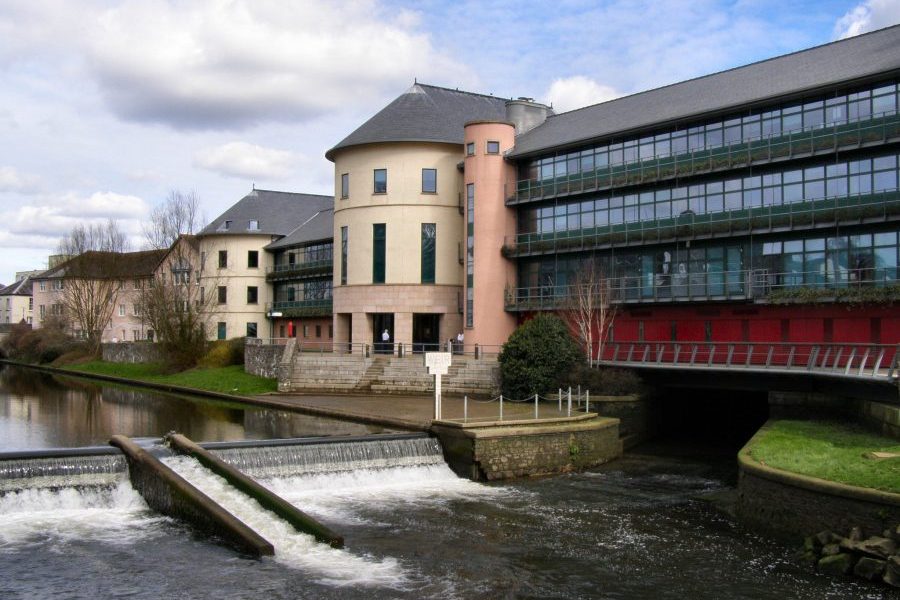
PEMBROKESHIRE County Council will not be recommending that Hywel Dda University Health Board should be placed into special measures.
Cllr Paul Dowson’s notice of motion calling for them do so was debated at the Full Council meeting on Thursday (Feb 21).
When it was put to the vote, Cllrs John Cole, Phil Kidney, Stephen Joseph and Jon Harvey were the only four to join Cllr Dowson in supporting his motion.
The motion was previously debated at the Partnerships Overview and Scrutiny meeting in January where it was decided to hold a seminar, closed to members of the public, to discuss it further.
Cllr Dowson had pointed out in his supporting statement that the Health Board had missed a number of targets and has a deficit of nearly £70m.
However it was felt that placing the board in special measures would be a ‘backwards step’ and ‘make the situation worse’.

At Thursday’s meeting, Cllr Vic Dennis said he could not support the motion saying: “It doesn’t do anything to support the morale of staff.”
Cllr Jamie Adams thanked the Scrutiny chair for calling the seminar and said there were assurances that there would be a recovery in the Board’s performance.
He added: “No Health Board is working to budget in Wales, simply suggesting that one of our key strategic partners should be placed in special measures is dangerous. I am amazed that any cabinet member has not taken part in the discussion so far.
“It would be highly detrimental to social care services if Hywel Dda was to be placed in special measures. The lack of confidence it inevitably brings would be difficult to get out of.”
Cllr Jonathan Preston said: “There is very little meat on the bone as to what special measures will look like. We will not be able to call the Health Board in to County Hall, we would lose that control and the dialogue we have with them will be gone.”

Cllr Mike John said: “I have challenged Hywel Dda on many occasions and met with the Chief Executive. I have attended the marches and done what I can for the voice of the people but I can’t see the benefit of handing over control to Cardiff.
“I would rather keep it with Hywel Dda and call them in when necessary. There is a plan in place that would bring children’s services back to Pembrokeshire and I suggest we monitor them closely.”
Cllr Dowson stated that a number of members had been concerned with what it would look like for the Council but said they should be concerned about how it looked to the people of the county.
He also called for a recorded vote but that was not supported.

Council Leader David Simpson said: “If the new hospital was built in Narberth it would be the best thing for my constituents, but that’s not what I want, what I want is for the hospital to be built, I don’t want downgrading of services. What we’ve got at the moment we want to keep.
“I don’t believe putting Hywel Dda in special measures will do us any good, it would be a backwards step.”
Cllr Paul Rapi said: “They are doing their best to put the wrongs right and the clinicians are taking on the role of taking forward the service.
“They are encouraging the type of people they need but they are not being encouraged down the M4 and that leaves us with shortages in the field. Special measures is not going to help, I think it would make the situation worse and have a negative effect.”
It was then put to the vote but a clear majority were against recommending that the Health Board be placed in special measures.











Founder of the Grumpy Dumpty Foundation says clearer labelling and an opt-out from alcohol advertising could help people protect their recovery
A WELSH mental health and addiction campaigner has launched two parliamentary petitions aimed at helping people in recovery avoid unexpected alcohol exposure and relentless online triggers.
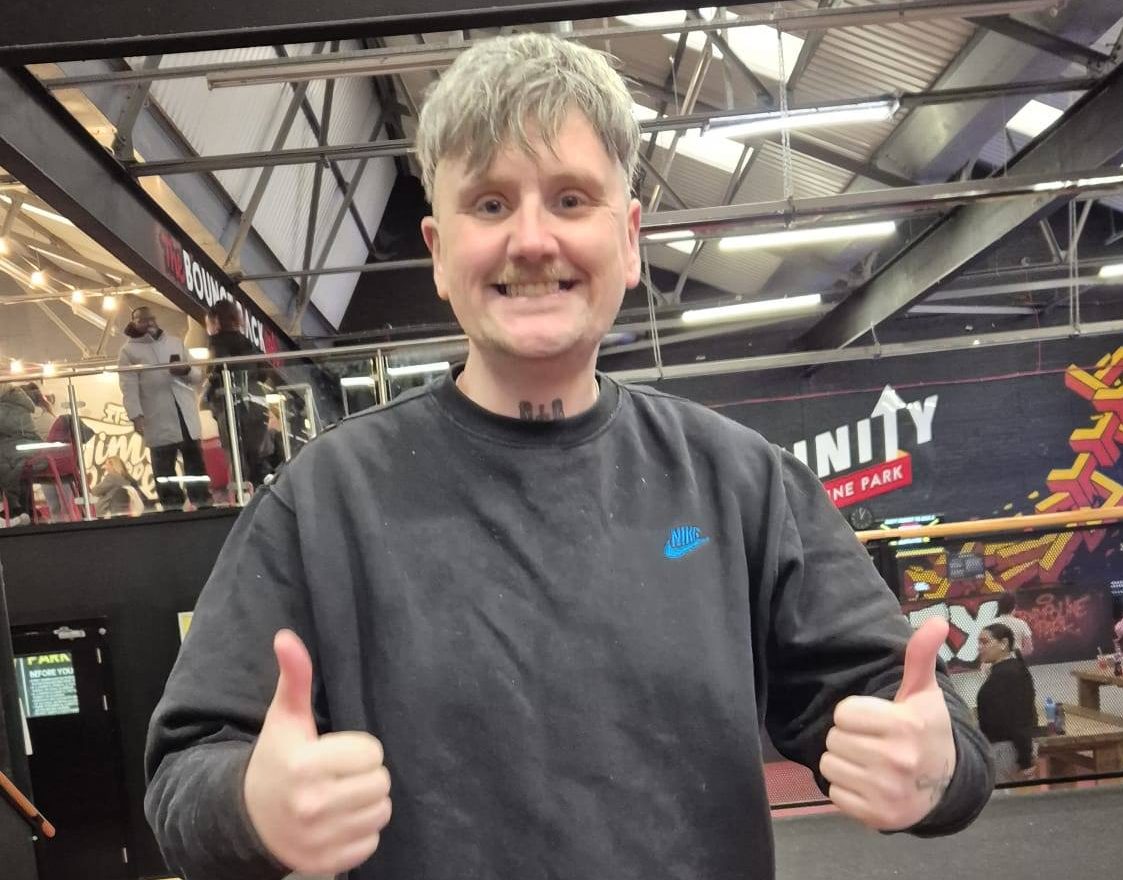
Gareth Clement, founder of the Grumpy Dumpty Foundation, said the proposals come directly from his own lived experience of addiction, recovery and mental health struggle. He described himself as a father of three who is now nearly four years sober after battling alcoholism and surviving a suicide attempt.
The first petition calls for all food containing alcohol to be clearly labelled. Clement says cooking does not always remove all alcohol and argues that even trace exposure can be distressing for some people in recovery.
The second petition calls for retailers, advertisers and digital platforms to provide an opt-out from online alcohol advertising and alcohol product visibility, including on shopping and delivery apps.
Clement said the campaign is not about restricting other people’s choices, but about giving those in recovery more control over what they are exposed to.

He said hidden alcohol in food and the constant visibility of alcohol products online can be deeply unhelpful for people trying to rebuild their lives.
For many people, recovery is not simply about avoiding a drink. It can also mean managing triggers, cravings and distress in everyday situations that others may barely notice.
The petitions are still in their early stages, but Clement hopes they will start a wider conversation about how addiction is understood and how people in recovery are supported.
His wider work through the Grumpy Dumpty Foundation focuses on breaking stigma, encouraging openness and offering support rooted in lived experience.
Whether either proposal gains political backing remains to be seen, but the campaign raises questions that are likely to resonate with many families in Wales affected by alcohol harm, addiction and poor mental health.
At the very least, Clement believes people in recovery deserve clearer information, fewer unnecessary triggers and a fairer chance of staying well.
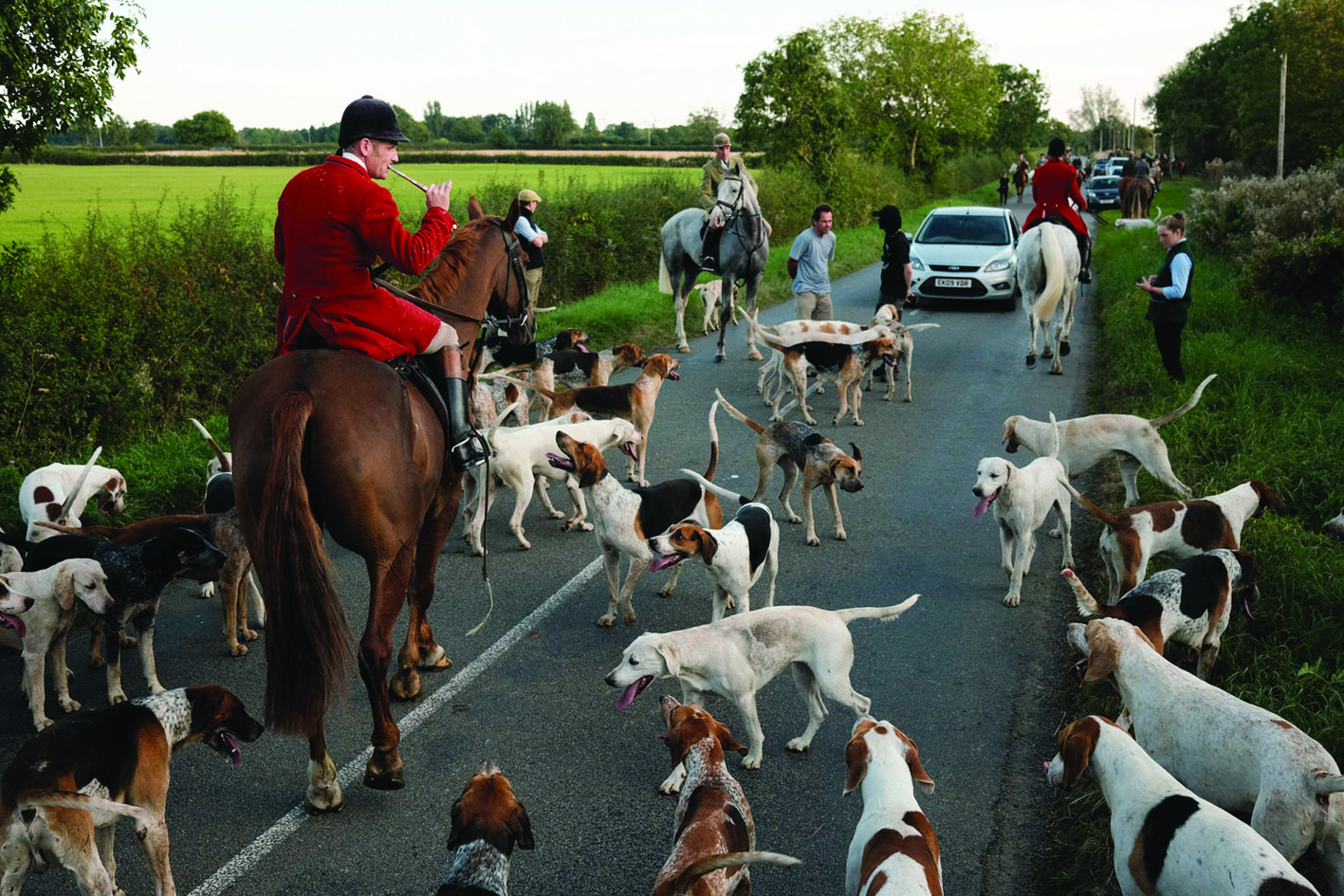
Animal welfare groups back proposed ban, while supporters of country sports warn against further pressure on rural traditions
THE UK GOVERNMENT has opened a public consultation on plans to ban trail hunting in England and Wales, setting up a fresh debate in rural areas including Pembrokeshire, where hunting remains part of the social calendar for some communities.
Ministers say the move would deliver a Labour manifesto pledge and help close what campaigners describe as loopholes in the law. The consultation is seeking views from the public, landowners, hunt organisers, local authorities, conservation bodies, businesses and animal welfare groups on how a ban should work in practice and whether wider changes to hunting law may also be needed.
Trail hunting was introduced after the Hunting Act 2004, with organisers saying it involves hounds following an artificially laid scent rather than a live animal. Opponents argue it has too often been used as a cover for illegal hunting, while supporters say it is a lawful countryside activity which should not be swept away by politics.
The Hunt Saboteurs Association and the League Against Cruel Sports have both welcomed the consultation, saying it gives the public a chance to support stronger protections for wildlife and prevent further loopholes from being exploited.
But countryside groups have hit back, arguing that the proposals could have serious consequences for rural communities, jobs and long-standing local traditions. The Countryside Alliance has urged supporters to respond, saying those who understand country life must not allow others to shape the outcome unchallenged.
The issue is likely to attract strong views in Pembrokeshire, where country sports still have a loyal following. The Cresselly Hunt, one of the best-known local hunts, continues to hold regular trail hunts and social events, underlining how closely the subject is tied to local rural identity as well as national legislation.
That means any attempt to tighten the law is unlikely to be seen locally as a simple animal welfare measure. For many in west Wales, it will also be viewed through the lens of heritage, land management and concern that rural voices are being overlooked by decision-makers.
The consultation does not itself change the law, but it is the clearest sign yet that legislation is being prepared. With ministers now formally gathering evidence and public opinion, both supporters and opponents of hunting are expected to campaign hard over the coming weeks.

Campaign group says Wales is being left behind as parties urged to back legal framework for trials
POLITICAL parties contesting the Senedd election are being urged to commit to new laws that would allow shared e-scooter schemes to operate legally in Wales.
The call has come from Collaborative Mobility UK (CoMoUK), a charity which promotes shared transport, ahead of voters going to the polls in May.
At present, Wales has no public shared e-scooter trials, unlike parts of England where pilot schemes have been running since 2020. CoMoUK says that means communities in Wales are missing out on what it describes as a cheap, flexible and greener form of transport.
The charity has published six pledges it wants the next Welsh Government to support. Among them is a commitment to pass the legislation needed to allow shared e-scooter schemes on public roads.
CoMoUK said cities including Cardiff, Swansea and Newport would be well placed to host trials if the legal framework was introduced.
As well as calling for shared e-scooters, the organisation wants the next Welsh Government to create a dedicated shared transport team, expand car club provision, support shared bike schemes, and provide long-term funding for mobility hubs linking different forms of transport together.
It is also urging ministers to ensure new housing developments are designed to reduce dependence on private cars and include shared transport options.
Richard Dilks, chief executive of CoMoUK, said Wales had a chance to put sustainable transport “at the heart” of political debate ahead of the election.
He said: “Communities in England have benefited from the flexibility of shared e-scooters for years, and it is high time that this innovative form of transport was trialled in Wales too.

“As well as giving e-scooter schemes the green light, enacting our other pledges would help the next Welsh Government unlock a cleaner, greener, and more affordable future for all.”
Supporters of shared e-scooters argue they could help cut congestion, reduce emissions and make short urban journeys easier without relying on private cars.
However, any move towards legalising schemes in Wales is likely to prompt debate over safety, enforcement and where such schemes would be most appropriate.

At present, no Welsh political party has committed itself to introducing the legislation CoMoUK is calling for.



Health16 hours ago
Crumbling NHS faces £1bn repairs bill in Wales
Senedd election promises collide with the harsh reality of ageing hospitals, fire safety concerns and a maintenance crisis stretching across...


News1 day ago
Emergency services respond to incident in Haverfordwest town centre
EMERGENCY SERVICES were called to an incident in Haverfordwest town centre on Saturday morning (Apr 4), with police and ambulance...
News1 day ago
Teenager intervenes after bridge incident
A TEENAGER was left shaken after stepping in to help a young woman in distress on Clay Lanes bridge in...


Crime3 days ago
Driver spared jail after crash killed young couple
A PEMBROKE DOCK driver who caused the deaths of a young couple in a road crash has been given a...

Entertainment3 days ago
BBC unveils major new Welsh dramas with Tenby set for prime-time spotlight
New crime series Old Town Murders and supernatural thriller The Witch Farm will both be filmed and set in Wales...


Health3 days ago
No jobs for new paramedics in Wales as graduates told to apply for technician roles
Students trained at public expense urged to take lower-grade jobs as anger grows over NHS workforce planning NEWLY qualified paramedics...


News4 days ago
Health minister refuses to act on Withybush despite 15,000-signature petition
Senedd pressure grows as Welsh Government declines to intervene over surgery fears THE WELSH GOVERNMENT has refused to step in...


Business5 days ago
Fishguard to Wexford rail tunnel plan backed by Elon Musk firm
Six-hour London to Dublin service proposed in £32bn project ahead of Senedd election PLANS for a rail tunnel linking west...

Charity5 days ago
Milford Haven charity honoured with King’s Award for voluntary service
A PEMBROKESHIRE charity supporting vulnerable young people has received one of the highest honours in the UK for voluntary work....


News6 days ago
Plaid Cymru launches bid to lead next Welsh Government
Party positions itself as ‘government-in-waiting’ ahead of May election PLAID CYMRU has formally launched its campaign for the 2026 Senedd...
-

 News2 days ago
Accommodation providers in Wales will be required to register under new law
-
Business5 days ago
Fishguard to Wexford rail tunnel plan backed by Elon Musk firm
-

 Entertainment3 days ago
From Milford Haven to the world: The story of The Evolution Experience
-
Entertainment3 days ago
BBC unveils major new Welsh dramas with Tenby set for prime-time spotlight
-
 Charity6 days ago
RSPCA calls for stronger animal welfare measures as Welsh Labour launches manifesto
-
 Crime7 days ago
Gunshot fired by police during incident in Milford Haven
-
 Community6 days ago
Pembrokeshire school allows Sikh pupil to wear Kirpan
-

 News6 days ago
Labour promises 48-hour GP access as manifesto faces questions over delivery