


Health
Junior doctors in Wales vote in favour of strike action over pay

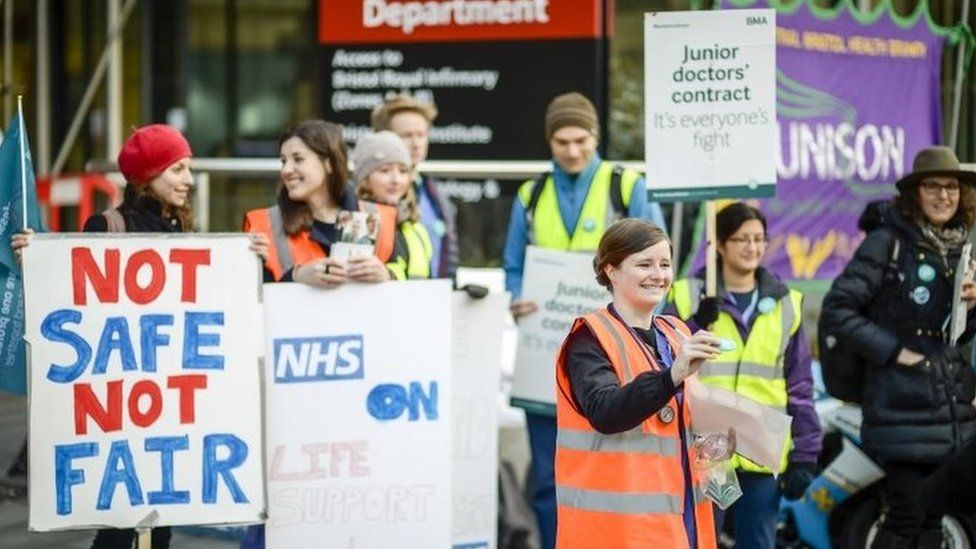
JUNIOR doctors in Wales have voted overwhelmingly for strike action in their fight for pay restoration, a campaign to restore their pay which has been cut by nearly a third (29.6%) in real terms since 2008/9.
Almost every junior doctor who cast a vote (98 %) voted in favour of industrial action in the ballot which ended at midday today (Monday 18th December).
A significant 65% of junior doctors eligible to vote in Wales had responded to a call to take part in strike action which will take place from 15 January.
The 72-hour full walkout could potentially see over 3,000 doctors with up to 11 years of experience out of medical school withdraw their labour from Welsh hospitals and GP surgeries across Wales in pursuit of a fairer deal for their service.
The Welsh junior doctors committee made the decision to ballot members in August after being offered another below-inflation pay offer of 5% – the worst in the UK and 1% lower than recommended by the DDRB (the review body for Doctors’ and Dentists’ Remuneration).

The offer was put to the doctors just four months after the Welsh Government initially declared they would commit to the principle of pay restoration back in April 2023.
Dr Oba Babs-Osibodu and Dr Peter Fahey co-chairs of BMA Cymru Wales’ junior doctors committee said:
“This vote clearly shows the strength of feeling. We are frustrated, in despair and angry and we have voted clearly to say, ‘in the name of our profession, we can’t and we won’t take any further erosion of our pay.
“Our members have been forced to take this difficult decision because Junior doctors in Wales have experienced a pay cut of 29.6 per cent in real terms over the last 15 years.
“A doctor starting their career in Wales will earn as little as £13.65**** an hour and for that they could be performing lifesaving procedures and taking on huge levels of responsibility.
“We aren’t asking for a pay rise – we are asking for our pay to be restored in line with inflation back to 2008 levels, when we began to receive pay cuts in real terms. Pay needs to be fair and competitive with other healthcare systems across the world to retain and recruit doctors and NHS staff to provide much-needed care.
“On top of this junior doctors are experiencing worsening conditions and so doctors are now looking to leave Wales to develop their careers for better pay and a better quality of life elsewhere.

“This is not a decision that has been made lightly. No doctor wants to take industrial action, but we have been given no choice. Doctors are already voting with their feet and leaving the NHS and we are in a vicious cycle of crippling staffing shortages and worsening patient care”
Responding to the news that junior doctors in Wales have voted in favour of strike action, with a 72-hour walkout scheduled from Monday 15th January, assistant director of the Welsh NHS Confederation Nesta Lloyd-Jones said: “Health leaders know this is not a decision staff who voted for strike action will have taken lightly and recognise the frustration staff feel.
“Like most people, staff are being hit hard by the cost-of-living crisis, alongside rising demand for healthcare causing increased pressure at work. NHS leaders recognise how hard staff work and the huge contribution, and sacrifices, they make day in, day out and we can’t thank them enough.
“It must be acknowledged that this comes at a particularly difficult time for public finances, but we urge those on both sides of the table to do everything possible to reach a compromise.
“By now, we understand the impact industrial action can have on staff, patients, waiting lists and wider NHS finances and we know January usually sees some of the highest demand on services.
“Following the announcement, NHS organisations will now focus on understanding the implications on services and put contingency plans in place to minimise disruption to patient care. If any changes need to be made to non-urgent care services, such as check-ups and elective care, they will ensure this is communicated in advance to patients.”
Commenting on the news that junior doctors in Wales will strike in January, Welsh Conservative Shadow Health Minister, Russell George MS said: “It is clear that the Labour Government’s has not done enough to avert the strikes that will be causing disruption after the busy Christmas period and inevitably beyond.
“Patients in Wales are already suffering from significant waiting times for treatment, in A&E and for ambulances. With news this morning that taxis are being used to replace ambulances in North Wales and Labour continuously missing their target of eliminating inhuman 2-year waits this disruption will act as a further setback as the winter pressures mount.
“I would suggest to Labour Ministers in the Senedd that they park their pet projects and spend the full Barnett consequential on the health budget, as for every £1 spent in England, Wales receives £1.20, yet Labour only spend £1.05 on the health service here in Wales.”

RCN Wales joins doctors, patient groups and charities in call for national reporting before summer recess
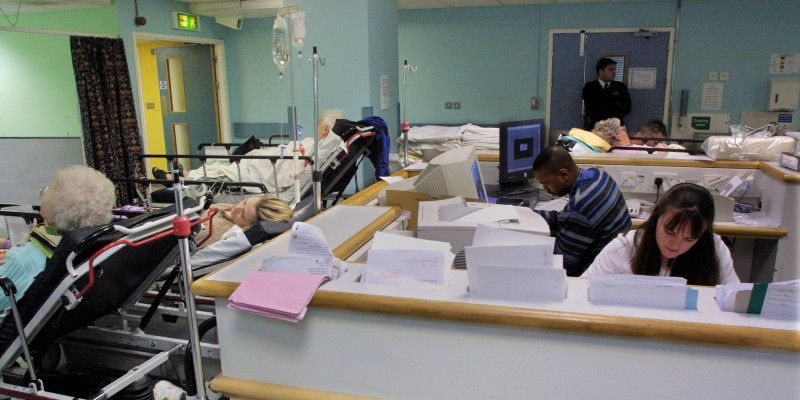
NURSING leaders, doctors, patient groups and charities have called on the Welsh Government to take urgent action to end corridor care in Welsh hospitals.
A joint letter signed by Age Cymru, BMA Cymru Wales, Carers Wales, Llais, Marie Curie Cymru, Royal College of Nursing Wales, Royal College of Emergency Medicine Wales, Royal College of Pharmacy and Royal College of Physicians sets out a series of steps ministers are being urged to take immediately.
The organisations want the Welsh Government to publish a formal definition of corridor care, introduce national reporting, monitor the issue as a patient safety indicator, and require health boards to produce local plans focused on the most vulnerable patients.
They have also called for a coordinated approach across health and social care, warning that the problem cannot be tackled properly unless it is measured consistently across Wales.
The groups want a public commitment from the Welsh Government before the Senedd’s final sitting day before the summer recess on July 17.
‘Unsafe and unacceptable’
Corridor care refers to patients being assessed, treated or cared for in inappropriate areas such as corridors, waiting rooms, ambulance bays or other spaces not designed for clinical care.
Health bodies have repeatedly warned that the practice can put patients at risk, reduce privacy and dignity, and leave staff unable to provide the level of care they know patients need.
RCN Wales Executive Director Nicola Williams said corridor care was still happening every day across most hospitals in Wales.
She said: “Earlier this month, we welcomed the Cabinet Minister for Health and Care’s determination to address corridor care following England’s first publication of corridor care statistics.
“I have also been encouraged by the verbal commitments I have received from Welsh Government officials that echo our priorities of a clear, consistent definition of corridor care across Wales, and the development of a data set for use across NHS Wales for public reporting.
“Corridor care continues to happen every day across most hospitals in Wales, putting patients’ wellbeing and lives at risk and affecting the morale of nursing staff who cannot give the care that patients deserve.
“We must be able to quantify this problem if we are to eliminate it.”
Ms Williams added that the RCN must be involved in efforts to eradicate corridor care because nurses are “at the forefront of this crisis and a vital part of the solution.”
Wales behind England
The call comes after NHS England began publishing national corridor care data, giving a clearer picture of how often patients are being treated in inappropriate settings.
In Wales, there is still no formal national definition of corridor care and no routine public reporting.
RCN Wales has argued that without consistent data by health board, it is impossible to know the true scale of the problem, identify trends or hold the system properly accountable.
The issue has been raised repeatedly by nursing and medical bodies in recent months. In January, RCN Wales published a briefing calling for care delivered to a patient in a chair for more than 24 hours to be treated as a “never event.”
The RCN and BMA Cymru Wales have also called for reductions in hospital beds to be paused, for capacity to be reviewed nationally, and for greater investment in community and social care so patients who are medically fit to leave hospital can be discharged safely.
Healthcare Inspectorate Wales has also warned that corridor care should not become normalised, saying care in non-clinical spaces can compromise patient safety, dignity and the quality of care.
West Wales concerns
The issue is particularly relevant in west Wales, where hospital capacity, ambulance handover delays and the future of local services remain politically sensitive.
Hywel Dda University Health Board has faced repeated criticism over pressures at Withybush, Glangwili, Bronglais and Prince Philip hospitals, with patients in rural areas often facing long journeys for emergency treatment.
The call from nursing and medical bodies comes days after the Senedd backed a motion calling on the Welsh Government to rule out hospital closures and service downgrades during the current Senedd term, with patient safety prioritised.
That debate was dominated by concerns over Withybush Hospital, where changes to emergency general surgery mean some patients who need emergency operations will be transferred to Glangwili Hospital in Carmarthen.
Campaigners argue that distance is itself a patient safety issue in rural Wales, particularly when emergency departments and ambulance services are already under pressure.
Wider NHS pressure
Corridor care is widely seen as a symptom of wider problems across the NHS, including delayed discharges, lack of social care capacity, pressure on emergency departments, workforce shortages and too few available beds.
Doctors and nurses say patients can end up stuck in emergency departments because hospital wards are full, while patients on wards cannot leave because care packages or community support are not available.
The result is a system where pressure builds at the hospital front door, leading to long waits, ambulance queues and patients being cared for in unsuitable spaces.
The Welsh Government has previously said it recognises the seriousness of the issue and is committed to improving urgent and emergency care.
But professional bodies say recognition is no longer enough and that Wales now needs clear national data, local health board plans and public accountability.
The joint letter places fresh pressure on ministers to act before the Senedd breaks for summer.
For patients and staff, the message from Wales’ leading health organisations is blunt: corridor care cannot be ended until Wales properly defines it, measures it and treats it as a major patient safety issue.

Reform UK amendment passes as West Wales hospital fears remain central political issue
THE SENEDD has backed a call for the Welsh Government to rule out hospital closures and service downgrades during the current Senedd term, following a heated debate over the future of the NHS in Wales.
The motion was originally tabled by the Welsh Conservatives and called on ministers to rule out “any hospital closures and downgrading of hospital services for the duration of the Seventh Senedd.”
The original wording was defeated, but a revised version was later passed after Labour added wording that any decisions must prioritise patient safety.
The final motion agreed by MSs called on the Welsh Government to rule out hospital closures and downgrading of hospital services “with all decisions prioritising patient safety.”
Reform UK also played a significant role in the debate. James Evans MS moved an amendment, tabled in the name of Llŷr Powell, calling on the Welsh Government to set out how much it intends to spend tackling the NHS maintenance backlog to prevent reductions in service delivery.
The amendment was passed by 44 votes to 42 and became part of the final agreed motion, making it one of Reform’s first significant interventions on NHS policy since the Senedd election.
Withybush concerns
The debate comes amid continuing concern in Pembrokeshire over the future of services at Withybush Hospital.
Earlier this year, Hywel Dda University Health Board approved changes to emergency general surgery, meaning patients at Withybush who need emergency operations would be transferred to Glangwili Hospital in Carmarthen.
The health board has said Withybush will retain same-day emergency surgical care, but campaigners and local politicians have described the change as a serious downgrade.
During the Senedd debate, Preseli Pembrokeshire MS Paul Davies said the removal of emergency general surgery from Withybush was not a minor change, but a fundamental alteration to hospital services in west Wales.
He called on the Welsh Government to intervene and warned that communities in Pembrokeshire had already seen services centralised away from Withybush over many years.
Political row
The Welsh Conservatives accused Plaid Cymru ministers of failing to give patients certainty over the future of local hospitals.

Natasha Asghar MS, Welsh Conservative Shadow Cabinet Secretary for Health and Social Care, said: “It’s deeply worrying that Plaid Cymru failed to support our commitment to no hospital closures and no downgrading of services during this Senedd term.
“Patients deserve certainty that vital services will remain open and close to home when they need them most.”
Plaid Cymru has rejected the Conservative attack, arguing that NHS service decisions must be clinically led and based on patient safety.
Plaid MS Anna Nicholl also told the Senedd that protecting services at hospitals including Withybush and Bronglais was a priority.
The Conservative claim that Plaid has “given the green light” to hospital closures is a political interpretation of the vote rather than a decision to close any specific hospital.
Following the debate, Mr Davies said, “Communities across west Wales are deeply concerned about the future of their local hospital services and they want the Welsh Government to intervene and stop the local Health Board from centralising their services further afield – especially when the party of government campaigned against the Health Board’s proposals during the Senedd elections.
“Patients living in Pembrokeshire and Ceredigion deserve safe, accessible healthcare closer to their homes – they should not have to travel further afield for vital services.”
“We know that previous Welsh governments stood back and did nothing, and I hope this new Welsh Government doesn’t choose to go down the same route. We need urgent intervention from the Welsh Government to safeguard services and ensure they stay put at Withybush and Bronglais hospitals.”
What the debate does show is a clear divide over how far Welsh ministers should go in ruling out future service changes.
West Wales battleground
The issue is especially sensitive in west Wales, where the future of hospital services was one of the defining issues of the Senedd election campaign.
Concerns over Withybush, Bronglais and the distance rural patients must travel for emergency care helped shape the political mood in Ceredigion Penfro, where former First Minister Eluned Morgan lost her seat before resigning as Welsh Labour leader.
For communities in Pembrokeshire, the issue is not abstract. Withybush Hospital has been the subject of repeated campaigns over maternity, paediatrics, emergency surgery and other services, with many residents fearing that gradual centralisation is making healthcare less accessible in one of Wales’ most rural counties.
The Welsh Government and Hywel Dda have consistently argued that services must be safe, sustainable and clinically viable.
But campaigners say that in rural areas, distance itself is a safety issue, particularly when patients face long journeys to Carmarthen or beyond in an emergency.
The final Senedd vote means MSs have now formally backed a call to rule out hospital closures and downgrades, but with an important patient safety caveat.
For Withybush, the practical question remains whether that political vote will have any impact on decisions already made by Hywel Dda, or on future plans for hospital services in west Wales.
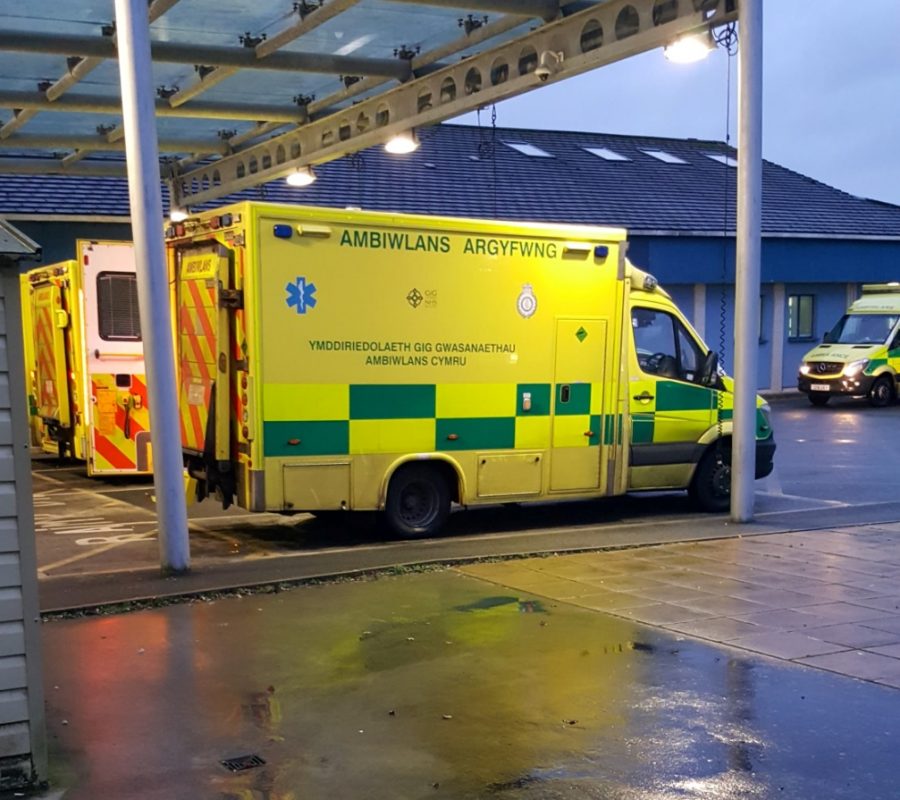
AMBULANCE handover delays, long waits in emergency departments and delays discharging patients from hospital are continuing to put people at risk across Wales, Audit Wales has warned.
The public spending watchdog said urgent and emergency care remains under “constant pressure” despite extra funding and new policies aimed at improving joined-up working between the NHS, ambulance service, councils and social care providers.
In an article published today, Monday (Jun 22), Audit Wales said its work since 2024 had examined how health boards and the Welsh Ambulance Services NHS Trust manage demand for urgent and emergency care, as well as how health boards and local authorities support timely discharge from hospital.
It found that pressures across the system are increasing patient safety risks and driving up costs.
Key problems identified include ambulance handover delays, lengthy waits in emergency departments, underused new services despite extra funding, and delayed hospital discharges which continue to result in hundreds of thousands of lost bed days each year.
Audit Wales also said workforce problems across health and social care remain a major factor in delayed discharges.
The watchdog warned that data is still not being shared effectively across the system, making it harder for public bodies to make informed decisions and manage pressure.
The findings will add to growing concern about the state of urgent and emergency care in Wales, with patients, families and frontline staff repeatedly warning that delays in A&E and problems arranging social care packages are leaving people waiting too long for treatment or stuck in hospital after they are medically fit to leave.
Audit Wales said staff and leaders across the system had made clear that “something must change”.
It has set out six questions for the Welsh Government, NHS Wales and local authorities to consider as they look at how urgent and emergency care can be improved.
The Auditor General for Wales is the independent statutory external auditor of the devolved Welsh public sector and is responsible for auditing most public money spent in Wales.
The Herald has asked the Welsh Government and Hywel Dda University Health Board for comment.




Health8 hours ago
Senedd backs call to rule out hospital downgrades after heated NHS debate
Reform UK amendment passes as West Wales hospital fears remain central political issue THE SENEDD has backed a call for...

News11 hours ago
Coastguard callout payments axe sparks fears for coastal communities
VOLUNTEER coastguards across the UK are set to lose callout payments, prompting concern over the future resilience of emergency cover...


Farming12 hours ago
Rural Wales ‘left out’ of net zero debate, warns carbon entrepreneur
A WELSH carbon entrepreneur has warned that rural Wales risks being left behind in the national conversation about net zero....


Local Government1 day ago
Tenby Spectacular row continues as organisers say key question remains unanswered
Round Table says legal clarity over pedestrian access is still holding up event plan TENBY ROUND TABLE has welcomed Pembrokeshire...


Community2 days ago
Manorbier fire scandal: Council’s payout just £63,777 after school destroyed
PEMBROKESHIRE COUNTY COUNCIL has accepted an insurance settlement which leaves it with just £63,777.07 after the catastrophic fire which destroyed...


News2 days ago
Bus overturns in major incident near Kidwelly
All passengers rescued as emergency services remain at scene A BUS overturned on the A484 between Kidwelly and Ferryside on...


Community3 days ago
Tenby Summer Spectacular cancelled amid council row over harbour access
Organisers say popular charity events cannot safely go ahead without clear powers to control crowds TENBY ROUND TABLE has announced...


News3 days ago
Motorcyclist dies after four-vehicle crash on A40 in Carmarthenshire
A MOTORCYCLIST has died following a four-vehicle collision on the A40 between St Clears and Whitland. Dyfed-Powys Police said the...


News3 days ago
Rhun ap Iorwerth urges new deal for Wales after Starmer quits
First Minister says next Prime Minister must focus on greater powers, fair funding and respect for Wales’ democratic mandate FIRST...


News3 days ago
How Labour’s landslide victory unravelled in just two years
Prime Minister announces resignation after losing support within his own party as Andy Burnham emerges as overwhelming favourite to take...
-

 Health5 days ago
Woman jailed assaults on police, harassment and XL Bully possession
-

 Crime5 days ago
Milford Haven woman spared jail despite string of shop thefts
-

 Community4 days ago
The gentle giant behind the tattoos
-

 Crime5 days ago
Spittal man to stand trial accused of ABH
-

 Crime5 days ago
Carmarthenshire pensioner, 86, accused of causing prostitution for gain
-

 Entertainment4 days ago
Harbour Fest to bring music, food and maritime magic to Milford Waterfront
-

 News7 days ago
Fatal train crash caused by overrun as braking systems failed to stop train
-

 Community6 days ago
Cabinet to review recent decision on crematorium services at special meeting