


Health
Welsh Government cuts ‘essential medication’ for skin condition sufferers


A WEST WALES resident has launched a scathing attack on the Welsh Government after discovering that essential medication for his brother’s debilitating skin condition, Palmoplantar Keratoderma, will no longer be provided by the NHS.
David Ethan Jones, whose brother suffers from the condition, has penned an open letter to the Cabinet Secretary for Health and Social Care, expressing his shock and disgust at the decision. According to Mr Jones, his brother was informed of the cut when he recently visited Singleton Hospital, where he was told that his regular medication, Oilatum, would no longer be available due to cost-cutting measures.

The letter Mr Jones’ brother received, reportedly issued by the Welsh Government, explained that the decision was part of a broader effort to reduce healthcare costs. However, no alternative treatment was offered, leaving patients like Mr Jones’ brother, who cannot use conventional soap or body wash due to their corrosive effects on his sensitive skin, without a vital lifeline.
Palmoplantar Keratoderma, a rare and painful condition, has dominated Mr Jones’ brother’s life for nearly 30 years. The psychological impact has been profound, with severe mental health issues stemming from childhood bullying related to the condition. Mr Jones detailed how his brother’s anxiety is so extreme that he even wore gloves to his own wedding to hide his affected palms.
Mr Jones, who lives in Gwaun Cae Gurwen on the Carmarthenshire border with Neath Port Talbot, described the government’s decision as “absolutely disgusting,” accusing them of prioritising cost-cutting over the health and wellbeing of their citizens. “It is appalling that the government of my country can brazenly disregard the health needs of its people without so much as a warning,” he wrote.

In a pointed criticism of the Welsh Government’s spending priorities, Mr Jones also referenced the recent controversial introduction of 20mph speed limit signs across the country, questioning the viability of life in Wales and the UK as a whole under current leadership.
He warned that the decision to discontinue emollients would be “devastating” for the many people who rely on their medicinal benefits. “It seems the government is more interested in money than the people they serve,” he added.
Mr Jones has vowed to escalate the issue, promising to forward his concerns to media outlets, opposition members, and other relevant parties in the hope of drawing attention to what he described as the “shambolic handling” of the country by the Welsh Labour Government.
As of now, the Welsh Government has not issued a response to Mr Jones’ letter. However, the growing public outcry may prompt officials to reconsider the decision and address the concerns of those affected by the cut.

This development has sparked a wider debate about healthcare funding in Wales, with many questioning whether cost-cutting measures are being implemented at the expense of the most vulnerable members of society.


Concerns raised over phone-based support replacing GP referrals
ADULTS seeking routine mental health support in west Wales will increasingly be directed to a telephone helpline instead of face-to-face services, following a major decision by Hywel Dda University Health Board.
The Health Board has approved a permanent change to how patients in Ceredigion access support, with plans to roll out the same system across Pembrokeshire and Carmarthenshire in phases.
Under the new pathway, patients assessed by their GP as needing non-urgent mental health support will be told to contact the NHS 111 Wales “Press 2” service, rather than being referred to community mental health teams.
The change was first introduced in Ceredigion in March 2025 as an emergency response to staff shortages.
Health chiefs now say the model has proven “safe and effective,” claiming it allows patients to receive quicker support while freeing up specialist teams to deal with more serious cases.
Liz Carroll, the Health Board’s Service Director for Mental Health and Learning Disabilities, said: “Making this change permanent will mean more adults needing non-urgent support will access help much quicker.”
She added that the move would also create capacity for those with “more complex or urgent mental health needs.”
Concerns over access and understanding
Despite the positive assessment, the decision follows a nine-week consultation in which concerns were raised by patients and professionals.
Feedback highlighted confusion about how the 111 Press 2 service works, what support it can offer, and its limitations.
There were also worries about accessibility for people who struggle with telephone-based services, as well as questions around medication and prescribing.
Andrew Carruthers, Chief Operating Officer at the Health Board, acknowledged the concerns.
He said: “People told us they wanted greater clarity and consistency… and highlighted gaps in understanding about 111 Press 2.”

He added that steps would be taken to improve awareness and build trust as the system is rolled out more widely.
Shift driven by pressure on services
Before the change, some patients in Ceredigion faced waits of up to 28 days or more for a face-to-face assessment.
However, data suggested that fewer than five per cent of those referred required that level of specialist input.
Health officials say diverting less urgent cases to the 111 service has improved access times and allowed community mental health teams to prioritise higher-risk patients.
The Health Board also confirmed there has been no increase in serious incidents or complaints linked to the temporary system.
What it means for Pembrokeshire
The phased rollout means patients in Pembrokeshire will soon see similar changes when seeking help for non-urgent mental health issues.
GPs will still be able to refer patients directly to specialist teams where cases are urgent or complex.
The NHS 111 Wales Press 2 service operates 24 hours a day and offers free access to mental health support, including Welsh-language provision.
However, the shift marks a significant move away from traditional GP-led referrals — and is likely to prompt debate over whether remote access can fully replace in-person care.

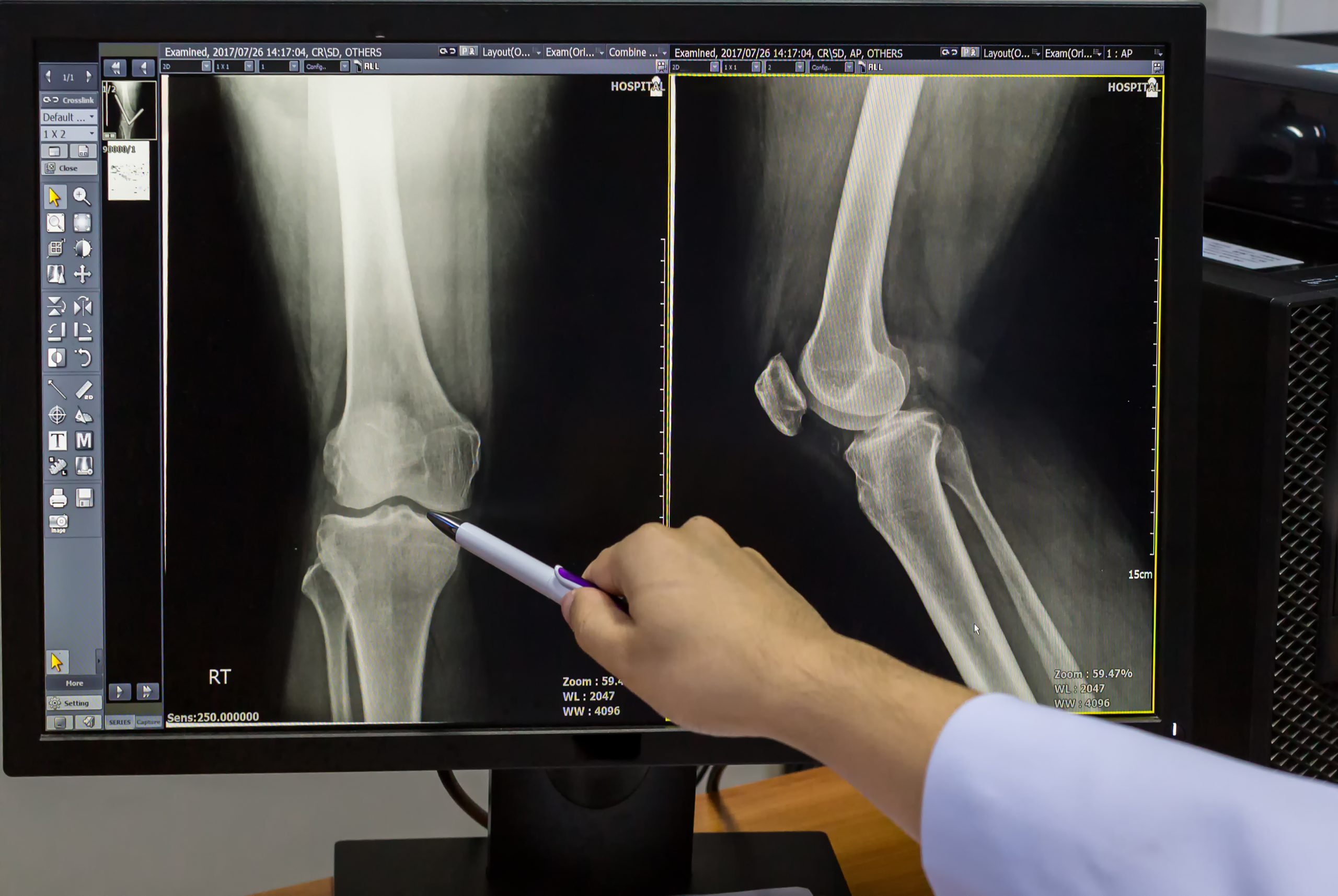
Falling GP numbers and funding gaps blamed for worsening hospital delays
THE NHS crisis highlighted earlier this week is being driven in part by a deepening shortage of GP services, a new Senedd report has revealed.
As previously reported by The Herald, politicians have raised serious concerns about mounting pressure on hospitals, long waits in A&E, and the growing strain on frontline services. Now, a report published on Friday (Mar 27) by the Senedd’s Health and Social Care Committee points to the root of the problem — a weakening primary care system.
The Committee warns that without urgent investment in GP services and preventative care, demand across the NHS will continue to rise beyond capacity.
Sharp decline in GP practices
The report highlights a long-term fall in the number of GP practices across Wales.
In 2002, there were 516 practices operating nationwide. By the start of the pandemic in 2020, that number had dropped to 404. Today, just 374 remain.

The decline has been felt most acutely in rural areas, including west Wales, where fewer practices are now expected to serve growing populations with increasingly complex health needs.
The result, the report suggests, is more patients turning to already overstretched hospital services.
Funding model under pressure
Despite Welsh Government commitments to prioritise community healthcare, the Committee heard evidence that funding has not kept pace with demand.
Concerns were also raised about the current funding formula used for GP practices, which critics say fails to properly reflect deprivation, illness levels and the challenges of delivering care in rural areas.
Without reform, the Committee warns that general practice risks becoming unsustainable, with inequalities in access likely to widen.
Access frustration growing
Patients across Wales continue to face difficulties accessing GP appointments, with the so-called “8:00am scramble” remaining a major source of frustration.
Older patients, those in work, and people with caring responsibilities are among those most affected.

The report also points to concerns about reduced continuity of care and shorter appointment times, contributing to declining public confidence in GP services.
Hospitals feeling the strain
The findings reinforce concerns raised earlier this week about pressure on emergency departments and delays in care.
By failing to invest sufficiently in primary and preventative services, the report suggests more patients are reaching crisis point — increasing demand for hospital treatment that could otherwise have been avoided.
Call for urgent action
The Committee is calling on the Welsh Government to shift more healthcare services into the community, backed by sustained investment and reform of the funding system.
Committee chair Peter Fox said: “General practice and primary care are the cornerstone of our NHS.
“If we are to ease the growing pressures across the whole health system, we must ensure people can access services closer to home and receive treatment earlier.”
Healthcare leaders, including the British Medical Association and the Royal College of General Practitioners, have also warned that without decisive action, GP services will continue to deteriorate.
The report concludes that unless primary care is strengthened, pressure on hospitals will continue to grow — leaving patients facing longer waits and reduced access to treatment.
BMA Cymru Wales accuses ministers of falling short on pay restoration as Welsh Government accepts DDRB recommendations for 2026-27
DOCTORS in Wales have accused the Welsh Government of failing to properly value NHS staff after ministers accepted this year’s independent pay recommendations for medical and dental professionals. The row centres on whether the award represents fair recognition for frontline staff — or yet another missed chance to reverse years of falling real-terms pay.
In a written statement published on Wednesday (Mar 25), Health Secretary Jeremy Miles said the Welsh Government had accepted the Doctors’ and Dentists’ Review Body recommendations on headline pay for 2026-27. Under the decision, consultants, specialty and associate specialist doctors, resident doctors, dentists and locally employed doctors will receive a 3.5% consolidated uplift from April 1, 2026, while salaried dentists in Community Dental Services and the Public Dental Service will receive 3.75%.
But while the Welsh Government also said it accepted in principle a 3.5% uplift for contractor GPs and a 3.75% uplift to the pay element of dental contracts, ministers made clear that final decisions on how those increases are applied alongside wider contract changes would be left to the next government.
That has triggered an angry response from BMA Cymru Wales. In a press release issued on Wednesday, Dr Iona Collins, chair of the BMA’s Welsh Council, said ministers had “once again chosen to impose an award that falls short” of repeated promises to deliver full pay restoration for doctors employed by NHS Wales.
She said the award failed to reflect the “superhuman” efforts of doctors working under intense pressure and warned that inadequate pay would make it harder to retain staff in the Welsh NHS at a time when many are considering leaving for better pay and conditions elsewhere.
The BMA also raised concerns about general practice, saying GP pay had effectively been left hanging because the Cabinet Secretary linked the award to ongoing General Medical Services contract discussions with the incoming administration. The union said this left general practice “out in the cold” compared with other branches of the profession and called for urgent talks.
The Welsh Government said the award would apply from April 1 and added that wider DDRB recommendations not directly related to headline pay would be considered separately with partners. Ministers thanked NHS staff for their “ongoing dedication and hard work”.
The dispute is likely to reignite the wider argument over recruitment, retention and morale in NHS Wales, with doctors’ leaders insisting that pay restoration is no longer simply about reward, but about preventing more clinicians from walking away from the service.



Crime5 hours ago
Gunshot fired by police during incident in Milford Haven
A POLICE officer discharged a firearm during an incident in Milford Haven on Saturday evening (March 28), prompting an investigation...


Community1 day ago
Three Amigos Easter Run roars through Pembrokeshire
MOTORCYCLE enthusiasts turned out in force today (Saturday, March 28) as the popular Three Amigos Easter Run returned to the...


Education2 days ago
Ysgol Henry Tudor reassures parents over Sikh ceremonial kirpan
School says religious item worn by pupil is secured, symbolic and non-functional YSGOL HENRY TUDOR has moved to reassure parents...

Crime3 days ago
Teen jailed after starting fire while others slept
Fire set in shared home left sleeping residents at risk and caused £130,000 damage A TEENAGER who started a fire...

Health3 days ago
GP crisis driving NHS pressure in Wales, Senedd report warns
Falling GP numbers and funding gaps blamed for worsening hospital delays THE NHS crisis highlighted earlier this week is being...


News4 days ago
Reform reveals west Wales candidates for Senedd battle
Monkton councillor tops Pembrokeshire list as party confirms Carmarthenshire names and includes Haverfordwest councillor in unwinnable Swansea spot REFORM UK...

Health4 days ago
Clash over Withybush Hospital services as Paul Davies challenges First Minister
A HEATED exchange in the Senedd has laid bare growing tensions over the future of hospital services in west Wales....


Crime5 days ago
Police stop car in Pennar as three arrested in drugs investigation
Suspected drug driver report leads to major police response and multiple arrests DRAMATIC scenes were reported in Pennar on Monday...


Business5 days ago
New pilot vessel Llanion arrives at Milford Haven
State-of-the-art 22-metre craft marks reset after £3.6m pilot boat controversy THE PORT OF MILFORD HAVEN has taken delivery of a...


Community6 days ago
Sycamore Gap legacy tree to take root in Pembrokeshire landscapes
A SAPLING grown from the famous Sycamore Gap tree is set to become part of Wales’ protected landscapes — with...
-

 Business5 days ago
Taxi fare shock in Milford Haven as drivers switch to meters
-

 Business6 days ago
Could Primark be coming to Haverfordwest? Major retailer in talks for former Wilko site
-

 News4 days ago
Welsh Government outlines progress on flood resilience plans
-
 Health5 days ago
Average of 18 deaths a week in Wales linked to A&E delays, figures reveal
-

 Community3 days ago
Hero female officer keeps job after sexual touching finding
-

 Local Government6 days ago
Milford Haven set for £200m investment with schools, leisure centre and rail upgrade
-

 Crime6 days ago
Armed police attend knife-related incident in Fishguard street
-

 Charity6 days ago
RNLI lifeguards save more than 300 lives in Wales as patrols return for Easter