News
Illegal drugs found in more than one-in-five ‘legal high’ samples

 A NEW report has found that 21% of ‘legal high’ samples collected in Wales contained an amount of various controlled substances.
This percentage shows that people can never be sure of what is in so-called ‘legal highs’, or be certain that what lies within complies with UK drug laws.
This figure was revealed in the Welsh Emerging Drugs and Identification of Novel Substances Project (WEDINOS) Annual Report 2014-2015, published on February 3 by Public Health Wales.
The report found that many of the packaged ‘branded’ products available in shops and via the internet contained more than one drug.

The report also revealed that of the 76 MDMA/Ecstasy samples submitted for testing, nearly half did not contain MDMA. 14% of controlled samples were also found to contain a non-controlled ‘New Psychoactive Substance’ compound.
The samples were submitted anonymously by individuals and organisations including youth and substance misuse services, night clubs and bars, mental health community teams, the ambulance service and police.
The average age for all mind altering/psychoactive sample providers was 36, but ranged from 14 to 68 years old.
Josie Smith, Programme and National Lead for Substance Misuse at Public Health Wales, said: “These findings provide stark evidence that people can never be sure of what is in ‘legal highs’ – which we call ‘new psychoactive substances’. Most importantly, people are at risk of experiencing a range of adverse physical and psychological effects.”

Smith continued: “New psychoactive substances coming onto the market in Wales and across Europe pose a number of threats, with users at risk of acute harms which are well evidenced in this report. The long-term risks associated with these drugs are currently unknown.”
“It’s important we provide accurate analysis along with pragmatic harm reduction information for users and those considering use so they’re aware of all the risks,” concluded Smith.
Those seeking to receive support for drug or alcohol related concerns can contact the Wales Drug and Alcohol Helpline on freephone 0808 808 2234, by texting DAN to 81066 or by visiting dan247.org.uk.

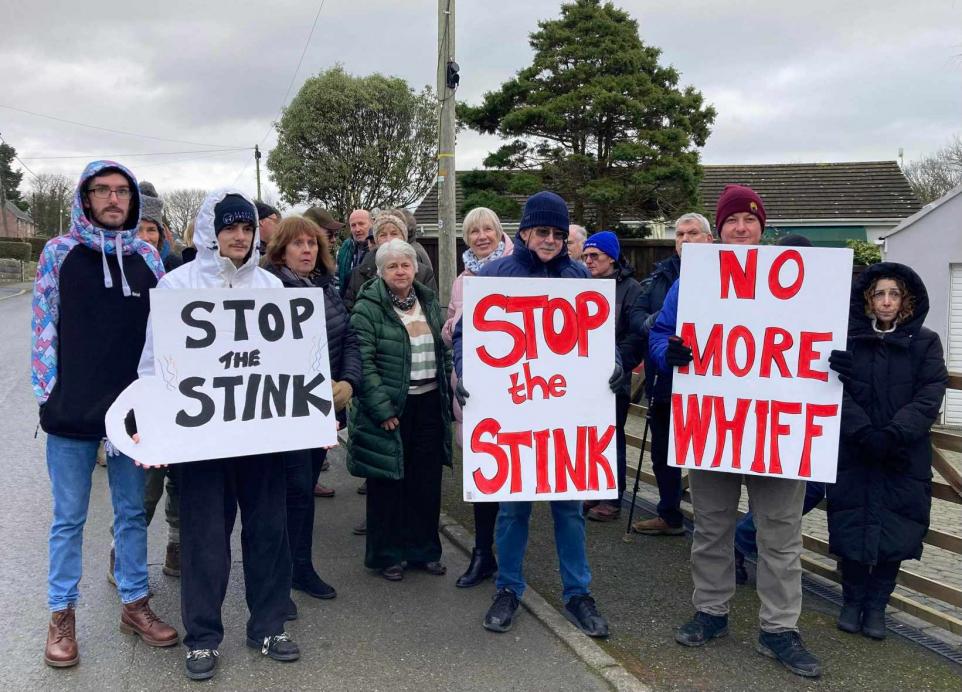
STEPHEN CRABB MP has vociferously criticised the Welsh Labour Government for its management of the Withyhedge Landfill in Pembrokeshire, claiming it has turned the area into a “dumping ground” for waste from across Wales. Mr. Crabb, supported by Paul Davies MS, alleges that substantial lorries deliver waste daily to the site, causing significant distress to local residents. The MP has repeatedly written to the First Minister, demanding immediate intervention, yet claims to have received no response.
Compounding the controversy, Mr. Crabb highlighted a substantial £200,000 donation to Vaughan Gething’s recent election campaign from the landfill’s owner, questioning the impartiality of regulatory practices. Despite ongoing political efforts, Mr. Crabb asserts that resolution lies solely with the Welsh Government, which has the ultimate authority to address these grievances.
Meanwhile, Natural Resources Wales (NRW) has escalated its enforcement actions against the site’s operators, Resources Management UK Ltd (RML), amid persistent community complaints about odour and gas emissions. A recent Regulation 36 Enforcement Notice demands a series of remedial actions by RML, with deadlines stretching into May 2024. These measures focus on improving the site’s gas management infrastructure and capping exposed areas to mitigate odour issues.
Huwel Manley, Head of South West Operations at NRW, expressed understanding of the community’s frustration, emphasizing the urgency of the required actions. “We are committed to ensuring RML Ltd. deliver these actions rapidly and effectively. Continued non-compliance will lead to further measures, potentially including a suspension of the environmental permit,” stated Mr. Manley.

Pembrokeshire County Council, represented by Chief Executive Will Bramble, also voiced disappointment over the ongoing issues, affirming full support for NRW’s stringent enforcement steps. The Council and NRW are working closely to monitor the situation and have encouraged the public to report any odour incidents promptly to aid in effective resolution.
As the deadline approaches, all parties involved are under increasing pressure to demonstrate tangible improvements and ensure the health and well-being of Pembrokeshire residents are prioritised.

POLICE have made the difficult decision to end the search for Luke, following a joint decision by all the agencies involved.
The police said: “After careful consideration of all the information and expert advice that has been made available to us, a joint decision has been made by all agencies involved that the search for Luke will now conclude and will consist of intelligence led enquiries in the coming days.
“Whilst this is an extremely difficult decision to make, we are satisfied that we have done absolutely everything we possibly can to try and locate Luke. His family have been informed of this decision and our thoughts remain with them at this difficult time.
“I would also like to reassure the public that in addition to the searches that have taken place at the estuary, a team of Police Officers have been conducting extensive enquiries in Pembroke Dock since Luke was reported missing.”
Meanwhile the family has made a heartfelt plea for any information that might help trace his last known movements.
Emma Dewhurst has issued an urgent appeal for information that could help track her nephew Luke’s whereabouts, last seen in the early hours of Saturday morning. Describing Luke as “jovial, kind, soft, and timid,” she reflects on his vibrant personality and gentle nature, noting his resilience and determination to push forward in life. “He is strong. He didn’t give up easily and kept going in his life,” she affirmed.
The family is reeling from the shock of Luke’s sudden disappearance. “We are all so shocked and upset,” Emma stated. “It’s profoundly distressing.”
In an effort to find Luke, his father has made the long journey from the north of England to Pembrokeshire. The emotional toll is evident, as Emma revealed, “His dad is devastated, and my mum [his grandmother] is in pieces.”

Luke was last recorded by CCTV at 6am, four hours after he left his accommodation. Emma is desperately calling on residents to review their CCTV or doorbell footage, hoping for any clue that might explain his movements during those critical missing hours. “Where has he been in that four hours?” Emma implored. “We need to fill these gaps to piece together the facts.”
She recalls Luke’s last day before he vanished, spent with his mother, ending with future plans unfulfilled. “It isn’t in his nature to just disappear,” she said. “We can’t give up. We all love him, miss him, and want him back safely.”
Emma also expressed a poignant message for Luke, should he be out there, feeling unable to come home: “If you don’t want to come home, at least reach out to someone. Let us know you are okay. That’s what my brother would want.”
If you have any information on Luke’s last known whereabouts, please contact Dyfed-Powys Police at 101, email [email protected], or reach out online at https://orlo.uk/RlB5o. For those wishing to remain anonymous, you can contact the charity Missing People at www.missingpeople.org.uk.
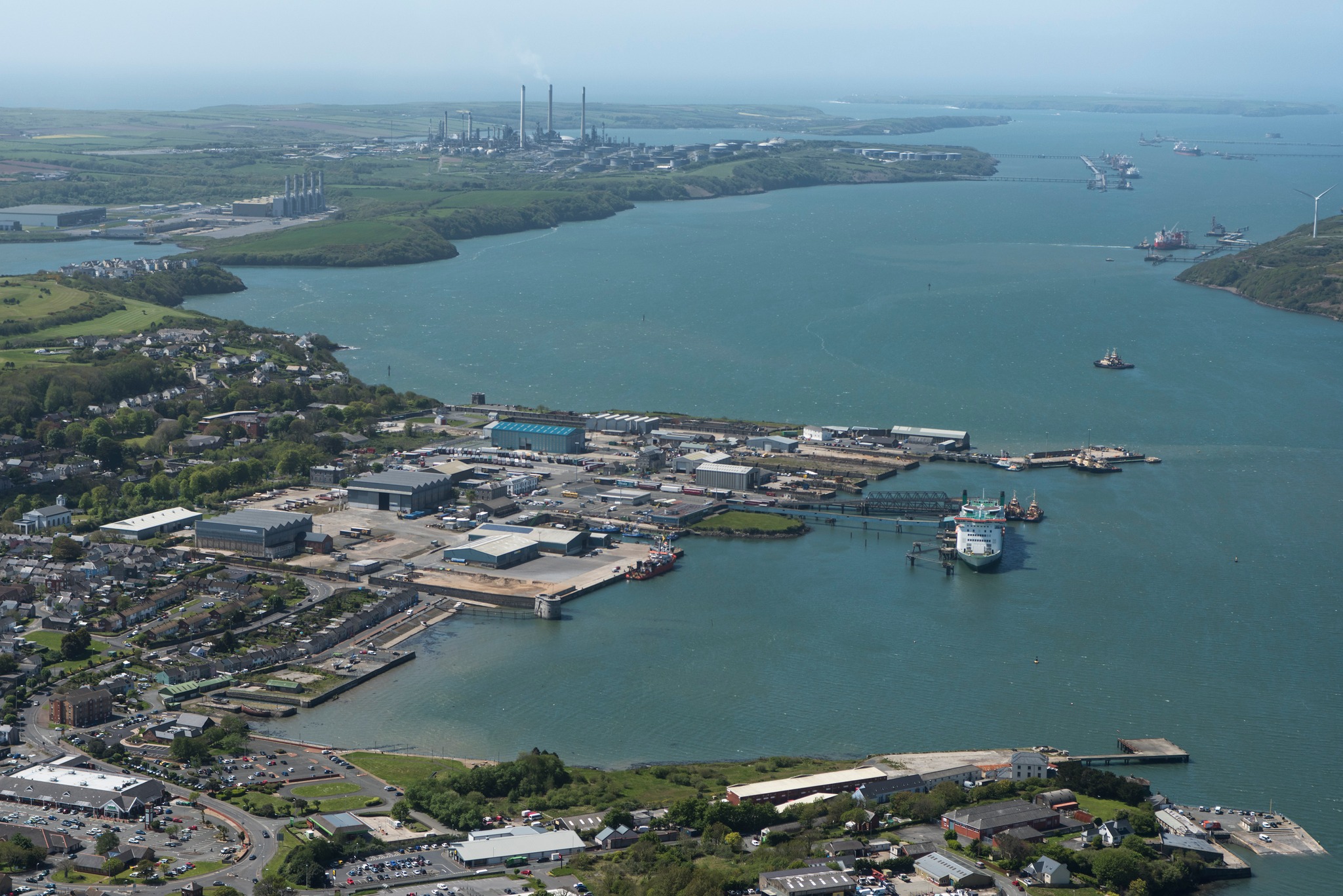
LABOUR has said this week that it will “Build it in Britain” with the most significant investment in Britain’s ports in a generation, as part of Green Prosperity Plan to support the creation of 650,000 good jobs across the country.
A Labour Government will “Build it in Britain” Keir Starmer said on Thursday, as he visited the North East of England to highlight Labour’s plans to deliver the most significant upgrade of Britain’s ports in a generation.
Visiting a port in the North East, Labour Leader Keir Starmer, Shadow Chancellor Rachel Reeves, and Shadow Energy Secretary Ed Miliband will set out how Labour’s £1.8 billion investment in Britain’s port infrastructure will help crowd billions more of private sector investment into the UK’s energy industry.
Labour’s announcement comes after Jo Stevens, Shadow Secretary of State for Wales, visited the Port of Milford Haven in Pembrokeshire last month alongside with Henry Tufnell, Labour’s parliamentary candidate for Mid and South Pembrokeshire, to learn more about the port’s operations and challenges.

After the visit, Shadow Welsh Secretary Jo Stevens said: “Upgrading our ports, like this one here in Milford Haven, can help us seize the golden opportunity we have to become a world leader renewable energy, delivering cheaper bills and the jobs of the future.
“But the Conservative government is holding Wales back, with narrow-minded, poorly run investment schemes that leave us lagging behind international competitors.
“A UK Labour government will switch on GB Energy to invest in projects that can secure our lead in floating offshore wind, unlocking the jobs and investment that the Tories have left to languish.”
Henry Tufnell, Labour’s candidate in this year’s General Election, added: “Pembrokeshire’s first Labour MP, Desmond Donnelly, was instrumental in the creation of the Port of Milford Haven, transforming Pembrokeshire’s economic fortunes. Today, as in the 1950s, we face a crossroads. We must put our county at the forefront of a new Labour Government’s industrial strategy to build it in Britain.
Labour’s Green Prosperity Plan will secure our energy supply, develop industry, and create good well paid jobs right here in our county. We don’t want the young people of Pembrokeshire to feel they must leave their home county to get on in life. We want to provide opportunity here, and we want to provide it now.”
Labour’s plan for ports will help reverse fourteen years of industrial decline under the Conservatives and support domestic manufacturing across the country. The pledge is funded through Labour’s Green Prosperity Plan, which includes a proper windfall tax on the oil and gas giants making record profits, to fund investment in British industries.Keir Starmer’s announcement comes as Labour confirms that its Green Prosperity Plan will help support the creation of up to 650,000 good jobs in Britain’s industrial heartlands, including here in Pembrokeshire, by crowding billions of private investment into industries such as Britain’s nuclear, steel, automotive, and construction industries.

The last Labour government led the way on upgrading Britain’s ports, providing funding for the development of port sites to support offshore wind turbine manufacturing. This industrial advantage has been squandered after fourteen years of the Conservatives, with recent research showing the UK could have created almost 100,000 more jobs in the wind industry if it had followed Denmark’s example in recent years and built up domestic supply chains in clean energy.
Speaking ahead of the visit, Labour Leader Keir Starmer outlined the choice facing millions of voters: continued industrial decline after 14 years of Conservative rule, or national economic renewal with Labour, saying:“The legacy of fourteen years of Conservative rule is Britain’s industrial strength reduced to the rubble and rust of closed-down factories. They have let good jobs go overseas and done nothing about it, and every community has paid the price.
“A Labour government will reindustrialise Britain – from the biggest investment in our ports in a generation, to a British Jobs Bonus to crowd billions of investment into our industrial heartlands and coastal communities.“
The wealth of Britain was once built on a bedrock of industrial jobs that offered security and a good wage. By investing in Britain’s homegrown energy sector, we can rebuild this dream for the twenty-first century- good jobs, higher wages, and the pride that comes from good work for all.”Through policies such as Great British Energy, the National Wealth Fund, and the mission for Clean Power by 2030, a Labour government will invest in technologies like floating offshore wind, hydrogen, nuclear, and carbon capture and storage, which will help secure Britain’s energy independence.

This will create a new generation of skilled jobs in growing industries, which will offer people good wages, give confidence in their job security, and provide them with opportunities to progress. This policy is part of Labour’s Green Prosperity Plan, to cut energy bills for families, make Britain energy independent, and rebuild the strength of British industry.
This historic investment in working people and their communities is the only way out of the high energy bills, energy insecurity, and the doom loop of low growth, high taxes and crumbling public services under Rishi Sunak’s Conservatives.Commenting on Labour’s landmark plan to invest in Britain’s port infrastructure, Shadow Energy Secretary Ed Miliband MP said: “Making Britain a clean energy superpower requires flourishing national ports. Whilst the Conservatives are letting other countries plunder jobs that could be ours here in Britain, Labour has a plan to help win the race for the industries of the future.“
This is what Labour’s Green Prosperity Plan will do for every community in Britain – slash energy bills, create good jobs, boost our national energy independence, and help to tackle the climate crisis.”



Police issue update on the search for Luke, missing from Pembroke Dock
POLICE have made the difficult decision to end the search for Luke, following a joint decision by all the agencies...


NoFit State Circus set to thrill Pembrokeshire this summer
NoFit State Circus is set to captivate Pembrokeshire once again this summer, as they bring back their thrilling big top...

Search for missing teenager Luke continues at Pembroke Dock
THE SEARCH for the missing 19-year-old, Luke, continues unabated into its fourth day, with efforts increasingly centred around the waterways...


Estate agents admit health and safety failings following fatal market incident
WEST WALES estate agents J J Morris have appeared before Pembrokeshire law courts charged with failing to discharge general health,...


Pembroke man sent ‘grossly offensive and disgusting’ message to sister
A DISTRICT Judge has described how a Pembroke man sent a ‘disgusting, appalling and grossly offensive’ message to his sister...


Dragon LNG ‘monitoring’ scrap car blaze in Waterston
A BLAZE has broken out at the Waterston Car Dismantler’s business in Waterston, Milford Haven. Dragon LNG which is situated...


Major search in the area of The Cleddau Bridge and Hobbs Point
A MULTI-AGENCY rescue response was initiated first thing on Saturday following reports of a person in difficulty in the area...


Newgale pub fire: Cause undetermined, but ruled accidental
THE MID and West Fire and Rescue Service (MAWWFRS) has recently concluded its investigation into the fire that devastated the...


Jasmine, Lleucu, Carys & Courtney: The Pride of Pembrokeshire
Four rugby players from Pembrokeshire are gearing up to take on Ireland in the Women’s Six Nations this weekend. Jasmine...
Independent inquiry into child sex abuse commissioned by Caldey
WE have reported on this story for years, but in a very significant development this week, Caldey Island Abbey has...
-
 Business4 days ago
Bluestone National Park Resort payments expected to end
-

 Community6 days ago
The Harbourmaster: Special rail excursion draws crowds to Milford Haven
-
News5 days ago
Dragon LNG ‘monitoring’ scrap car blaze in Waterston
-

 News6 days ago
Search for Luke, 19, reported missing in the Pembroke Dock area, continuing
-
News3 days ago
Search for missing teenager Luke continues at Pembroke Dock
-
Crime4 days ago
Estate agents admit health and safety failings following fatal market incident
-

 News3 days ago
Man jailed after scarring police officer in Narberth altercation
-
News22 hours ago
Police issue update on the search for Luke, missing from Pembroke Dock