News


IF YOU’RE searching for somewhere new to explore or want to find fun for all the family this Easter holiday, the Pembrokeshire Coast National Park promises to offer up a wide range of days out during the Year of Discovery.
Carew Castle and Tidal Mill, Castell Henllys Iron Age Village and Oriel y Parc Gallery and Visitor Centre all have Easter-themed fun in store, while there are also a range of other experiences to enjoy out in the National Park’s landscape.
Castell Henllys Iron Age Village will be giving you an opportunity to Experience the Iron Age on 12, 13, 25 and 27 April, offering a chance to see what life was like 2,000 years ago. There is a small charge for activities plus normal admission.
The Easter Fun Days on 19, 20 and 21 April will provide you with a chance to discover a new skill or follow the Easter Trail. There is a small charge for activities plus normal admission.

For full details including all events, entry prices and opening times visit www.castellhenllys.com or call 01239 891319.
At Carew Castle and Tidal Mill, you will be able to join the Easter Bunny Trail from 13-28 April, which will see you hop around the Castle in search of clues. Find them all to claim your yummy Easter prize. £1 per child plus normal admission.

Follow the Easter Bunny Trail at Carew Castle and Tidal Mill.
For those who want to try something new, Have-a-Go: Coracles on 21, 22 and 23 April will give you an opportunity to try out the traditional one person boat on the Carew Millpond, following expert tuition. Normal admission plus £5 for a 15 minute session or £10 for a 30 minute session. Booking advisable.
For full details including all events, entry prices and opening times visit www.carewcastle.com or call 01646 651782.
At Oriel y Parc Gallery and Visitor Centre, you can take on the Easter Treasure Hunt from 13 to 21 April with a challenge to find the clues left around the Centre and grounds in order to reveal a secret answer to win a prize. £2 per sheet.


Create your own masterpiece at Oriel y Parc Gallery and Visitor Centre.
The Discover Art workshop on 23 April will see children encouraged to get creative and produce a masterpiece to take home with them, having explored the gallery to find inspiration. £3 per child.
For full details including all events, prices and opening times visit www.orielyparc.co.uk or call 01437 720392.
Highlights out and about in the National Park landscape include a chance to Discover Reptiles with a walk around St Anne’s Head on 17 April. You’ll join a National Park Ranger and a reptile expert to search for native species and help with the effort to monitor threatened wildlife. Children £4, adults and seniors £6.
For those with an interest in geology and history, the Reading the Landscape: A Journey Through Time guided walk around St David’s Head on 24 April will uncover a wealth of historic and natural features. The five-mile route will pass by evidence of life in the Neolithic, Iron Age and Medieval eras and costs £4 per person.
To book your place on these events, please call 01437 720392.

To see details for all the activities and events run by the National Park Authority visit www.pembrokeshirecoast.wales/events or alternatively pick up a copy of Coast to Coast.


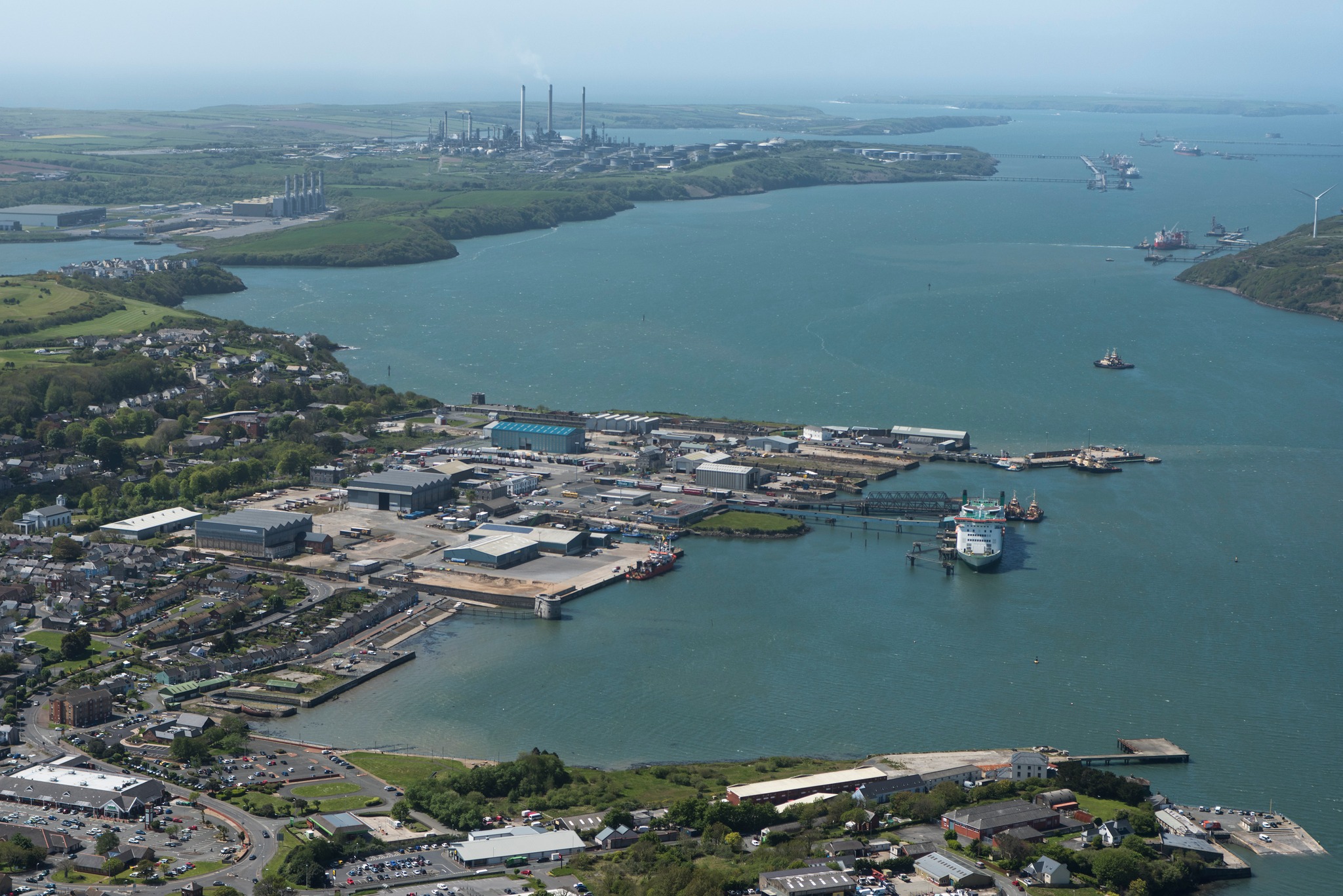
LABOUR has said this week that it will “Build it in Britain” with the most significant investment in Britain’s ports in a generation, as part of Green Prosperity Plan to support the creation of 650,000 good jobs across the country.
A Labour Government will “Build it in Britain” Keir Starmer said on Thursday, as he visited the North East of England to highlight Labour’s plans to deliver the most significant upgrade of Britain’s ports in a generation.
Visiting a port in the North East, Labour Leader Keir Starmer, Shadow Chancellor Rachel Reeves, and Shadow Energy Secretary Ed Miliband will set out how Labour’s £1.8 billion investment in Britain’s port infrastructure will help crowd billions more of private sector investment into the UK’s energy industry.
Labour’s announcement comes after Jo Stevens, Shadow Secretary of State for Wales, visited the Port of Milford Haven in Pembrokeshire last month alongside with Henry Tufnell, Labour’s parliamentary candidate for Mid and South Pembrokeshire, to learn more about the port’s operations and challenges.

After the visit, Shadow Welsh Secretary Jo Stevens said: “Upgrading our ports, like this one here in Milford Haven, can help us seize the golden opportunity we have to become a world leader renewable energy, delivering cheaper bills and the jobs of the future.
“But the Conservative government is holding Wales back, with narrow-minded, poorly run investment schemes that leave us lagging behind international competitors.
“A UK Labour government will switch on GB Energy to invest in projects that can secure our lead in floating offshore wind, unlocking the jobs and investment that the Tories have left to languish.”
Henry Tufnell, Labour’s candidate in this year’s General Election, added: “Pembrokeshire’s first Labour MP, Desmond Donnelly, was instrumental in the creation of the Port of Milford Haven, transforming Pembrokeshire’s economic fortunes. Today, as in the 1950s, we face a crossroads. We must put our county at the forefront of a new Labour Government’s industrial strategy to build it in Britain.
Labour’s Green Prosperity Plan will secure our energy supply, develop industry, and create good well paid jobs right here in our county. We don’t want the young people of Pembrokeshire to feel they must leave their home county to get on in life. We want to provide opportunity here, and we want to provide it now.”
Labour’s plan for ports will help reverse fourteen years of industrial decline under the Conservatives and support domestic manufacturing across the country. The pledge is funded through Labour’s Green Prosperity Plan, which includes a proper windfall tax on the oil and gas giants making record profits, to fund investment in British industries.Keir Starmer’s announcement comes as Labour confirms that its Green Prosperity Plan will help support the creation of up to 650,000 good jobs in Britain’s industrial heartlands, including here in Pembrokeshire, by crowding billions of private investment into industries such as Britain’s nuclear, steel, automotive, and construction industries.

The last Labour government led the way on upgrading Britain’s ports, providing funding for the development of port sites to support offshore wind turbine manufacturing. This industrial advantage has been squandered after fourteen years of the Conservatives, with recent research showing the UK could have created almost 100,000 more jobs in the wind industry if it had followed Denmark’s example in recent years and built up domestic supply chains in clean energy.
Speaking ahead of the visit, Labour Leader Keir Starmer outlined the choice facing millions of voters: continued industrial decline after 14 years of Conservative rule, or national economic renewal with Labour, saying:“The legacy of fourteen years of Conservative rule is Britain’s industrial strength reduced to the rubble and rust of closed-down factories. They have let good jobs go overseas and done nothing about it, and every community has paid the price.
“A Labour government will reindustrialise Britain – from the biggest investment in our ports in a generation, to a British Jobs Bonus to crowd billions of investment into our industrial heartlands and coastal communities.“
The wealth of Britain was once built on a bedrock of industrial jobs that offered security and a good wage. By investing in Britain’s homegrown energy sector, we can rebuild this dream for the twenty-first century- good jobs, higher wages, and the pride that comes from good work for all.”Through policies such as Great British Energy, the National Wealth Fund, and the mission for Clean Power by 2030, a Labour government will invest in technologies like floating offshore wind, hydrogen, nuclear, and carbon capture and storage, which will help secure Britain’s energy independence.

This will create a new generation of skilled jobs in growing industries, which will offer people good wages, give confidence in their job security, and provide them with opportunities to progress. This policy is part of Labour’s Green Prosperity Plan, to cut energy bills for families, make Britain energy independent, and rebuild the strength of British industry.
This historic investment in working people and their communities is the only way out of the high energy bills, energy insecurity, and the doom loop of low growth, high taxes and crumbling public services under Rishi Sunak’s Conservatives.Commenting on Labour’s landmark plan to invest in Britain’s port infrastructure, Shadow Energy Secretary Ed Miliband MP said: “Making Britain a clean energy superpower requires flourishing national ports. Whilst the Conservatives are letting other countries plunder jobs that could be ours here in Britain, Labour has a plan to help win the race for the industries of the future.“
This is what Labour’s Green Prosperity Plan will do for every community in Britain – slash energy bills, create good jobs, boost our national energy independence, and help to tackle the climate crisis.”

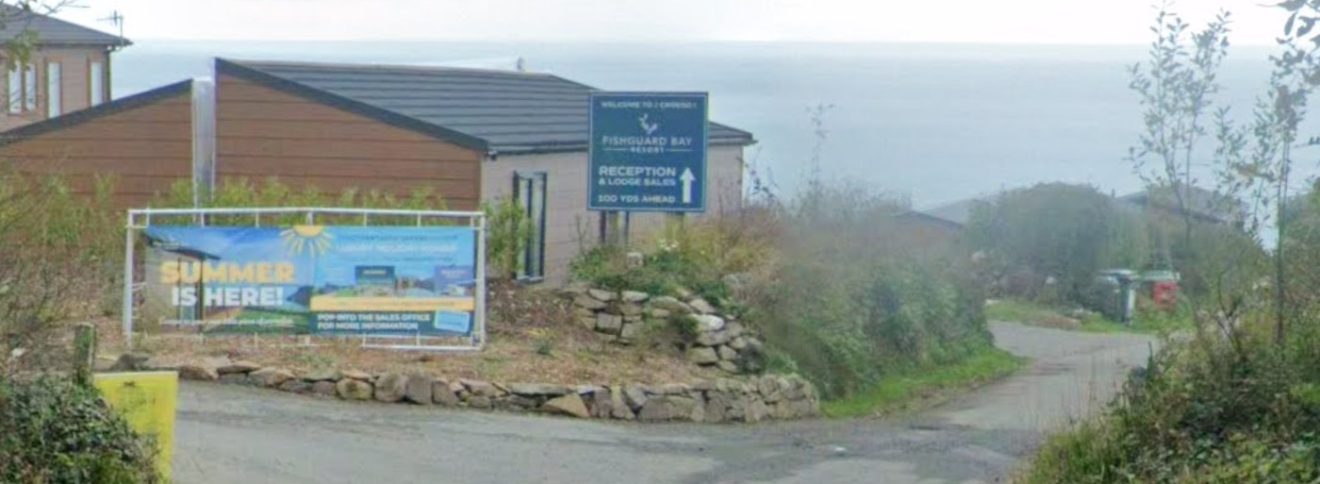
PLANS to create a ‘five-star resort’ in one of Wales’s most popular holiday locations have been withdrawn.
In an application submitted to Pembrokeshire Coast National Park, Chester-based Boutique Resorts Ltd sought permission to relinquish 50 mixed touring pitches (caravans and tents) at Fishguard Bay Resort, Dinas Cross, replacing them with “36 high quality timber-effect holiday lodges”.
The application, recommended for refusal at the April 24 meeting of the national park’s development management committee, also included an increase in the site area of the approved park, a new entrance, a new reception lodge, staff and visitor parking area, with extensive environmental improvements.
The site, established in the 1950s, currently has planning permission for 50 static caravans and 50 mixed touring units, and it is intended 23 of the proposed lodges to be sited at the entrance, with a further 13 throughout the site.

Despite the proposals seeking a reduction in outright numbers, the applicants say the scheme would see an increase in the number of full and part-time jobs associated with the resort, from 29 to 62 jobs.
A previous application was refused in 2019, mainly on visual impact, ecological impact and highway impact, and the applicant has sought to address the issues raised by that refusal, a supporting statement says.
It adds: “The applicant purchased the site in 2014 with the intention to upgrade the site into a five-star luxury resort. This is very much still the applicant’s intention and whilst he has replaced some existing static caravans with luxury lodges, he also seeks to replace the touring caravans and tents with luxury lodges too.
“The resort is now considered one of the most desirable holiday parks on the Pembrokeshire Coast which is evident on the number of holidaymakers who return to the resort year on year. Such is demand for luxury lodges on the site, the applicant requires additional units.

“The applicant now wishes to move the resort further by replacing the mixed touring pitches with luxury lodges but also provide a much-needed new entrance into the resort.”
Objections to the scheme were received from the National Trust, the national park’s strategic policy and ecologist, and the South Wales Trunk Road Agency, and 12 members of the public, along with one letter of support.
The application was recommended for refusal for reasons including it was “likely to have a significant detrimental impact on the special qualities of the National Park by intensifying the visual impact and intrusion of a large static caravan site within the extensive coastal views of this section of the National Park,” it would represent an intensification of the site, and was likely to “have an unacceptable impact on neighbouring residential amenity through increased noise and traffic movements”.
The application, listed for consideration by park planners next week, has since been withdrawn.


MAJOR reforms to council tax and business rates have cleared the first hurdle in the Senedd.
MSs backed the general principles of the local government finance bill, which would introduce a five-year cycle for council tax revaluations from 2030.
The bill would lay much of the groundwork for Welsh Government proposals to redesign council tax, with current bands based on property values from 2003.
It would also increase the frequency of business rates revaluations from five to three years.
Rebecca Evans told the Senedd the bill forms a vital part of the Welsh Government’s wider programme of local tax reform.
Wales’ finance minister explained the bill would enable ministers to modify business rate relief exemptions and the multiplier to support policy priorities.
John Griffiths outlined the local government committee’s stage-one report recommendations aimed at improving the bill and guarding against unintended consequences for taxpayers.
Mr Griffiths explained that the bill provides a framework for future policy changes to be made by the Welsh Government via secondary legislation.

The Labour MS, who represents Newport East, said the committee heard concerns that this limits opportunity for public engagement and scrutiny by the Senedd.
Welcoming the Welsh Government’s commitment to retaining the single-person council tax discount at 25%, he highlighted wide-ranging powers in the bill over vital reduction schemes.
In terms of business rates, the committee chair said MSs heard broad support for a move to three-yearly revaluations, which he described as a reasonable, proportionate cycle.
Peredur Owen Griffiths, who chairs the finance committee, backed the bill’s key aim to create a fairer, more flexible system.
The South Wales East MS welcomed reassurances from the Welsh Government that the intention of council tax reforms is not to raise more revenue.
“Given the regressive nature of council tax, we support the aim to make it fairer without affecting the tax base,” he said.
Plaid Cymru’s finance secretary said the proposed powers will reduce the Welsh Government’s reliance on UK bills to make changes.
Alun Davies, a Labour backbencher, warned that delegated powers in the bill risk diminishing the role of the Senedd.
Sam Rowlands, the Tories’ shadow local government secretary, raised concerns about the bill putting more power in the hands of the Welsh Government rather than councils.
He warned the bill is a stepping stone towards higher taxes through the back door, saying: “This bill in and of itself does not necessarily do that but it certainly enables future changes.”
The former leader of Conwy council, who represents North Wales in the Senedd, called for reforms to the formula used to allocate funding to Wales’ 22 councils.
Raising concerns about digital exclusion, Mr Rowlands opposed a provision in the bill which would remove a duty to publish council tax notices in local newspapers.
He said: “We believe it’s a really important part of the democratic process in local government, especially in relation to transparency.”
Backing a revaluation of all 1.5 million properties in Wales, Labour MS Mike Hedges described council tax as fundamentally unfair.
He said: “Someone living in a property worth £100,000 pays around five times as much council tax relative to the property value as someone living in a property worth £1m.”
Mr Hedges, who represents Swansea East, also opposed the removal of the duty to provide council tax information in newspapers.
On business rates, he said: “I’ve always supported the returning of them to local authorities. We don’t need an all-Wales system; let each local authority set its own business rates.”
Ms Evans told the chamber she intends to make a statement on the next steps for council tax reform before the summer recess.
The Senedd agreed the general principles of the reforms without objection, and the bill now moves to stage two which will see MSs consider detailed amendments.



NoFit State Circus set to thrill Pembrokeshire this summer
NoFit State Circus is set to captivate Pembrokeshire once again this summer, as they bring back their thrilling big top...
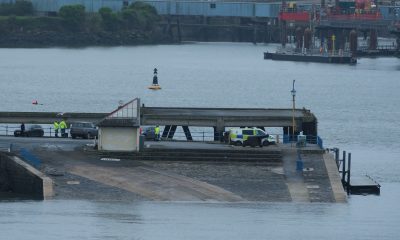

Search for missing teenager Luke continues at Pembroke Dock
THE SEARCH for the missing 19-year-old, Luke, continues unabated into its fourth day, with efforts increasingly centred around the waterways...


Estate agents admit health and safety failings following fatal market incident
WEST WALES estate agents J J Morris have appeared before Pembrokeshire law courts charged with failing to discharge general health,...


Pembroke man sent ‘grossly offensive and disgusting’ message to sister
A DISTRICT Judge has described how a Pembroke man sent a ‘disgusting, appalling and grossly offensive’ message to his sister...


Dragon LNG ‘monitoring’ scrap car blaze in Waterston
A BLAZE has broken out at the Waterston Car Dismantler’s business in Waterston, Milford Haven. Dragon LNG which is situated...


Major search in the area of The Cleddau Bridge and Hobbs Point
A MULTI-AGENCY rescue response was initiated first thing on Saturday following reports of a person in difficulty in the area...


Newgale pub fire: Cause undetermined, but ruled accidental
THE MID and West Fire and Rescue Service (MAWWFRS) has recently concluded its investigation into the fire that devastated the...


Jasmine, Lleucu, Carys & Courtney: The Pride of Pembrokeshire
Four rugby players from Pembrokeshire are gearing up to take on Ireland in the Women’s Six Nations this weekend. Jasmine...
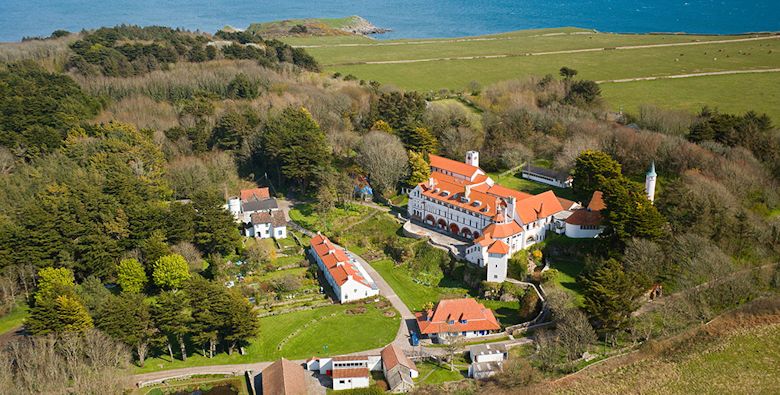
Independent inquiry into child sex abuse commissioned by Caldey
WE have reported on this story for years, but in a very significant development this week, Caldey Island Abbey has...


Mechanic lands four-figure fine after head-butting officer in Quins
A COURT has heard how a police officer was head-butted outside the Quins Rugby Club in Pembroke Dock by a man described...
-

 Business3 days ago
Bluestone National Park Resort payments expected to end
-

 Community5 days ago
The Harbourmaster: Special rail excursion draws crowds to Milford Haven
-
News4 days ago
Dragon LNG ‘monitoring’ scrap car blaze in Waterston
-

 News5 days ago
Search for Luke, 19, reported missing in the Pembroke Dock area, continuing
-
News2 days ago
Search for missing teenager Luke continues at Pembroke Dock
-
Crime3 days ago
Estate agents admit health and safety failings following fatal market incident
-
News6 days ago
Major search in the area of The Cleddau Bridge and Hobbs Point
-

 News2 days ago
Man jailed after scarring police officer in Narberth altercation