


Farming
Agriculture’s importance emphasised

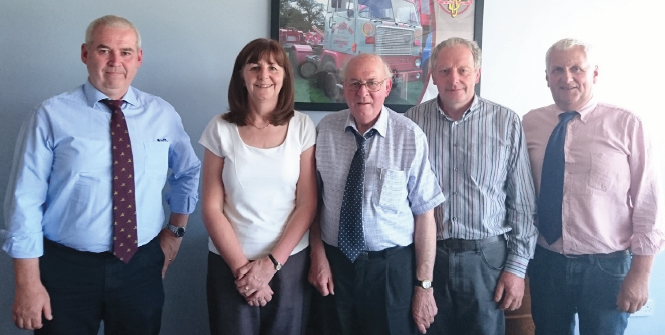

(L-R): Stephen Mansel Davies, Cabinet Secretary for Environment and Rural Affairs, Lesley Griffiths, Kaye Mansel Davies, FUW Deputy President, Brian Thomas, and FUW President, Glyn Roberts
A DELEGATION of Farmers’ Union of Wales officials met with Cabinet Secretary for Environment and Rural Affairs, Lesley Griffiths, on Monday (Aug 15) to discuss the wider economic and social importance of agriculture to the rural and urban economy as well as the importance of encouraging the next generation into the industry.
The meeting was held at Llwyncelyn Lan farm, Llanfyrnach – home of FUW Deputy President Brian Thomas who has been farming here since 1988. The delegation then visited Mansel Davies and Son Ltd. to discuss the history and nature of the business and its interrelationship with the agricultural industry and rural economy.
Brian Thomas, who farms 280 acres, 30 acres of which is woodland, in North Pembrokeshire, runs a herd of 100 beef shorthorn cattle and a flock of 300 ewes, with cereals also being grown.
Speaking after the meeting, FUW Deputy President Brian Thomas said: “I would first of all like to thank Lesley Griffiths for meeting us here at my home farm. We had wide ranging discussions on farming matters and used the opportunity to highlight the important role farming plays in our rural economy.
“If we are to encourage the next generation to take up farming, it has to be viable for them. Looking around here, there are only one in eight farms that have children who want to take over the family business. The average age of farmers in my local area is 60 plus, so we need to put measures in place that ensure these farms have a future for the sake of our rural economy.

“I see the future for farming in youth. However, with farm household incomes averaging around £13,000 a year and working hours exceeding 60+ per week – why would they? Due to the nature of the business, we are only ever one step away from a crisis.
“Our farming businesses provide stability for the rural economy, income for our children and our families and hold communities together. We now have an opportunity to do something great – and that is shaping our own future in terms of markets and legislations, a point we made clear to the Cabinet Secretary here today.”
Highlighting how important the second and third sector businesses are in making the wheels of our rural economies go around were Stephen and Kaye Mansel Davies of Mansel Davies and Son Ltd.
The company was established in 1875 by the late John Davies. Mansel Davies, his son, joined the business in 1900 and the company still uses that name today. The company is now run by Kaye Mansel Davies (Chairman), fourth generation, and his son Stephen Mansel Davies (Managing Director). The next generation are already involved in the company.

They currently employ over 300 people and operate 180 trucks, with all of its employees living within a 40 mile radius of Llanfyrnach. Apart from the local authority and the oil refinery, they are the largest employers in Pembrokeshire with an annual turnover just short of £30 million.
Stephen Mansel Davies highlighted that 90% of the company’s work is linked to agricultural, saying that: “We are the largest milk haulier in Wales, collecting 1.4 million litres per day for seven different buyers and doing UK distribution for a further two buyers. Our total milk or milk products movements comes to about four million litres per day.”
The company delivers milk and milk products into processors in Newcastle Emlyn, Llangefni, South Caernarfon, Felinfach, Acton, London, Southampton, Droitwich, Bridgewater, Westbury, North Tawton, Aylesbury, Chester, Severnside and a number of other factories around the UK.

Another important sector of the business is the distribution of animal feed in the area. Mansel Davies and Son are also the largest suppliers of ground limestone, which they also spread on to the land for soil neutralisation.
Following the meeting with the Cabinet Secretary, Stephen Mansel Davies said: “All of those who are involved in Government need to understand how important agriculture is to Wales – it’s the only sustainable long term industry we have. When you look at the numbers employed directly and indirectly into the sector, it is far more important than people and Government give it credit for.
“Agriculture, and in particular the dairy industry, has just gone through very hard times with farm gate prices dropping in the region of 30%, which is not sustainable. As a direct result of low milk prices, we have seen volumes drop 11% from July 15 to July 16. If managed correctly, I think Brexit could bring long term positives to agriculture – the important part will be the management by government of the transition period and the short term.”
The Union will continue to highlight how much farming matters through regular meetings with key decisions makers, industry stakeholders, as well as Governments in Westminster and Cardiff.

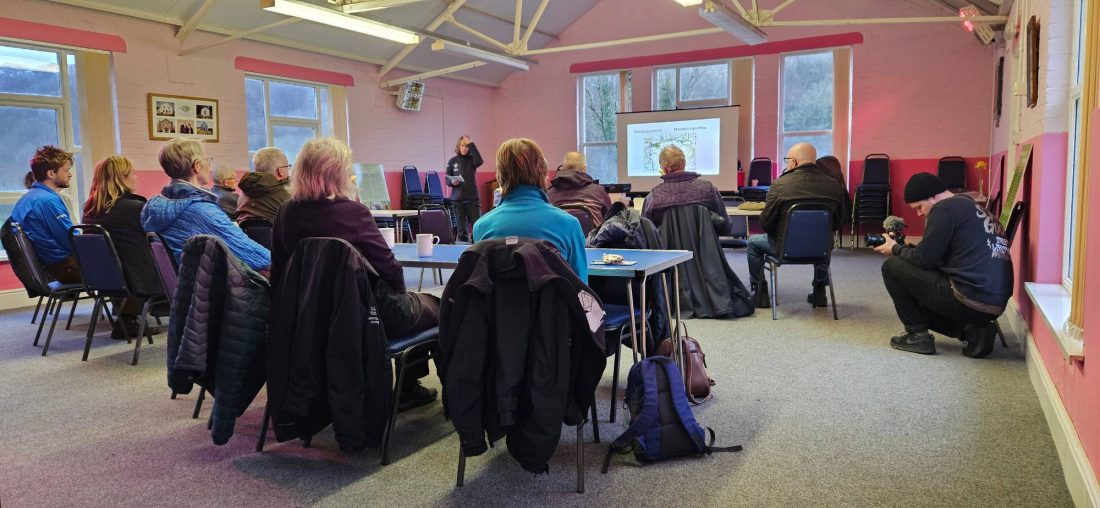
A CELEBRATION event was held on Saturday, January 24 in Cwm Gwaun to mark the achievements of Pembrokeshire Coast National Park Authority’s Cysylltu Natur 25×25 project, bringing together volunteers, farmers and staff involved in delivering nature restoration across North Pembrokeshire.
The landscape-scale project was funded by the Welsh Government through the Nature Networks Programme, delivered by the Heritage Fund. The Programme aims to strengthen ecological connectivity and resilience by restoring habitats at scale.
Those attending the event heard about the wide range of conservation activity delivered through the project across the north of the National Park. This has included practical works to restore grazing to Rhos pasture to benefit marsh fritillary butterflies and southern damselflies, specialist work to conserve rare lichens, volunteer chough, dormouse and harvest mouse monitoring, safeguarding greater horseshoe bat hibernation sites, and targeted action to tackle invasive species threatening important sites.
Volunteers, farmers, land managers and contractors played a vital role in the success of the project, contributing local knowledge, practical skills and ongoing commitment to caring for Pembrokeshire’s unique landscapes and wildlife in the long term.
Mary Chadwick, Conservation Officer for Pembrokeshire Coast National Park Authority, said: “Cysylltu Natur 25×25 has shown what can be achieved when farmers, volunteers and conservation specialists work together with a shared aim.
“From monitoring some of our most elusive species to restoring and protecting habitats, the dedication of everyone involved has made a real difference for nature across the National Park.”
Although the Cysylltu Natur 25×25 project is now coming to an end, the important work it has supported will continue. Building on its successes, Pembrokeshire Coast National Park Authority will carry this momentum forward through the next phase of nature recovery work under NNF4 Cysylltiadau Naturiol / Naturally Connected, ensuring ongoing protection and enhancement of habitats for future generations.

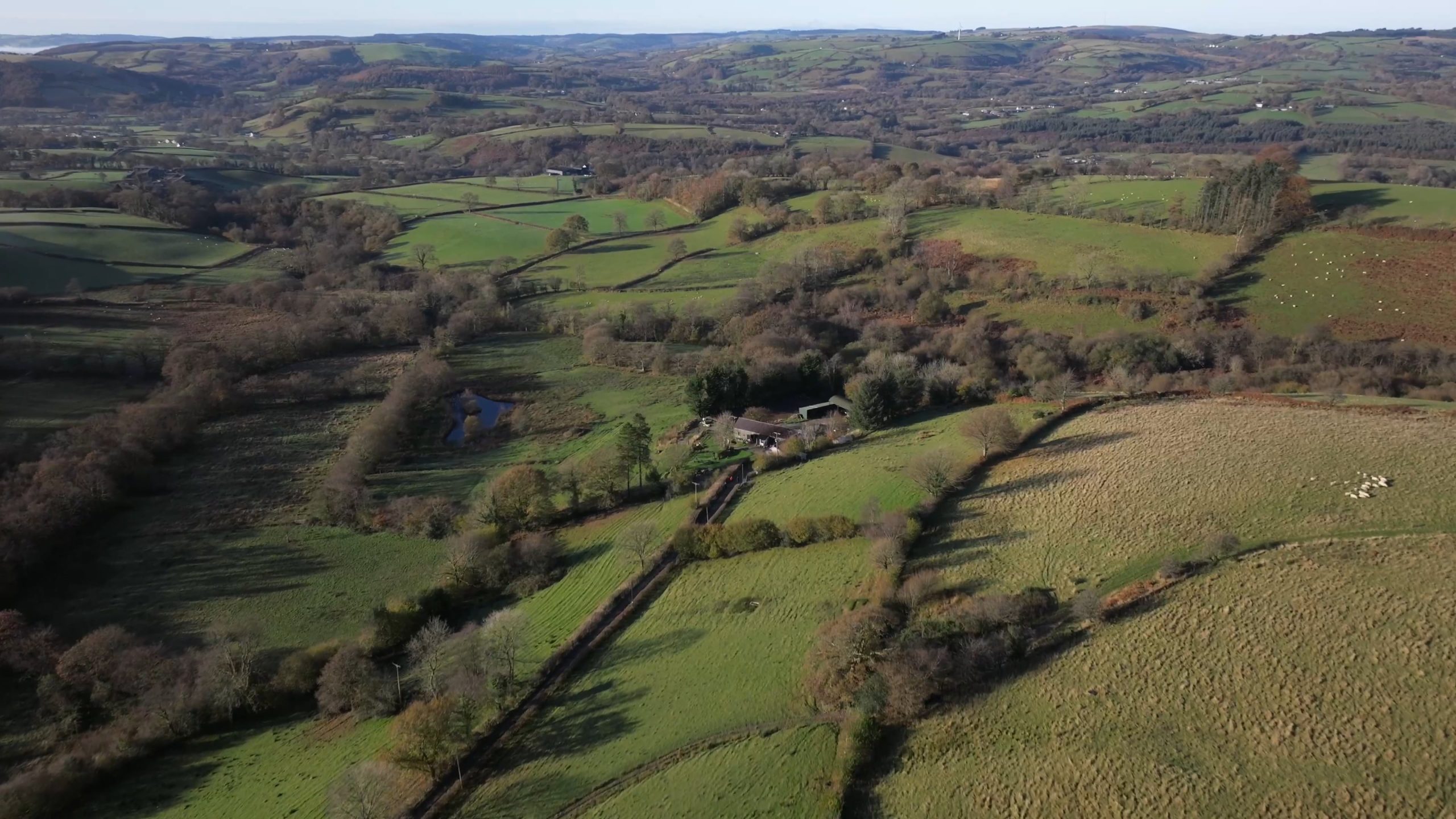
OVER three hundred Welsh farmers and landowners have been granted the right to legally challenge Green GEN Cymru’s ‘unlawful behaviour’ at the High Court.
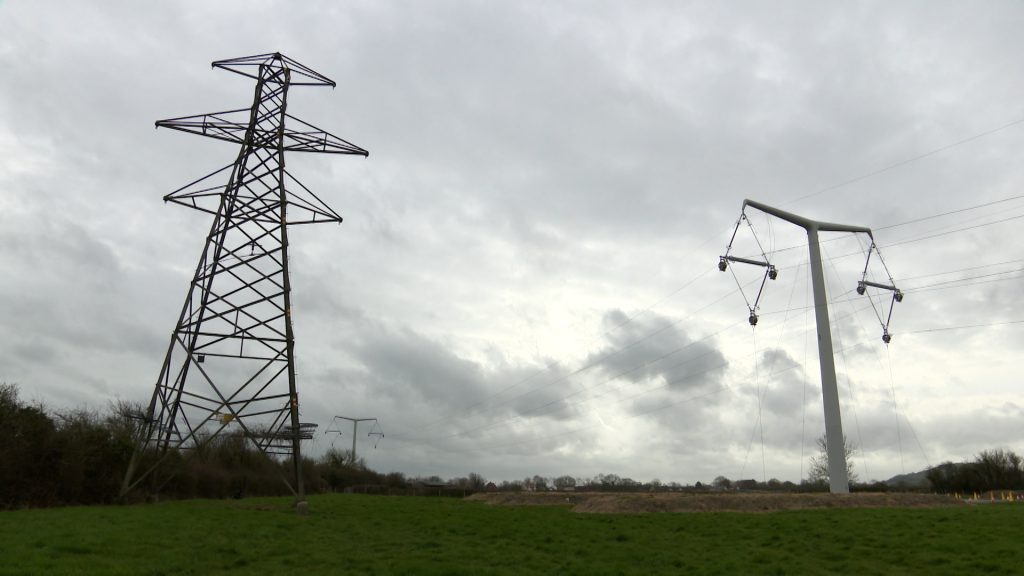
The collective filed a judicial review application on behalf of the community groups, Justice for Wales and CPRW, on four separate grounds, including claims that the energy company has acted unlawfully and with disregard for biosecurity and the environment, while trying to gain access to private land to conduct surveys for three major overhead pylon routes.
The proposal will see the energy infrastructure and pylons spanning 200 km across Powys, Ceredigion, Carmarthen, and Montgomeryshire in Wales and across the Welsh border into Shropshire, in the West Midlands of England.
Mrs Justice Jefford granted permission on four grounds – including abuse of power and procedural impropriety – during the three-and-a-half-hour hearing at Cardiff Civil Justice Centre on Tuesday, January 20.
A two-day hearing is expected to take place in April 2026, date to be confirmed.
The judge also accepted an undertaking from Green GEN Cymru that it would not enter land using s.172 powers – the right given to acquiring authorities to enter land to conduct surveys or valuations under the Housing and Planning Act 2016 – until an urgent interim relief application hearing can be held.
Natalie Barstow, founder of Justice for Wales, said: “This is a moment of vindication. For months, we have been left feeling unsafe in our own homes and stripped of our power as farmers and landowners.
“This is not a protest against renewable energy; this is about standing up for what is right. Our right to dignity and to have a voice, and for the future of our land, wildlife, and livelihoods.
“Since we began this battle, hundreds of other farmers and landowners across Wales have come forward with similar stories, and we’ve been supported by many generous donations to fund the legal challenge. We knew we weren’t alone in our concerns, but the response demonstrates it is a far wider issue than we initially feared, and why it is so important that Green GEN’s conduct and protocols are properly scrutinised.
“We said we will not be bullied into submission, and this judgment is just the first foot forward in our fight for justice.”
Mary Smith, a lawyer at New South Law, the law firm representing the impacted communities, said: “Holding acquiring authority status does not entitle a company to disregard the limits of its statutory powers or the rights of the people affected.
“The Court’s decision confirms that Green GEN Cymru must be held to the same legal standards as any other public body when exercising intrusive powers over private land. This case is about restoring fairness, accountability, and respect for the communities whose livelihoods and environments are at stake.”
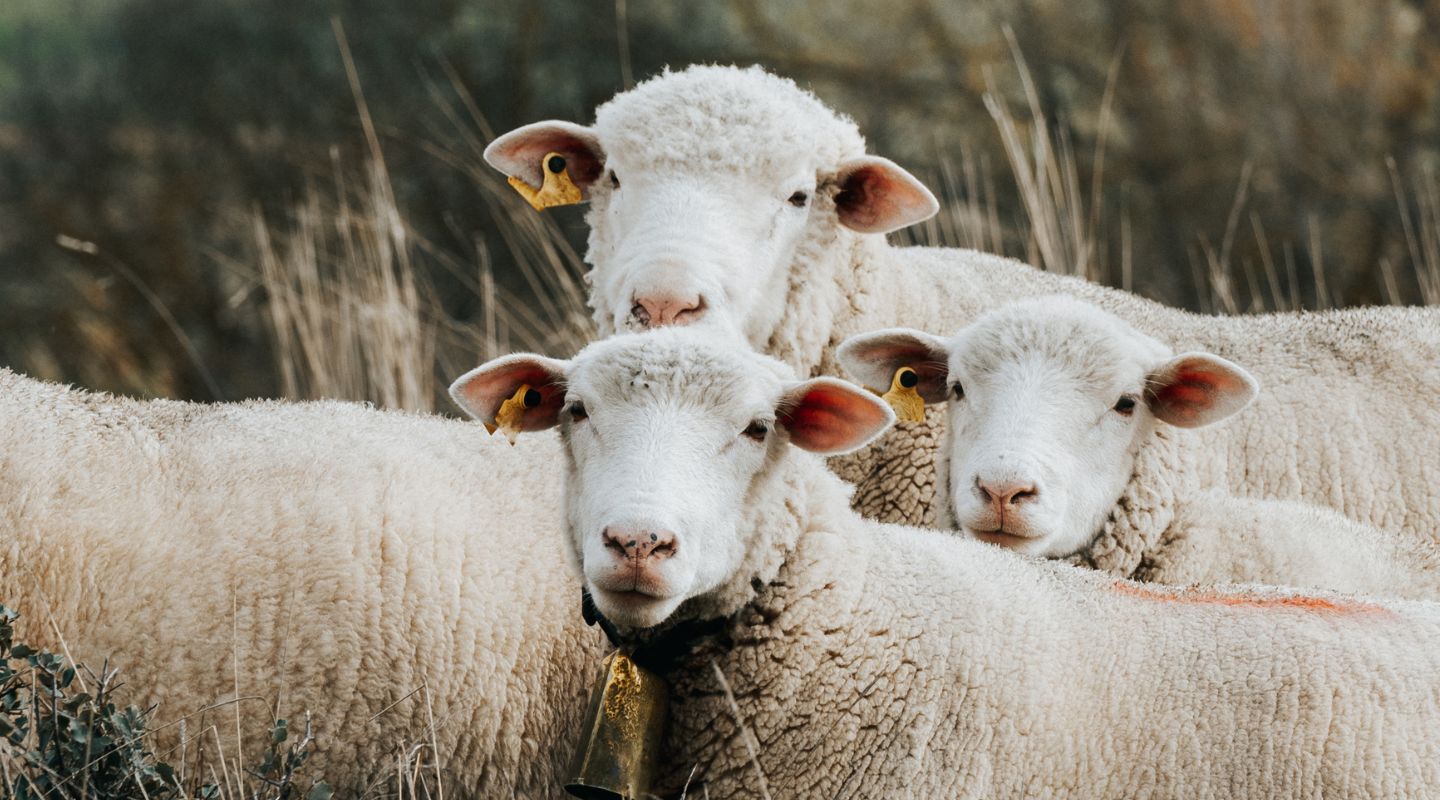
Mandatory carcass grading and price reporting will be required in slaughterhouses from Wednesday, January 28
WELSH sheep farmers are set to see new rules introduced next week aimed at making the lamb market fairer and more transparent.
From Wednesday (Jan 28), slaughterhouses in Wales will be required to classify sheep carcasses and report prices using a standardised system. The Welsh Government says the move will improve consistency in grading, make price information easier to compare, and help build confidence for farmers selling stock.
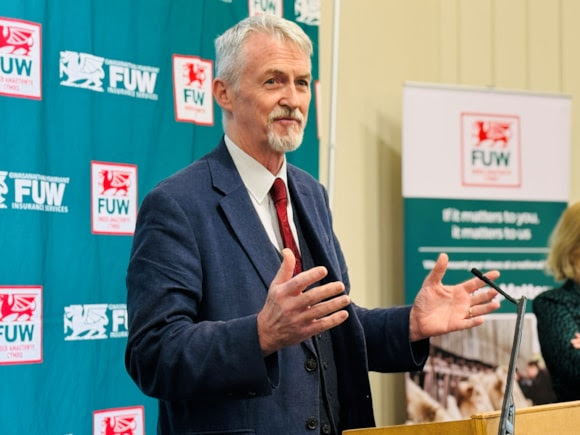
Deputy First Minister Huw Irranca-Davies announced the change during the Farmers’ Union of Wales (FUW) Farmhouse Breakfast event at the Norwegian Church in Cardiff.
He said the measures would support the industry by ensuring a consistent methodology for classifying carcasses in slaughterhouses, promoting transparency, fairness and productivity within the sheep market.
“Our iconic Welsh lamb is celebrated around the world for its outstanding quality and high production standards,” he said. “These measures will implement a consistent methodology for classifying sheep carcasses in slaughterhouses, promoting transparency, fairness, and increased productivity within the sheep market.”
The regulations bring the sheep sector into line with rules already used for beef and pork.
Hybu Cig Cymru – Meat Promotion Wales chief executive José Peralta said the changes would allow for greater data capture and analysis and improve transparency within the supply chain.
He said: “The new regulations, which now align with a similar position for cattle and pigs, will allow for greater data capture and analysis to be undertaken and support increased transparency within the sector. As a sector we must seek all opportunities for greater transparency within the supply chain to ensure that choices can be made from an informed position.”
The Welsh Government says the new approach is part of a wider UK framework, with similar arrangements already operating elsewhere.
During his address, the Deputy First Minister also pointed to further changes expected in 2026, including the planned introduction of the Sustainable Farming Scheme, which the Welsh Government describes as a new partnership between the people of Wales and farmers.
The scheme is intended to support the sustainable production of food while also responding to the climate and nature emergency.
The Welsh Government has also confirmed its commitment to financial support during the transition, with up to £238 million committed to the Universal layer and the legacy Basic Payment Scheme in 2026.
Deputy First Minister Huw Irranca-Davies said: “I would like to reiterate the Welsh Government’s commitment to supporting Welsh family farms, not just in the short term but also in the long run. Our goal is to prioritise stability for the farming industry, ensuring to balance this with sustainability at its very core.”
He added that supporting farmers through the change would be a priority, with consistent advice and support offered across the sector.
Building fairness within the agricultural supply chain remains a key Welsh Government priority, which it says is also integral to food security.



Crime6 hours ago
Sex offender jailed after living off grid in Pembrokeshire and refusing to register
Man walked into police station after months avoiding authorities A CONVICTED sex offender who told police he intended to live...


Crime13 hours ago
More rape and sexual assault survivors to get right to challenge dropped cases
New review scheme to be rolled out across CPS Cymru-Wales following successful pilot SURVIVORS of rape and serious sexual assault...

Crime1 day ago
Man spared jail after admitting child abuse image offences
Police seized devices after intelligence linked Pembrokeshire address to illegal cloud storage accounts A 23-YEAR-OLD Pembrokeshire man has avoided immediate...


Community1 day ago
Cleddau at heart of major water reforms as ministers promise ‘fundamental reset’
New regulation plan aims to tackle pollution, sewage spills and ageing infrastructure COMMUNITIES along the River Cleddau could see tighter...


Crime2 days ago
Man caught in hotel sting after trying to meet girl, 13
Laugharne defendant confronted by paedophile hunters at St Clears Travelodge before suspended jail term at Swansea Crown Court A LAUGHARNE...

News2 days ago
Princess of Wales visits historic Pembrokeshire woollen mill
Catherine the Princess of Wales visited Melin Tregwynt, a historic family-owned woollen mill, today, highlighting the enduring traditions and skills...


Crime2 days ago
Arrest made after Carmarthen park stabbing investigation
Police thank community and media following public appeal to trace suspect AN ARREST has been made following last week’s stabbing...


Crime2 days ago
Search continues for attempted murder suspect after Carmarthen park stabbing
Police expand searches across riverbank and woodland as public urged to come forward with information DYFED-POWYS POLICE say their search for...

Community2 days ago
Flood alert issued for Pembrokeshire coast this evening
Pembrokeshire residents are being urged to prepare for possible flooding along the coastline between St Dogmaels, Cardigan and Amroth, after...

News3 days ago
Tributes paid to Pembroke Dock Councillor and former Mayor Pamela George
It is with great sadness that the Pembroke Dock community mourns the passing of Councillor Pamela George. Pamela, affectionately known...
-
 Health7 days ago
Consultation reveals lack of public trust in health board
-
News2 days ago
Princess of Wales visits historic Pembrokeshire woollen mill
-

 Crime5 days ago
Pembroke man accused of child sex offences sent to Swansea Crown Court
-

 Community7 days ago
Campaign to ‘save’ River Cleddau hits over 2,200 signatures
-

 Health3 days ago
Doctor struck off after sexual misconduct findings at Withybush Hospital
-

 Business6 days ago
Eight-year prison sentence after vehicle stop uncovers drugs worth over £150,000
-
 Crime1 day ago
Hakin man’s appeal delayed again as Crown Court seeks guidance on insurance law
-
 Community5 days ago
50s women threaten legal action over pension compensation refusal