


Farming
Wales launches national food strategy covering ‘farm to fork’

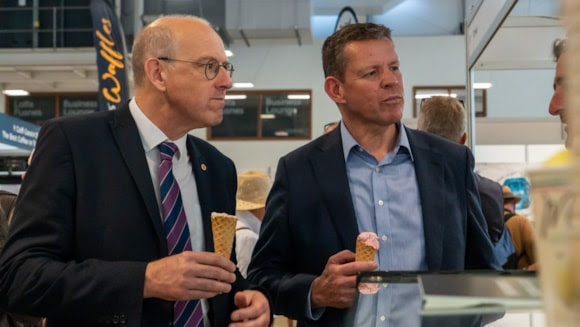
Expert group chaired by Carmarthenshire food entrepreneur Simon Wright will examine how Wales produces, processes, buys and consumes food
A NEW national strategy is being developed to reshape food policy across Wales, covering everything from farming and food production to school meals, public procurement, health and retail.
The Welsh Government announced plans for the National Food Strategy for Wales at the Royal Welsh Agricultural Show, describing it as a “whole-system” approach designed to connect policies that have previously been handled separately.
An Expert Working Group will be established to examine the challenges and opportunities facing the Welsh food system and make recommendations to ministers.
It will be chaired by Simon Wright, owner of Wright’s Food Emporium in Llanarthne, Carmarthenshire, who has more than 30 years’ experience in the Welsh hospitality and food sectors.
Mr Wright will lead discussions with farmers, fishers, food producers, businesses and communities across Wales as the strategy is developed.

The Welsh food and drink supply chain is estimated to be worth more than £28 billion and employs around one in six workers in Wales.
The strategy will examine how more of the economic value created by Welsh food can be retained and reinvested within Wales, while also considering food education, healthy eating, sustainability and the circular economy.
It will cover food production, processing and retail, as well as the role of food in schools, hospitals and other publicly funded services.
The Expert Working Group will be asked to identify gaps in existing policy, recommend how progress should be measured and encourage closer cooperation between the Welsh Government, public bodies and the food and drink industry.
The final strategy is expected to be presented to ministers during 2027.
Cabinet Minister for Rural Resilience and Sustainability, Llyr Gruffydd, said Welsh farmers and food businesses already produced high-quality goods for customers in Wales and overseas.
He said: “This strategy will bring together the whole food system, from our farmers and fishers to our retailers, schools and communities, so that we can make better, more joined-up decisions for the benefit of everyone in Wales.

“I am delighted that Simon Wright has agreed to lead this work. His passion for Welsh food and deep roots in the industry make him exactly the right person for the role.”
Mr Wright said Wales already had a strong reputation for food and drink but had the potential to achieve more.
He said: “Wales punches well above its weight in food and drink, but there’s so much more we can do.
“This is a real opportunity to cut through and get things right for our industry and the country.
“I welcome the ambition of the new Government, and I look forward to working with producers, businesses and communities to make it happen.”
The announcement forms part of the Welsh Government’s programme of commitments for its first 100 days. The membership and detailed remit of the Expert Working Group have not yet been announced.


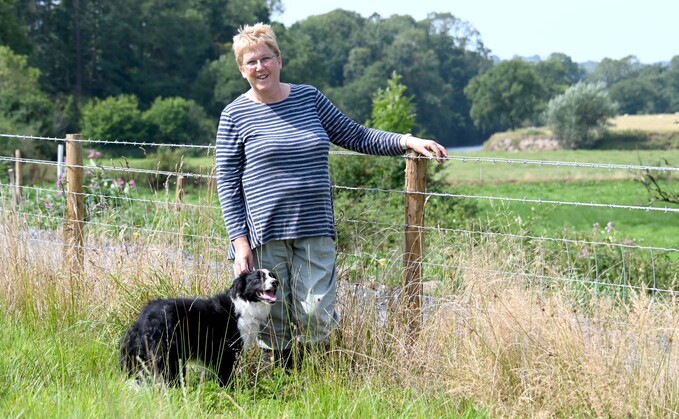
CAERFYRDDIN MP says multi-year settlement will help farms plan ahead, but farming organisations have warned that payment rates, bureaucracy and the unfinished elements of the Sustainable Farming Scheme remain crucial
ANN DAVIES MP has welcomed a Welsh Government commitment to maintain agricultural support at £340 million a year until March 2030, saying it will provide farmers with greater certainty during a period of rising costs and significant change.
The funding will support the Sustainable Farming Scheme, which began replacing the European Union-era system of agricultural payments in Wales this year.
The three-year commitment amounts to just over £1 billion, although it is a guarantee of continued annual funding rather than an additional £1 billion being made available immediately.
Under the settlement, £238 million a year will be allocated to the Universal Layer of the scheme, which provides payments to farms completing a series of required actions.
A further £102 million annually will support Optional and Collaborative actions, including more ambitious environmental work, productivity improvements and projects involving groups of farmers.
The commitment was announced by Welsh Government Cabinet Minister for Rural Resilience and Sustainability Llŷr Gruffydd at the Royal Welsh Show on July 20. It replaces the recent practice of confirming the agricultural budget one year at a time.
Ms Davies, who represents the rural constituency of Caerfyrddin and has a farming background, said the settlement would allow agricultural businesses to make decisions over a longer period.
She said: “As someone who has spent my life in the sector, I know that farmers do not work to annual timelines. Decisions made today often will not bear fruit for several years.
“Farming is built on long-term thinking and, for the first time in many years, Welsh farmers have greater certainty about what support will be available in the years ahead.
“That gives businesses the confidence to invest, innovate and plan for the future. This investment will strengthen family farms, support food production and help rural communities prosper for years to come.”
The Farmers’ Union of Wales has also welcomed the move, having repeatedly called for a multi-year agricultural budget.
FUW president Ian Rickman said the commitment provided “much-needed stability” following years in which annual settlements had made long-term investment and financial planning increasingly difficult for family farms. The union had previously sought a five-year funding framework, although it accepted that certainty until March 2030 represented a significant improvement.

NFU Cymru described the announcement as a “major boost” and welcomed the decision to retain the current 70:30 division between the Universal and Optional and Collaborative parts of the scheme.
However, the union has previously argued that an annual agricultural budget of more than £500 million is required to meet the farming sector’s economic, environmental and food production ambitions.
It has also warned that the administration, costs and record-keeping requirements associated with parts of the Sustainable Farming Scheme are considerably greater than under previous support arrangements. Detailed payment rates and technical guidance for some Optional and Collaborative measures will therefore remain important to farmers deciding whether particular actions are financially viable.
The Farmers’ Union of Wales has similarly warned that the scheme asks participating farms to deliver additional environmental and social outcomes, meaning the overall value of the budget must be considered alongside the costs of complying with its requirements.
Earlier union evidence also highlighted reductions made to rural affairs spending during previous budget years and argued that maintaining the current total does not necessarily represent an increase in support once inflation and additional scheme requirements are taken into account.
Welsh Conservatives have called for a further £100 million to be added to the agricultural budget over the next four years. They argue that additional support is needed to strengthen domestic food production and help farmers respond to economic and environmental pressures.
Ms Davies said the importance of agriculture extended beyond individual farm businesses.
She said: “Farming is woven into the fabric of our communities in Wales, supporting thousands of jobs, sustaining family businesses and helping to maintain the Welsh language and culture that are such a vital part of our identity.
“These are facts commonly ignored in Westminster, but at last we have a Welsh Government that understands the sector’s all-round importance.”
The Welsh Government has also commissioned a nine-month review of the administrative burden facing farmers, led by former NFU Cymru president and Breconshire farmer John Davies.
Initial changes include plans to align the Animal Health Improvement Cycle required under the Sustainable Farming Scheme with participating farm assurance schemes. Ministers say this could allow farmers to meet both sets of requirements through one form and one veterinary visit from 2027.
Ms Davies added: “The Welsh Government is taking action to put the sector on a more stable footing while also reviewing the bureaucratic burden placed on farmers.
“The funding certainty is an important step, but it must now be accompanied by a scheme that is practical, accessible and capable of supporting productive family farms.”
The longer-term success of the settlement is likely to depend on the final payment rates, the accessibility of Optional and Collaborative funding and whether ministers respond quickly if the scheme is shown to disadvantage particular types of farm or regions of Wales.
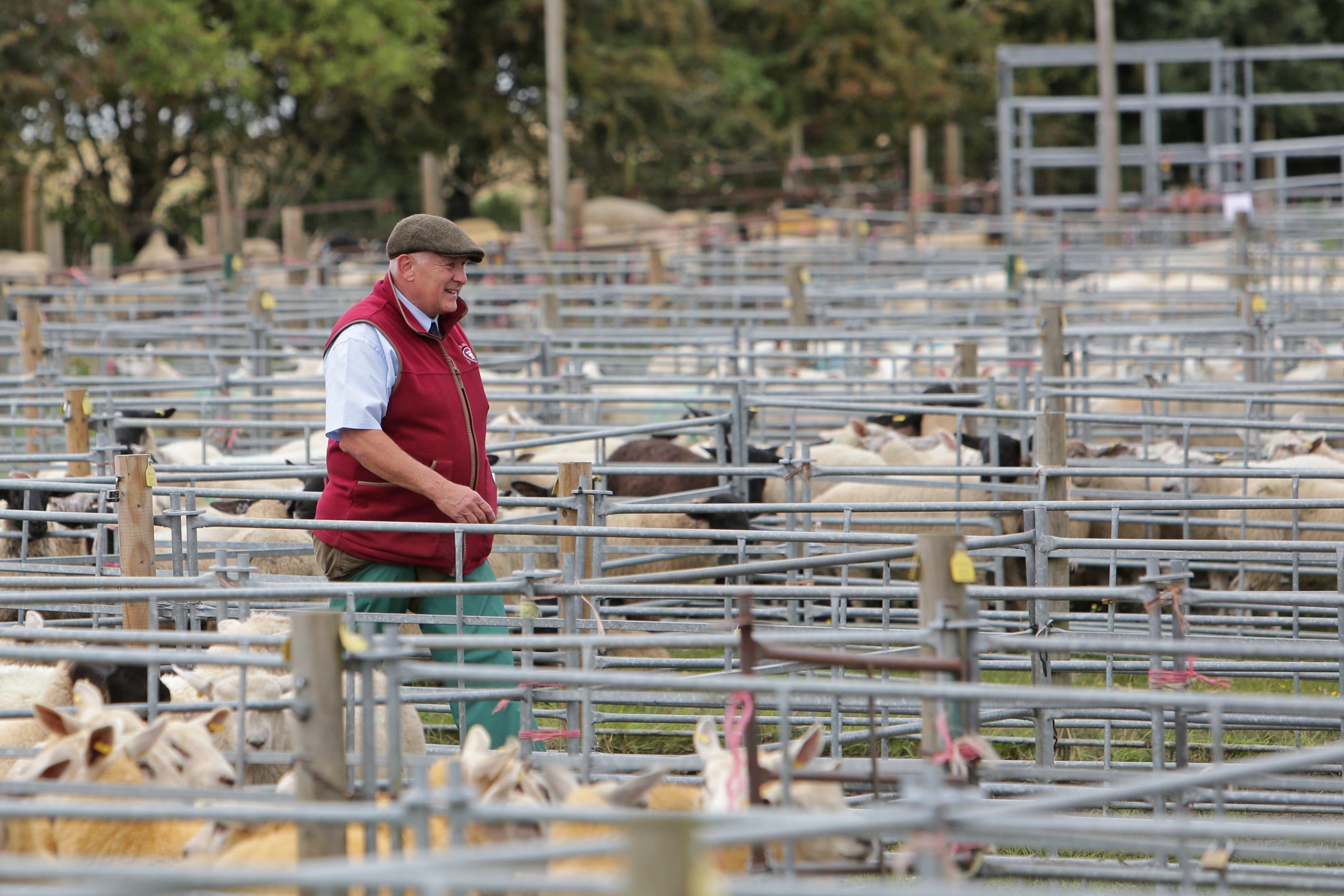
More than 16,000 sheep have been entered for one of the UK’s largest livestock sales, with organisers hoping strong prices will push turnover towards £3 million.
THE SHEARWELL THAME SUMMER SHEEP FAIR will return to Thame Showground on Thursday and Friday, August 6 and 7, with 16,371 animals catalogued across the two-day event.
Organised by Thame Farmers Mart, the fair is regarded as an important early indicator of sheep prices ahead of the autumn breeding sales.
Buyers from Wales are expected to return in greater numbers this year following the lifting of bluetongue movement restrictions which affected trading at last year’s event.
The 2026 fair will also be the last overseen by senior auctioneer Simon Draper, who is due to retire later this year.
Mr Draper said: “This is the 24th year of the fair, which has become a yardstick for sheep sales.
“With the prices we are expecting, even with fewer sheep entered, we could be touching a turnover of £3 million over the two days.
“Thame has traditionally been known for the sale of early-lambing Suffolks. This year, we will be offering more than 3,000 Suffolk-cross breeding sheep, many of which would normally go to Anglesey for early lambing.”
The second day of the fair traditionally features large numbers of North Country Mule breeding sheep, although entries are lower this year because of strong prices for cull ewes.
Mr Draper said: “We would normally offer anywhere between 8,000 and 15,000 Mule ewes, but we have fewer this time because the cull ewe trade is so good.
“At previous fairs, Mules were making around £209, while they are now selling for between £230 and £240.
“Ewes were making £169, which we thought was a phenomenal price at the time, but that is now close to what they are worth for slaughter.”
Mr Draper said the number of entries also reflected the wider decline in the national sheep flock, although the event remains one of the largest sheep sales in the country.
The fair was relaunched following the end of foot-and-mouth restrictions in 2001 and has grown significantly over the past 24 years.
Mr Draper said: “When the restrictions ended, we reinvented the fair and brought it back onto the farming calendar.
“A lot of people contacted us to thank us and, from there, it just grew and grew.
“At its peak, we were selling around 30,000 sheep in a single day, so we had to expand it into a two-day event.
“One year, there were so many sheep that we were still selling at 10pm, and identifying all the buyers became quite a challenge.”
The 24th Shearwell Thame Summer Sheep Fair will take place at Thame Showground, known as The Fair Field, on Kingsey Road, Thame.
Sales will begin at 10am on both days, with the ram sale starting at 2pm on Thursday, August 6.
On-site catering will be available, alongside trade stands from businesses and organisations including Shearwell Data, StowAg, Agri-Lloyd, the National Farmers’ Union and the Royal Agricultural Benevolent Institution.
Sale programme
Thursday, August 6
- 3,316 white-faced cross theaves
- 3,517 Suffolk-cross theaves
- Three teaser rams
- 100 MV-accredited and non-MV rams and females
Friday, August 7
- 4,649 North Country Mule theaves
- 4,786 store lambs
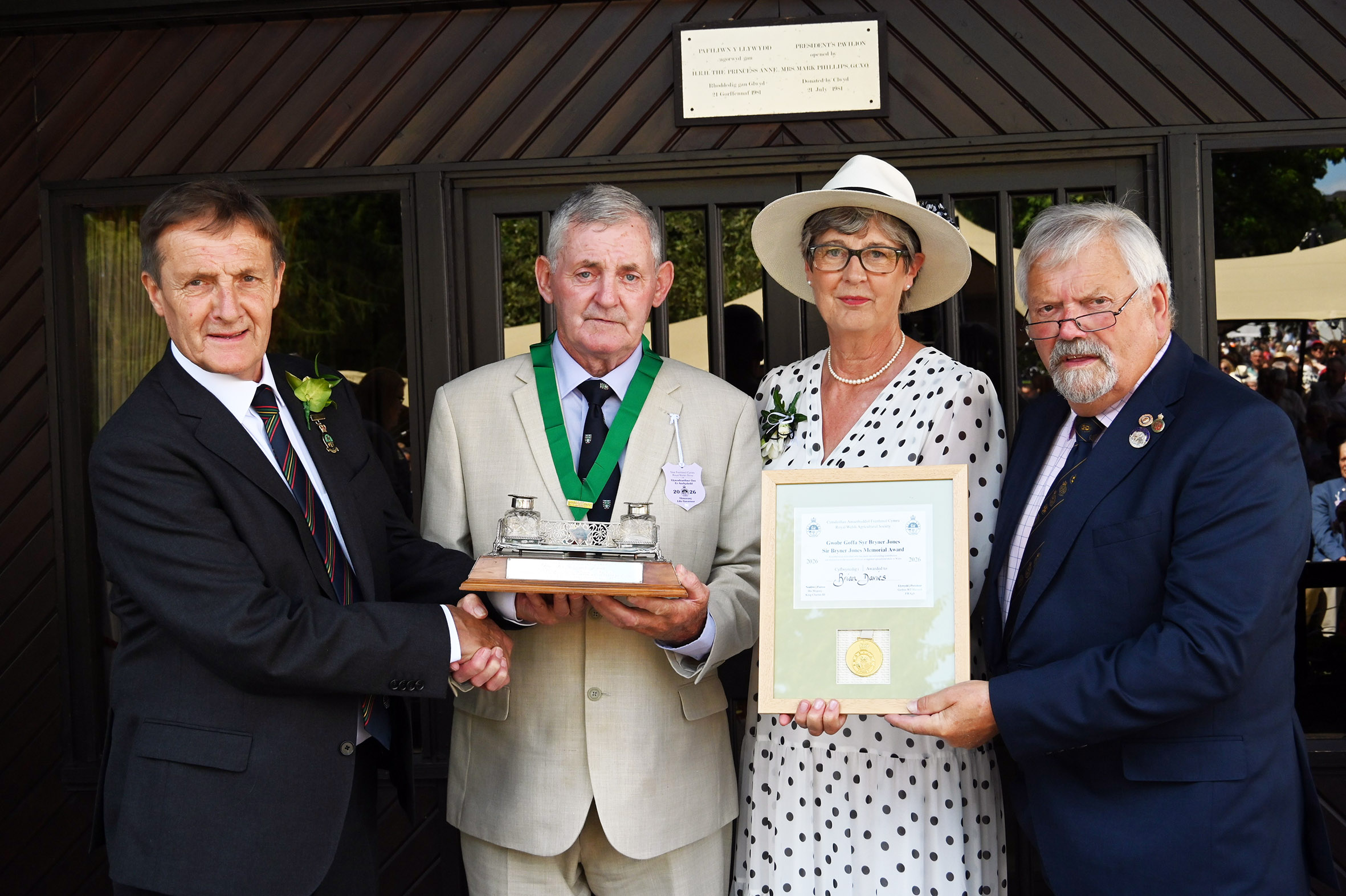
BRIAN DAVIES has received the Royal Welsh Agricultural Society’s highest honour after dedicating almost six decades to supporting one of the UK’s oldest agricultural shows
Mr Davies, from Garthbrengy in Brecknock, was named the winner of the 2026 Sir Bryner Jones Memorial Award during the Royal Welsh Show awards ceremony on Monday, July 20.
The prestigious annual award recognises individuals who have achieved the highest standards within their chosen area of the agricultural industry.
This year, the award focused on people who have made an outstanding contribution to the success of a local or regional agricultural show in Wales.
Mr Davies has given 59 years of service to the Brecknock Agricultural Society and has played a major role in sustaining and developing the Brecon County Show.
Having served as chairman, vice-chairman and president, he has worked to encourage young people and local families to become involved in the event, helping to secure its future for generations to come.
Judges Harry Fetherstonhaugh OBE and Susan Jones said the decision had been unanimous.
They said: “The winner exemplifies the very highest standards of leadership, commitment and dedication, leaving a lasting legacy that will benefit the show for years to come. A truly deserving recipient of this award.
“Brian’s contribution ensures Brecon County Show remains relevant, inclusive and capable of evolving in a changing world and changing agricultural landscape.
“His understanding of how the event works, together with his unwavering commitment to its volunteers and his ability to inspire the next generation, is most impressive and will help ensure the long-term future of the show.”
Mr Davies received the Sir Bryner Jones Memorial Trophy, medal and certificate from RWAS president Gethin Havard.
Gareth Roberts, a member of the RWAS board of directors, sponsored the winner’s medal.
The other shortlisted finalists were Edward Morris, from Pembrokeshire, and Enid Williams, from Anglesey.
The award commemorates Sir Bryner Jones, one of the most influential figures in the history of Welsh agriculture and the Royal Welsh Agricultural Society.
He helped shape the direction of the society for more than 50 years, serving as honorary show director from 1908 to 1910, chairman of the council from 1944 to 1953 and president during the society’s 50th anniversary year in 1954.
Sir Bryner was head of the Department of Agriculture at Aberystwyth College and became one of Wales’ leading figures in agricultural education.
He later served as commissioner and chairman of the Agricultural Council for Wales before becoming Welsh Secretary at the Ministry of Agriculture.
He was knighted in 1947, with the memorial award first presented in 1957.
Picture caption: Brian Davies, second from left, receives the Sir Bryner Jones Memorial Trophy, medal and certificate from RWAS president Gethin Havard, watched by Ann Davies and award sponsor Gareth Roberts.



Local Government4 hours ago
Pembroke Dock councillor rejects claim he spent six months living in Portugal
Cllr Joshua Beynon says he remains active in his ward and has made only normal-length visits to see his Portuguese...

Health23 hours ago
More than 3,000 people have their say as Hywel Dda stroke consultation closes
Final decision on proposals, including a central 24-hour stroke unit at Glangwili and treat-and-transfer services at Withybush, is expected in...


Crime1 day ago
James McKenna guilty of attempted murder after Carmarthen Park knife attack
Jury rejects defendant’s claim he only intended to cause serious injury after ambush attack on former partner SPECIAL REPORT FROM...

Community2 days ago
New creative team transforms the Maes ahead of Eisteddfod y Garreg Las
Festival site in Llantwd is taking shape ahead of the National Eisteddfod’s arrival in Pembrokeshire from August 1 to 8...


Community2 days ago
From Tenby to Llandudno: Wales’ seaside towns face the same signal crisis
Businesses in two of Wales’s busiest resorts say unreliable mobile coverage is disrupting payments, bookings and everyday life TWO of...


Crime2 days ago
Judge orders Dyfed-Powys Police review after £3,912 fraud error
Force responsible for policing Pembrokeshire criticised after an officer understated the amount stolen from a vulnerable care-home resident A JUDGE...


Community3 days ago
Narberth bursts into colour as carnival brings Civic Week to spectacular close
Crowds lined the streets for an afternoon of floats, fancy dress, music and family entertainment at one of Pembrokeshire’s longest-running...


Community3 days ago
More than 100 racers take to Castle Pond for Paddle West’s inaugural regatta
Successful community event raised money for Forever11 and launched three consecutive weekends of waterside activity in Pembroke MORE than 100...


News3 days ago
NASA chief meets west Wales scientist helping search for life on Mars
Aberystwyth-led technology will guide Europe’s first Mars rover as it drills beneath the planet’s surface, while the proposed DARC radar...

News4 days ago
Princess Royal celebrates Pembrokeshire craftsmanship at family-run weaving mill
A Pembrokeshire business that began after a mother grew tired of waiting three weeks for her children’s name tapes has...
-
 News5 hours ago
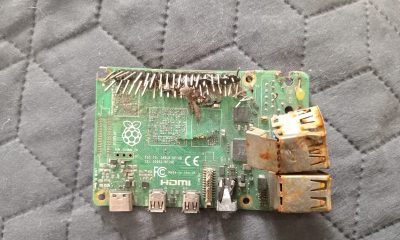
Welsh-made Raspberry Pi board found in Russian attack drone used against Ukraine
-

 Community23 hours ago
Huge water main burst sends geyser over Fishguard town centre
-

 Crime20 hours ago
Man in custody accused of intentionally strangling woman in Haverfordwest
-

 Crime2 days ago
Steynton man fined after breaching dog mess and anti-social behaviour notice
-
 Community2 hours ago
TikTok seller removed after Haverfordwest woman’s home swamped with parcels
-

 Health18 hours ago
Welsh A&E performance hits record low as parties clash over NHS pressures
-
 Community1 day ago
New recruits and old friends join choir at Cresswell Quay
-
Crime1 day ago
James McKenna guilty of attempted murder after Carmarthen Park knife attack