


Education
Welsh teachers urged to grab opportunity for environmental education

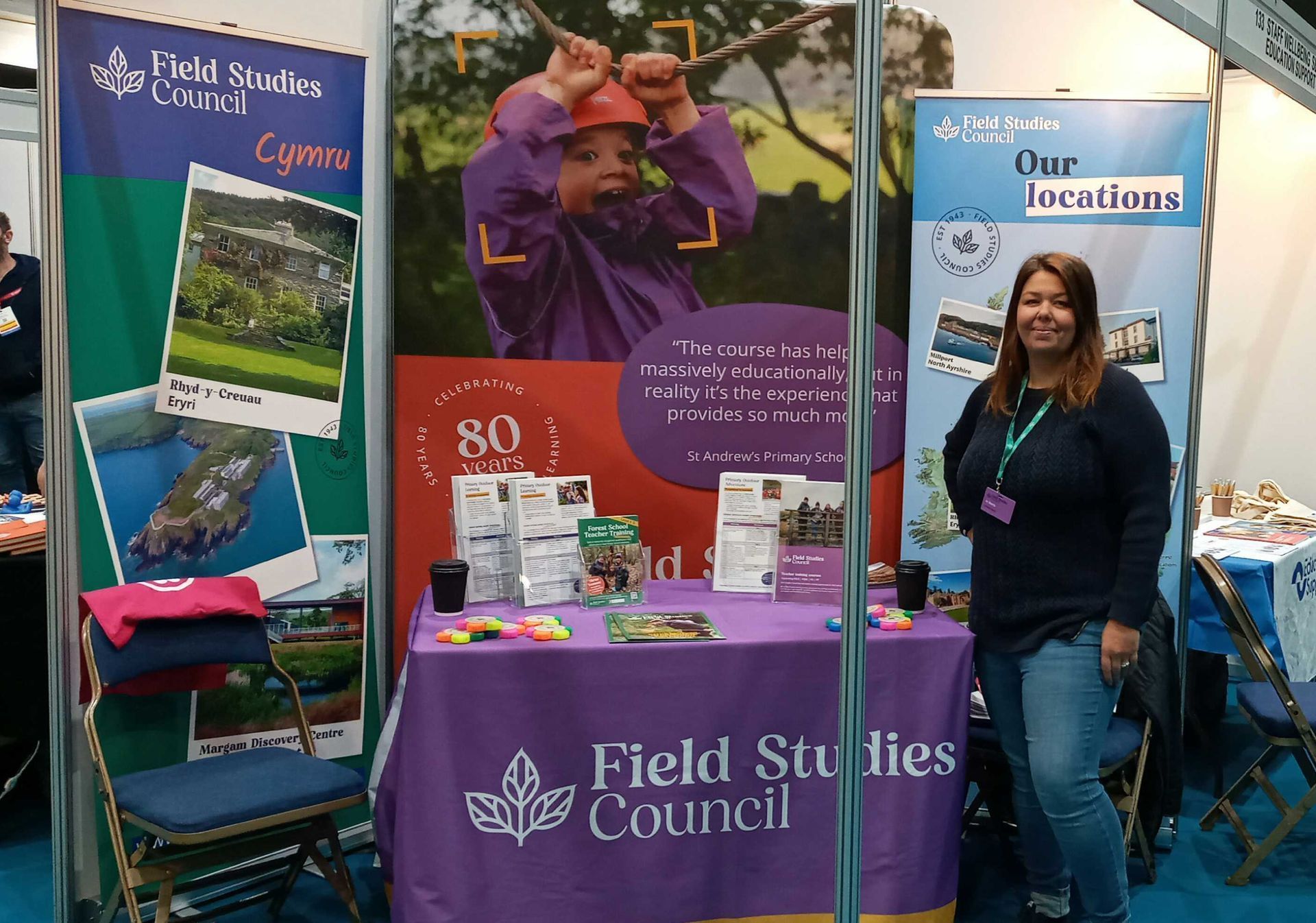
TEACHERS and school leaders across Wales have an “unmissable opportunity” to transform the lives of pupils through meaningful outdoor education.
The Field Studies Council, the UK’s leading outdoor education charity, has called upon teachers to embrace the opportunities offered by the new Curriculum for Wales which will be introduced from September 2025.
The charity’s education manager Jo Harris, speaking at the National Education Show in Cardiff on Friday (October 4), said: “The Curriculum for Wales is an unmissable opportunity to embed outdoor education as an integral part of the learning experience.
“We have been banging the drum for meaningful, enriching and immersive experiences for all students since the conception of the Field Studies Council in 1943, and we know the impact and importance of real-world learning for students of all ages, backgrounds and abilities.
“I urge teachers to embrace outdoor learning as an integral part of the new curriculum as it aims to create the healthy and ambitious young people needed to move our society ahead.”

The new curriculum for Wales has a strong emphasis on four key purposes, with the formal boundaries between subjects becoming more fluid in a more holistic approach to encourage positive well-being. The four purposes aim to create:
- ambitious, capable learners, ready to learn throughout their lives
- enterprising, creative contributors, ready to play a full part in life and work
- ethical, informed citizens of Wales and the world
- healthy, confident individuals, ready to lead fulfilling lives as valued members of society
The first cohort of Year 10 GCSE students will start following the new curriculum from September 2025, and Jo urged teachers to embed field trips and outdoor learning into their planning from the start.
She said: “We know that experience-based hands-on learning in natural environments fosters problem-solving, critical thinking and resilience. It encourages curiosity and a deep connection with the natural world, essential attributes for the citizens of tomorrow.
“The world of outdoor learning and nature connection is vital in creative thinking and the investigative work involved in fieldwork creates critical thinkers who can work in teams and individually.
“With green jobs on the rise at a rate much higher than workers with green skills, (World Economic Forum, Feb 2024), the future work force needs the stimulation, engagement and support to fulfil these roles, and the new Welsh curriculum is committed to delivering on this.
“Field Studies Council is a key partner of choice for this commitment – our school and university courses, as well as our online biodiversity department, are delivering expert courses and resources around biodiversity and environmental learning.”
The Welsh Assembly Government has told schools that the new curriculum should make sure 14 to 16-year-olds get an appropriate mix of general, vocational and skill-based qualifications and that curriculum time helps learners to understand all of their strengths.

Jo added: “We all know the physical health benefits of being outside and being active and we are becoming ever more knowledgeable about outdoor learning’s impact on mental health well-being, confidence and resilience.
“The students who struggle more to concentrate in class, those that might not get the chance to relax in nature otherwise or those that suddenly blossom to life in front of your eyes when given a pond dipping net, these are the beneficiaries of the drive for more outdoor learning across the curriculum.
“As educators in Wales, developing the curriculum for and with your schools, you can look to outdoor learning and its benefits to help deliver these purposes. We have courses to support all learners across many subjects, and I’m happy to engage with teachers to explain how you can use outdoor environmental learning to reap the benefits for your pupils.”
With centres at Rhyd-y-Creuau in the Yr Wyddfa National Park, Dale Fort in Pembrokeshire and Margam Discovery Centre in Port Talbot, the charity is already playing a key role in helping educators to deliver and plan high-quality, engaging experiences that meet the demands of the new curriculum.
It is currently working with subject advisers at WJEC – Wales’ largest awarding body – to pinpoint how its geography fieldwork courses can help prepare students to understand the six stages of enquiry and complete high quality non-examined assessments, which will be new for GCSE students next year.
It is also working with WJEC to help build teacher-confidence in delivering fieldwork for the new GCSE.
For more information visit https://www.field-studies-council.org/


SCHOOLS across Wales are to receive statutory guidance on restricting pupils’ mobile phone use during the school day, the Welsh Government has announced.
The move follows a consultation and a workforce survey which found strong support for national direction on the issue.
Although most schools already have mobile phone policies, the survey found there was no consistent approach across Wales. It also found that 82% of respondents supported statutory restrictions.
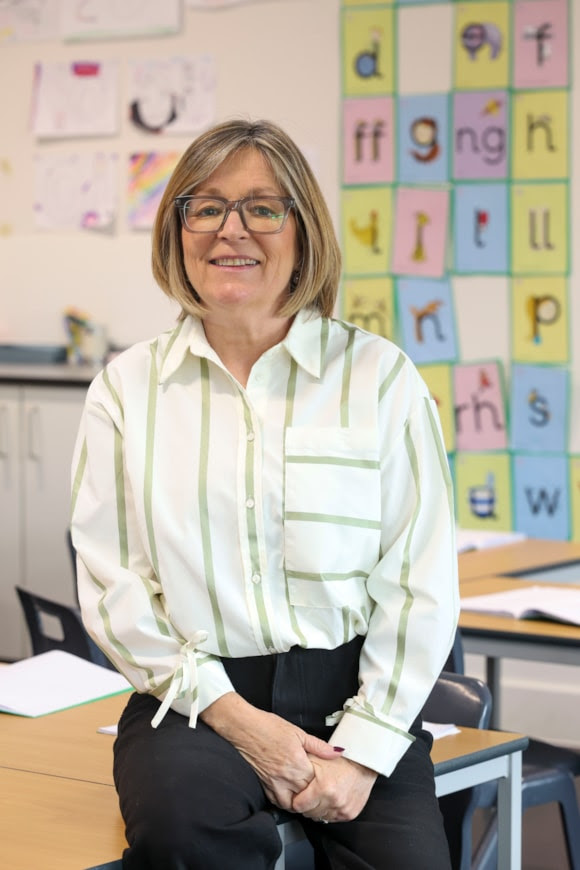
The new guidance for local authorities and schools will set out clearer expectations on how phones should be used during the school day. It will be evaluated over the school year, with ministers leaving open the option of strengthening the rules further if required.
Cabinet Minister for Education and Welsh Language, Anna Brychan said: “Our 100-day plan was clear that we would act, and I have listened to the calls for stronger clarity on this issue.
“This is why the government will publish statutory guidance to provide clear national expectations on how mobile phones are used in schools.
“I want to be clear: as Cabinet Minister, I fully support — and strongly encourage — headteachers to introduce clear and robust restrictions on mobile phone use during the school day, up to and including a full restriction across the school site.
“I am mindful some children will always need exceptions, for medical reasons for example.
“By consulting on guidance at the start of the school year I am giving schools the clarity they want quickly, and creating a safer learning environment by reducing distractions now.”
The Welsh Government said it would also consider the implications of UK Government plans for new restrictions on under-16s’ access to social media.
Ms Brychan said ministers were committed to protecting young people online and would work with school leaders and partners across the education system in Wales as the proposals develop.
The announcement came as the Education Minister set out wider priorities for the sector, including raising standards, strengthening Welsh language provision, improving skills and creating what she described as a system that works for everyone.

The Welsh Government said it would develop a new Foundational Literacy and Numeracy Plan before the end of the summer and review the curriculum.
Other priorities include reducing workload for education staff, expanding Welsh-medium education, ensuring learners have more opportunities to use Welsh beyond the classroom, and reviewing how universities are funded.
Ms Brychan added: “Education is the key to unleashing our nation’s potential and there is no shortage of talent, energy and innovation in Wales.
“If we want to unlock this potential and build a stronger Wales, we need a stronger education system.
“We will raise standards, strengthen the Welsh language, develop skills and build a system that works.
“By working together, we can provide opportunity, ambition and excellence for all learners, in all parts of Wales and support the workforce that makes it possible.
“This Government has made education a priority because the future of Wales depends on it.”

Estyn report highlights strengths in classrooms but says too many pupils face gaps in learning
A NEW report by Wales’ education watchdog has found examples of excellent science teaching across the country but warns that inconsistent provision is preventing many pupils from developing the scientific knowledge and skills they need.
Inspectors from Estyn found strong practice in both primary and secondary schools, with some pupils benefiting from engaging practical experiments, real-world learning opportunities and well-planned lessons that build understanding over time.
However, the report concludes that the quality of science education remains “too variable” across Wales, with weaknesses in curriculum planning, teaching and assessment continuing to affect pupils’ progress.
Inspectors said problems were particularly evident when pupils moved from primary to secondary school, where poor coordination often led to repetition of work, gaps in learning and uneven levels of challenge.
His Majesty’s Chief Inspector, Owen Evans, said science education plays a crucial role in preparing young people for future careers.
“Science plays a vital role in helping young people understand the world around them and preparing them for future study and employment,” he said.
“While we saw encouraging examples of effective practice in schools across Wales, too many pupils experience an inconsistent science curriculum that does not build their knowledge and understanding systematically enough over time.”
The report also highlights ongoing difficulties recruiting and retaining specialist science teachers, particularly in Welsh-medium education.
Growing importance
The findings come at a time when demand for science, technology and engineering skills is increasing across west Wales.
Projects linked to renewable energy, environmental monitoring, advanced manufacturing and the Celtic Freeport are expected to create new opportunities requiring strong STEM (Science, Technology, Engineering and Mathematics) skills over the coming years.
Estyn said schools need to strengthen teachers’ subject knowledge, improve curriculum planning and work more closely together to ensure pupils progress smoothly through their education.
The watchdog also called on local authorities, school improvement services and the Welsh Government to invest further in science-specific professional development and tackle shortages of specialist teachers.

The report was commissioned by the Welsh Government and examined science teaching in primary, secondary and all-age schools across Wales.

£15m investment will support Year 7 and 8 pupils in Universal Credit households from September
THE WELSH GOVERNMENT has confirmed an additional £15m investment to begin expanding free school meals for eligible secondary school pupils.
The funding will support plans to extend free school meal entitlement to secondary pupils whose households receive Universal Credit, removing the current household income threshold.
At present, secondary school pupils can only receive free school meals if their family receives Universal Credit and household earnings are below £7,400, excluding benefits.
From September, parents of pupils in Years 7 and 8 are expected to be able to apply under the new scheme, regardless of household income, provided the family receives Universal Credit.
The £15m package forms part of the Welsh Government’s supplementary budget for 2026-27.
It will include £10m in capital funding for school kitchens and dining areas, alongside £5m in revenue funding to help introduce the expanded scheme.
The move follows the previous roll-out of free school meals to all primary school children in Wales, which was delivered as part of the former co-operation agreement between the Welsh Government and Plaid Cymru.
Cabinet Minister for Education and Welsh Language, Anna Brychan, said the funding marked “the first step” in extending free school meals to more secondary pupils.
She said: “This work is about removing barriers to learning and supporting wellbeing.
“We know that access to nutritious food improves concentration, attainment and overall health.
“Building on the success of universal primary free school meals, we will ensure that as children move into secondary education those who need it most will continue to receive the support they need to thrive.”
First Minister Rhun ap Iorwerth said extending eligibility to more families on Universal Credit was part of wider efforts to tackle child poverty.

He said: “Starting this work is a key aspect of our 100 Day Plan and beyond — taking practical action by putting money back into families’ pockets and ensuring every young person has the opportunity to succeed, regardless of their background.”
Further details on the roll-out are expected to be announced in due course.



News12 hours ago
Long Course Weekend set to bring thousands to Pembrokeshire
Three days of swimming, cycling and running will once again transform Tenby into one of the UK’s biggest endurance sporting...


Community18 hours ago
The gentle giant behind the tattoos
Pembrokeshire security worker Josh Davies praised for professionalism, kindness and proving first impressions can be wrong JOSH Davies is hard...


Charity2 days ago
Toy Story fans fill charity toy box at Haverfordwest cinema
Donations pour in for SNAP Specialist Play as families embrace Toy Story 5 launch A TOY STORY-themed charity appeal at...


Community2 days ago
Lord Rhys emerges from the mist in St Davids
Giant puppet begins historic journey marking 850 years since the first Eisteddfod MIST swirled around St Davids Cathedral on Friday...


News3 days ago
Tragic tribute paid to Haverfordwest man after A4075 collision
FAMILY REMEMBERS “KIND AND LOVING” CALLUM HANSON THE FAMILY of a 22-year-old man from Haverfordwest who died following a road...


News4 days ago
Motorcyclist, 22, dies in A4075 crash in Pembrokeshire
A 22-year-old woman remains in hospital after two-vehicle collision A MOTORCYCLIST has died following a serious two-vehicle crash on the...


Community4 days ago
Why police will be visiting every home in Pembrokeshire
New operation aims to knock on more than 257,000 doors across Dyfed-Powys over the next three years DYFED-POWYS POLICE has...


Crime4 days ago
Prisons at breaking point: MPs warn Wales is paying the price of a failing system
Frozen healthcare budgets, overcrowded jails, homelessness on release and mounting pressure on staff are undermining rehabilitation across Wales, according to...


News5 days ago
Brexit at 10: How Britain was sold a dream that cost us dearly
A decade after the referendum, the promised benefits remain hard to find while the economic costs are increasingly difficult to...


Crime5 days ago
Worcestershire man jailed after violent attack on woman in Tenby
Defendant was already serving a suspended sentence when serious assault took place A WORCESTERSHIRE man has been jailed for more...
-

 Crime4 days ago
Milford Haven man jailed for breaching domestic violence protection order
-

 Local Government6 days ago
Security privately arranged by Mayor at Beating of the Bounds
-

 News4 days ago
Crash on Freeman’s Way causes school-run chaos across Haverfordwest
-

 Crime6 days ago
Man wanted by court after failing to attend hearing over alleged shop thefts
-

 Crime6 days ago
Man jailed after admitting strangulation and assaults
-
 Crime6 days ago
Man banned from roads after drink-driving offence
-

 Crime5 days ago
Drug trafficker must repay £33,000 after court rules he made nearly £500,000
-
 Crime6 days ago
Man sentenced over stalking campaign and lock knife offence