


Farming
Welsh Government pressed on impact of new farming tax

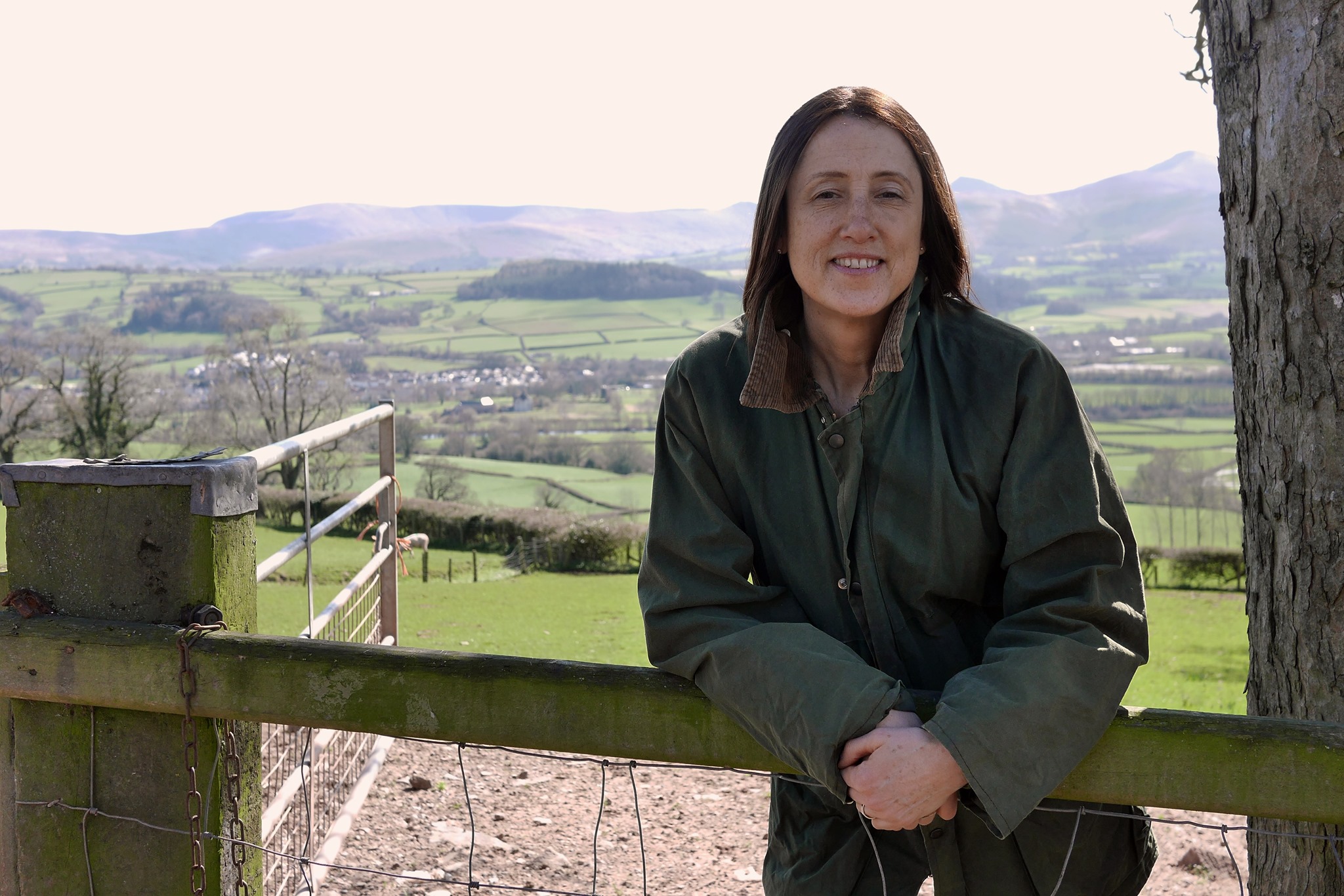
THE Welsh Government have been urged to clarify how many farms in Wales will be affected by the Family Farm Tax.
The calls come after farming unions rebuked claims from the UK Labour Government and Welsh Secretary Jo Stevens that only a minority of farmers will be affected by the new inheritance tax rules.
The UK Labour Government has come under heavy criticism following the announcement by Chancellor Rachel Reeves that farmers would have to pay a 20% tax on farms worth more than £1m.
When questioned on Sunday Politics about the potential impact of the new tax laws on Welsh Farmers, Welsh Secretary Jo Stevens claimed that “Three quarters of farmers will be unaffected”.
The treasury has yet to publish an estimate around the impact that the new tax laws will have on Welsh farms.

Both the FUW and NFU Cymru have expressed their concerns at the changes made by the UK Government, stating that it will cause “lasting damage to Welsh farming.”
The Welsh Lib Dems have now called on the Welsh Government to clarify how many farms in Wales will be impacted by the new Family Farm Tax rules.
Party leader Jane Dodds MS has written to the Cabinet Secretary for Climate Change and Rural Affairs Huw Irranca-Davies to express her concern over the “untold damage that farming communities throughout Wales will face as a consequence of the UK Government’s most recent budget”.
In the same letter, Jane Dodds MS pressed Mr Irranca-Davies to confirm how many Welsh farms will be affected by the new inheritance laws.
“We cannot afford to leave our farming communities in the dark when it comes to the impact of this potentially devasting new tax law” said Jane Dodds MS.
Both our farmers and the Welsh Public deserve to know the truth that lies behind Labour’s claims that only a small amount of farmers will be impacted by the Family Farm Tax. Claims that, I should add, have already been disputed by both NFU Cymru and the FUW.
The uncertainty surrounding these new inheritance laws will place more unnecessary pressure on farmers across Wales, many of whom are already struggling under a cloud of financial pressures.”


A WELSH GOVERNMENT minister has defended his approach to tackling bovine TB after being accused of lacking ambition by Conservative farming spokesman Andrew RT Davies.
Mr Davies challenged Rural Resilience and Sustainability Minister Llyr Gruffydd in the Senedd on Tuesday (Jun 23), claiming the government’s latest position contained “lots of reviews” but “little substance”.
He warned that bovine TB remained a major concern for farming communities and urged the minister to bring forward a clearer plan to eradicate the disease.
Mr Davies said: “Bovine TB is devastating for the countryside, yet for the past 20 years those in power have let rural communities down.
“Plaid Cymru ministers must get a grip of officials. They must not be allowed to curtail ambition to tackle this terrible disease.”
He added that the Welsh Conservatives would support the minister if he brought forward a “positive vision” for tackling bovine TB.
Responding, Mr Gruffydd said the government needed to wait for advice from the technical advisory group before deciding its next steps.
He said: “They have been charged with bringing forward concrete proposals on the way ahead.
“I think we wait for the experts to speak; we look at the evidence, we look at the science that they provide us, and then we get a grip and take action.”
Bovine TB remains one of the most divisive issues in Welsh farming. Farmers have long argued that the disease causes major financial and emotional pressure, while governments have faced difficult decisions over cattle controls, testing, wildlife management and disease eradication policy.
The exchange comes as farming unions continue to call for stronger measures to reduce the spread of the disease, while ministers say future policy must be guided by evidence and expert advice.
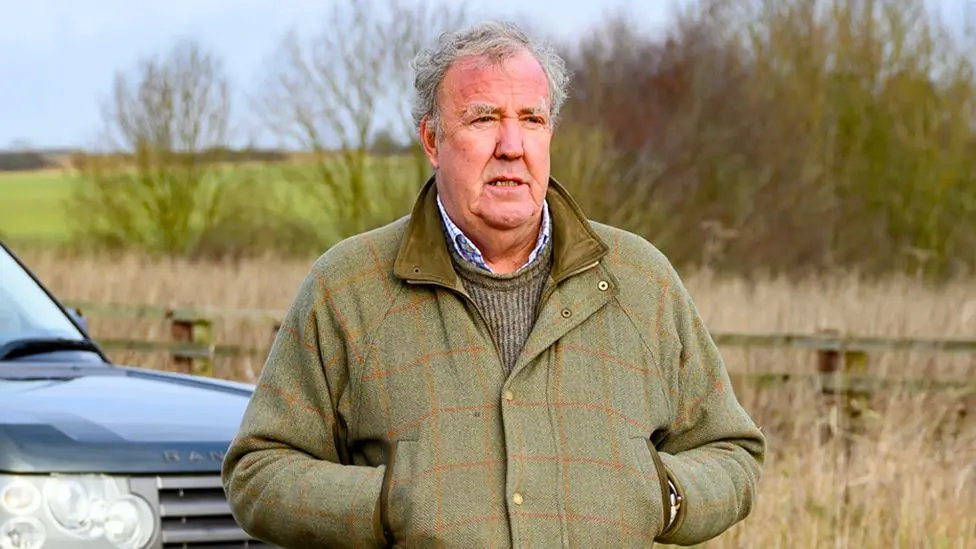
JEREMY CLARKSON’S prostate cancer diagnosis has highlighted a problem familiar to many farming families — what happens when serious illness collides with the daily demands of running a farm.
The presenter revealed in the latest series of Clarkson’s Farm that he had been diagnosed in 2025 with an aggressive form of prostate cancer. He has since confirmed that he is in remission.
But his comments about worrying that treatment would clash with a busy period on his Cotswolds farm have struck a chord with farmers across the country.
For many in agriculture, illness is not just a personal health crisis. It can also raise immediate questions about livestock, crops, machinery, bills, family income and who will carry out essential work if the farmer is forced to stop.
Bridgette Baker, a fifth-generation farmer from Montacute, near Yeovil, said the dilemma was one many farmers would recognise.
She said: “Farmers calculate how many days they would be off and think, ‘how far back in my jobs list am I going to be?’”
Miss Baker, 25, works on her family’s beef and arable farm at Windmill Farm. With no outside employees, she said covering daily duties during periods of illness could be extremely difficult.
She added: “Sometimes you’d think the priority is to get the treatment, but sometimes farmers like to put their farm first to get the jobs done.”
The issue is particularly serious in family-run farms, where the business, home and livelihood are often closely linked. A period of illness can affect not only the patient, but the whole family operation.
The Farming Community Network, which supports farming families, is working with Macmillan Cancer Support to improve help for those affected by cancer in rural communities.
The charity said farmers often faced barriers in accessing cancer services and support because of long working hours, rural isolation and the practical demands of farming.
A spokesperson for FCN said cancer could have a serious impact on a family business, especially where livestock needed immediate care or where the farm employed others.

They said: “That can have significant impacts on an individual and their families, including their housing and extended family situation or immediate welfare issues for livestock.”
Clarkson’s Farm, which launched in 2021, has become one of Amazon’s most successful factual entertainment series. It follows the former Top Gear presenter as he attempts to run Diddly Squat Farm in Oxfordshire, highlighting the financial pressures, red tape, weather problems and practical challenges facing British agriculture.
His diagnosis has now brought another farming issue into the public eye: the difficulty of putting health first when the land, animals and business cannot simply be paused.
Health charities continue to urge men to seek advice if they are concerned about prostate cancer, particularly if they are over 50, have a family history of the disease, or are at higher risk.
Farm support groups say the message is simple: farmers should not delay seeking medical help because of work pressures, and families should reach out for support before a health crisis becomes unmanageable.

NFU Cymru reminds agricultural workers to take precautions as temperatures soar
NFU CYMRU is urging farmers and agricultural workers across Wales to take extra care during the current spell of hot weather, warning that prolonged exposure to heat and the sun can pose serious risks to health.
While livestock welfare remains a major concern during heatwaves, the union says those working outdoors should not overlook the dangers to themselves. Farmers, contractors and farm workers often spend long hours exposed to direct sunlight, increasing the risk of dehydration, heat exhaustion, heat stroke and skin cancer.
According to the Health and Safety Executive (HSE), ultraviolet (UV) radiation is recognised as an occupational hazard for people who work outdoors. Occupational exposure to UV rays is linked to around one death and five new cases of skin cancer every week in Britain.
NFU Cymru is encouraging employers to ensure staff have access to sunscreen, drinking water and shaded rest areas, while workers are being advised to protect themselves by covering exposed skin and avoiding the hottest part of the day wherever possible.
The union recommends using sunscreen with a minimum SPF15 and reapplying it regularly throughout the day. Wearing lightweight long-sleeved clothing, wide-brimmed hats or neck-flap hats, and taking breaks in the shade can significantly reduce exposure to harmful UV rays.
Hydration is equally important, with workers advised to drink plenty of water throughout the day. Alcohol and excessive amounts of caffeinated drinks should be avoided, as they can contribute to dehydration.
Farmers are also being reminded to monitor their skin for unusual moles or changes in existing marks, particularly those with fair skin, freckles, light-coloured eyes or a large number of moles, who are at greater risk of developing skin cancer.
As temperatures continue to rise, NFU Cymru warns that heat exhaustion can develop quickly. Early symptoms include headaches, dizziness, nausea, muscle cramps, heavy sweating, rapid breathing, intense thirst and a body temperature above 38C. Without prompt action, heat exhaustion can develop into life-threatening heat stroke.
To reduce the risk, outdoor work should be planned for cooler parts of the morning or evening where possible, with frequent breaks taken in shaded or well-ventilated areas. Workers should also slow their pace during periods of extreme heat, wear loose-fitting light-coloured clothing and eat foods with a high water content, such as fruit and salads.
The union is also encouraging employers to review working practices during periods of hot weather by introducing additional shaded work areas, increasing the availability of drinking water, allowing workers to remove unnecessary protective clothing during rest breaks where safe to do so, and ensuring staff recognise the warning signs of heat-related illness.
With high temperatures forecast to continue across Wales, NFU Cymru says taking simple precautions now can help prevent serious illness and ensure farms continue to operate safely throughout the summer.



Health10 hours ago
Senedd backs call to rule out hospital downgrades after heated NHS debate
Reform UK amendment passes as West Wales hospital fears remain central political issue THE SENEDD has backed a call for...

News13 hours ago
Coastguard callout payments axe sparks fears for coastal communities
VOLUNTEER coastguards across the UK are set to lose callout payments, prompting concern over the future resilience of emergency cover...

Farming15 hours ago
Rural Wales ‘left out’ of net zero debate, warns carbon entrepreneur
A WELSH carbon entrepreneur has warned that rural Wales risks being left behind in the national conversation about net zero....


Local Government1 day ago
Tenby Spectacular row continues as organisers say key question remains unanswered
Round Table says legal clarity over pedestrian access is still holding up event plan TENBY ROUND TABLE has welcomed Pembrokeshire...


Community2 days ago
Manorbier fire scandal: Council’s payout just £63,777 after school destroyed
PEMBROKESHIRE COUNTY COUNCIL has accepted an insurance settlement which leaves it with just £63,777.07 after the catastrophic fire which destroyed...


News2 days ago
Bus overturns in major incident near Kidwelly
All passengers rescued as emergency services remain at scene A BUS overturned on the A484 between Kidwelly and Ferryside on...


Community3 days ago
Tenby Summer Spectacular cancelled amid council row over harbour access
Organisers say popular charity events cannot safely go ahead without clear powers to control crowds TENBY ROUND TABLE has announced...


News3 days ago
Motorcyclist dies after four-vehicle crash on A40 in Carmarthenshire
A MOTORCYCLIST has died following a four-vehicle collision on the A40 between St Clears and Whitland. Dyfed-Powys Police said the...


News3 days ago
Rhun ap Iorwerth urges new deal for Wales after Starmer quits
First Minister says next Prime Minister must focus on greater powers, fair funding and respect for Wales’ democratic mandate FIRST...


News3 days ago
How Labour’s landslide victory unravelled in just two years
Prime Minister announces resignation after losing support within his own party as Andy Burnham emerges as overwhelming favourite to take...
-

 Health5 days ago
Woman jailed assaults on police, harassment and XL Bully possession
-

 Crime5 days ago
Milford Haven woman spared jail despite string of shop thefts
-

 Community4 days ago
The gentle giant behind the tattoos
-

 Crime5 days ago
Spittal man to stand trial accused of ABH
-

 Crime5 days ago
Carmarthenshire pensioner, 86, accused of causing prostitution for gain
-

 Entertainment4 days ago
Harbour Fest to bring music, food and maritime magic to Milford Waterfront
-

 Crime10 hours ago
Police appeal after reported rape at Young Farmers rally
-

 Community6 days ago
Cabinet to review recent decision on crematorium services at special meeting