


News
Reimburse charities for NI rise, say Welsh Conservatives


CHARITIES not-for-profits, and voluntary organisations in Wales face mounting financial strain due to an increase in employer National Insurance (NI) contributions, prompting calls for government intervention.
The UK Labour Government’s decision to raise employer NI contributions has drawn sharp criticism from the Welsh Conservatives, who warn that the move will place an undue burden on charities and voluntary groups. While public sector bodies such as the NHS and local councils will receive compensation for the additional costs, charities providing essential services under local authority contracts will not be reimbursed.
A survey by the Welsh Council for Voluntary Action (WCVA) found that 84% of voluntary organisations are concerned about how they will manage the NI increase.
Senedd debate on reimbursement
Next week, the Welsh Conservatives will bring forward a Senedd debate urging the Welsh Labour Government to press Westminster for financial support for Welsh charities, not-for-profits, and voluntary organisations. The motion argues these groups should be classified under the Office for National Statistics’ (ONS) definition of public sector employees to qualify for reimbursement.

Welsh Conservative Shadow Secretary for Economy, Energy, and Welsh Language, Samuel Kurtz MS, said:
“Welsh charities, not-for-profits, and voluntary organisations play a vital role in delivering public services that the most vulnerable in society depend upon.
“Labour’s decision to increase employer National Insurance contributions will have a detrimental impact on the future and viability of these organisations.
“The Welsh Conservatives are clear: Labour must ensure that Welsh charities, not-for-profits, and voluntary organisations are reimbursed for this rise in employer National Insurance contributions.”
Sector voices concern
The WCVA has also warned that the NI increase could put crucial community services at risk.
A WCVA spokesperson said: “WCVA is deeply concerned about the impact of increased Employers’ National Insurance contributions on voluntary sector organisations across Wales. Many of these organisations already face significant financial pressures, and this increase threatens to put additional strain on their resources and potentially jeopardise vital services delivered to communities.

“We have strongly urged both the UK and Welsh Governments to recognise the invaluable role the voluntary sector plays, especially in partnership with public services. We believe it is critical for voluntary organisations delivering public services to be treated equitably and included in any financial support measures, ensuring they are not disproportionately disadvantaged by these policy changes.
“WCVA welcomes the debate in the Senedd and hopes it will lead to productive discussions and practical solutions to protect the voluntary sector’s essential contribution to Welsh society.”
Motion to be debated
The Senedd motion, set for debate next week, states:
- Notes the UK Government’s increase to employer National Insurance contributions, coming into effect for the 2025-26 tax year.
- Recognises the detrimental impact the increase will have on Welsh charities, not-for-profits, and voluntary organisations.
- Calls on the Welsh Government to make urgent representations to the UK Government to ensure that these organisations delivering public services are included in the ONS-defined public sector category and are reimbursed for the rise in employer National Insurance contributions.
The debate will determine whether Welsh Labour will push for financial support to shield the voluntary sector from these additional costs.


Suspected drug driver report leads to major police response and multiple arrests
DRAMATIC scenes were reported in Pennar on Monday afternoon (Mar 23) after multiple police vehicles were deployed to stop a car.
The incident happened at around 5:00pm near Pennar Court, Pembroke Dock, where officers located a stationary vehicle following reports of a suspected drug driver in the area.
Police attended and pre-emptively stopped the vehicle, also blocking a second car nearby.
Officers carried out searches of both vehicles and discovered suspected controlled substances.
A 32-year-old woman and a 47-year-old woman were arrested on suspicion of possessing class A and class B drugs with intent to supply. A 31-year-old man was arrested on suspicion of drug driving and possession of class A and class B drugs with intent to supply.
The 32-year-old woman has been released under investigation, while the 31-year-old man and 47-year-old woman have been released on unconditional bail.
Dyfed-Powys Police confirmed the incident followed reports of a man believed to be driving under the influence in the area earlier that afternoon.


A MAN has been jailed after sending sexual messages on Snapchat to three girls he believed were aged 14.
Ciaran Carmody, aged 21, appeared before Haverfordwest Magistrates’ Court via video link from HM Wrexham prison, where he admitted three offences of attempting to engage in sexual communication with a child under 16.
The court heard the messages were sent on three separate occasions to accounts posing as 14-year-old girls, which were in fact part of an undercover police operation.
Prosecutor Nia James said each of the girls made their age clear, but the messages sent by Carmody were sexual in nature.
The offences took place between April 25 and May 5, 2025.

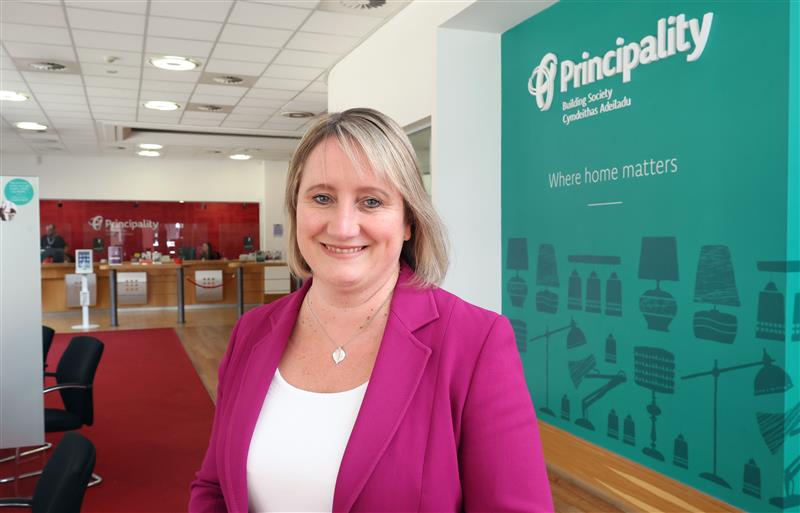
TWO in three savers say a fixed interest rate would give them greater peace of mind when planning their finances, according to new research from Principality Building Society*, as people in Haverfordwest are encouraged to review their savings ahead of the ISA tax year deadline.
The research, conducted with more than 1,500 people, also found that while many savers feel comfortable managing their money independently, a significant number still value the reassurance of speaking to someone when making important financial decisions.
Meanwhile, around one in six people mistakenly believe they must open a new ISA every tax year, highlighting ongoing confusion around how ISAs work. In many cases, particularly for variable savings products, savers may be able to continue paying into an existing ISA.
With the tax year end approaching, Principality Building Society is inviting Members and local savers to speak with colleagues at its High Street branch in Haverfordwest to better understand their options and make informed choices about how to use their ISA allowance.
The research also highlights the appeal of certainty when it comes to savings. Two in three savers say a fixed rate would give them peace of mind, reflecting the reassurance that comes from knowing exactly what return they will receive over a set period. Fixed rate Cash ISAs can provide that certainty, making it easier for some savers to plan ahead.
Vicky Wales, Chief Savings and Lending Officer at Principality Building Society, said: “ISA season can often feel busy and confusing, particularly against the backdrop of changes in the wider financial environment. Many people value the opportunity to talk through their options and feel confident they’re making the right decision.
Every saver’s situation is unique, so having a conversation can help people better understand their choices and how these align with their longer-term plans. Understanding the differences between savings products – including fixed and variable rates – can help savers make the most of their ISA allowance, and ensure their money is working in a way that suits their individual goals.”
Principality Building Society is encouraging anyone in Haverfordwest who would like to review their savings ahead of the tax year end to visit their local branch for a supportive conversation about their options, and how they can make the most of their savings.
Source: Principality Building Society’s own online community, Member Pulse, survey on Cash ISAs, March 2026 (total respondents: 1,544)




Crime4 hours ago
Police stop car in Pennar as three arrested in drugs investigation
Suspected drug driver report leads to major police response and multiple arrests DRAMATIC scenes were reported in Pennar on Monday...


Business9 hours ago
New pilot vessel Llanion arrives at Milford Haven
State-of-the-art 22-metre craft marks reset after £3.6m pilot boat controversy THE PORT OF MILFORD HAVEN has taken delivery of a...


Business1 day ago
Could Primark be coming to Haverfordwest? Major retailer in talks for former Wilko site
Council confirms advanced discussions as speculation grows over high street boost HAVERFORDWEST could soon see a major high street revival,...


Business1 day ago
Rail investment ‘could unlock 40,000 jobs and £11bn for Wales’ says new report
RAILWAY stations across Wales could help unlock around 40,000 jobs and more than £11 billion for the economy by 2036,...


Local Government1 day ago
Milford Haven set for £200m investment with schools, leisure centre and rail upgrade
Council outlines major plans for town with backing from Welsh Government MILFORD HAVEN is set for a major transformation with...


Community2 days ago
Broad Haven volunteers secure ‘national asset’ status for nature reserve
A SMALL stretch of woodland and former opencast coal mine has been transformed into a nationally recognised biodiversity site, in...


Entertainment3 days ago
Tenby steams up in spectacular style as crowds flock to festival
Colourful parade, towering creations and Victorian flair bring town centre to life TENBY was transformed into a vibrant Victorian fantasy...


Crime4 days ago
Publican jailed for six years for supplying cocaine and cannabis
Milford Haven man sentenced at Swansea Crown Court following drug dealing operation A MILFORD HAVEN publican has been jailed for...


Local Government4 days ago
Poverty summit highlights support efforts across Pembrokeshire
A SUMMIT bringing together key organisations from across Pembrokeshire has highlighted both the scale of local poverty and the work...


Education5 days ago
Milford Haven school plans unveiled but funding not yet secured
PLANS for a new £100 million school in Milford Haven have been unveiled, but the project has not yet secured...
-

 Crime6 days ago
Mother given community order after admitting child cruelty offence
-

 Health5 days ago
NHS waiting list falls — but cancer delays and diagnostic backlog worsen
-

 News6 days ago
Reform secures first Pembrokeshire councillor in Hakin by-election win
-

 Crime6 days ago
Woman stole from pharmacy despite ban, court hears
-

 Crime5 days ago
Illegal workers found at Cardigan takeaway after immigration raid
-

 Crime4 days ago
Pembroke man remanded in custody over knife threat, assault and damage allegations
-

 Crime6 days ago
Man pleads guilty in illegal ‘smokies’ food safety case
-

 Crime4 days ago
Broad Haven man remanded in custody over sexual harm prevention order breach