


News
Pembrokeshire coroner praised after inquest into EgyptAir crash concludes


Wife of Welsh victim thanks Mark Layton for helping bring closure after years of delay
A PEMBROKESHIRE-based senior coroner has been praised by the family of a Welsh man who died in the EgyptAir Flight MS804 disaster, following the conclusion of a long-awaited inquest into the tragedy which claimed 66 lives.
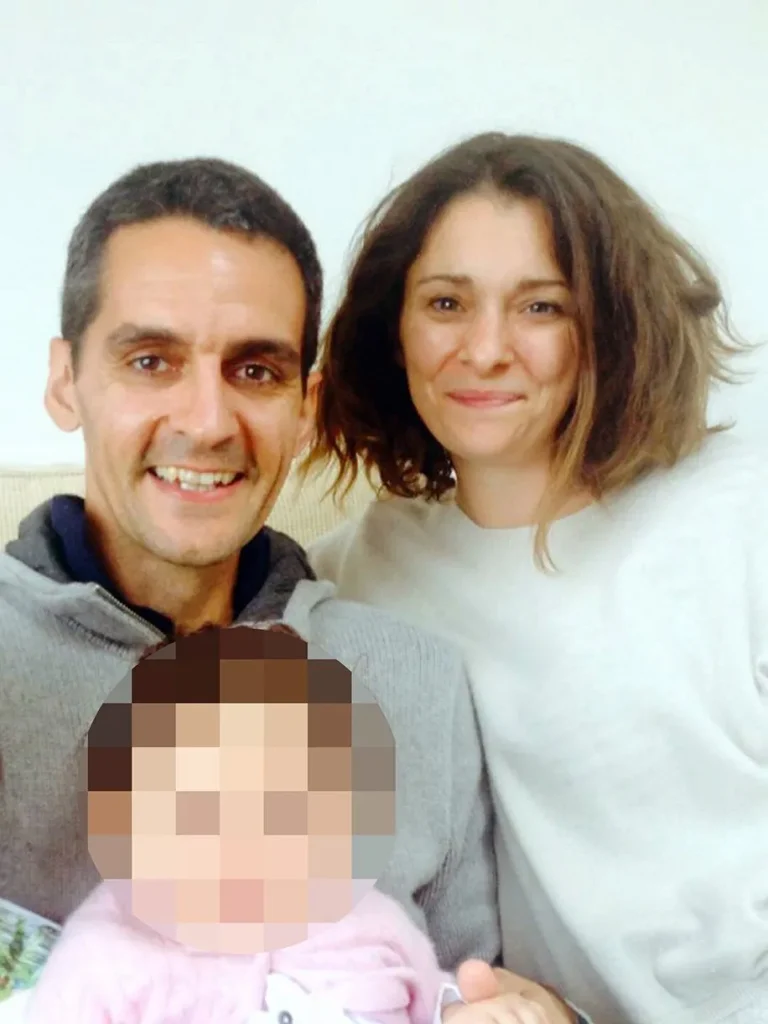
Richard Osman, originally from Wales, was among the 56 passengers and 10 crew members onboard an Airbus A320 that vanished from radar in the early hours of 19 May 2016, while flying from Paris Charles de Gaulle Airport to Cairo International Airport.
The aircraft crashed into the Mediterranean Sea, around 290km north of Alexandria, Egypt. There were no survivors.
Initial reports suggested the aircraft may have been brought down by a terrorist attack. However, after years of international investigations, those claims have been strongly disputed.
The inquest into Mr Osman’s death, held in Wales and led by Senior Coroner for Pembrokeshire and Carmarthenshire, Mr Mark Layton, concluded that Richard died following a fire onboard, likely sparked by an ignition source in or around the First Officer’s oxygen supply system.

Aviation expert Ken Fairbank, who gave evidence to the inquest, stated the fire likely began in the cockpit and spread rapidly, overwhelming the flight crew and leading to a catastrophic loss of control. The fire was described as so intense that it left the crew unable to respond or maintain control of the aircraft.
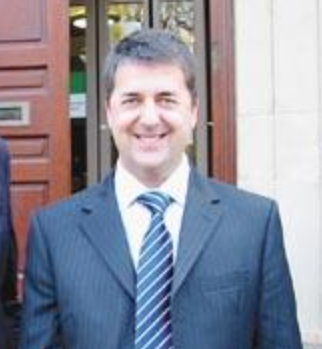
Mr Layton concluded that Mr Osman died as a result of an accident, caused by the onboard fire, and commended the thoroughness of the expert evidence.
Mr Osman’s wife, Aurélie Vandeputte, expressed heartfelt thanks to the coroner, saying:
“I am immensely grateful to Senior Coroner Mr Mark Layton, who throughout those many years has remained committed to our journey for truth and helping me, our daughters and Richard’s wider family and friends find closure through the inquest process.”
She also thanked the Welsh authorities for their continued support throughout what she described as “years of chaos,” marked by a lack of communication, delays, and the mishandling of victims’ remains.

Despite international aviation protocols requiring the publication of a final report within 12 months of an accident—or interim reports each year—Egyptian authorities failed to meet these obligations. The final report was only published more than eight years after the crash, and only after significant international pressure.

The French Bureau of Enquiry and Analysis for Civil Aviation Safety (BEA) and Mr Fairbank both dismissed Egyptian claims that the aircraft had been brought down by an explosive device, stating instead that no evidence of an explosion was found and that the fire was the most likely cause.
Mr Layton is now expected to issue a Prevention of Future Deaths report, raising concerns over the delays and failures in the international investigation process.

Peter Neenan, a lawyer representing Mr Osman’s family, described the eight-year delay in publishing a final report as “unforgivable,” and said it had caused additional and unnecessary suffering to all the families involved.


FOUR people have pleaded not guilty to the murder of a 17-year-old boy.
Ricardo Elliot, aged 27, Connor Palfrey, aged 24, Elexi Manny, aged 24, and Georgie Mears, aged 18, appeared before Merthyr Tydfil Crown Court on Friday (March 20), where each denied killing Tristan Shae Kerr.
Emergency services were called to a property in Abertridwr, Caerphilly, at around 5:45pm on Wednesday (Feb 5) following reports that a teenage boy had suffered serious injuries. Despite efforts, Tristan was pronounced dead at the scene.
The court heard that the teenager is alleged to have been attacked with a so-called “zombie knife” measuring approximately nine to ten inches in length.
During the hearing, the four defendants spoke only to confirm their personal details and enter their pleas.

A trial is due to begin on August 3 and is expected to last around six weeks. A further pre-trial review has been scheduled for July 24.
All four defendants were remanded in custody.
Paying tribute after his death, Tristan’s family described him as a “deeply loved son, grandson, nephew, cousin and friend.”
They said he was quick-witted, with a love for motorbikes and adventure, adding that he had a natural energy that lit up every room and drew people towards him.


Defendant admitted using Xbox without informing police as required under court order
ANTHONY COOMBES, aged 26, of Sand Banks, Broad Haven, appeared before Llanelli Magistrates’ Court on Thursday (Mar 20) charged with breaching a sexual harm prevention order.
The court heard that between February 26 and March 19, 2026, at Haverfordwest, Coombes repeatedly breached the order by using an Xbox device without informing police within three days, as required.
The offences relate to a sexual harm prevention order imposed at Swansea Crown Court on October 20, 2021.
Coombes indicated guilty pleas to the offences at the first hearing.
Magistrates committed the case to Swansea Crown Court for sentence.
He was remanded in custody ahead of the next hearing, which is due to take place at 9:00am on Friday, April 3, at Swansea Crown Court.
The court refused bail on the grounds that he was likely to offend, citing the nature and seriousness of the offences and his previous record and character.
A pre-sentence report was ordered.

Police say death not suspicious as 46-year-old arrested over alleged Class A drug supply
A MAN has died following a medical emergency at a property in Haverfordwest, police have confirmed.
Emergency services were called at 3:18pm on Wednesday (March 18) after a report of a medical incident.
A man was pronounced dead at the scene.
Dyfed-Powys Police said the man’s next of kin have been informed and are being supported by officers.
The death is not being treated as suspicious at this time.
However, police confirmed that a man, aged 46, was arrested on suspicion of being concerned in the supply of Class A drugs.
He has since been released under investigation while enquiries continue.
No further details about the deceased have been formally released.



Crime21 hours ago
Publican jailed for six years for supplying cocaine and cannabis
Milford Haven man sentenced at Swansea Crown Court following drug dealing operation A MILFORD HAVEN publican has been jailed for...


Local Government24 hours ago
Poverty summit highlights support efforts across Pembrokeshire
A SUMMIT bringing together key organisations from across Pembrokeshire has highlighted both the scale of local poverty and the work...


Education2 days ago
Milford Haven school plans unveiled but funding not yet secured
PLANS for a new £100 million school in Milford Haven have been unveiled, but the project has not yet secured...


News2 days ago
Council unveils plans for new state-of-the-art secondary school in Milford Haven
PEMBROKESHIRE COUNTY COUNCIL has revealed plans for a new state-of-the-art school in Milford Haven, promising modern, inspiring learning spaces for...


Health2 days ago
NHS waiting list falls — but cancer delays and diagnostic backlog worsen
Record progress claimed by Welsh Government as critics warn key targets are still being missed THE NHS in Wales has...


Crime3 days ago
Rapist jailed after ‘abhorrent’ attacks on woman and children
Haverfordwest man told police “women won’t have sex without force” A HAVERFORDWEST man who raped a woman and a young...


News3 days ago
Reform secures first Pembrokeshire councillor in Hakin by-election win
Late Reform candidate takes seat as independent surge and Labour withdrawal shape contest REFORM UK candidate Scott Thorley has won...


News4 days ago
Scott Thorley elected as Pembrokeshire’s first Reform councillor
REFORM UK candidate Scott Thorley has won the Hakin by-election after securing 179 votes. The full result is as follows:...


News4 days ago
Police confirm man has died after being recovered from River Cleddau
Major emergency response in town centre after concerns raised for man in water A MAN has died after being recovered...


Community4 days ago
Davies and Kurtz urge groups to seek employability funding
Community organisations in Pembrokeshire encouraged to apply for new grants supporting skills and job access LOCAL Senedd Members Samuel Kurtz...
-

 News7 days ago
Rayner and Lammy visit Wales to discuss justice and community safety
-

 News6 days ago
Fishguard linked to allegations in Many Tears Animal Rescue investigation
-

 News4 days ago
Emergency services flood Haverfordwest after reports of person in river
-

 Local Government7 days ago
Investigation confirmed after inspectors visit Many Tears Animal Rescue
-

 Crime3 days ago
Mother given community order after admitting child cruelty offence
-

 Community7 days ago
Town hall takeover plan questioned as cost figures conflict
-

 News4 days ago
Senedd vote to ban greyhound racing hailed as ‘landmark moment’ by charities
-

 Sport7 days ago
Wales end Six Nations losing run with bonus-point win over Italy