


Community
Just days left to have say on Withybush hospital services

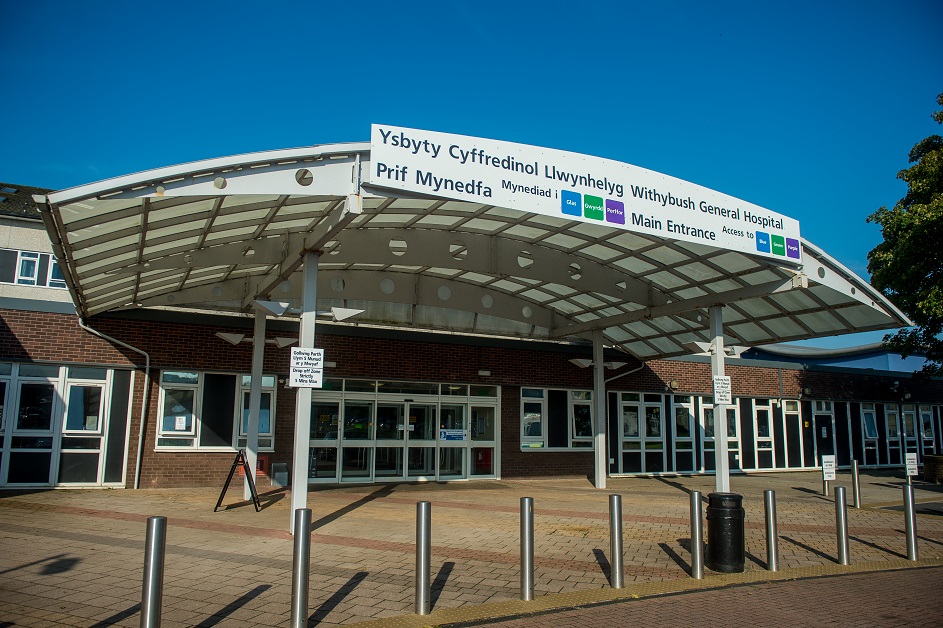
THERE’S just three days left to respond to a public consultation which could see some west Wales hospitals losing services, including an option for Withybush patients needing specialist critical care being transferred to Glangwili.
Another option, in Ceredigion, includes the loss of Bronglais’s stroke service, becoming a ‘treat and transfer’ hospital, with patients transferred to other hospitals in the board area, including Withybush for their inpatient stroke care.
Hywel Dda University Health Board’s Clinical Services Plan focuses on nine healthcare services that are “fragile and in need of change,” it has said.
The services, and potential changes at the four main hospitals of Haverfordwest’s Withybush, Carmarthen’s Glangwili, Llanelli’s Prince Philip and Aberystwyth’s Bronglais, included are critical care, emergency general surgery, stroke, endoscopy, radiology, dermatology, ophthalmology, orthopaedics, and urology.
There are no changes to how people access emergency care (A&E) or minor injury care as part of the consultation, with an ongoing separate consultation on minor injury care at Prince Philip.

These nine clinical services were selected because of risks to them being able to continue to offer safe, high-quality services, or care in a timely manner, the board has previously said.
At the May meeting of the board, members agreed to back the launching of a public consultation, running to August 31, into the proposed changes, with many different options in each of the nine services across the area, with some hospitals gaining or losing services, along with community site options in some cases.
In the case of critical care, there are three options.
- Intensive care units kept at Bronglais and Glangwili. An enhanced care unit would be provided at Withybush and Prince Philip. Another enhanced care unit would also be developed at Glangwili, so the intensive care unit at Glangwili can focus on the sickest patients.
Patients at Prince Philip or Withybush needing specialist critical care would be transferred to Glangwili.

- Intensive care units would be kept at Bronglais, Glangwili and Withybush. Prince Philip would have an enhanced care unit. Patients needing specialist critical care would be stabilised at Prince Philip and transferred to Glangwili intensive care unit.
- Intensive care units kept at all sites.
In the case of emergency general surgery, there are two options.
Currently, full emergency general surgery services, including surgical operations, for adults are provided at Glangwili, Bronglais and Withybush. Patients from Prince Philip are taken to Glangwili.
- Emergency general surgery consultant surgeons would be based at Bronglais and Glangwili, providing full emergency general surgery services including surgical operations. Patients at Withybush needing surgery would be transported to Glangwili for their operation, before returning to Withybush when fit to do so to recover.
- Emergency general surgery consultant surgeons would be based at Bronglais, and at either Glangwili or Withybush on alternate weeks to provide surgical operations.
There is an additional need with this option for surgical cover to remain at Glangwili for children and young people (paediatrics) on weeks when the service is operating in Withybush.

There are two options proposed for stroke services, currently operated at all four main hospitals, including Prince Philip and Withybush having stroke units, with specialist cover 12-hours a day, meaning stroke patients from ‘treat and transfer’ hospitals at Bronglais and Glangwili would be transferred to Prince Philip or Withybush for their inpatient stroke care.
For endoscopy, operating from from Bronglais, Glangwili, Prince Philip and Withybush, there are three options, including Bronglais no longer offering urology, as it does now, and Glangwili no longer offering respiratory and urology.
For radiology, there are four options.
Planned diagnostic radiology and planned day case interventional radiology (both Monday-Friday, daytime) is provided from Bronglais, Prince Philip and Withybush.
One option includes planned diagnostic radiology provided from a new and dedicated diagnostic hub (site to be confirmed), in a community setting, which is not part of the other options.
This new hub and the extended working hours for planned diagnostic radiology would mean Prince Philip and Withybush could provide a dedicated cancer focus.
For dermatology, there are four options.
Since the Covid-19 pandemic, dermatology services including outpatient appointments and minor operations have mainly been provided at Prince Philip.
For ophthalmology, there are three options, including a community setting (site not yet confirmed) in Pembrokeshire.
For orthopaedics, there are four options; and for urology, currently provided at all four main hospital sites, there is one option, to bring overnight patients (inpatients) together at Prince Philip Hospital. Outpatients, day cases and other diagnostics would remain at Bronglais and Withybush. Glangwili would only look after emergency cases that come through the emergency department.
At the May meeting, Medical Director Mr Mark Henwood said: “No decisions have been made on the options presented, and there are currently no preferred solutions. The changes we are looking to make are to ensure we have safe, high-quality services and affordable healthcare in the future, and have at their heart the best interests of the people of west Wales and their patient experience.”
“We ask that you review the consultation documents and share your views on which options you believe are best able to address service fragilities, improve standards, or reduce waiting times.”
“We want to listen to your concerns or potential impacts you think options may have and your views on the future role of our hospitals. We also welcome any alternative options or ideas you may have.”
Following consultation, the proposals will be further discussed at a future health board meeting, expect to be November of this year.


Community organisations in Pembrokeshire encouraged to apply for new grants supporting skills and job access
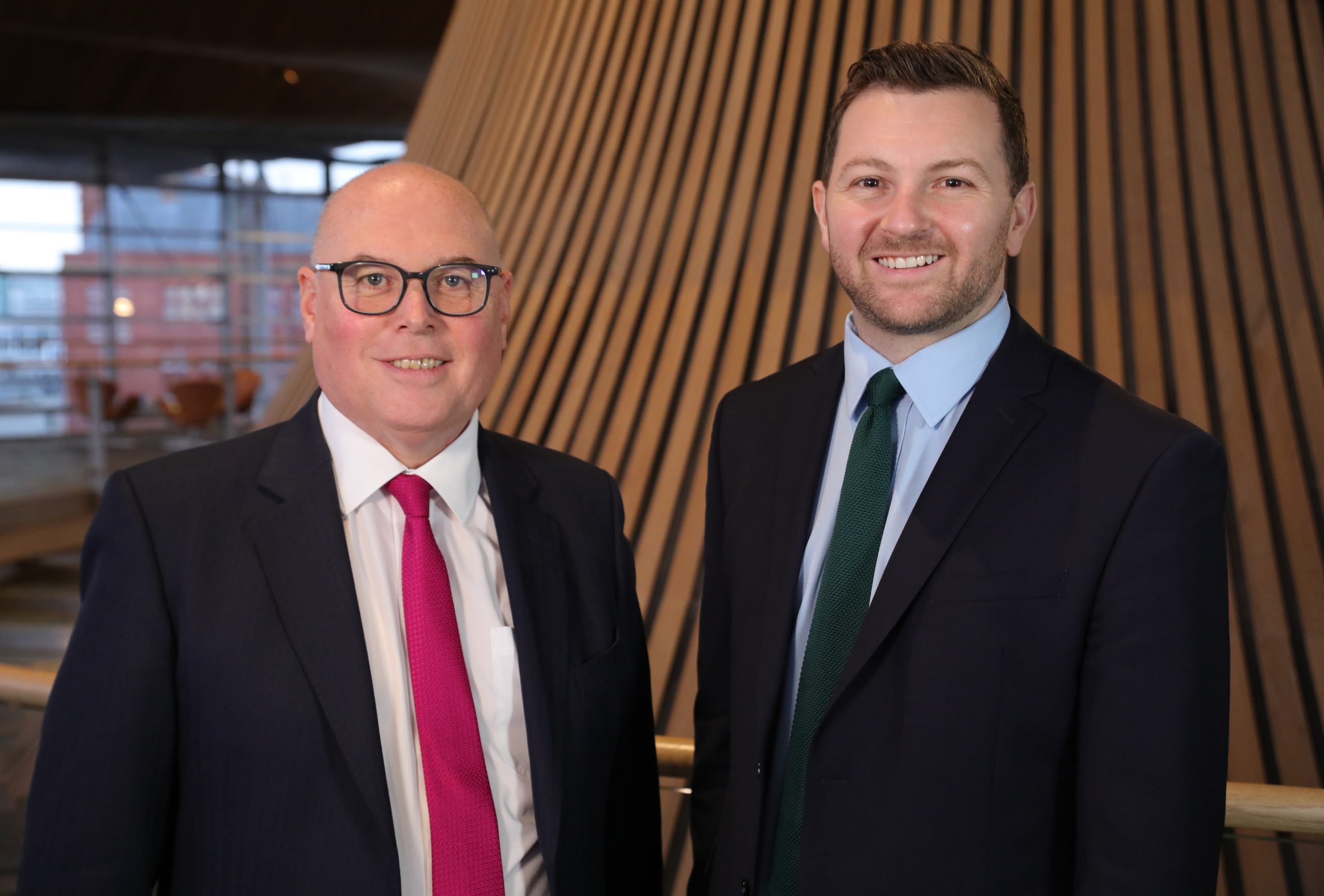
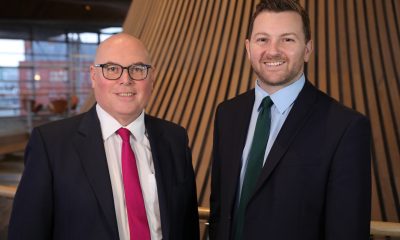
LOCAL Senedd Members Samuel Kurtz and Paul Davies are urging charities and community groups across Pembrokeshire to apply for a new round of funding aimed at helping people gain skills and access employment.
The latest round of the National Grid Electricity Distribution (NGED) Community Matters Fund has opened, offering grants to grassroots organisations supporting people who are struggling to find work or return to employment.
Delivered in partnership with Localgiving, the spring funding round will distribute £250,000 to projects designed to build skills, confidence and experience in an evolving jobs market.
Funding can support initiatives such as CV workshops, interview coaching, work placements and training opportunities. Projects helping people develop practical skills in sectors including construction, engineering, digital industries and clean energy are also eligible.
The fund is targeted at those facing barriers to employment, including young people not in education, employment or training, individuals with health conditions or disabilities, armed forces veterans, people from ethnic minority backgrounds, and those returning to work after time away due to caring responsibilities or illness.
Registered charities and non-profit companies limited by guarantee can apply for grants of up to £5,000. Constituted community groups without a charity number can apply for up to £2,000.
The funding is available to eligible organisations across the Midlands, South West England and South Wales.
Samuel Kurtz said: “This fund offers a valuable opportunity for local groups to secure support to help people gain confidence, training and work experience. I would encourage any eligible organisation in Pembrokeshire to consider applying.”
Paul Davies added: “Helping people into work and supporting them to develop new skills is vital for both individuals and our local economy. Pembrokeshire has many excellent community groups delivering this kind of support, and I hope they will take full advantage of this funding to expand their work.”

The application window opened on Monday (Mar 16) and closes at 5:00pm on Thursday (Apr 23). Successful applicants will be notified in May, with funding distributed later that month.
Further information is available via the National Grid Electricity Distribution Community Matters Fund website.
Community investors urged to help reach £12,000 target before end of March
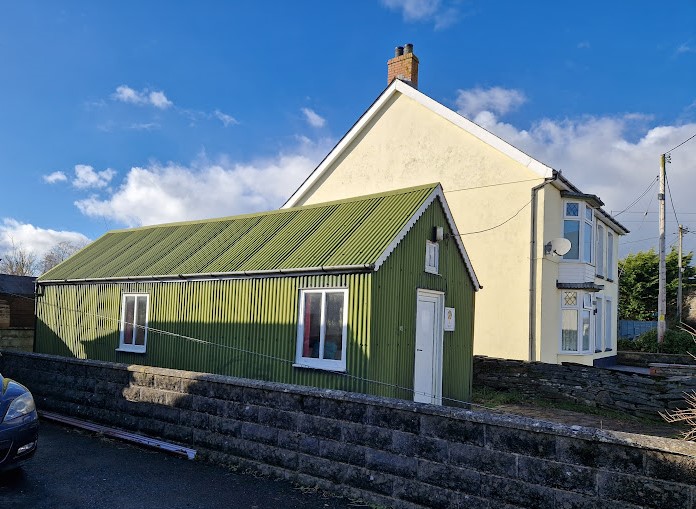
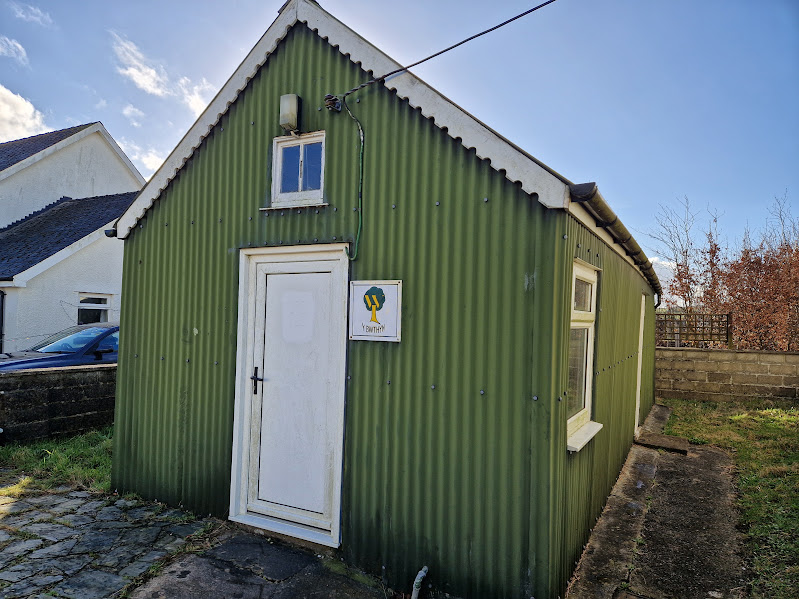
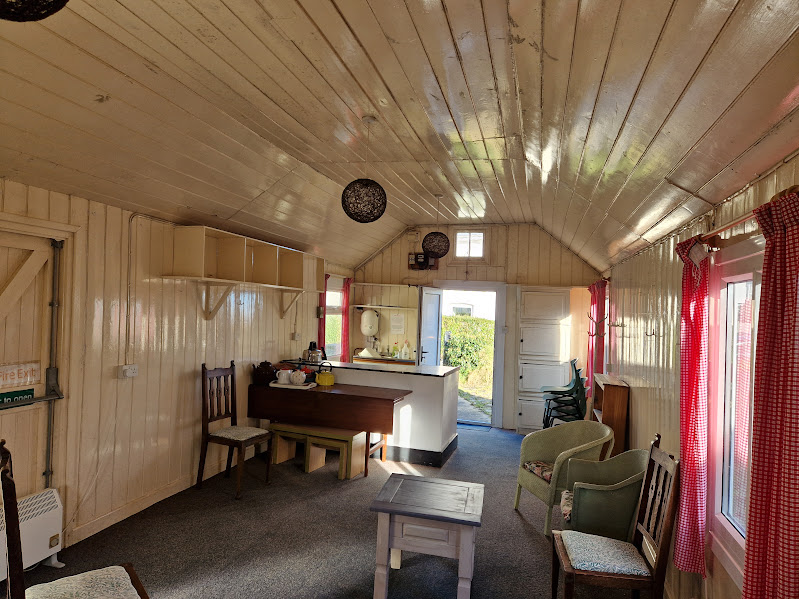
A COMMUNITY campaign to purchase and preserve a historic Victorian corrugated cottage in Boncath has already raised £4,000 in just one week.
The fundraising effort began following a public meeting in the north Pembrokeshire village, where residents discussed plans to secure the future of the building, which has served as a community meeting space for more than 130 years.
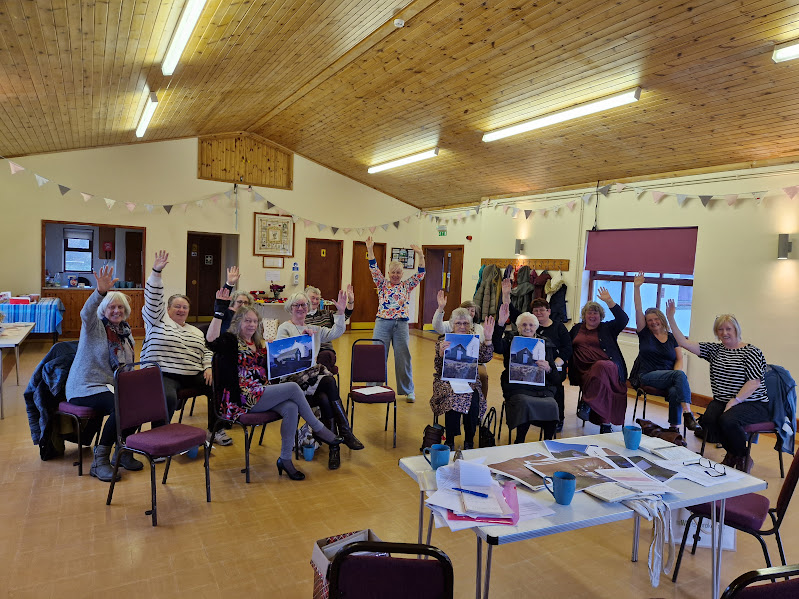
The corrugated iron cottage has had several uses over the decades. Since the 1930s it has been used as a meeting place for Boncath Women’s Institute, while earlier records suggest it served as an office for a local sawmill. Some residents also believe the building was originally owned by a nearby mansion estate and used as a rent collection office.
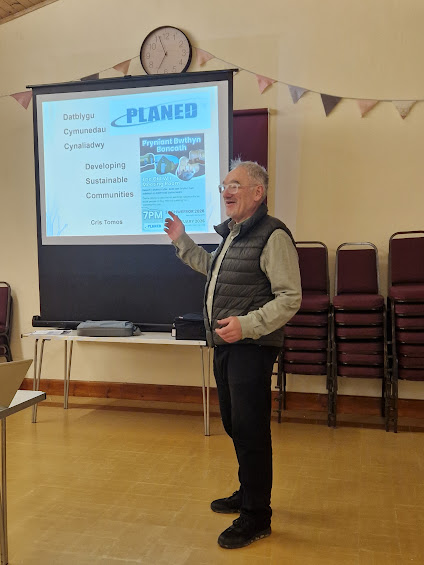
At the public meeting in Boncath Village Hall, Cris Tomos from the Narberth-based community development association PLANED outlined how the purchase could be achieved through community investment.
Mr Tomos said the group had set a target of raising £12,000 by March 31, 2026. The total would cover the £10,000 purchase price of the building along with approximately £2,000 in legal and marketing costs.
He told residents that investors could benefit from tax relief through the HMRC Seed Enterprise Investment Scheme, which allows eligible UK taxpayers to reclaim 50 per cent of their investment.
Mr Tomos said: “Following the public meeting in the village hall it was agreed to set a target date of March 31 to reach the goal of raising £12,000 to buy the building. This includes the £10,000 purchase price plus £2,000 for legal and marketing costs.
“It is great to report that after just one week we have seen £4,000 raised, which is one third of the target. We now have a limited time to raise the remaining £8,000 by the end of March.”
Supporters are being asked to consider investing £500 in the project. Those who are UK taxpayers would be eligible for the 50 per cent tax relief.
Organisers say the model has already proven successful locally. The nearby community purchase of the Crymych Arms pub, just four miles away, raised £210,000 from investors to reopen the village pub.
Anyone interested in supporting the Boncath project can email [email protected] or download an investment form from the Bwthyn Boncath Facebook page.
Printed forms are also available from Boncath Village Shop and Post Office and can be returned there to be counted towards the community investment total.

If the purchase is successful, organisers say a further community share offer is planned at £50 per share to allow as many residents as possible to take an ownership stake in the historic building.
Five community initiatives receive support through Sustainable Development Fund
FIVE community-led projects across Pembrokeshire have secured funding from the Pembrokeshire Coast National Park Authority (PCNPA) following a competitive round of the Sustainable Development Fund (SDF).
The authority’s Grants Committee met in late January to consider fifteen applications from across the county. Members said the quality of submissions was exceptionally high, making the selection process particularly challenging.
Projects were assessed on how well they supported the aims of the SDF, which promotes sustainable development, community resilience and environmental improvement within the National Park.
The five successful applicants were:
Transition Bro Gwaun
Yr Hen Ysgol, Dinas
The Wildlife Trust of South and West Wales (Skokholm Island)
Angle Village Hall
St Davids City Council
The successful bids include plans to install renewable energy systems in community buildings and carry out energy-efficiency retrofit improvements to local hubs used by residents.
Bethan Jones, Sustainability Officer at the Park Authority said: “It was encouraging to see such ambitious ideas emerging from our local communities. These projects offer innovative solutions that will deliver a lasting, positive impact across communities in the National Park.”
Work on the funded projects has already begun following confirmation of the grants.
Details of the next round of Sustainable Development Fund funding will be announced once future budgets have been confirmed. Updates will be shared through Pembrokeshire Association of Voluntary Services (PAVS) and other local community networks.
Further information about the Sustainable Development Fund is available at www.pembrokeshirecoast.wales/sdf.
Caption:
Yr Hen Ysgol Dinas Community Centre has benefited from the latest round of funding from the Sustainable Development Fund. (Pic: PCNPA)




News5 hours ago
Police confirm man has died after being recovered from River Cleddau
Major emergency response in town centre after concerns raised for man in water A MAN has died after being recovered...

Community5 hours ago
Davies and Kurtz urge groups to seek employability funding
Community organisations in Pembrokeshire encouraged to apply for new grants supporting skills and job access LOCAL Senedd Members Samuel Kurtz...


News8 hours ago
Emergency services flood Haverfordwest after reports of person in river
Town centre sealed off as multi-agency response continues A MAJOR emergency response is underway in the centre of Haverfordwest after...

News8 hours ago
Detectives receive surge of new information in bid to identify man found at Powys reservoir
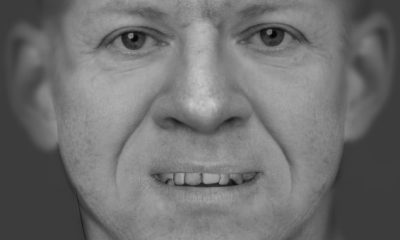
Public response follows release of facial image as officers pursue fresh lines of enquiry DETECTIVES investigating the identity of a...

Education1 day ago
New facilities open at Portfield School as redevelopment reaches key milestone
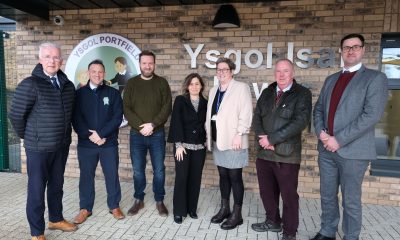
THE FIRST phase of a major redevelopment programme at Portfield School in Haverfordwest has been completed, marking a significant step...


News1 day ago
£377m spent saving blast furnaces months after Port Talbot closure
Government intervention keeps UK’s last primary steelmaking furnaces running THE UK GOVERNMENT spent £377 million to prevent the closure of...


Sport2 days ago
France crowned Six Nations champions after extraordinary final-day drama
Ramos penalty in Paris seals title as Ireland fall just short and Wales end losing run FRANCE were crowned 2026...

News2 days ago
Fishguard linked to allegations in Many Tears Animal Rescue investigation
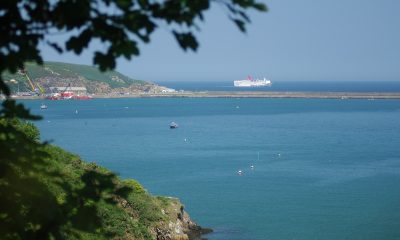
Claims about puppies arriving through Pembrokeshire port emerge as licensing probe continues FISHGUARD has been named in allegations linked to...

Local Government3 days ago
Investigation confirmed after inspectors visit Many Tears Animal Rescue
Licensing authority declines to comment as police confirm attendance at Carmarthenshire rescue centre AN INVESTIGATION is underway following a visit...

Business4 days ago
Work set to begin on £50m hydrogen plant in Milford Haven
A MAJOR new hydrogen production facility worth around £50 million is expected to begin construction in Milford Haven later this...
-

 Health4 days ago
Welsh Ambulance Service to host bi-monthly Board meeting
-
 News3 days ago
Rayner and Lammy visit Wales to discuss justice and community safety
-

 Local Government6 days ago
Register now to vote in May’s Senedd election
-
News2 days ago
Fishguard linked to allegations in Many Tears Animal Rescue investigation
-
News8 hours ago
Emergency services flood Haverfordwest after reports of person in river
-

 Community6 days ago
Modern-day maritime hero backs exhibition marking 200 years since launch of HMS Erebus
-

 Crime6 days ago
‘Knife attack’ at Spittal property leaves man in hospital
-
 News5 days ago
Calls grow for water industry overhaul after Welsh Water faces £44.7m fine