


Politics
‘The world is both dimmer without you and brighter for having known you’

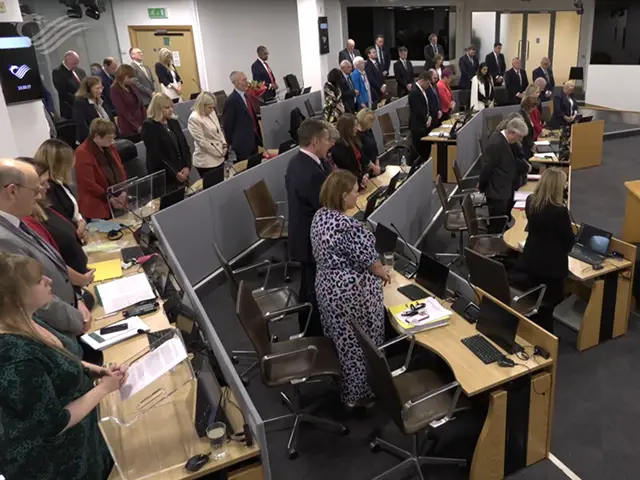
THE WELSH Parliament paused to pay tribute to Hefin David, the late Caerphilly Senedd Member, who approached politics “with heart, with humour and with hope”.
Elin Jones, the Senedd’s speaker or Llywydd, led tributes to the Labour politician at the start of the first meeting of the whole Welsh Parliament following the summer recess.
She told the chamber or Siambr: “We return today as 59 members. And we all today – and forever more – will feel the loss of our dear friend, Hefin David.
“Many of Hefin’s family and friends have joined us in the public gallery. Thank you for joining us to share in these tributes. Our thoughts are particularly with Hefin’s beloved daughters and parents in this time of loss but also Vikki, our colleague and Hefin’s partner.
“We are so sorry for your loss and we want you to know how much we cherished Hefin – he was respected and liked across this chamber.”

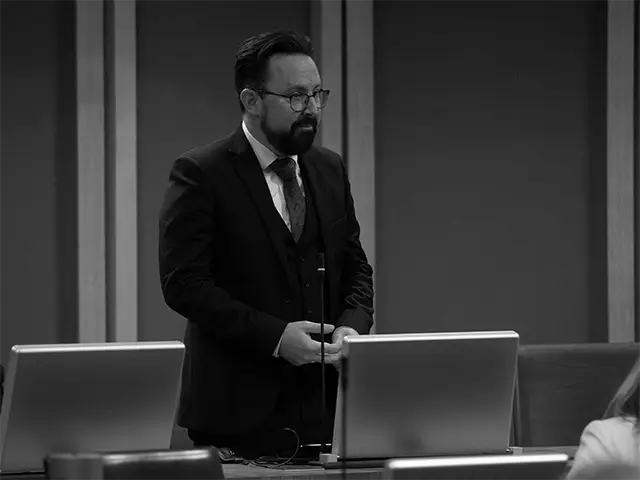
Ms Jones said: “It’s little understood outside this Senedd of 60 how well we know each other, how closely we work together across parties, across all parts of Wales.
“We spend so much time together that we get to know each other well. Therefore, the sense of loss in this room today… is profound.”
The speaker worked closely with Dr David, who was the Senedd commissioner for finance, paying tribute to his professionalism, diligence and skill in overseeing the budget.
She told the Senedd: “His contributions… always merited a listen. He championed many important issues – often on behalf of those who could not themselves. He also championed his dear Caerphilly, he championed the Labour party, Wales and its Senedd.”

Ms Jones, who has been Llywydd for nearly a decade, said: “It’s hard not to have developed favourites amongst you – Hefin was one of my favourites. Not a teacher’s pet – far from that – but interesting, thoughtful, passionate, and unexpected in his words and thinking.”
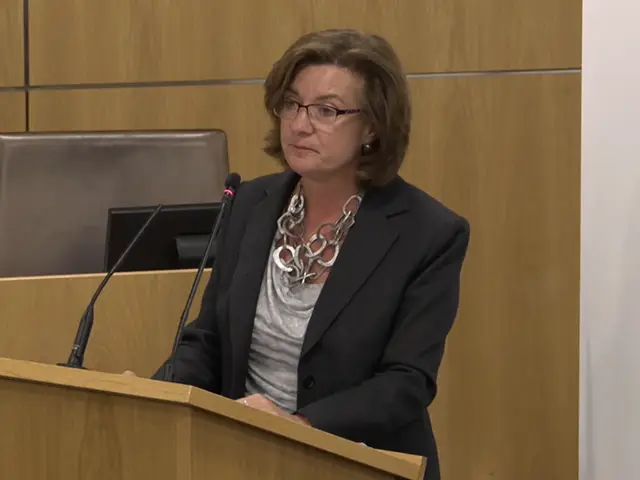
Senedd Members stood for a minute’s silence in memory of their colleague before First Minister Eluned Morgan paid her own tribute to a “truly remarkable human being”.
She said: “Some people leave a mark quietly and others leave it loudly – Hefin did both.

“He left a mark on everyone who knew him through his laughter, his intellect, his boundless energy and his extraordinary capacity to care.”
Baroness Morgan told the Senedd she first met Dr David, who was always sharply dressed, in a lecture hall while he was an academic and “got on his case” to stand for election.
“He had that rare spark that drew you in and made you want to be around him,” she said, adding that his community work was rooted in genuine conviction – not political ambition.
The First Minister, who was first elected to the Senedd in 2016 alongside Dr David, said: “I remember us both trying to navigate the maze of corridors committees and endless rules.
“And Hefin, with that cheeky grin, would always say ‘come on, we’re going to change the world but we just need to figure out how we get out of these damn lifts’.”
Baroness Morgan told Senedd Members: “He saw families trapped, couples stuck and pensioners burdened – he made their fights his own.”
She said Hefin wanted to make the world a fairer, kinder, more supportive place – not just for his daughters, Caitlin and Holly, but for all children and families navigating similar journeys.
Fighting back tears as she closed, the First Minister said: “Thank you, Hefin, for showing us how to do this job with heart, with humour and with hope. You were loved, you are missed and the world is both dimmer without you and brighter for having known you.”
Darren Millar, the leader of the Conservative opposition, described Dr David, who died on August 12, the eve of his 48th birthday, as a tireless advocate and passionate campaigner.
During the tribute session on September 16, he said: “He was a loving son, a father, brother, partner and friend. He was a caring boss, of course, to his staff. He was a much loved colleague to so many of us right across the chamber in all political parties.”
Mr Millar added: “Though he was very well travelled – having experienced teaching and working in places like Germany, Greece, India and China – his heart was always in his community in Caerphilly, the place in which he was born and raised.”
Former First Minister Vaughan Gething said: “He always wanted to be a practical politician, to make a difference with and for people. That’s why it mattered so much when he did speak.”
Plaid Cymru leader Rhun ap Iorwerth remembered Hefin as a passionate and dedicated parliamentarian: “He was, in many respects, everything an elected member should be.”


Welfare groups celebrate historic decision as pressure mounts for UK-wide ban
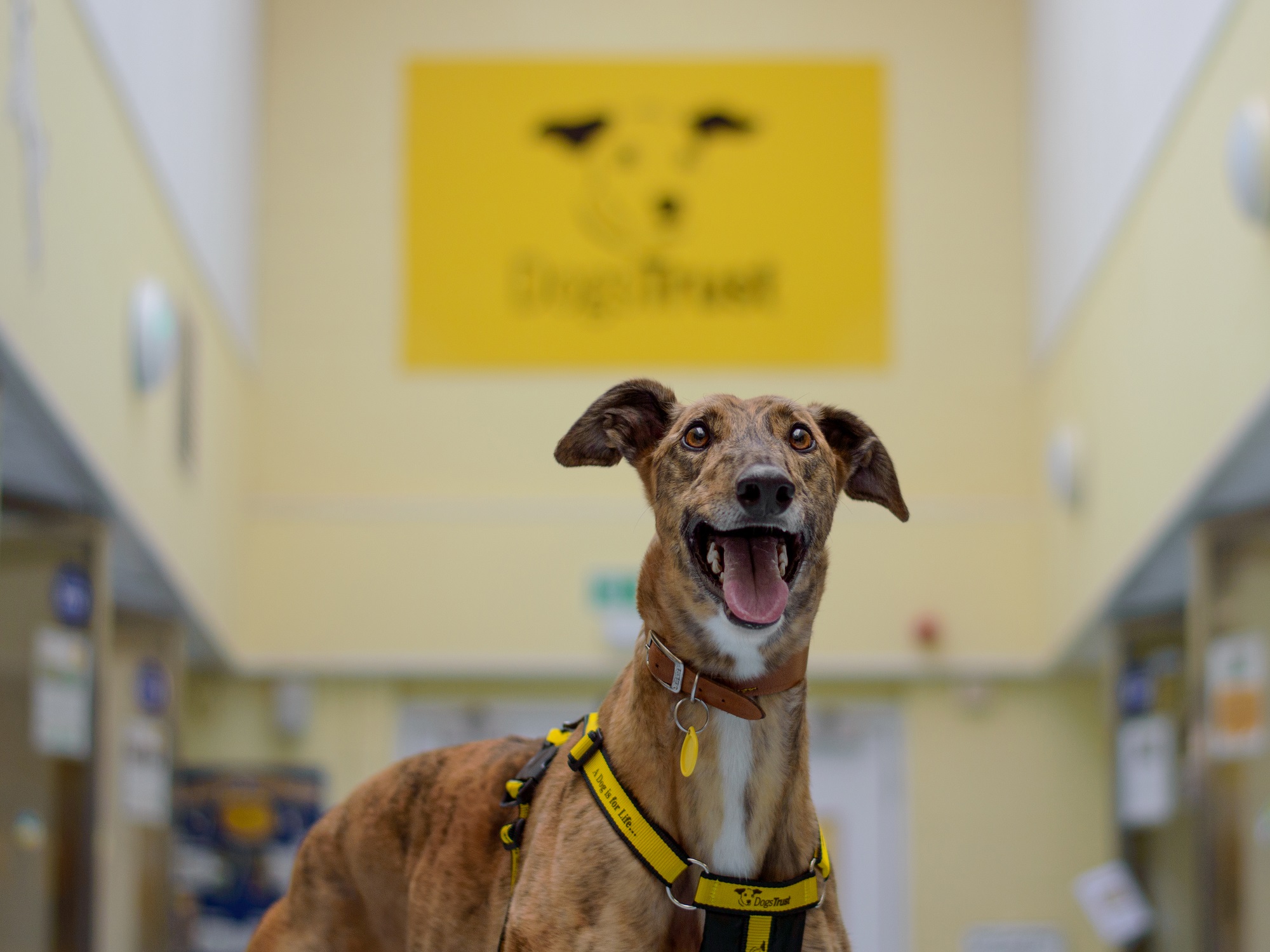
ANIMAL welfare charities have welcomed the Senedd’s decision to ban greyhound racing in Wales, describing the move as a “landmark moment” that will prevent the “needless suffering” of thousands of dogs.
The vote, passed on Tuesday (Mar 17), will see greyhound racing outlawed in Wales following a transition period, making it the first UK nation to take such action.
A coalition of leading charities, including Dogs Trust, Blue Cross, RSPCA Cymru, Hope Rescue, and Greyhound Rescue Wales, said the decision marked a major victory for animal welfare.
The group, known as the Cut the Chase coalition, has campaigned for years to end greyhound racing, citing concerns over injuries, deaths, and poor living conditions for dogs involved in the sport.
Owen Sharp, Chief Executive of Dogs Trust, said: “Today’s vote in Wales is a landmark moment for dog welfare and a huge step towards ending the needless suffering of greyhounds.”

“For too long, dogs have paid the price for this outdated form of entertainment, with injuries and deaths that are entirely preventable.”
Figures cited by campaigners suggest that since 2017, more than 4,000 greyhounds across the UK have died or been put to sleep due to racing, while over 35,000 injuries have been recorded.
Charities argue that racing greyhounds around oval tracks places significant strain on their bodies, often leading to serious or fatal injuries. Concerns have also been raised about conditions away from the track, including kennelling, transport, and long-term welfare.
Chris Burghes, Chief Executive of Blue Cross, said the legislation would finally bring an end to what he described as a “cruel so-called sport”.

He added: “The death of just one racing dog is one too many. We are ready to support the rehoming of retired greyhounds and ensure they receive the care they need.”
Hope Rescue, which led a public petition attracting more than 35,000 signatures, said the decision reflected strong public support for a ban.
Its Chief Executive, Vanessa Waddon, said: “We are proud that our campaign has helped secure this historic win. Wales has put animal welfare first.”
Greyhound Rescue Wales described the decision as “transformative”, with Chief Executive Claire James saying it would end a practice that had persisted despite years of campaigning for reform.
The RSPCA also welcomed the vote, with Chief Executive Jo Rowland stating that the level of injury and death linked to racing was “simply unacceptable”.
Attention will now turn to Scotland, where a similar vote is expected on Wednesday (Mar 18). Campaigners are also urging the UK Government to introduce a ban in England and Northern Ireland.
Charities say Wales’ decision could set a precedent for the rest of the UK, as pressure grows to phase out greyhound racing nationwide.
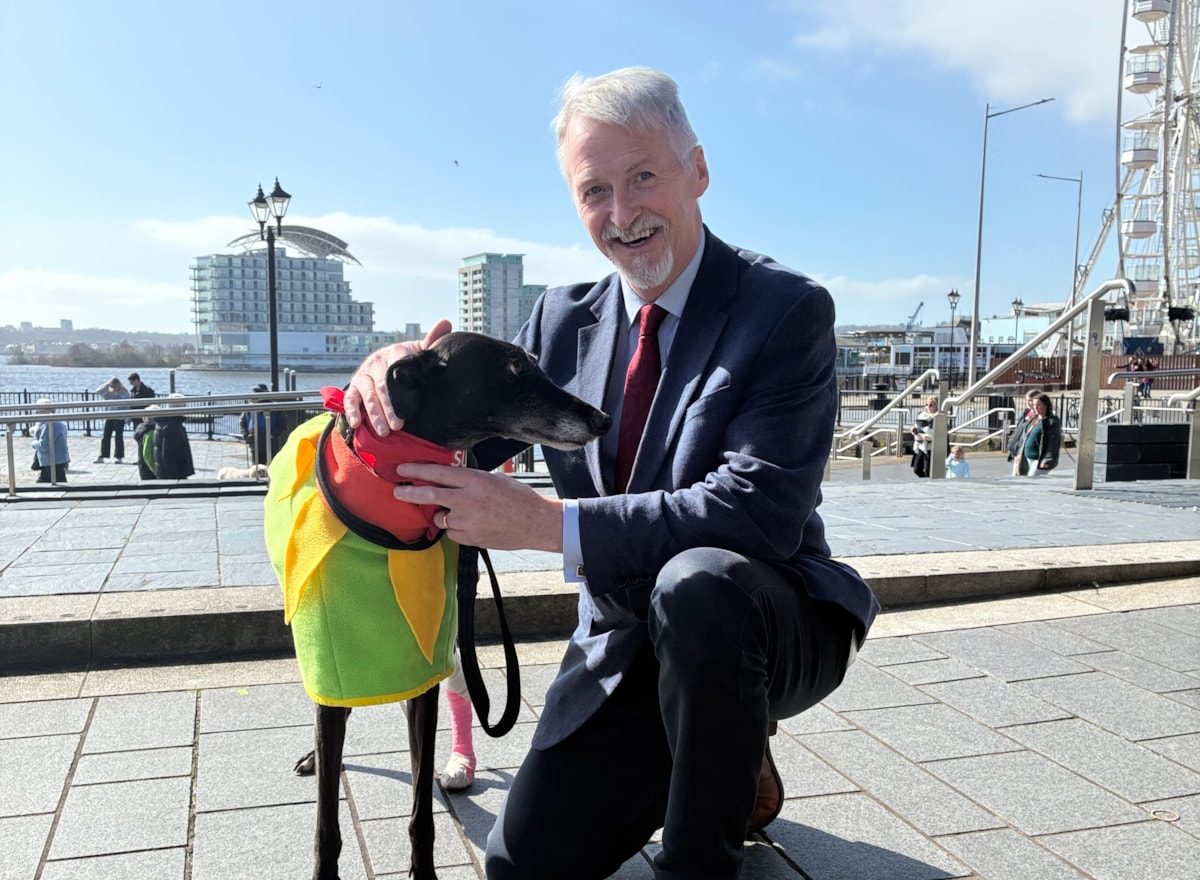
GREYHOUND racing will be banned in Wales after Senedd Members voted in favour of new legislation aimed at protecting the welfare of racing dogs.
The Bill introduces a phased transition period to allow the industry to wind down responsibly, strengthen rehoming arrangements for retired greyhounds, and give enforcement bodies and local authorities time to prepare for the change. The ban is expected to come into force between April 1, 2027 and April 1, 2030.
The legislation reflects a clear policy decision that the risks associated with greyhound racing – including injuries, fatalities and poor outcomes for dogs after their racing careers end – can no longer be justified. Despite efforts by parts of the industry to improve standards, harm to greyhounds has remained a persistent concern.
Huw Irranca-Davies, Deputy First Minister with responsibility for Climate Change and Rural Affairs, said: “Wales is a progressive nation, committed to ethical standards and forward-thinking legislation. This Bill strengthens our reputation as a leader on animal welfare and delivers the standards that the people of Wales rightly expect.”
The move follows significant public engagement, with thousands of people, campaigners and organisations contributing through petitions, consultations and personal testimony. Their input has played a central role in shaping the legislation.
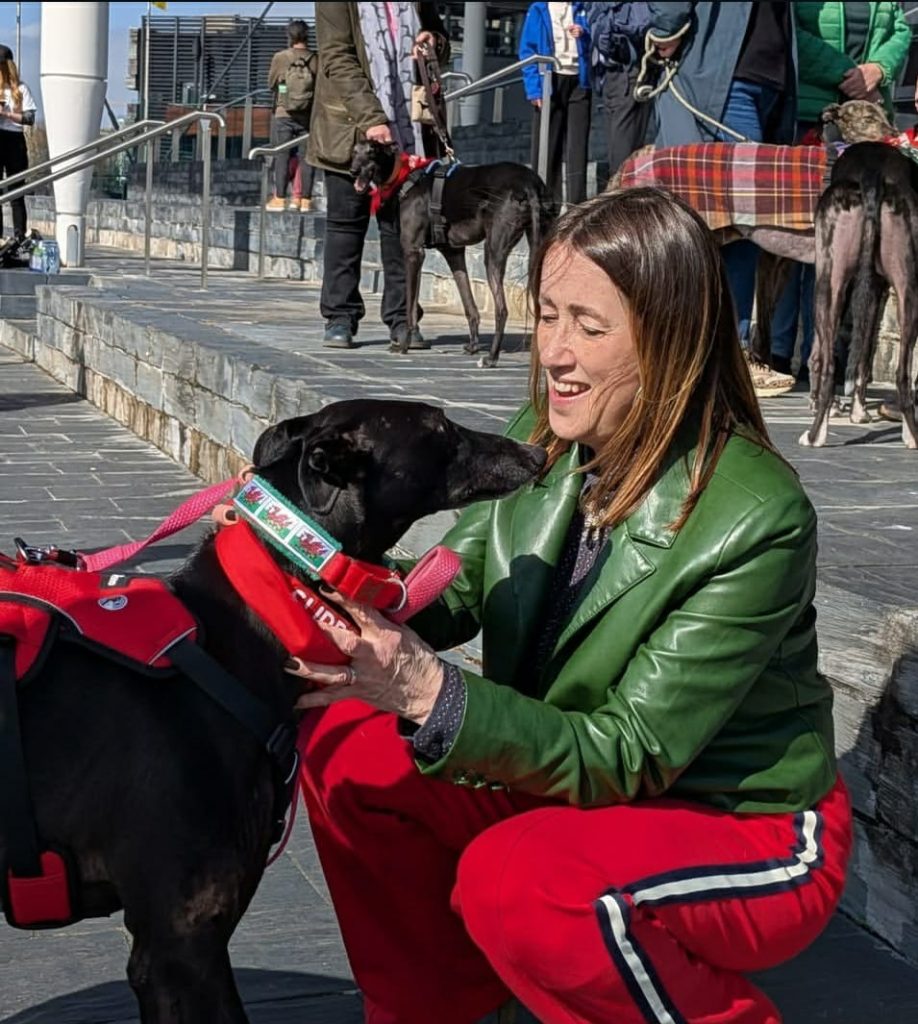
Commenting on the news that the greyhound racing ban has been passed by the Senedd, Welsh Liberal Democrat Leader Jane Dodds MS, who has spearheaded the campaign, said “This is a massive victory for animal welfare, and I’m proud that the Welsh Liberal Democrats have helped deliver it.
“Today, Wales has made a clear statement about the kind of nation we want to be: compassionate, forward-looking, and willing to act when the evidence demands it.”

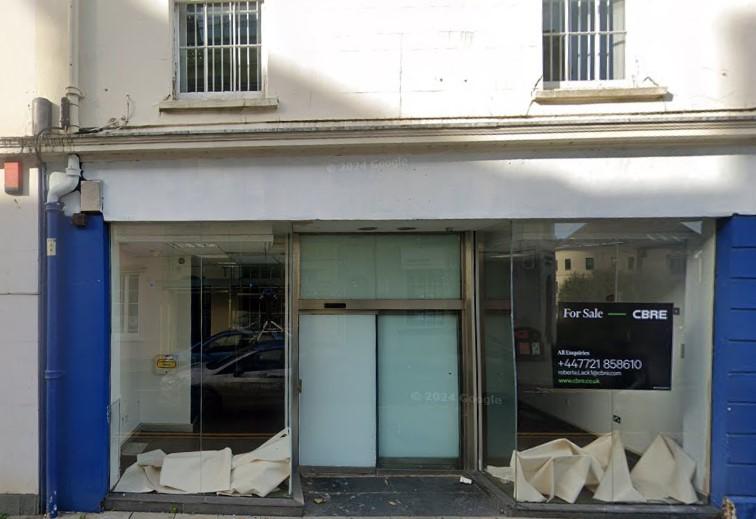
A CALL to convert a Pembrokeshire town centre former bank to a nail bar has been refused by county planners.
Huw Tuyen Nguyen, through agent Hayston Developments & Planning Ltd, sought permission for a change of use of the former Halifax bank at Grade-II-listed 10 Victoria Place, in Haverfordwest’s conservation area, to a nail bar, along with a related listed building consent.
Halifax closed its Haverfordwest branch back in 2024, leaving it with no more branches in the county.
A supporting statement accompanying the nail bar application at the three-storey building said: “The previous use of the building, a bank operated by the Halifax, ceased a few years ago and remains vacant making no contribution to the vitality or viability of the town centre.
“This application seeks to put the ground floor to an alternative commercial/retail use and which together with some internal and external alterations, also seeks to convert the upper two floors into a single high-quality flat. The upper floors have largely been under-utilised in the past. As such, the proposal would make a positive contribution to the town centre.”
It went on to say of the change of use to a nail bar: “This part of the application would allow the relocation and expansion of a professional service facility to serve Haverfordwest and the surrounding areas. This forms the basis of aspirations to grow the business, both in the immediate short term, and in the future as the business continues to grow.
“The applicant has explained that the current business is a nail salon which has been trading for some 15 years but under a different management. The applicant has had the business since January 2022.
“The business hours would be 9 am to 6 pm Monday to Saturday but closed on Sundays and which would employ 2/3 people.”
The application was refused on the grounds “the proposed external alterations, by virtue of the chosen materials, finish and detailing, represent poor design that fails to respect the historic character of the listed building and the wider terrace”.
The refusal went on to say: “The works do not respond appropriately to the building’s significance and would result in a harmful intervention that undermines its special architectural and historic interest.
“Furthermore, the proposal fails to satisfy the statutory duty to preserve or enhance the character and appearance of the Haverfordwest Conservation Area, and to pay special regard to the desirability of preserving the listed building and its features of architectural and historic interest.”


News8 minutes ago
Scott Thorley elected as Pembrokeshire’s first Reform councillor
REFORM UK candidate Scott Thorley has won the Hakin by-election after securing 179 votes. The full result is as follows:...


News7 hours ago
Police confirm man has died after being recovered from River Cleddau
Major emergency response in town centre after concerns raised for man in water A MAN has died after being recovered...


Community7 hours ago
Davies and Kurtz urge groups to seek employability funding
Community organisations in Pembrokeshire encouraged to apply for new grants supporting skills and job access LOCAL Senedd Members Samuel Kurtz...


News9 hours ago
Emergency services flood Haverfordwest after reports of person in river
Town centre sealed off as multi-agency response continues A MAJOR emergency response is underway in the centre of Haverfordwest after...

News9 hours ago
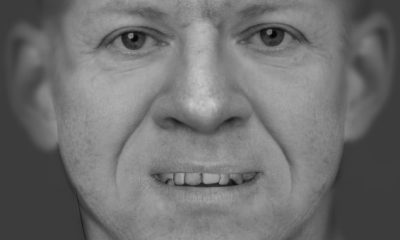
Detectives receive surge of new information in bid to identify man found at Powys reservoir
Public response follows release of facial image as officers pursue fresh lines of enquiry DETECTIVES investigating the identity of a...


Education1 day ago
New facilities open at Portfield School as redevelopment reaches key milestone
THE FIRST phase of a major redevelopment programme at Portfield School in Haverfordwest has been completed, marking a significant step...


News2 days ago
£377m spent saving blast furnaces months after Port Talbot closure
Government intervention keeps UK’s last primary steelmaking furnaces running THE UK GOVERNMENT spent £377 million to prevent the closure of...


Sport2 days ago
France crowned Six Nations champions after extraordinary final-day drama
Ramos penalty in Paris seals title as Ireland fall just short and Wales end losing run FRANCE were crowned 2026...

News3 days ago
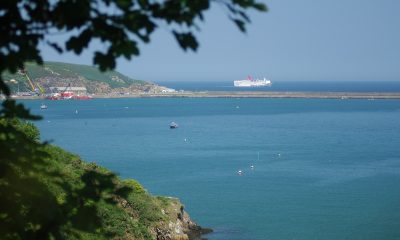
Fishguard linked to allegations in Many Tears Animal Rescue investigation
Claims about puppies arriving through Pembrokeshire port emerge as licensing probe continues FISHGUARD has been named in allegations linked to...

Local Government3 days ago
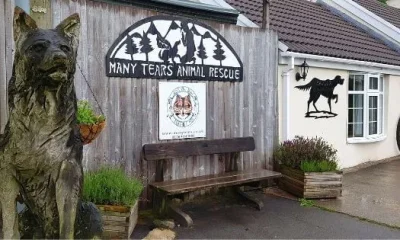
Investigation confirmed after inspectors visit Many Tears Animal Rescue
Licensing authority declines to comment as police confirm attendance at Carmarthenshire rescue centre AN INVESTIGATION is underway following a visit...
-

 Health4 days ago
Welsh Ambulance Service to host bi-monthly Board meeting
-

 News3 days ago
Rayner and Lammy visit Wales to discuss justice and community safety
-

 Local Government6 days ago
Register now to vote in May’s Senedd election
-
News3 days ago
Fishguard linked to allegations in Many Tears Animal Rescue investigation
-
News9 hours ago
Emergency services flood Haverfordwest after reports of person in river
-

 Community6 days ago
Modern-day maritime hero backs exhibition marking 200 years since launch of HMS Erebus
-

 Crime6 days ago
‘Knife attack’ at Spittal property leaves man in hospital
-

 News6 days ago
Calls grow for water industry overhaul after Welsh Water faces £44.7m fine