


News
Coroner finds missed opportunities in death of Pembrokeshire teenager

Judicial review forced full inquest after initial decision overturned
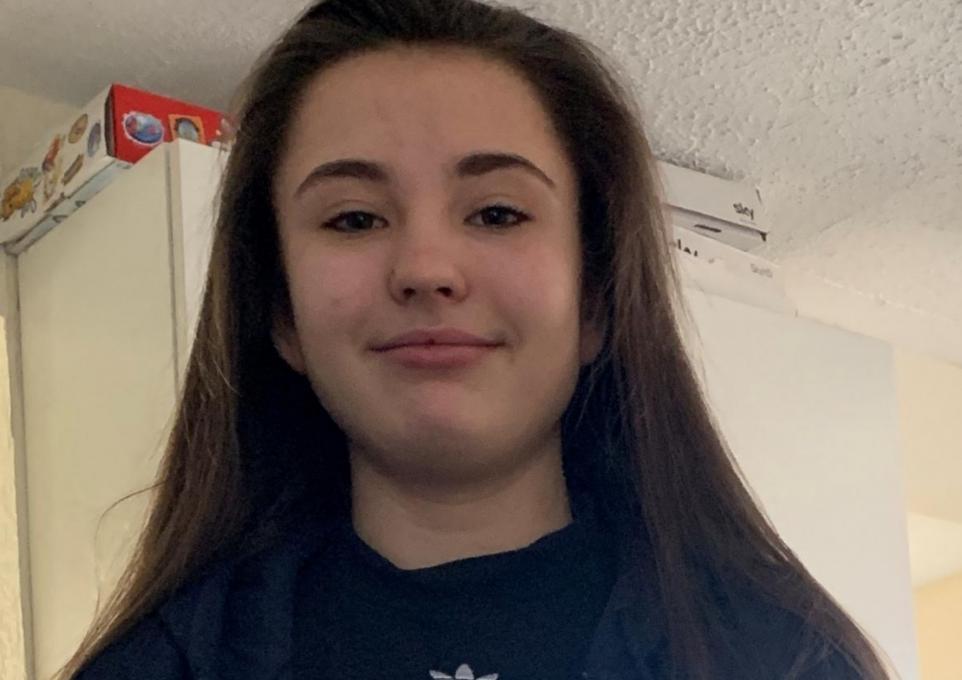
A PEMBROKESHIRE teenager who took her life while suffering from a psychotic episode might still be alive today had she been prescribed anti-psychotic medication and given a proper safety plan, a coroner has concluded — more than three years after her mother successfully fought a judicial review to secure a full inquest.
Sixteen-year-old Kianna Patton was found dead at the derelict Commodore Hotel in Pembroke Dock on October 24, 2019. The inquest, which concluded on Thursday (Nov 13), found that serious failings in her mental health care “probably contributed” to her death.
Early warning signs
The inquest heard that Kianna first came to the attention of mental health services in January 2018, when her GP referred her to the Child and Adolescent Mental Health Service (CAMHS) after she reported self-harming and experiencing panic attacks.
In May 2018, she took an overdose of Tramadol and told doctors she wanted to die. She was referred again to CAMHS and prescribed antidepressants. By December 2018, she was discharged after being assessed as no longer posing a risk to herself.
By mid-2019, Kianna had left the family home to live with friends in a household where cannabis was used. Her mother, Joanne Patton, repeatedly raised concerns with both police and social services but said she was “passed from one to the other”.

Mental health relapse
In September 2019, Kianna told her GP she had been hearing voices for several months and feared she was developing schizophrenia. The GP made an urgent referral to CAMHS.
An assessment later that month classed her as “low risk”, despite her describing intense sadness and auditory hallucinations. She had stopped taking antidepressants, and there was a known family history of schizophrenia — but no anti-psychotic medication was prescribed.
On October 14, Kianna told clinicians she had thoughts about ending her life but would not act on them. On October 21, she reported hearing voices telling her to “off herself”. Two days later she went missing, and on October 24, police found her body at the abandoned hotel.
Expert criticism
Independent psychiatrist Dr Joana Sales told the inquest that while early treatment was reasonable, there was “no effective safety plan” in place in the weeks before Kianna’s death. She said the failure to prescribe anti-psychotic medication or involve a crisis team left a vulnerable teenager managing complex symptoms alone.
Dr Sales added that Kianna’s cannabis use may have worsened her psychosis, but appropriate medication could have stabilised her condition within days. A structured safety plan, she said, could have prevented her death.
Coroner’s findings
Pembrokeshire Coroner Gareth Lewis accepted those conclusions, ruling that the failure to prescribe medication and put a safety plan in place “probably contributed” to Kianna’s death.
He found that she died by hanging on October 23, 2019, her mind disturbed by untreated psychotic symptoms. The coroner noted that Hywel Dda University Health Board has since taken steps to address several of the failings identified through an internal review.

Mr Lewis said there was “no act or omission” by Pembrokeshire County Council that would likely have changed the outcome but extended his “deepest sympathies” to Kianna’s family and thanked all who took part in proceedings.
Judicial review and right to life
The full inquest only took place after Kianna’s mother launched a judicial review challenging the coroner’s original decision not to hold an Article 2 inquest — one that examines whether state bodies failed in their duty to protect life.
In June 2022, Mrs Justice Hill ruled in R (Patton) v HM Assistant Coroner for Carmarthenshire & Pembrokeshire that the earlier decision was legally flawed and must be reconsidered. The High Court found the coroner had not properly examined whether health and social services had a statutory duty to safeguard Kianna under the Social Services and Well-being (Wales) Act 2014.
The judgment was seen as a landmark case for defining how Article 2 of the European Convention on Human Rights applies to vulnerable young people at risk of self-harm.
A mother’s long fight
Mrs Patton’s determination led to renewed scrutiny of how agencies share information between health, social services, and police. The High Court’s intervention ensured that her daughter’s death was not dismissed as an isolated tragedy, but examined as evidence of wider systemic failures in child mental health care and safeguarding across Wales.
Her fight for answers is a powerful example of how one family’s persistence can expose critical gaps in public services and help drive change.
Why the judicial review matters
How a mother’s legal fight changed the inquest
The High Court in Cardiff ruled in 2022 that the first coroner’s decision on Kianna Patton’s death was wrong in law — forcing a full reinvestigation.
Mrs Justice Hill decided that the earlier ruling failed to properly consider whether public bodies had a legal duty to protect Kianna’s life under Article 2 of the Human Rights Act. That duty requires the state to have effective systems and safeguards in place to protect vulnerable people.
Why this was so important
The court said coroners must look not only at what happened to an individual, but at whether the systems meant to protect them actually worked. That means an inquest can now ask wider questions — about how health services, social services and police handled the case — not just how the person died.
What went wrong before
The original coroner decided that Article 2 didn’t apply because Kianna was living with friends and not formally “in care.” The High Court said that was too narrow. Even though she had a roof over her head, the question was whether that home was safe and suitable, given her mental health problems and cannabis use there.
If the council had a duty to provide her with different accommodation under the Social Services and Well-being (Wales) Act, that could have made her a “looked-after child,” triggering extra protection and a detailed support plan.
The ruling meant the coroner had to reopen the case and look again at whether the council, health board and police systems were strong enough to protect vulnerable teenagers like Kianna. It also required the coroner to explain decisions clearly and give reasons families can understand.
Why this matters for other families
The case sets an important precedent for Wales and beyond. It shows that when a vulnerable young person dies in the community — not in hospital or custody — the state can still be held to account if systems, communication or safeguarding break down.
It also means families in similar cases can get proper legal representation and a wider inquiry into what went wrong, rather than being told it was an isolated tragedy.
Key points
- The High Court overturned the coroner’s earlier ruling.
- Councils must show how they decide if accommodation for a child is suitable.
- Article 2 can apply even when someone isn’t detained.
- Families now have stronger rights to a full, transparent inquest.
For confidential support, Samaritans can be contacted for free around the clock 365 days a year on 116 123.












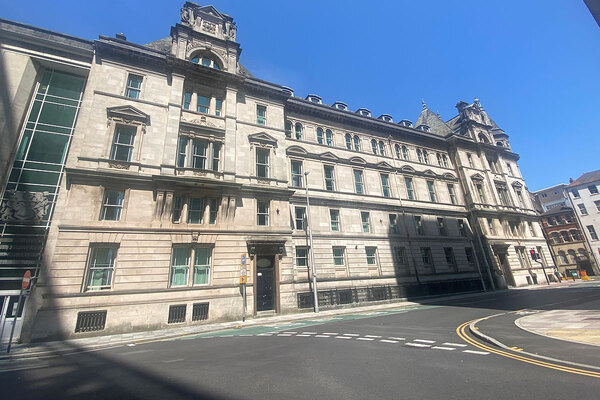
NEW roofs, structural upgrades and solar panels have been installed across three residential blocks at Fleming Crescent as part of a major housing improvement scheme.
Pembrokeshire County Council said the project has delivered safer, warmer and more energy-efficient homes for residents, with the full replacement of roofs serving 54 flats.
The works also included structural improvements designed to support the long-term performance of the buildings, alongside the installation of solar panels to help improve energy efficiency, reduce carbon emissions and lower energy costs for tenants.

The council received a funding contribution from the Welsh Government through the Optimised Retrofit Programme, which supports energy-efficiency improvements alongside wider investment works.
The scheme was completed on schedule, with W B Griffiths & Son Ltd appointed as the main contractor.
Cabinet Member for Housing, Cllr Michelle Bateman said: “Delivering a project of this scale on schedule is a significant achievement.
“The new roofs and external upgrades will help reduce future maintenance issues and improve the long-term resilience of the buildings, while the solar panels form an important part of our wider decarbonisation programme.
“By working closely with W B Griffiths & Son Ltd, we have delivered high-quality improvements that will benefit tenants both now and in the future.
“Pembrokeshire County Council continues to invest in housing improvements across the county, ensuring homes remain safe, modern, energy efficient and fit for the future.”
The project has also received national recognition after being shortlisted for a Constructing Excellence in Wales Award.
Neil Griffiths, Managing Director of W B Griffiths & Son Ltd, said: “We are proud to have delivered this important project at Fleming Crescent to a high standard and within the agreed timescales.
“The combination of full roof replacement and solar panel installation will provide long-term value, improve the performance of the buildings and support better outcomes for residents.
“It has been a pleasure to work in partnership with Pembrokeshire County Council on this scheme.”
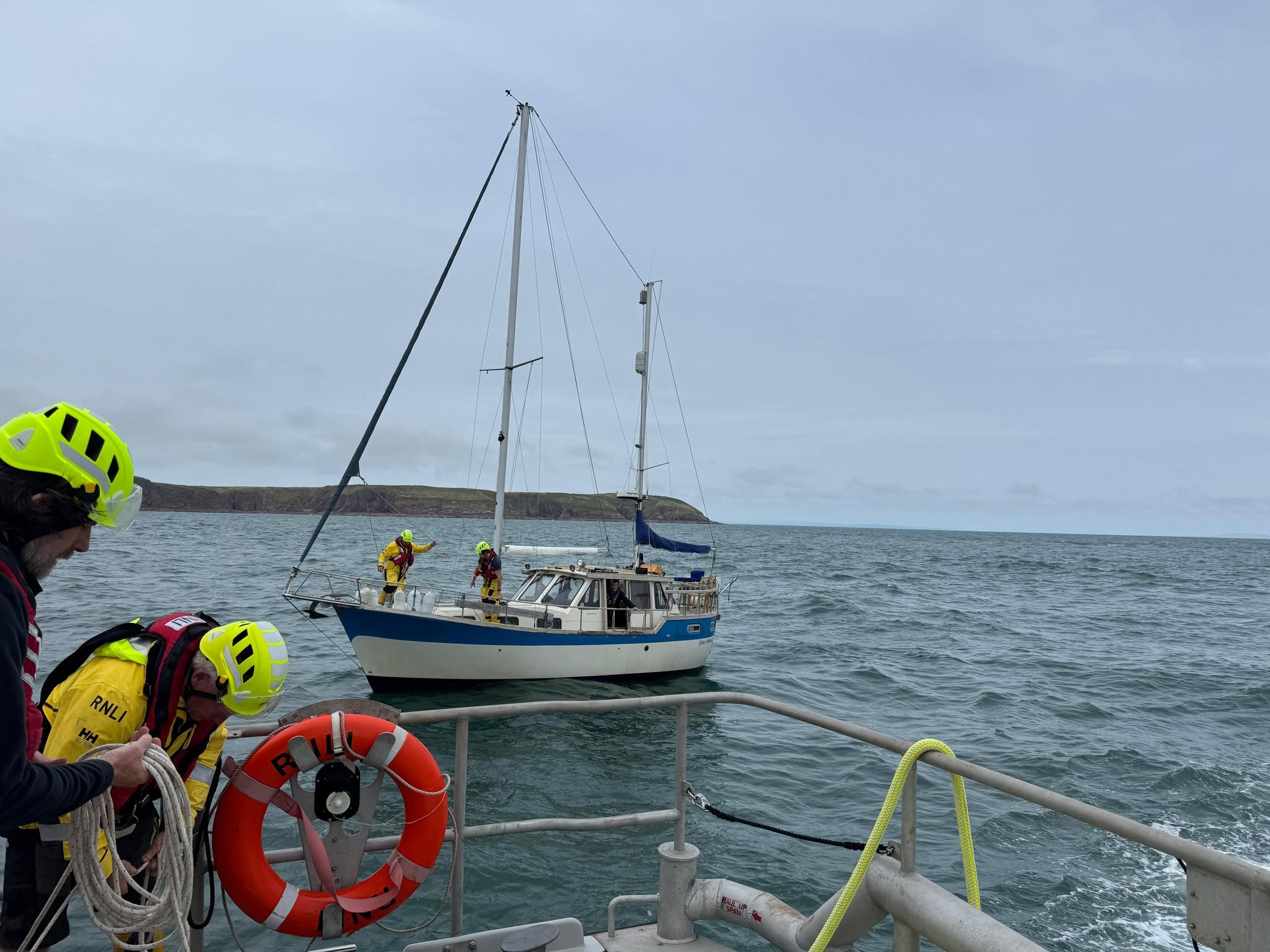
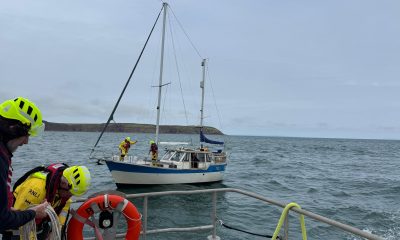
A YACHT was towed back to Tenby after its skipper became unwell off Caldey Island.
Tenby’s all-weather lifeboat was requested to launch at 1:40pm on Monday (Jun 15), after the coastguard received a call from the occupants of a yacht reporting that the skipper had become ill around one mile south of Caldey Island.
The volunteer crew quickly made their way to the vessel, which had three people and a dog on board.
Once alongside, the lifeboat crew discovered that the skipper was suffering badly from seasickness and that the other two people on board were unable to sail the yacht themselves.
After a full assessment by the coxswain, it was decided that the safest course of action was to tow the yacht back to Tenby. The vessel was drifting with the tide towards Caldey Island and was also considered a potential navigational hazard to other boats.
Two lifeboat crew members were placed aboard the yacht to help set up the tow and to monitor the unwell skipper during the journey back.
After a tow of around an hour, the yacht was placed on the lifeboat mooring in the calmer waters of North Bay.
The lifeboat then returned to station, arriving back at 3:15pm.
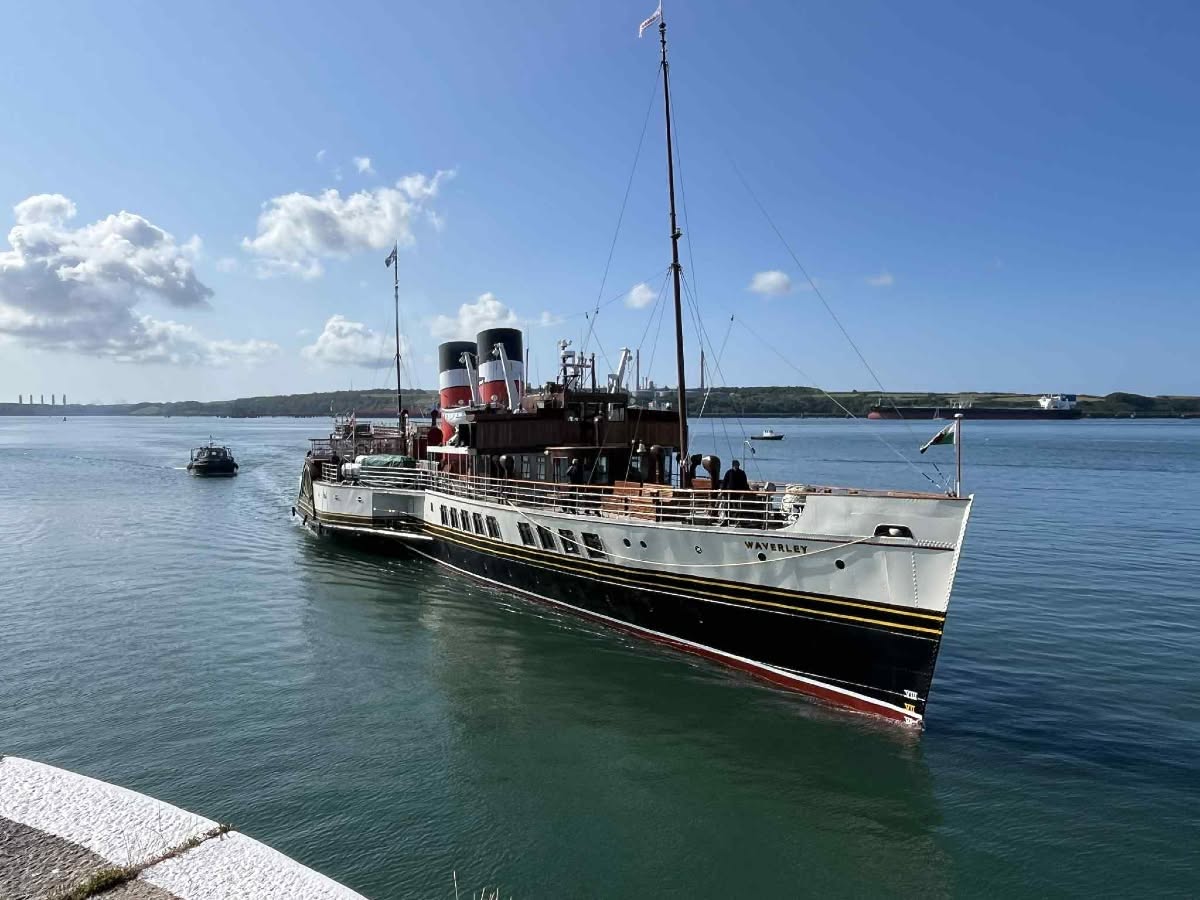
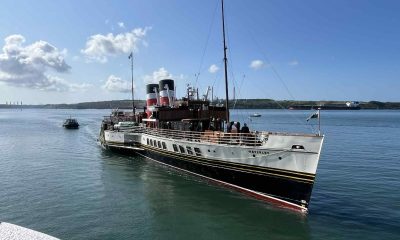
THE WORLD’S last seagoing paddle steamer will return to Pembrokeshire this week as Waverley marks the 79th anniversary of her maiden voyage.
The historic vessel will sail from Milford Haven and Tenby on Tuesday (Jun 16), with trips including a daytime cruise around Skokholm, Skomer, St Brides Bay and Ramsey Island from 11:30am to 4:30pm.
There will also be an evening sailing from Milford Haven at 5:00pm, travelling to St Govan’s Head, Caldey Island and along the Pembrokeshire coast, returning at 9:50pm.
Passengers can also join Waverley at Tenby, with sailings to Milford Haven and an evening cruise around Caldey Island and the coast.
On Wednesday (Jun 17), Waverley will make her only Fishguard visit of 2026, with an evening cruise to St David’s Head, passing Strumble Head Lighthouse, from 6:15pm to 9:15pm.
Tickets are available through Waverley Excursions.



Business23 hours ago
Celtic Freeport five-year plan puts Milford Haven at centre of green energy future
Strategy promises investment, skilled jobs and new supply chains, but major barriers remain over grid connections, planning and delivery THE...


Education1 day ago
Closure of Ysgol Clydau approved after emotional council debate
COUNCILLORS WARNED RURAL COMMUNITIES WILL REMEMBER DECISION PEMBROKESHIRE councillors have voted to close Ysgol Clydau following an emotional debate over...


Education1 day ago
Manorbier school closure process to continue after narrow council vote
Questions remain over insurance, rebuilding costs and possible legal action by Diocese PEMBROKESHIRE councillors have voted to press ahead with...

Community1 day ago
The father, son and daughter lifeguard trio saving lives in Pembrokeshire
A FATHER, son and daughter are preparing to help keep beachgoers safe on the Pembrokeshire coast this summer as part...

Community2 days ago
Beating of the Bounds brings music, boats and tradition to Haverfordwest
CENTURIES-OLD CEREMONY DRAWS FAMILIES TO THE RIVERSIDE HAVERFORDWEST’S historic Beating of the Bounds returned on Sunday (Jun 14), with boats,...


Community2 days ago
Milford Haven School pupil praised after stepping in during real-life emergency
A YEAR 11 pupil at Milford Haven School has been praised after putting his first aid training into action to...


Community2 days ago
River festival brings crowds to Haverfordwest
A CELEBRATION of the River Cleddau brought crowds into Haverfordwest on Saturday (June 13) as the town’s River Festival returned...


Charity2 days ago
Voices at the Castle hailed as unforgettable night after weather setback
Russell Watson headlines spectacular charity concert at Pembroke Castle A SPECTACULAR evening of live music at Pembroke Castle has been...


Local Government3 days ago
Council admits 74 rights of way complaints remain unresolved
Key post vacant since February as walker raises safety concerns over paths near Llanteg and Amroth PEMBROKESHIRE COUNTY COUNCIL has...


Education4 days ago
Diocese threatens legal action as Manorbier school closure battle intensifies
Church says council could face judicial review over fire-hit school A BITTER row over the future of Manorbier Church in...
-

 Community2 days ago
Pembrokeshire Chess Club crowned Welsh champions
-
Education4 days ago
Diocese threatens legal action as Manorbier school closure battle intensifies
-

 Crime7 days ago
Haverfordwest pair accused of £80,000 rogue trading frauds
-

 Crime5 days ago
Man accused of six rapes including alleged Haverfordwest offence
-

 Crime5 days ago
Pembroke Dock teenager sentenced over train strangulation attack
-

 Local Government4 days ago
Taxi suspended after county-wide licensing checks
-

 Crime5 days ago
Brothers found guilty of causing death of Welsh dad in ‘reckless’ race
-

 Crime4 days ago
Currys worker denies stealing £2,500 of store stock