


News
Badenoch demands resignation as budget backlash intensifies


Opposition claims Reeves faces ‘total humiliation’ after leaks and tax-heavy plans
OUTRAGE over Rachel Reeves’ budget has escalated sharply after Conservative leader Kemi Badenoch publicly called on the Chancellor to resign, branding the announcement a “total humiliation” and accusing Reeves of breaking key promises on tax.
The row erupted in the hours following the budget’s publication, which itself was overshadowed by the unprecedented early release of the Office for Budget Responsibility’s forecasts. The OBR later apologised for publishing the figures ahead of schedule, prompting confusion and irritation across Westminster.
Opposition fury
Speaking in the Commons, Badenoch said Reeves “should make this her last budget,” arguing that the Chancellor had betrayed voters by imposing a second consecutive year of substantial tax rises despite previously claiming last year’s increases were a one-off.
Badenoch told MPs that Reeves would “go down as the worst Chancellor in history”, adding that the scale of new tax measures amounted to “an admission that Labour cannot deliver growth.”
Her intervention followed confirmation that freeze extensions to income tax thresholds, tighter rules on pension salary sacrifice, higher taxes on dividends and property income, and a new levy on high-value homes would all form part of the Government’s long-term fiscal strategy.

Pressure mounts after leaked forecasts
The OBR’s accidental publication of its economic outlook shortly before Reeves stood up in the chamber intensified the political fallout. The leaked documents showed taxes rising to their highest level on record by the end of the forecast period, while GDP expectations were revised down to 1.5 per cent growth across the period.
The leak prompted cabinet disciplinarian Darren Jones to admit that the “riot act” had been read to officials and MPs involved in unauthorised disclosures.
Despite the chaos, borrowing costs dipped and markets responded more calmly than some analysts had expected, with sterling edging higher during the morning’s trading.
Labour defends strategy
Reeves insisted the package was “fair, responsible and unavoidable”, arguing that without extending the threshold freeze and closing what she described as “unfair loopholes” on capital and pension taxation, the Government would be forced to take billions out of public services.

She also pointed to measures she said would ease pressures on households, including a £150 reduction in average energy bills and increases to the state pension and child benefit.
The Prime Minister told ministers the budget was “about choices grounded in fairness”, despite acknowledging the leaked documents had disrupted the rollout.
Wider political reaction
Liberal Democrat and Conservative MPs criticised the scale of tax rises, with some warning they would hit middle-income earners hardest. Business groups gave a mixed response, welcoming the commitment to stability but warning that higher taxes on investment and property could dampen growth.

In Wales, politicians were assessing the implications for devolved services, with the Treasury confirming that the package would deliver additional consequential funding for Cardiff Bay but far less than many departments had hoped for.
What happens next
With Badenoch now publicly demanding Reeves step down, the Chancellor faces renewed pressure both inside and outside Parliament. Further scrutiny is expected when detailed Treasury costings and departmental allocations are released later this week.


Welfare groups celebrate historic decision as pressure mounts for UK-wide ban
ANIMAL welfare charities have welcomed the Senedd’s decision to ban greyhound racing in Wales, describing the move as a “landmark moment” that will prevent the “needless suffering” of thousands of dogs.
The vote, passed on Tuesday (Mar 17), will see greyhound racing outlawed in Wales following a transition period, making it the first UK nation to take such action.
A coalition of leading charities, including Dogs Trust, Blue Cross, RSPCA Cymru, Hope Rescue, and Greyhound Rescue Wales, said the decision marked a major victory for animal welfare.
The group, known as the Cut the Chase coalition, has campaigned for years to end greyhound racing, citing concerns over injuries, deaths, and poor living conditions for dogs involved in the sport.
Owen Sharp, Chief Executive of Dogs Trust, said: “Today’s vote in Wales is a landmark moment for dog welfare and a huge step towards ending the needless suffering of greyhounds.”

“For too long, dogs have paid the price for this outdated form of entertainment, with injuries and deaths that are entirely preventable.”
Figures cited by campaigners suggest that since 2017, more than 4,000 greyhounds across the UK have died or been put to sleep due to racing, while over 35,000 injuries have been recorded.
Charities argue that racing greyhounds around oval tracks places significant strain on their bodies, often leading to serious or fatal injuries. Concerns have also been raised about conditions away from the track, including kennelling, transport, and long-term welfare.
Chris Burghes, Chief Executive of Blue Cross, said the legislation would finally bring an end to what he described as a “cruel so-called sport”.

He added: “The death of just one racing dog is one too many. We are ready to support the rehoming of retired greyhounds and ensure they receive the care they need.”
Hope Rescue, which led a public petition attracting more than 35,000 signatures, said the decision reflected strong public support for a ban.
Its Chief Executive, Vanessa Waddon, said: “We are proud that our campaign has helped secure this historic win. Wales has put animal welfare first.”
Greyhound Rescue Wales described the decision as “transformative”, with Chief Executive Claire James saying it would end a practice that had persisted despite years of campaigning for reform.
The RSPCA also welcomed the vote, with Chief Executive Jo Rowland stating that the level of injury and death linked to racing was “simply unacceptable”.
Attention will now turn to Scotland, where a similar vote is expected on Wednesday (Mar 18). Campaigners are also urging the UK Government to introduce a ban in England and Northern Ireland.
Charities say Wales’ decision could set a precedent for the rest of the UK, as pressure grows to phase out greyhound racing nationwide.
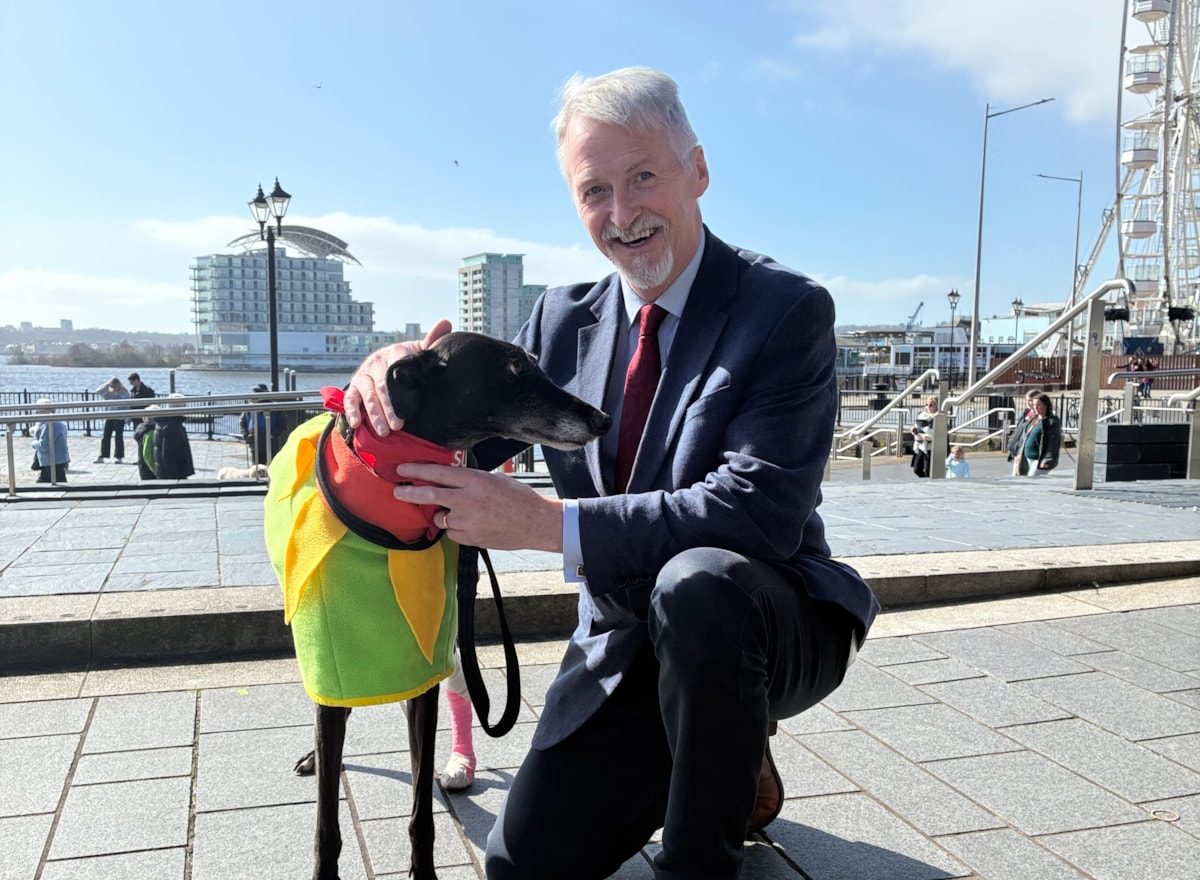
GREYHOUND racing will be banned in Wales after Senedd Members voted in favour of new legislation aimed at protecting the welfare of racing dogs.
The Bill introduces a phased transition period to allow the industry to wind down responsibly, strengthen rehoming arrangements for retired greyhounds, and give enforcement bodies and local authorities time to prepare for the change. The ban is expected to come into force between April 1, 2027 and April 1, 2030.
The legislation reflects a clear policy decision that the risks associated with greyhound racing – including injuries, fatalities and poor outcomes for dogs after their racing careers end – can no longer be justified. Despite efforts by parts of the industry to improve standards, harm to greyhounds has remained a persistent concern.
Huw Irranca-Davies, Deputy First Minister with responsibility for Climate Change and Rural Affairs, said: “Wales is a progressive nation, committed to ethical standards and forward-thinking legislation. This Bill strengthens our reputation as a leader on animal welfare and delivers the standards that the people of Wales rightly expect.”
The move follows significant public engagement, with thousands of people, campaigners and organisations contributing through petitions, consultations and personal testimony. Their input has played a central role in shaping the legislation.
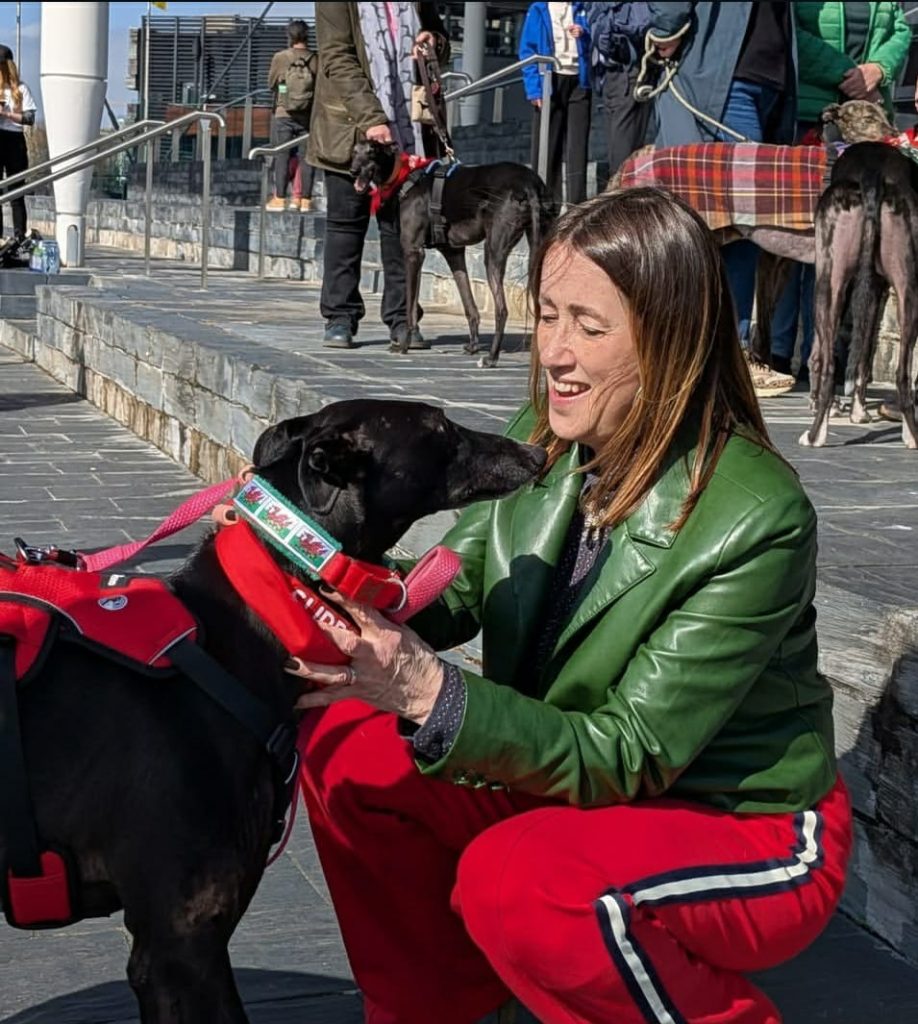
Commenting on the news that the greyhound racing ban has been passed by the Senedd, Welsh Liberal Democrat Leader Jane Dodds MS, who has spearheaded the campaign, said “This is a massive victory for animal welfare, and I’m proud that the Welsh Liberal Democrats have helped deliver it.
“Today, Wales has made a clear statement about the kind of nation we want to be: compassionate, forward-looking, and willing to act when the evidence demands it.”
Projects to protect wildlife, restore habitats and strengthen biodiversity
TWENTY-EIGHT projects across Wales have secured more than £15 million to protect wildlife and restore biodiversity on land and at sea.
The funding, totalling £15,186,716, has been awarded through the Nature Networks Fund, with individual grants ranging from £50,000 to £1 million. Projects include efforts to protect the brown long-eared bat, restore vital wetland habitats and safeguard threatened plant species.
The scheme is delivered by the Heritage Fund on behalf of the Welsh Government, in partnership with Natural Resources Wales (NRW). It aims to strengthen the resilience of protected sites and accelerate nature recovery across the country.
Deputy First Minister Huw Irranca-Davies, who holds responsibility for climate change, said: “This significant investment demonstrates our ongoing commitment to international targets such as 30by30, increasing the scale and pace of delivery to protect Wales’s natural heritage.
“By supporting these projects, we are not only preserving precious ecosystems but also empowering communities to become stewards of their local environments. The Nature Networks Fund is a crucial tool in our response to the nature emergency.”
The latest round of funding will focus on improving connectivity between protected sites, creating stronger ecological networks where habitats and species can thrive and adapt to environmental pressures.
Since launching in 2021, the Nature Networks Fund has supported 147 projects with a combined investment of more than £54 million.
Among the successful projects, the Bat Conservation Trust has been awarded £249,630 for a Wales-wide initiative to protect the brown long-eared bat, often known as the “whispering bat”. The project will support woodland management, tree roost surveys, improved data collection and community engagement activities.
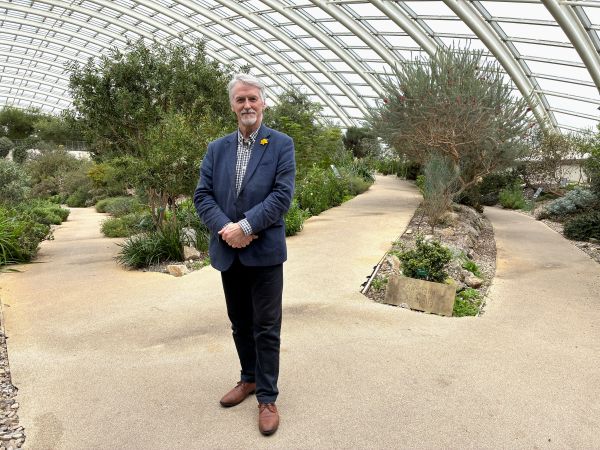
The National Botanic Garden of Wales has secured £823,320 to safeguard vulnerable plant species. The funding will expand the National Seed Bank of Wales, which currently conserves just 11% of Welsh flora, and support improvements at the 150-hectare Waun Las National Nature Reserve.

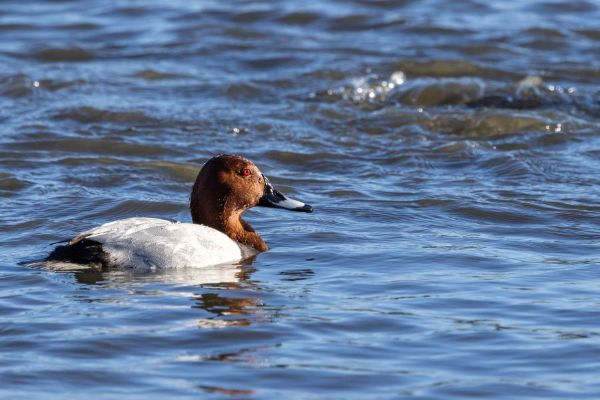
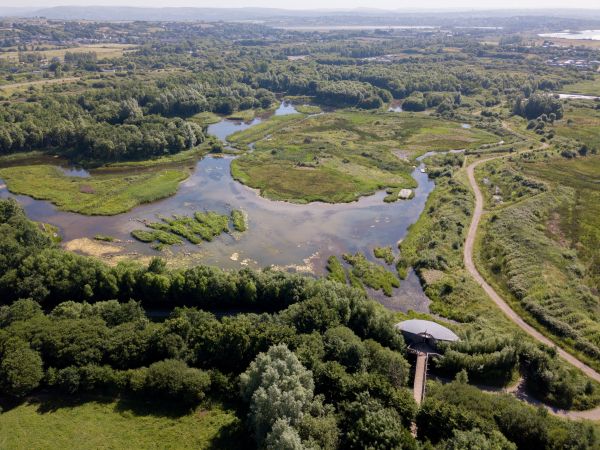
Meanwhile, wetland charity WWT will receive £548,406 to restore habitats at WWT Llanelli and along the Tir Morfa coastline. The project aims to improve conditions for wildlife, including internationally important wintering birds, while also supporting climate resilience in the wider Burry Inlet.
Andrew White, Director of Wales at the Heritage Fund, said: “To protect Wales’ habitats and wildlife, we need long-term, sustainable action built on genuine collaboration. These awards reflect both the scale of ambition behind the Nature Networks Fund and the vital role communities play in creating a more resilient future for nature.”
Mary Lewis, Head of Natural Resources Management and Policy at NRW, added: “We are delighted to see such a strong range of high-quality projects receiving support. From marine and coastal environments to rivers, wetlands and terrestrial habitats, the breadth of ambition across Wales is inspiring.

“These initiatives use innovative approaches to tackle some of our most pressing nature and climate challenges, helping to maintain, restore and enhance protected sites while building resilient ecological networks.”
The programme forms part of the Welsh Government’s commitment to the Global Biodiversity Framework “30 by 30” target, which aims to protect and effectively manage 30% of land, freshwater and marine environments by 2030.
Below is a full list of projects being funded.
£50,000 – £250,000 grants:
- Pembrokeshire Coastal Forum Community Interest Company awarded £249,584, Pembrokeshire
- Merthyr Mawr Estate awarded £249,929, Bridgend
- Fieldwork Studio CIC awarded £248,414, Bridgend
- Carmarthenshire County Council awarded £209,950, Burry Port
- Royal Society of Wildlife Trusts awarded £249,898, Bangor
- British Trust for Ornithology awarded £249,968, Bangor
- Denbighshire County Council awarded £247,225, Mold
- The Penllergare Trust awarded £194,600, Swansea
- Botanical Society of Britain and Ireland awarded £249,988, Welshpool
- Cyngor Gwynedd awarded £250,000, Caernarfon
- Zoological Society of London awarded £249,991, Isle of Anglesey
- Friends of the Upper Wye awarded £174,633, Hay on Wye
- The Bat Conservation Trust awarded £249,630, Ceredigion
- Tir Natur awarded £222,030, Ceredigion
- Llanymynech Golf Club awarded £249,998, Oswestry
£250,000 – £1million
- Milford Haven Port Authority awarded £959,180, Pembrokeshire
- The National Trust for Places of Historic Interest or Natural Beauty awarded £998,766, Bangor
- The Wildfowl & Wetlands Trust awarded £548,406, Wales-wide
- Black Mountains Land Use Partnership awarded £995,152, Black Mountains
- The Radnorshire Wildlife Trust awarded £952,350, Powys
- The Zoological Society of London awarded £997,771, Llŷn Peninsula
- The National Botanic Gardens of Wales awarded £823,320, Carmarthenshire
- Monmouthshire County Council awarded £999,974, Gwent
- The Wildlife Trust of South and West Wales awarded £926,905, Wales-wide
- Vale of Glamorgan Council awarded £574,850, South Wales
- Brecon Beacons National Park Authority awarded £999,758, Brecon Beacons
- Game and Wildlife Conservation Trust awarded £921,700, Powys
- Welsh Dee Trust awarded £942,746, Denbighshire



News5 hours ago
Police confirm man has died after being recovered from River Cleddau
Major emergency response in town centre after concerns raised for man in water A MAN has died after being recovered...


Community5 hours ago
Davies and Kurtz urge groups to seek employability funding
Community organisations in Pembrokeshire encouraged to apply for new grants supporting skills and job access LOCAL Senedd Members Samuel Kurtz...


News7 hours ago
Emergency services flood Haverfordwest after reports of person in river
Town centre sealed off as multi-agency response continues A MAJOR emergency response is underway in the centre of Haverfordwest after...


News7 hours ago
Detectives receive surge of new information in bid to identify man found at Powys reservoir
Public response follows release of facial image as officers pursue fresh lines of enquiry DETECTIVES investigating the identity of a...


Education1 day ago
New facilities open at Portfield School as redevelopment reaches key milestone
THE FIRST phase of a major redevelopment programme at Portfield School in Haverfordwest has been completed, marking a significant step...


News1 day ago
£377m spent saving blast furnaces months after Port Talbot closure
Government intervention keeps UK’s last primary steelmaking furnaces running THE UK GOVERNMENT spent £377 million to prevent the closure of...


Sport2 days ago
France crowned Six Nations champions after extraordinary final-day drama
Ramos penalty in Paris seals title as Ireland fall just short and Wales end losing run FRANCE were crowned 2026...


News2 days ago
Fishguard linked to allegations in Many Tears Animal Rescue investigation
Claims about puppies arriving through Pembrokeshire port emerge as licensing probe continues FISHGUARD has been named in allegations linked to...

Local Government3 days ago
Investigation confirmed after inspectors visit Many Tears Animal Rescue
Licensing authority declines to comment as police confirm attendance at Carmarthenshire rescue centre AN INVESTIGATION is underway following a visit...


Business4 days ago
Work set to begin on £50m hydrogen plant in Milford Haven
A MAJOR new hydrogen production facility worth around £50 million is expected to begin construction in Milford Haven later this...
-

 Health4 days ago
Welsh Ambulance Service to host bi-monthly Board meeting
-

 News3 days ago
Rayner and Lammy visit Wales to discuss justice and community safety
-

 Local Government6 days ago
Register now to vote in May’s Senedd election
-
News2 days ago
Fishguard linked to allegations in Many Tears Animal Rescue investigation
-
News7 hours ago
Emergency services flood Haverfordwest after reports of person in river
-

 Community6 days ago
Modern-day maritime hero backs exhibition marking 200 years since launch of HMS Erebus
-

 Crime6 days ago
‘Knife attack’ at Spittal property leaves man in hospital
-

 News5 days ago
Calls grow for water industry overhaul after Welsh Water faces £44.7m fine