

Comment
Opinion: Pembrokeshire deserves better than endless healthcare decline

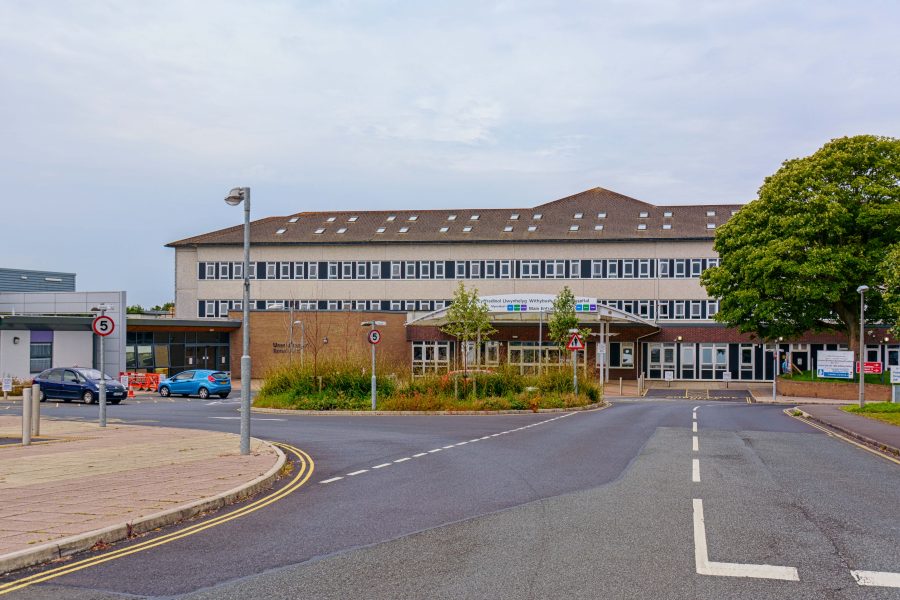
For more than a decade, services at Withybush have been reduced while promises of improvement remain unfulfilled — and public trust is wearing thin
THERE is a growing sense across Pembrokeshire that no matter what promises are made, healthcare services here only ever seem to move in one direction — backwards.
This week’s decision by Hywel Dda University Health Board on February 19, 2026, to remove emergency general surgery from Withybush Hospital is not an isolated event. It is the latest chapter in a story residents know all too well.
For more than a decade, people in this county have watched services gradually disappear: consultant-led maternity, the Special Care Baby Unit, inpatient children’s services — and now emergency surgery.
Each decision has been presented as necessary. Each one justified on grounds of safety, staffing shortages or sustainability.
And yet the outcome is always the same: Pembrokeshire loses something.

At The Herald, we do not make that statement lightly. Since 2014, we have reported on every development — the protests, the packed public meetings, the consultations, the board decisions. We have interviewed senior clinicians, chief executives and health board members.
We know what promises were made. And we have seen what followed.
That long view reveals something individual announcements often obscure. Residents are told changes will improve care or lead to better outcomes. But from the perspective of patients and families, things rarely feel improved.
Travel distances get longer. Waiting times remain difficult. Ambulance pressures continue. Anxiety about access grows — especially for those in remote communities facing poor roads, winter weather, or limited transport. For elderly residents without cars, and for families with young children, the strain is real. During tourism peaks, pressures only increase.
Trust, once lost, is hard to rebuild.
One of the deepest frustrations is that assurances of future improvement never quite materialise. The long-discussed new hospital remains years away at best. Recruitment challenges persist. Temporary measures quietly become permanent realities.
What begins as reassurance often ends as another reduction.

None of this denies the genuine challenges facing the NHS. Workforce shortages are real. Rural healthcare is difficult to sustain. Clinical standards must come first.
But fairness matters too.
Pembrokeshire is a large rural county with unique geographic challenges, seasonal pressures and communities that deserve confidence in local services.
People understand healthcare must evolve. What they struggle to accept is a situation where change repeatedly means less provision here.
Local MSs Paul Davies and Samuel Kurtz had warned ahead of the vote that undermining Withybush would cross a “red line.” Paul Davies described the outcome as “appalling but not surprising.” Plaid Cymru’s Kerry Ferguson urged the board to reconsider.
Yet here we are — another acute service shifted away, primarily to Glangwili.
That reality now shapes public confidence. And confidence matters. Healthcare relies not only on clinical outcomes but on public trust. When communities feel decisions are predetermined, consultation loses meaning. When residents believe their county is continually losing out, resentment grows.
The danger is not just political anger. It is disengagement — the belief that nothing will change no matter what people say or do.
Pembrokeshire deserves better than that.
It deserves clarity about the long-term vision for healthcare in the county. Honesty about what can and cannot be delivered locally. Genuine effort to protect services wherever possible.
Withybush still provides a 24-hour emergency department, midwife-led maternity and vital outpatient care. But each loss chips away at confidence in its future.
The people of this county are resilient, pragmatic and realistic. But patience is not unlimited.
When every few years brings another reduction, the question becomes unavoidable:
When do things finally start getting better?



A GOVERNMENT looking for money does not usually have to search very far. It can start with the expensive mistakes already sitting on the books.
Carbon capture and storage, known as CCS, is one of them.
On paper, it sounds like a neat answer to the climate crisis. Carry on burning fossil fuels, capture the carbon dioxide before it reaches the atmosphere, pipe it away and bury it underground. The public gets reassured. The energy industry gets to keep its business model. Ministers get to claim they are being practical.
The problem is that the numbers, and the record so far, tell a very different story.
The UK Government has promoted a £21.7bn carbon capture programme stretching to 2050. That figure is large enough on its own. But climate analysts Dr Andrew Boswell and Simon Oldridge have examined the wider data used by the Climate Change Committee and argue the full cost of the programme could reach £264bn by 2050.
That is not a rounding error. That is more than a quarter of a trillion pounds.
Some of that cost would fall directly on government. Much of the rest would be pushed onto consumers through energy bills. The House of Commons Public Accounts Committee has already warned that the public is being asked to carry considerable risk for technologies which remain expensive, complex and, in many cases, unproven at the scale required.
This matters in places like Pembrokeshire and across West Wales, where households and small businesses already feel every increase in energy costs. Climate policy cannot be judged only by whether it produces impressive press releases. It has to pass a simpler test: does it cut emissions, protect the public and reduce long-term costs?
On CCS, the answer is far from convincing.
Supporters say carbon capture is essential for industries where emissions are hard to avoid, such as cement, chemicals and some heavy manufacturing. There may be a limited role there. Nobody serious about climate policy should pretend every industrial process can be cleaned up overnight.
But that is not where the bulk of the planned programme appears to be heading. Much of the proposed CCS build-out is linked to fossil gas power stations, biomass plants and hydrogen made from fossil gas. In other words, it risks becoming a lifeline for continued fossil fuel use rather than a genuine route away from it.
That is the central problem. CCS is being sold as a bridge to a cleaner future, but it may end up extending the life of the very system we need to leave behind.

The argument becomes even weaker when you look at alternatives. Renewable energy is getting cheaper. Battery storage is advancing quickly. Grid management is improving. Green hydrogen, made using renewable electricity, is expected to become far more competitive than hydrogen made from fossil gas with carbon capture.
So why spend vast sums building infrastructure that depends on continued gas use?
The answer may be less about climate science and more about lobbying.
Oil and gas companies have a direct interest in CCS. It offers them a way to argue that fossil fuels can remain part of the system for decades. If carbon can supposedly be captured and stored, then new gas power stations, new gas production and new gas-linked hydrogen schemes can be presented as “low carbon”.
That is convenient. It is also dangerous.
The UK has already seen several carbon capture projects collapse or stall after costs rose and practical difficulties mounted. The Public Accounts Committee has described the Government’s approach as high risk. That should concern every taxpayer and every bill payer.
There is another issue too. More gas use means greater reliance on imported liquefied natural gas. LNG carries heavy emissions before it even reaches Britain, particularly because of methane leaks during production and transport. Those emissions may not show up neatly in the UK’s domestic carbon accounts, but the atmosphere does not care where the pollution was measured.
Climate change is not fooled by accounting tricks.
If the aim is to cut emissions, the priority should be clear. Use less fossil fuel. Build more renewables. Invest in storage, insulation, grid upgrades and clean industrial processes. Support households and businesses to reduce energy demand. Put public money into technologies that move us away from oil and gas, not ones that keep us tied to them.
There may be a narrow place for carbon capture in genuinely hard-to-abate sectors. But that is very different from turning it into a vast, publicly backed rescue package for fossil fuel infrastructure.
The public deserves honesty. If ministers believe CCS is worth hundreds of billions of pounds, they should say clearly who will pay, how much will land on household bills, what emissions will actually be cut, and what cheaper alternatives have been rejected.
They should also explain why the same level of urgency and funding is not being directed at energy efficiency, home insulation, community renewables and storage technologies that would reduce bills as well as emissions.
For years, carbon capture has been treated as a get-out-of-jail-free card. It allows politicians to promise climate action without confronting fossil fuel dependence. It allows energy giants to talk about transition while protecting their old business. It allows difficult choices to be delayed.
But delay has a cost. So does wishful thinking.
A £264bn gamble on carbon capture would be one of the most expensive climate bets in British history. If it fails, the public pays twice: once through taxes and bills, and again through the worsening effects of climate change.
The smarter course is not complicated. Stop using public money to prolong the fossil fuel era. Spend it instead on the clean energy system we already know we need.
That would cut emissions. It would lower bills. And it would be a far better use of a quarter of a trillion pounds.

THE REASON this heatwave feels worse is simple: it is not just the heat, it is the lack of relief.
High daytime temperatures are difficult enough. But when humidity rises and nights stay warm, the body has less chance to recover. That is when a hot spell becomes a public health concern.
Britain is still poor at dealing with heat. We treat it as a novelty, not a risk. Schools, care homes, workplaces and public transport are often badly prepared. Many homes are built to retain warmth in winter, not stay cool in summer.
That may once have been a minor inconvenience. It is now becoming a serious weakness.
This week’s conditions show the problem clearly. Humid air makes sweating less effective, so people can overheat more quickly. Warm nights mean poor sleep, dehydration and extra strain, particularly for older people, babies and those with existing health conditions.
For Pembrokeshire and the rest of Wales, this is not an abstract climate issue. It affects farm workers, tourism staff, delivery drivers, school pupils, hospital patients and care home residents. It affects water use, roads, public services and emergency planning.
Climate change does not mean every hot day is caused by global warming. But it does mean extreme heat is becoming more likely and more severe. A warmer atmosphere can also hold more moisture, making some heatwaves feel more oppressive than the dry heat people may remember from the past.
The response cannot be limited to warnings about drinking water and staying out of the sun. Those messages matter, but they are not enough.
Councils, health boards, schools and employers need proper heat plans. Buildings need better ventilation and shade. Vulnerable people need checking on. Outdoor and indoor workers need sensible protection.
Heatwaves are no longer rare summer talking points.
They are part of the climate Wales now has to plan for.
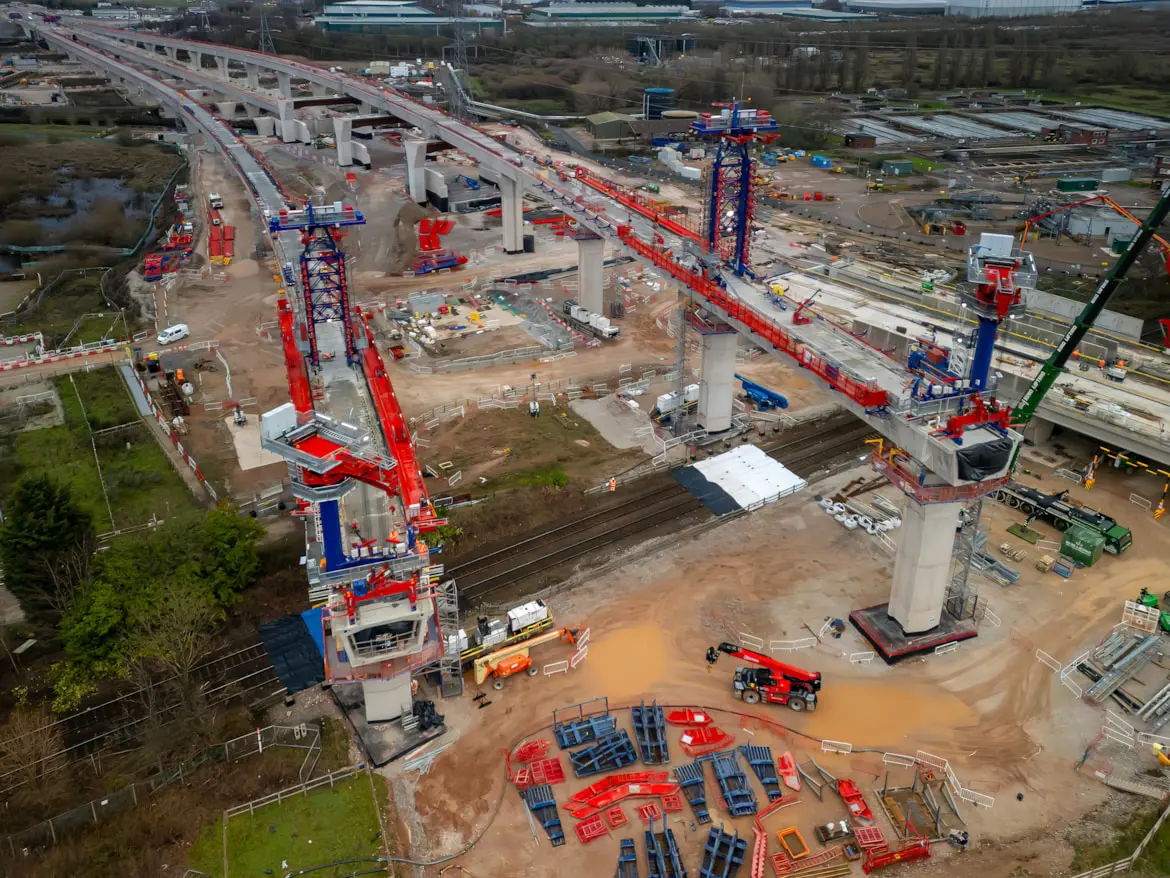
As HS2 balloons towards £100bn with fresh delays, the case for fair rail funding for Pembrokeshire and west Wales has never been stronger
THE MOST absurd aspect of HS2 is no longer just its eye-watering cost. It is the sheer scale of the broken promises — and the fact that Wales is still expected to help foot the bill while seeing almost none of the benefit.
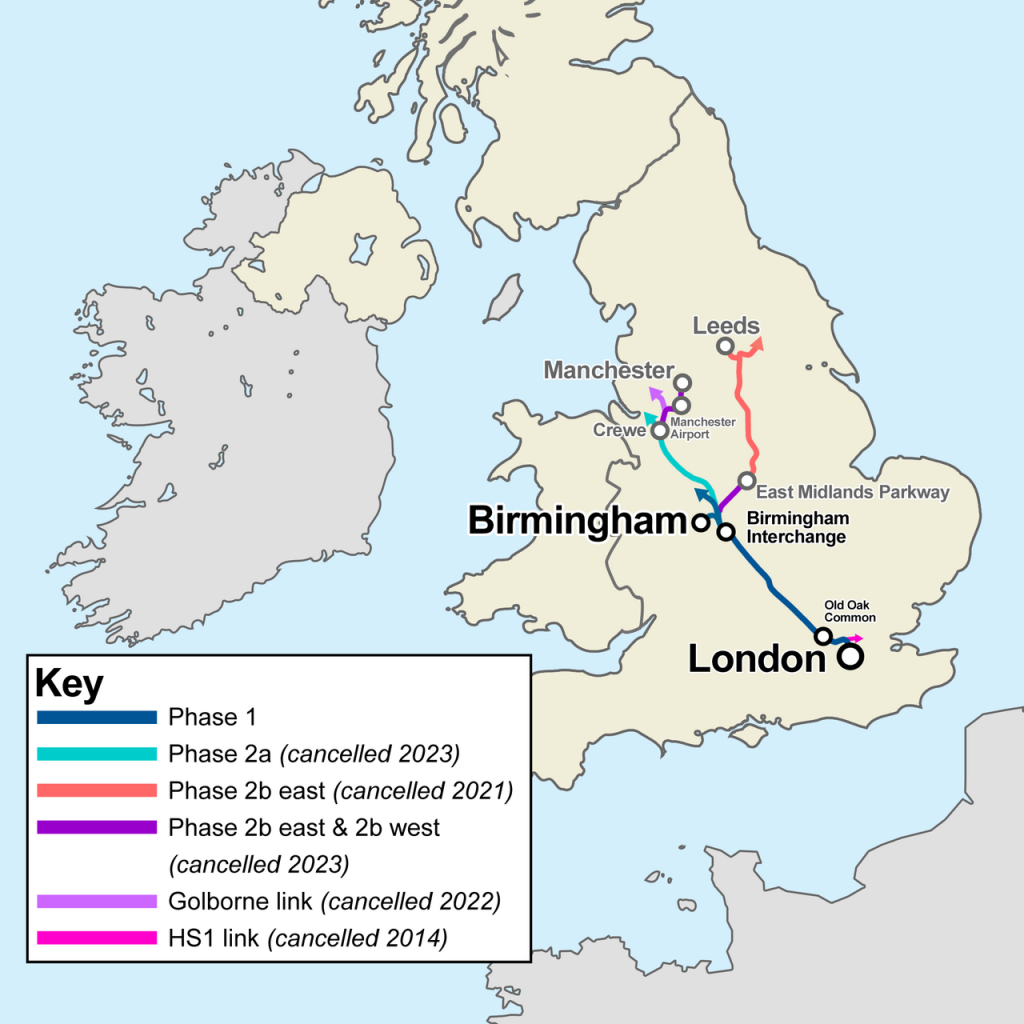
Once hailed as a high-speed revolution connecting London, Birmingham, Manchester and Leeds, HS2 has shrunk dramatically. The Manchester and Leeds legs are gone. The line may run slower than planned. Euston station remains uncertain. And the first passengers may not board until the late 2030s.
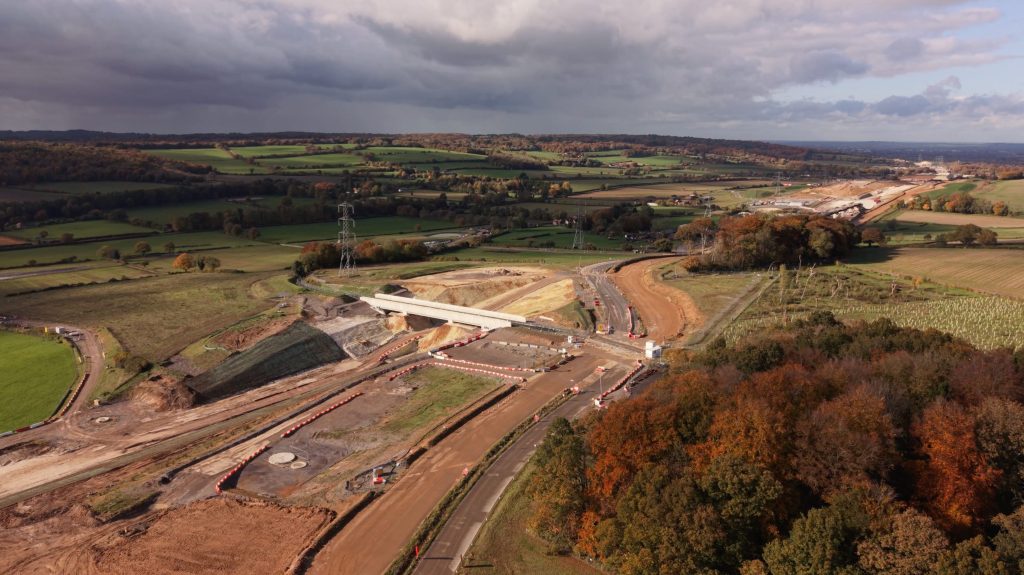
When people see photographs of vast HS2 works stretching into open countryside, it is easy to understand why many now ask whether Britain has spent tens of billions building infrastructure for a railway that no longer knows where it is going.
Latest estimates put the cost at between £87.7bn and £102.7bn. Billions have already been spent on structures, junctions and works linked to routes that no longer exist. What remains is a shorter, slower, vastly more expensive project than the one sold to the public over a decade ago.
Yet Wales is still counted in the “England and Wales” project.
This is the bitterest pill. No HS2 track reaches Wales. No station serves us. No journey times from Pembrokeshire, Carmarthenshire or Ceredigion are transformed. Commuters on the line from Milford Haven to Cardiff still battle ageing rolling stock, unreliable services and Victorian-era infrastructure that feels a world away from “high-speed Britain.”
The Treasury’s defence — that rail infrastructure is not devolved and HS2 benefits the wider England-and-Wales network — has always stretched credibility. Today, with the project scaled back, it looks untenable.
Scotland and Northern Ireland receive Barnett consequentials from HS2 spending. Wales, despite having no HS2 line, does not.
Independent estimates and repeated calls from Welsh politicians and parliamentary committees have long suggested Wales is owed billions in fair-share funding. Figures in the region of £4bn to £5bn have been cited — money that could upgrade west Wales lines, improve reliability, add capacity and modernise stations.
Local reality check
Would anyone in Pembroke Dock, Haverfordwest or Fishguard seriously claim they have gained from HS2?
When services are disrupted by signalling faults, track defects or rolling stock shortages, the idea that west Wales is already “benefiting” from a London-to-Birmingham railway rings hollow. Pembrokeshire’s rail connections remain among the most challenging in the UK, limiting economic opportunities, tourism and daily commutes.
This is not anti-rail investment. Britain needs better infrastructure. The problem is fairness.
Successive governments talk of “levelling up” and rebalancing the economy, yet Wales consistently receives a disproportionately low share of rail enhancement spending relative to need.
At a time when HS2 has become a symbol of mismanagement for many, telling Welsh taxpayers they have already had their share — while our own services lag — fuels a deeper sense of being at the back of the queue. It risks feeding cynicism about how Westminster treats Wales.
The solution is straightforward.
If HS2 is genuinely an England-and-Wales project delivering meaningful benefits here, show us the railway.
If not, reclassify it and deliver the Barnett consequentials Wales is owed.
That money could fund real improvements: better frequencies on the west Wales line, electrification, station upgrades and resilience works that actually touch Pembrokeshire communities.
Westminster must stop pretending. Local MPs, the Welsh Government and campaigners should keep pressing this case — because transport fairness is economic fairness.
Pembrokeshire deserves better than being asked to pay into a project that delivers its rewards somewhere else.



Local Government12 hours ago
Calls grow for independent investigation into Manorbier school closure
Councillor alleges misleading figures, inadequate insurance and poor treatment of staff CALLS for an independent investigation into the controversial closure...


Community19 hours ago
Neyland Carnival hailed a huge success after streets fill with colour and crowds
NEYLAND CARNIVAL organisers have thanked the community, volunteers and local businesses who helped make this year’s event a memorable success....


Community22 hours ago
Tenby Summer Spectacular: Anger grows over ‘disaster waiting to happen’ warning
A growing backlash has followed police calls for the event’s licence to be revoked, with supporters questioning why authorities failed...

Charity2 days ago
RSPB secures ‘missing link’ to reconnect wildlife habitats in Carmarthenshire
RSPB CYMRU has purchased a 96-hectare upland site in Carmarthenshire, describing it as a vital step towards reconnecting one of...


Crime3 days ago
Ann Widdecombe: Welsh politicians pay tribute as murder probe launched
Prime Minister Sir Keir Starmer has praised the former minister’s “conviction and dedication”, while political figures in Wales remembered her...


News3 days ago
Solardo pulls out of Haverfordwest show as organisers offer full refunds
Headline act confirms non-appearance as Park House Series announces major event changes DANCE music duo Solardo will no longer perform...


Local Government3 days ago
Conservatives win Pembroke Dock seat as Reform stalls and Dowson polls just 11
Jamie Street takes Market ward with a 43-vote majority as Reform finishes fourth despite its major Senedd breakthrough two months...

Health3 days ago
Hospital ward closed after highly contagious scabies outbreak
Hywel Dda confirms wider rise in cases across Carmarthenshire, Pembrokeshire and Ceredigion as patients and staff are offered treatment A...


Crime4 days ago
Teacher stabbing trial: The first week of evidence
Jury hears accounts of alleged planned classroom attack, teacher’s fear she was dying, and boy’s words after leaving school A...


Community4 days ago
Haverfordwest Castle refurbishment reaches new heights as roof goes on
Major milestone reached in project to transform historic gaol building into flagship visitor attraction A MAJOR milestone has been reached...
-

 Farming6 days ago
Pembrokeshire slaughterhouse given urgent improvement rating after audit failure
-

 News7 days ago
Large fire breaks out at Impala Terminal in Milford Haven
-

 Entertainment5 days ago
Swing and big band classics heading to Torch Theatre
-

 News6 days ago
From boccia to boxing: ALN multisport events give youngsters chance to try activities
-

 News6 days ago
Questions raised over Hamilton Accies finances after club’s Haverfordwest friendly
-
 Education7 days ago
Council failed Welsh language standards over school closure
-

 Entertainment7 days ago
Crymych Arms to host weekend of local music, food and drink
-

 Farming4 days ago
Working Carmarthenshire farm opens gates to visitors with new holiday cottages