


News
Wales name team for Ireland clash in Six Nations fourth round


Steve Tandy makes three changes as Wales prepare for Dublin test
HEAD COACH Steve Tandy has named the Wales team to face Ireland in the fourth round of the 2026 Guinness Six Nations at the Aviva Stadium on Friday, March 6 (kick-off 8:10pm, live on ITV1 and S4C).
There are three changes to the starting XV as Wales prepare to play in their alternate kit for the trip to Dublin.
James Botham is selected at openside flanker for his first start of this year’s Championship. Alex Mann moves to blindside flanker, while Aaron Wainwright continues at No.8.
Dan Edwards starts at fly-half and Ellis Mee is named on the wing, with both players making their third appearance for Wales in this year’s Six Nations.
Among the replacements, Louie Hennessey is in line to make his senior international debut. Adam Beard and Olly Cracknell provide additional forward cover on the bench.

Tandy said: “There are a couple of enforced changes this week due to injury. Ellis played well in the opening couple of rounds and we feel he deserves another opportunity.
“This week is about building on the performance against Scotland. Going away from home brings a different environment for the group, but our focus is on improving what we did last time out.
“I thought the defence against Scotland was much improved and we want to build on that going to Ireland. They are very strong in possession and move the ball well, so we know we’ll need to raise our performance again.”
Speaking about Hennessey’s potential debut, Tandy added: “Louie was unfortunate not to get his opportunity in the autumn but he’s trained extremely well. He had a knock to his hand at the start of the campaign, but the way he has recovered and performed in training has been very impressive. We’re all excited to see him potentially get his chance in Dublin.”

Wales team v Ireland – Guinness Six Nations 2026
- Louis Rees-Zammit (Bristol Bears – 38 caps)
- Ellis Mee (Scarlets – 6 caps)
- Eddie James (Scarlets – 7 caps)
- Joe Hawkins (Scarlets – 9 caps)
- Josh Adams (Cardiff Rugby – 68 caps)
- Dan Edwards (Ospreys – 9 caps)
- Tomos Williams (Gloucester Rugby – 70 caps)
- Rhys Carre (Saracens – 26 caps)
- Dewi Lake (Ospreys – 29 caps) captain
- Tomas Francis (Provence Rugby – 80 caps)
- Dafydd Jenkins (Exeter Chiefs – 29 caps)
- Ben Carter (Dragons – 17 caps)
- Alex Mann (Cardiff Rugby – 14 caps)
- James Botham (Cardiff Rugby – 19 caps)
- Aaron Wainwright (Dragons – 65 caps)
Replacements
- Ryan Elias (Scarlets – 46 caps)
- Nicky Smith (Leicester Tigers – 61 caps)
- Archie Griffin (Bath Rugby – 14 caps)
- Adam Beard (Montpellier – 63 caps)
- Olly Cracknell (Leicester Tigers – 3 caps)
- Kieran Hardy (Ospreys – 30 caps)
- Jarrod Evans (Harlequins – 16 caps)
- Louie Hennessey (Bath Rugby – uncapped)
Wales – 2026 Six Nations results and fixtures
Saturday, Feb 7: England 48–7 Wales – Allianz Stadium, Twickenham
Sunday, Feb 15: Wales 12–54 France – Principality Stadium, Cardiff
Saturday, Feb 21: Wales 23–26 Scotland – Principality Stadium, Cardiff
Friday, Mar 6: Ireland v Wales – Aviva Stadium, Dublin (8:10pm)
Saturday, Mar 14: Wales v Italy – Principality Stadium, Cardiff (4:40pm)




A SMALL Pembrokeshire brewing company has been formally wound up after its owners concluded the business could no longer continue.
Black Tar Brewing Co Ltd, which was registered in Llangwm, entered creditors’ voluntary liquidation following a meeting of company members on February 27, 2026.
The meeting was held at the Swansea offices of Stones & Co Insolvency Practitioners, where Gareth Stones was appointed to oversee the closure.
The company’s registered address was at Gail Rise in Llangwm, near Haverfordwest, and official records listed its activities as beer manufacturing.
No public details have yet been released about the size of the business, the value of its assets or the amount owed to creditors.
As liquidator, Mr Stones will now take control of the company’s affairs, identify any remaining assets and determine whether funds are available for those owed money.
Creditors are expected to receive further information as the process develops.
The liquidation was initiated by the company rather than through a court order, meaning its members voted to bring trading to an end and place its finances in the hands of an insolvency practitioner.
A public notice connected to the closure directs creditors and other interested parties to Stones & Co for further information.
The winding-up brings an end to the Llangwm-registered brewery, although the company’s recent level of trading and the number of people connected to the business remain unclear.

A 67-YEAR-OLD man has been arrested on suspicion of murder after new potential evidence emerged in connection with a death more than three decades ago.
Dyfed-Powys Police have launched a murder investigation into the death of 92-year-old Bentley Mathias, who died in hospital in 1991.
Mr Mathias died at Morriston Hospital on November 19, 1991, with his cause of death recorded at the time as a brain haemorrhage.
His death was not initially treated as suspicious. However, police said new potential evidence had since come to light, prompting the case to be investigated as a murder enquiry.
On Wednesday, July 22, officers arrested a 67-year-old man from the Llandewi Velfrey area of Pembrokeshire on suspicion of murder.
He has since been released on police bail while enquiries continue.
Dyfed-Powys Police said officers were not looking for anyone else in connection with the investigation.
The enquiry remains ongoing.
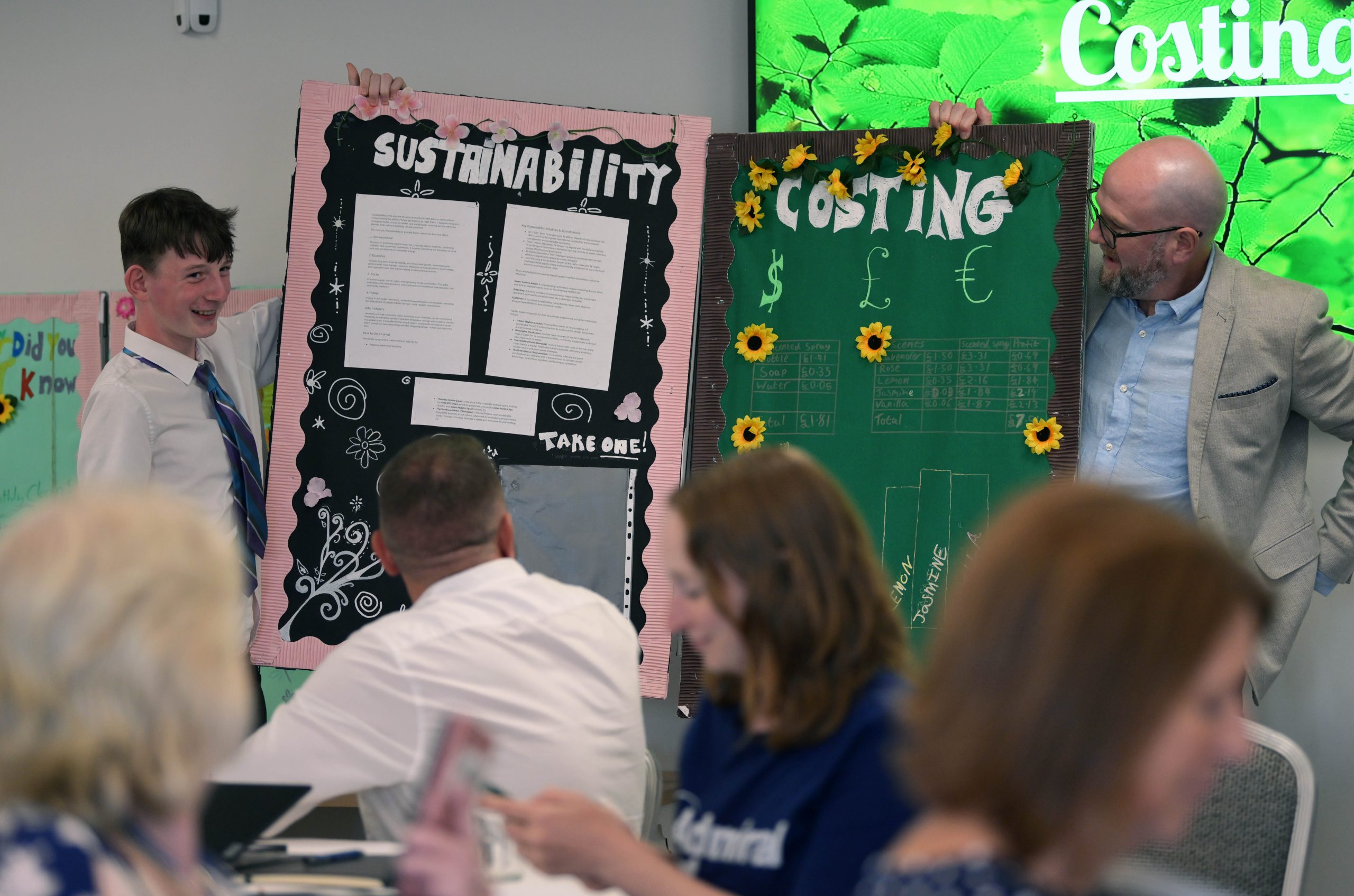
Ysgol Preseli also represented Pembrokeshire among five finalists at an all-Wales green skills competition
A TEAM of Haverfordwest pupils has earned national recognition after developing a range of environmentally friendly cleaning products aimed at hotels and tourism businesses.
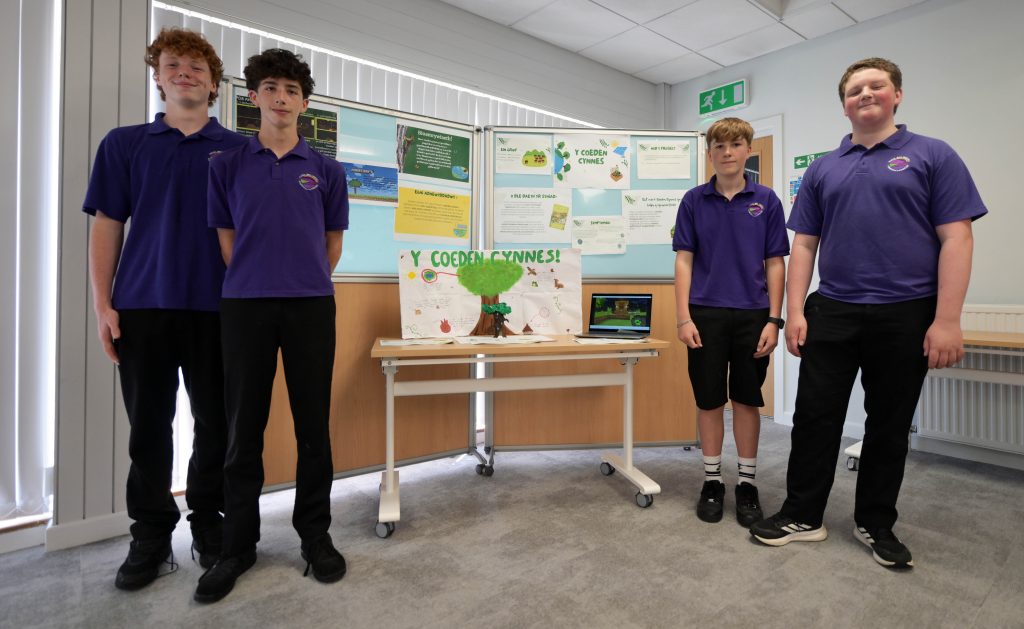
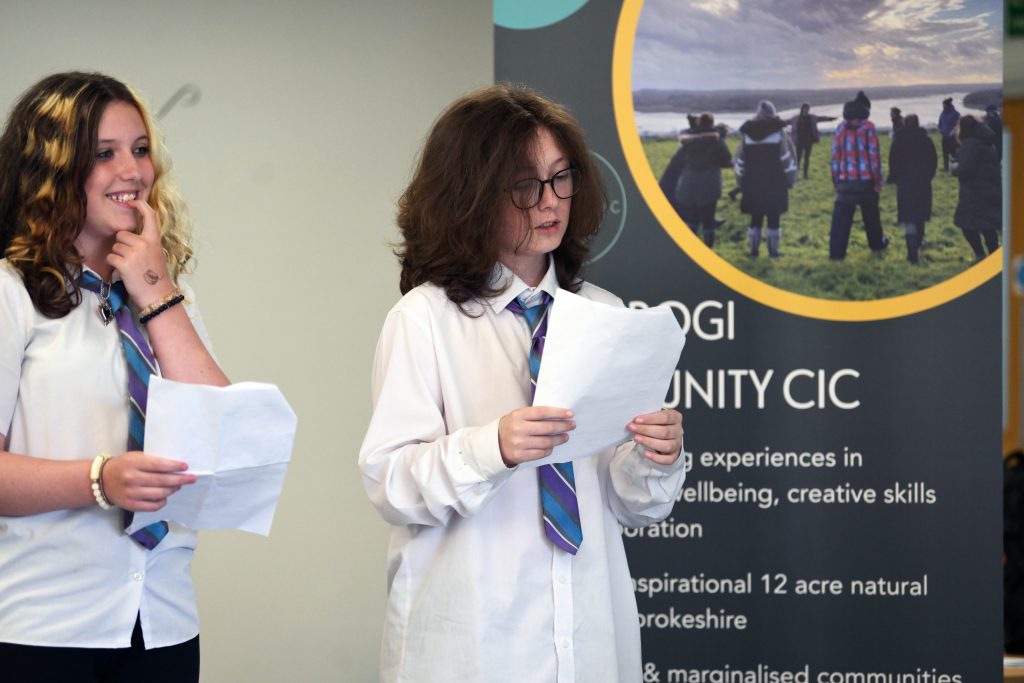
The Sustainables, from Haverfordwest High VC School, presented their idea to business leaders, Welsh Government representatives and sustainability experts at the Tomorrow’s Changemakers Hackathon 2026.
The pupils gave a live demonstration of their product and explained how it could be priced and marketed to businesses across the hospitality sector.
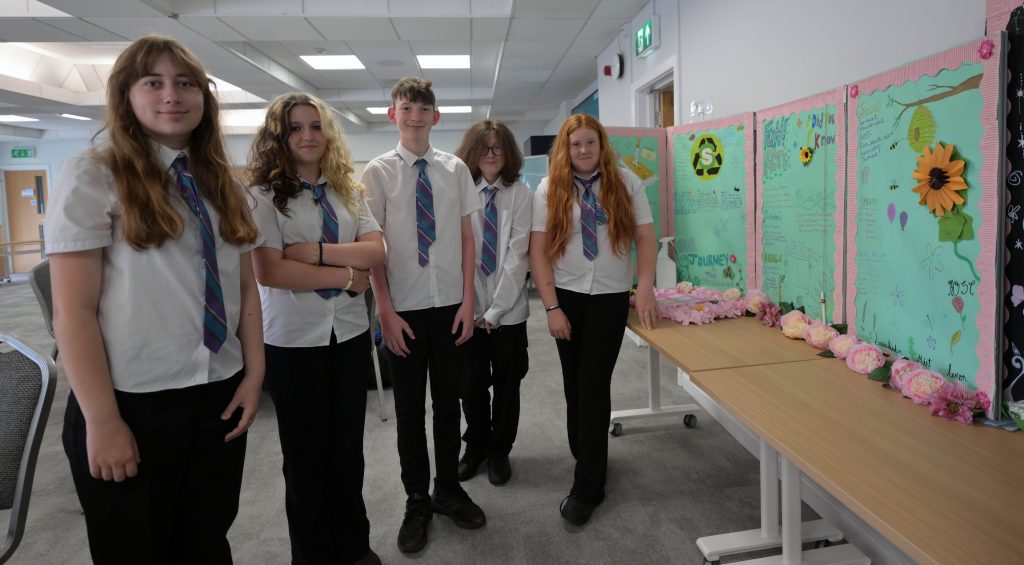
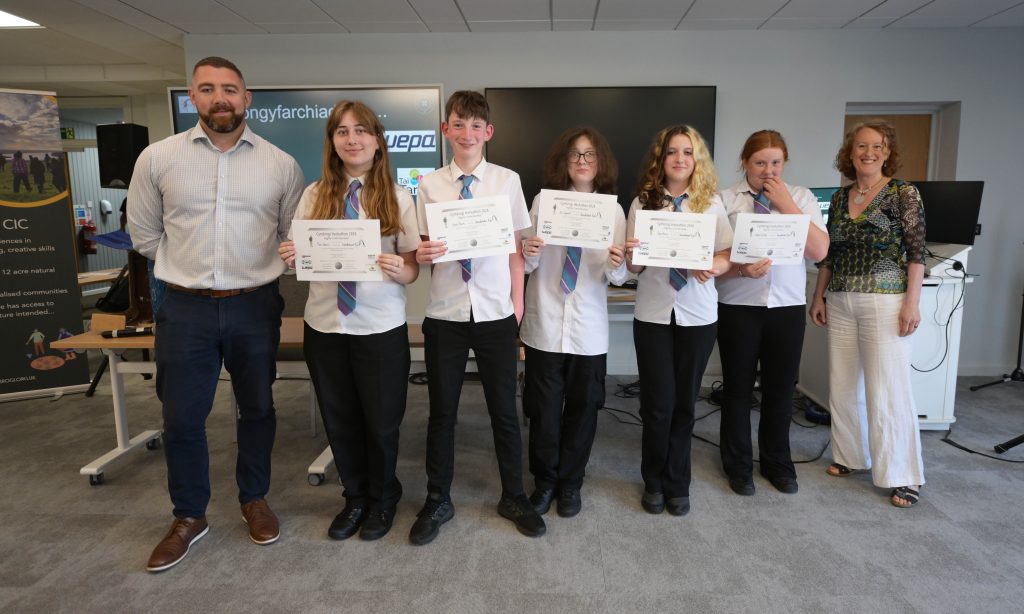
Their combination of environmental thinking and commercial awareness impressed the judging panel, which awarded the team a Highly Commended prize.
Pupils from Ysgol Preseli also reached the final, meaning Pembrokeshire was represented by two of the five teams selected from across south and west Wales.
The competition, held at the University of Wales Trinity Saint David in Carmarthen, challenged Year 8 pupils to find practical solutions to environmental problems affecting tourism, hospitality and the built environment.
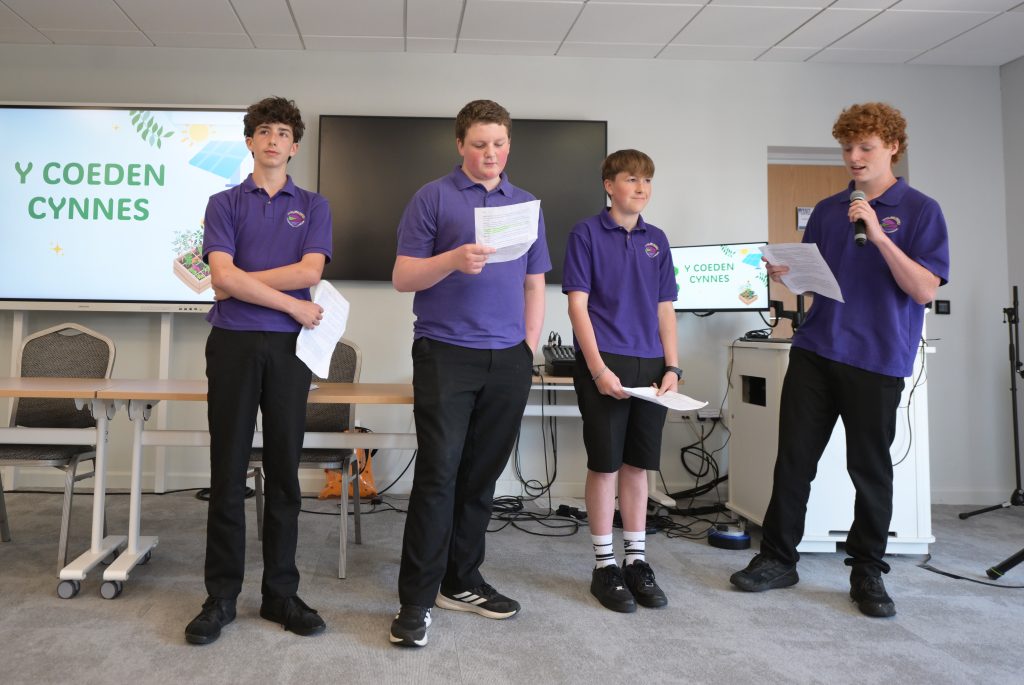
The overall winners were the Green Guardians from Llangatwg Community School in Neath Port Talbot.
Their design for a more sustainable school included an outdoor learning centre which could also operate as a pupil-run garden café.
The hackathon marked the end of a year-long programme in which pupils worked alongside teachers, employers and community organisations to research problems, develop ideas and present their solutions.
More than 1,000 Pembrokeshire pupils have taken part in the Tomorrow’s Changemakers programme since it was introduced in the county in 2023.
The Port of Milford Haven is the programme’s main partner in Pembrokeshire.
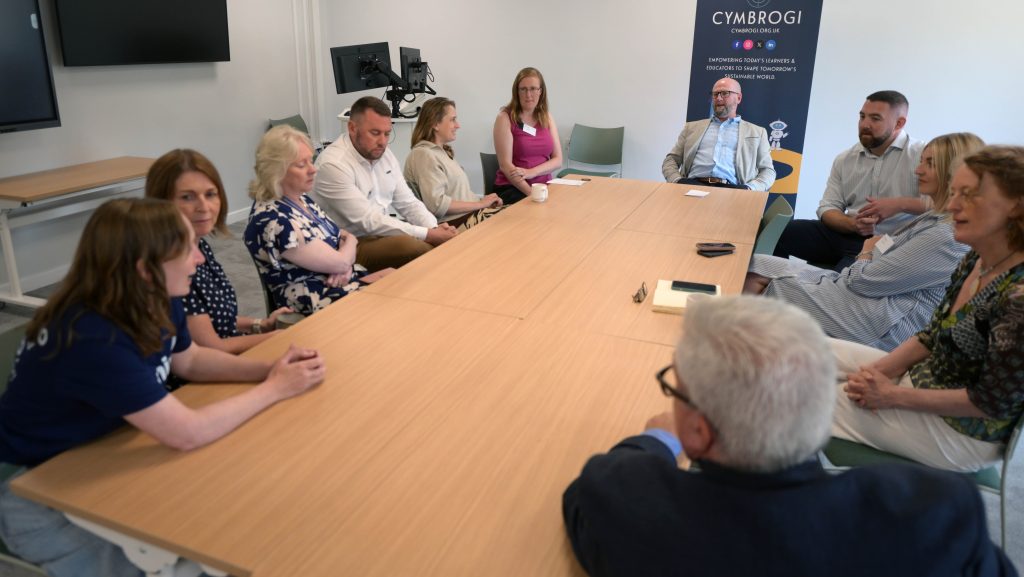
Anna Mullarkey, the Port’s stakeholder engagement and communications manager, said: “The creativity and innovation shown by these learners is truly inspiring.

“They transformed their ideas into practical solutions that could help build a more sustainable future.
“We’re proud to support young people in reaching their full potential and delighted to see schools across Pembrokeshire creating environments where ideas and talent can flourish.”
The programme has now worked with more than 3,000 young people across Pembrokeshire, Carmarthenshire and Neath Port Talbot.
It is due to expand further from September, with Ysgol Harri Tudor and Ysgol Caer Elen joining the Pembrokeshire programme alongside schools in Swansea, Powys and Bridgend.
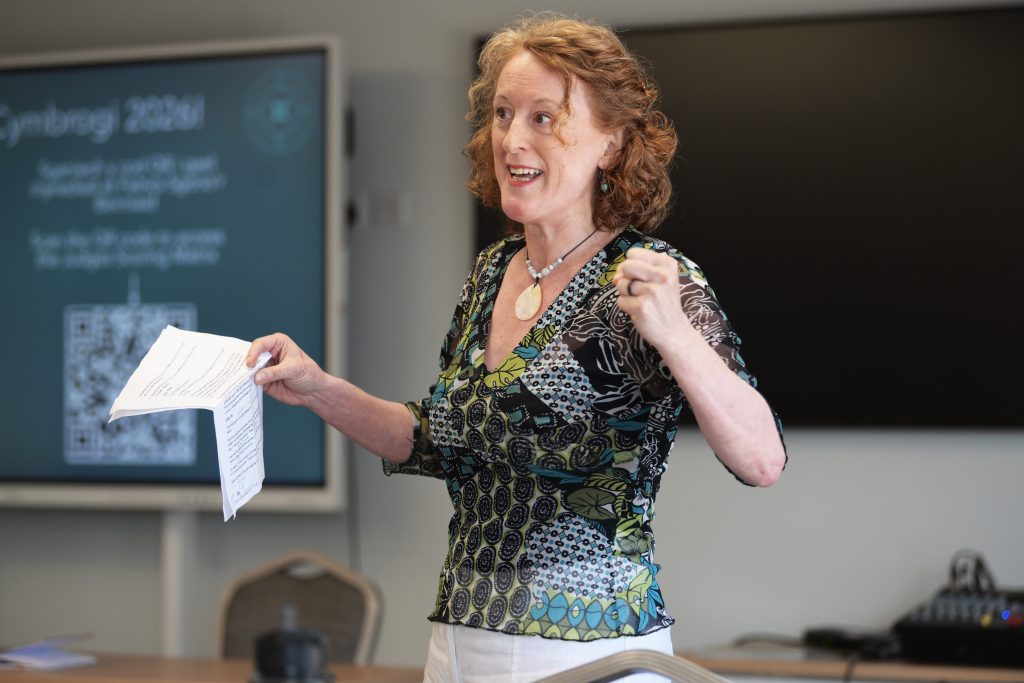
Cymbrogi Futures founder and chief executive Liza Lort-Phillips said Pembrokeshire remained at the heart of the initiative.
She said: “The county has extraordinary young people with bold ideas about the future of their communities.
“Our job is to give them the space, the tools and the confidence to act on those ideas.”



Crime4 hours ago
Murder investigation launched into death of 92-year-old Pembrokeshire man in 1991
A 67-YEAR-OLD man has been arrested on suspicion of murder after new potential evidence emerged in connection with a death...


Community8 hours ago
‘Paying £29 to reach a cashpoint is absurd’: Narberth’s urgent ATM appeal
Residents, businesses and visitors are being urged to provide evidence after two High Street cash machines were removed, leaving the...


Crime24 hours ago
Haverfordwest man jailed for seven years for historic rape and sexual assault of girl
A HAVERFORDWEST man has been jailed for seven years after being convicted of raping and indecently assaulting a girl during...


News1 day ago
Burnham more willing to listen on Welsh devolution, says First Minister
Rhun ap Iorwerth says he will press the new Prime Minister for powers over policing, railways and Wales’ natural resources...


Crime1 day ago
Women jailed after man chased through Milford home and attacked with knives
Kelly Rees receives further 27-month sentence while already serving prison term for notorious taxi robbery TWO women have been jailed...


Crime1 day ago
Mother headbutted and clawed police officers after threatening social worker
Court shown body-worn footage of violent confrontation at Goodwick property A COURT has been shown police body-worn footage capturing the...


Crime2 days ago
Man, 37, found dead following major police response in Pembroke Dock
Death not being treated as suspicious as police make statutory referral to IOPC following active investigation A 37-YEAR-OLD man has...

Community2 days ago
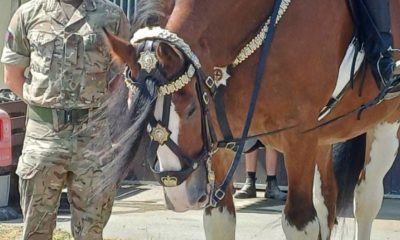
Household Cavalry drum horse returns home to Pembrokeshire for final farewell
Dyfed Willa Rose, who became Major Juno and the first mare to serve as a Household Cavalry Drum Horse, was...


News3 days ago
Jo Stevens out as Welsh Secretary as Burnham reshapes government
Cardiff East MP repeatedly visited Pembrokeshire to champion clean energy jobs, but her successor inherits unresolved questions over Milford Haven’s...


Crime3 days ago
Teen cleared of attempted murder but guilty of GBH after Milford teacher stabbed
Jury returns 11-1 majority verdict on charge of causing grievous bodily harm with intent, with sentencing set for September 3...
-

 Crime1 day ago
Drunken rail passenger tried to headbutt police after being refused travel
-
Crime1 day ago
Women jailed after man chased through Milford home and attacked with knives
-
News1 day ago
Burnham more willing to listen on Welsh devolution, says First Minister
-
Crime24 hours ago
Haverfordwest man jailed for seven years for historic rape and sexual assault of girl
-
Crime1 day ago
Mother headbutted and clawed police officers after threatening social worker
-

 Local Government2 days ago
Consultation over electoral changes to eight Pembrokeshire community councils
-

 Community2 days ago
Senior councillors to consider call for ‘impartial investigation’ into Manorbier school closure
-

 Community1 day ago
£447,000 investment to train next generation of planners in Wales