


News
Local AM ‘wears it pink’ for breast cancer


LOCAL AM Paul Davies has dressed in pink to lend his support to Breast Cancer Now’s flagship fundraiser, wear it pink, which will see thousands of people across the UK adding a splash of pink to their outfits on Friday, October 20 to raise vital funds for breast cancer research.
The event, which takes place during October’s Breast Cancer Awareness Month, is in its 16th year and has raised over £30 million to date for Breast Cancer Now’s life-saving research.
Mr Davies joined by fellow assembly members in Cardiff recently to show his support for the thousands of women and men affected by breast cancer each year and encourage people across Pembrokeshire to take part on wear it pink day.
Mr Davies said: “I’m delighted to support the Breast Cancer Now ‘Wear it Pink’ campaign and help raise awareness locally. Breast cancer is the most common cancer in the UK and we know that around 2,600 women in Wales are diagnosed and sadly 600 women lose their lives to the disease.
“Therefore, I sincerely hope that everyone across Pembrokeshire decided to take part in wear it pink on Friday 20th October. Wear it Pink is such a fun and easy way to support Breast Cancer Now’s vital research, and help stop breast cancer taking the lives of those we love – you can organise an event, bake a cake or even just dress in pink – the money you raise really can help save lives.”

Also in attendance was Welsh rock couple Mike and Jules Peters. Jules, who was diagnosed with breast cancer in July 2016, is lending her support to wear it pink in the hope that thousands of people across the country will take part in the event.
Jules Peters, of The Alarm, said: “Wear it pink is a fun way to raise money for an important cause which is so close to my heart. I’ve recently finished my breast cancer treatment, and now I want to raise funds for research so that we can one day put a stop to this dreadful disease.
“Wear it pink has so far raised an astonishing £30 million for Breast Cancer Now’s vital research. Having been through breast cancer myself, I am passionate about making sure that women like me are diagnosed quickly, receive the best possible treatment, and ultimately come out the other side. That’s why I’m asking people across Wales to join me by dressing up in pink on wear it pink day and donating to Breast Cancer Now’s research. I hope lots of people across Wales take part!”
Baroness Delyth Morgan, Chief Executive at Breast Cancer Now, said: “It is fantastic that so many AMs dressed up in pink at our wear it pink event and we are really grateful for all of the support and enthusiasm shown. We hope that by wearing pink, Paul will encourage his constituents in Pembrokeshire to get involved in their local community and help Breast Cancer Now fund life-saving research this Breast Cancer Awareness Month.
“Wear it pink is a wonderful opportunity for communities across the UK to come together and have fun, whilst showing their support for everyone affected by breast cancer. Simply by wearing something pink and donating, you’re raising funds for life-saving research and helping Breast Cancer Now reach our goal that, by 2050, everyone who develops breast cancer will live.”


A 24-YEAR-OLD man has been charged following a single-vehicle collision on the A44 near Capel Bangor, Aberystwyth.
Dyfed-Powys Police said the incident happened on Tuesday, June 30.
Owen Rhys-Jones, of Dol-y-Bont, Aberystwyth, has been charged with attempted murder, dangerous driving, and controlling and coercive behaviour.
He has been remanded in custody and is due to appear before court.
Police are continuing to appeal for witnesses and are asking anyone who was in the Capel Bangor area at around 8.50pm on Tuesday, June 30, to come forward.
Officers are particularly keen to hear from anyone who witnessed a disturbance in or around Capel Bangor, or who may have phone, video or dashcam footage of the incident.
Anyone with information can contact Dyfed-Powys Police through the force’s dedicated online portal.
The force said: “We would like to thank the local community for their support while officers have carried out extensive enquiries, and to those who have supported our investigation so far.”

A SECTION of the A40 in Carmarthenshire has been closed in both directions following a collision.
The road is currently shut between Llandeilo and Nantgaredig, with traffic queuing in the area and emergency services attending.
Drivers are being urged to avoid the route where possible, allow extra time for their journeys and follow the diversions in place.
The closure is affecting traffic on the A40 between Carmarthen and Llandeilo, including the area around Pentrefelin and the Castle Dryslwyn turn-off.
This is a developing incident and further updates will be provided as more information becomes available.

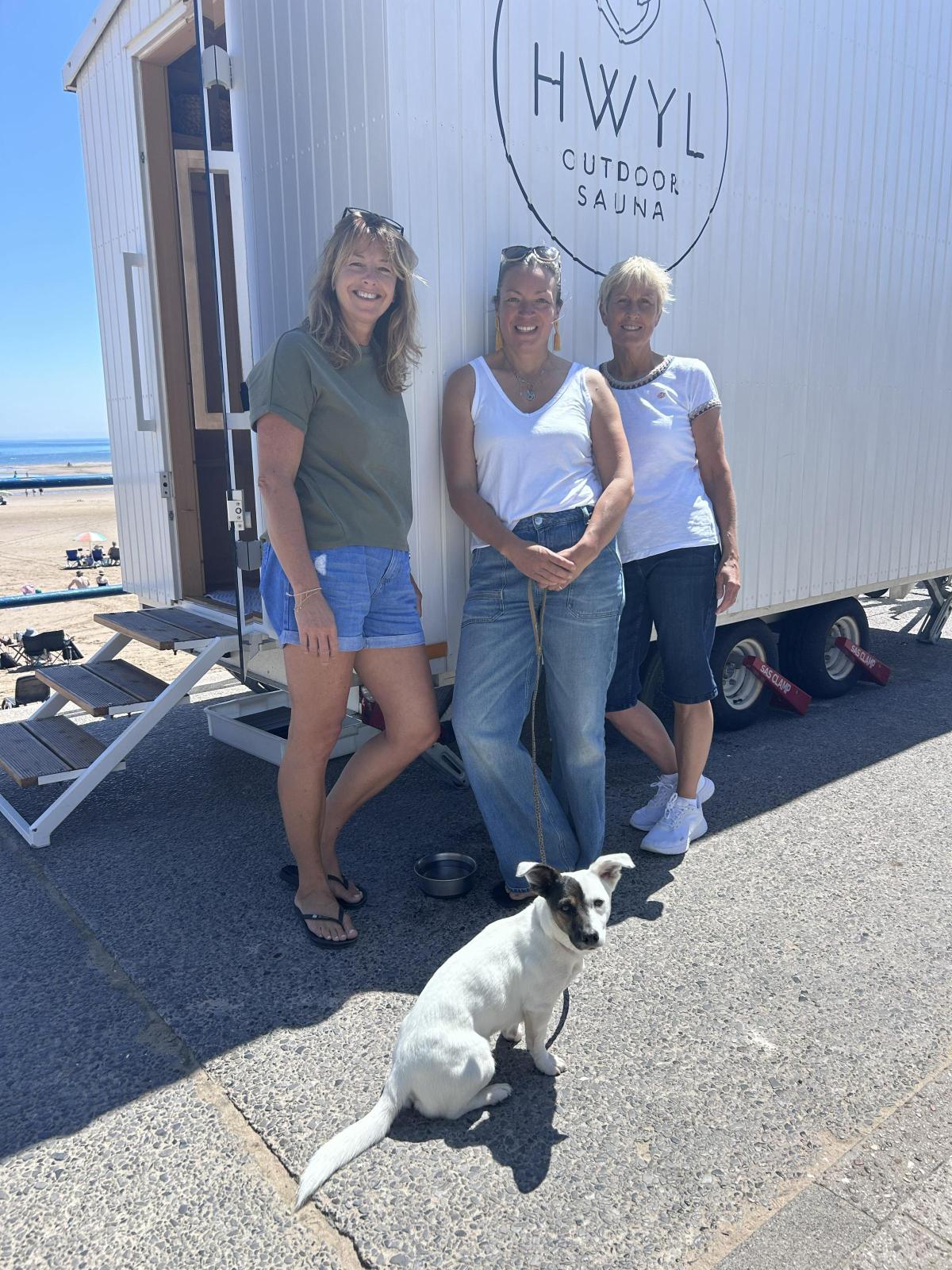
PLANS to allow an award-winning outdoor sauna to remain permanently at Saundersfoot Harbour have been recommended for refusal by Pembrokeshire Coast National Park planners.
Hwyl Outdoor Sauna, run by Kerry Evans, was granted temporary two-year permission in June 2024 for a mobile wood-fired sauna at the harbour.
The business has since become a popular feature with residents, visitors and cold-water swimmers, and was named Sauna of the Year 2026/27 at the Wales Prestige Awards earlier this year.
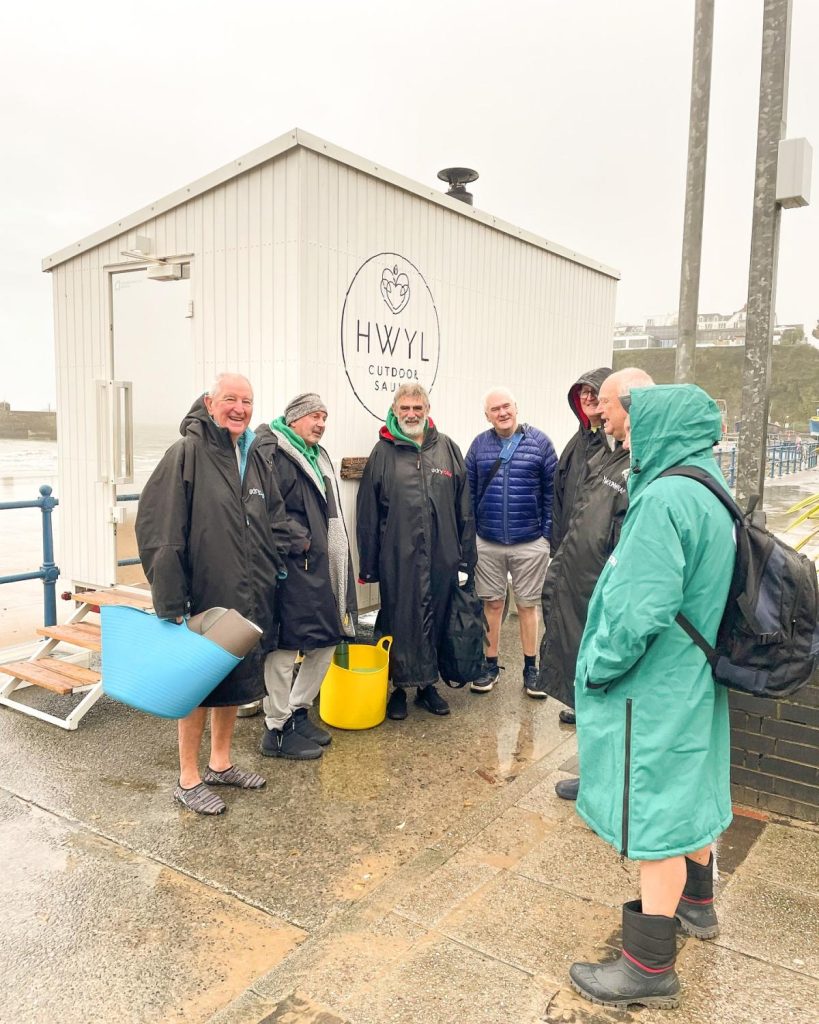

Ms Evans has now applied to make the siting permanent, but officers are recommending refusal when the application goes before the National Park Authority’s development management committee on Tuesday, July 15.
A supporting statement submitted with the application said the sauna had “become a popular and valued amenity for both residents and visitors, offering a space focused on health, wellbeing and community connection”.
It added: “The overall sentiment within the village has been strongly supportive, with many residents recognising the sauna as a valuable asset that enhances the amenities in Saundersfoot.
“Hwyl Outdoor Sauna has received positive attention in regional and national press, helping to promote Saundersfoot as a destination for coastal wellbeing and outdoor experiences.
“Media coverage has highlighted the sauna as an example of the increasing popularity of sea swimming and sauna culture around the UK coastline.”
Saundersfoot Community Council has raised no objection to the application, and most of the 19 letters submitted by members of the public support the proposal.
Supporters have described the sauna as “a major asset to the village,” “a wellness landmark for Saundersfoot,” and “a unique offering that attracts visitors to the beach and harbour”.
However, some objectors have said that while they support permanent consent in principle, they do not believe the sauna should remain in its current position because it “obstructs the view of the beach from the promenade”.
In their report to committee members, National Park officers say the proposal, in its current form and location, would harm the setting of the Saundersfoot Conservation Area.

The report states: “The application, in its current form and with the proposed location of the sauna, is considered to result in a landscape impact that harms the setting of the Saundersfoot Conservation Area.
“The sauna is also located in a position which reduces public access along the existing promenade route, which is considered to prevent appropriate access from being achieved.
“In addition, since the temporary permission was granted, planning advice has been updated and there is now a requirement for a Flood Consequences Assessment in this location. The lack of a suitable Flood Consequences Assessment results in insufficient information to support the current application.”
Officers also note that the latest application includes additional development, including a booking office which has already been installed, meaning the overall scale of the proposal is greater than the scheme approved on a temporary basis in 2024.
The report adds: “Following consideration of the implementation of the temporary permission and given the greater extent of the current proposal, it is considered that the visual impact of the sauna and related booking office has now increased and could be reduced by locating the sauna further back in the car park.
“This would also have the benefit of the sauna not requiring relocation during severe weather and increased flood risk.”
The application is recommended for refusal on the grounds of visual impact, impact on the conservation area, reduced public access along the promenade, and the absence of a suitable Flood Consequences Assessment.
Committee members will make the final decision at the July 15 meeting.



News3 hours ago
A40 closed near Llandeilo following collision
A SECTION of the A40 in Carmarthenshire has been closed in both directions following a collision. The road is currently...

Local Government3 hours ago
Award-winning Saundersfoot sauna faces refusal over location concerns
PLANS to allow an award-winning outdoor sauna to remain permanently at Saundersfoot Harbour have been recommended for refusal by Pembrokeshire...


Health6 hours ago
NHS at 78: A moment to give back to the service Wales helped create
As the health service marks its 78th birthday, people in Pembrokeshire are being urged to support local NHS charities helping...


Community21 hours ago
Saundersfoot Harbour regeneration project wins national planning award
SAUNDERSFOOT HARBOUR’S redevelopment has been named Best Project at the RTPI Cymru Awards for Planning Excellence 2026. The award recognises...


Business1 day ago
Pembrokeshire-based Ascona Group expands UK portfolio with Truckhaven acquisition
PEMBROKESHIRE-BASED Ascona Group has completed the acquisition of Truckhaven (Carnforth) Ltd, a major trunk road services area in Lancashire. The...


Health2 days ago
Wales begins early NHS winter planning after long waits and ambulance pressure
Ministers say health boards and councils must act now to ease pressure on hospitals, ambulances and social care before winter...


Crime3 days ago
Judge calls pensioner a ‘dirty old man’ as he avoids jail for exposing himself to women
Judge says 75-year-old Stewart Laugharne behaved ‘disgracefully’ as he avoids jail but is ordered to sign sex offenders register A...
Health3 days ago
Stroke services consultation reaches halfway point as public urged to have say
HYWEL DDA University Health Board is urging people to take part in its consultation on the future of stroke services,...


Business3 days ago
Welsh firms eye share of £5bn defence drone boom
WELSH defence and aerospace firms could be in line for a share of billions of pounds in new military spending...


Community5 days ago
Thousands line Cardigan streets for Lord Rhys homecoming parade
THOUSANDS of people lined the streets and quayside in Cardigan on Saturday as the town marked 850 years since Lord...
-

 Crime6 days ago
Dyfed-Powys Police rated only ‘Adequate’ in organised crime inspection
-

 News4 days ago
Biker dies and woman seriously injured in Black Mountain crash
-

 Crime6 days ago
Swansea man jailed for 16 years after attacking vulnerable woman
-
Community5 days ago
Thousands line Cardigan streets for Lord Rhys homecoming parade
-

 Community5 days ago
Civic service brings Pembrokeshire towns together in Haverfordwest
-

 Crime3 days ago
Estate agent banned after drug-drive crash in Milford Haven
-

 Local History7 days ago
Pembrokeshire man rode into history with Custer’s Last Stand
-

 Local Government4 days ago
Flood defence scheme moves closer as community invited to view plans