


Farming
Government bill fails to reassure


OVER sixty groups, including the NFU, RSPCA and Soil Association, have sent a joint letter to the prime minister calling for UK food standards to be protected after Brexit.
The letter was sent to coincide with the passage of Withdrawal Agreement Bill, which has now had Royal Assent.
The groups agree that Brexit provides an opportunity to foster a sustainable, carbon-neutral model of farming in the UK building on high quality, safe and affordable food.
But they say the government must include its manifesto commitment to protecting animal welfare and food standards when trade negotiations commence.
Speaking to the Oxford Farming Conference earlier this month, DEFRA Secretary Theresa Villiers said: “Our strong British brand is built on high standards to which we hold ourselves.
“The high standards of British farming are the backbone of our biggest manufacturing sector of food and drink.
“We will not dilute our strong environmental protection, we will not dilute our high standards of food safety and animal welfare,” said Ms Villiers.

The UK Government’s ‘commitment’ on those issues appears nowhere in the UK Agriculture Bill proposed by Westminster and it rejected calls to incorporate regulations regarding food safety and standards within it.
A poll of delegates at the same Conference revealed no confidence that the UK Government would stick to its commitments on food safety and animal welfare.
The previous DEFRA Secretary, Michael Gove, promised a trade and standards commission should be created to oversee future trade talks. The UK Government has now ditched the idea altogether, leading to fears the UK Government is willing to sacrifice the UK’s farmers to get a trade deal – any trade deal.
Boris Johnson pledged in the past “not to in any way prejudice or jeopardise our standards of animal welfare or food hygiene”, and the Secretary of State for Defra recently promised to “defend our national interests and our values, including our high standards of animal welfare.”

The Conservative Party’s manifesto also committed that “in all of our trade negotiations, we will not compromise on our high environmental protection, animal welfare and food standards.”
But the joint letter states that there will be ‘intense pressure’ on British negotiators to make ‘significant concessions’.
“It is vital that we have more than just verbal assurances to ensure our standards are properly safeguarded,” it says.
“In light of this, we urge you to take some specific actions we believe will enable you to ensure that the UK government can achieve its commitment to safeguarding the standar
ds of UK production, now and in the future.”

The groups add that Brexit means the UK can pioneer a new type of global trading system; one that moves away from the ‘narrow and dated focus on ever-cheaper goods’, to one that rises to the challenges of climate change and promotes sustainable models of production and consumption.
The letter concludes: “With the enactment of the European Union (Withdrawal Agreement) Bill and our formal departure from the EU just days away, we believe these measures must be pursued as a priority.
“We believe that with the right policy framework and the establishment of a clear understanding of our shared vision for the future, Brexit can be a catalyst for the UK’s farming not just to be the envy of the world, but to provide a gold-standard model for high standard, high quality, sustainable food production.
“We would welcome the chance for a delegation of the signatories to this letter to meet with you as soon as possible to discuss how we can work in partnership to achieve this vision.”
TFA Chief Executive, George Dunn said “We welcome the Government’s stated objectives to ensure we do not undermine our high food safety, environmental and animal welfare standards in our future trading relationships.
“Those commitments will be mere rhetoric without clear legislation to protect standards at our borders. Within the rules of the WTO, we will not get off first base if we can’t point to firm legislation which supports our standards.”
Together with a strong statute, Mr Dunn says the Government must also be smart in how it will use its newfound powers to set tariffs on imports.
“Producing to higher standards at home in comparison to some of the methods of production used abroad, inevitably, leads to higher costs. We must not undermine UK producers by allowing tariff-free or low tariff access to the UK market for food and food ingredients produced to standards which would be illegal domestically.
“While the Government is mindful not to add to costs for consumers, it is also in consumers’ long-term interest to ensure the production systems are operating to good standards. Smart use of our tariff arrangements will be a key part of our armoury,” said Mr Dunn


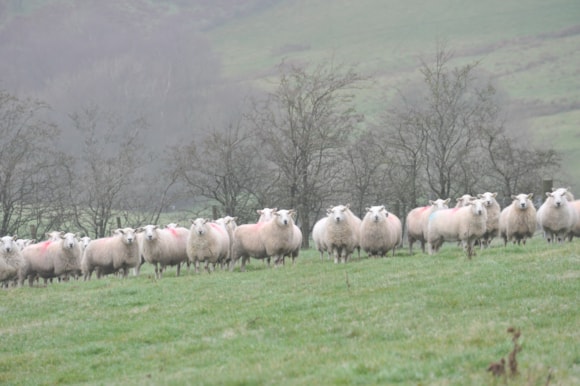
A WELSH college farm is successfully lambing triplet-bearing ewes outdoors on exposed hill ground after introducing genetic performance recording to strengthen maternal traits and flock resilience.
At Coleg Cambria Llysfasi, near Ruthin, a flock of 120 pure Welsh Mountain ewes grazes land rising between 1,000 and 1,300 feet above sea level, where winter conditions can be harsh and only the hardiest sheep thrive.
Since joining the Farming Connect Welsh Sheep Genetics Programme in 2023, the farm has used Estimated Breeding Values (EBVs) to target improvements in maternal ability, growth rates and overall performance. Although genetic gains are often gradual, staff say results are already clear just three years into the scheme.
Historically, ewes carrying triplets were lambed indoors, adding labour and cost. Now, improved maternal strength means they can lamb outside with minimal intervention.
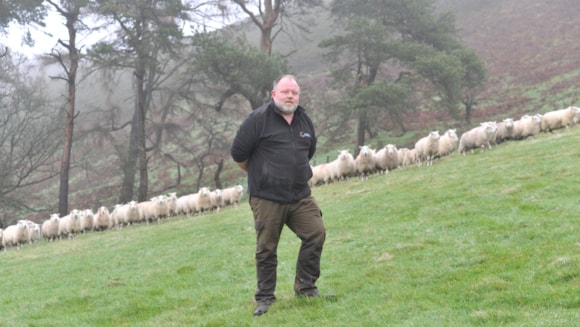
“The ewes are holding their body condition better, we haven’t had any problems lambing them outdoors and they keep their lambs very well,” said shepherd Alun Jones. “We’re seeing fewer losses and far less hands-on work. In the 2025 season we only assisted two ewes out of 120.”
The wider system runs 600 ewes, including Welsh Mountains crossed with Abertex to produce mule ewe lambs, and mules crossed with Beltex or Texel rams for finishing lamb production. Plans to phase out the Welsh Mountain breed were reversed after recognising its value for hardiness and mothering ability in upland conditions.
Performance recording began in autumn 2023 with tissue samples, body condition scoring and regular weighing to create a reliable data baseline.
“Before, we were judging by eye,” said Mr Jones. “Now we’ve got hard evidence to guide decisions.”
By identifying and removing the bottom 20 per cent of performers, the flock’s overall index has risen from £13 to £16.24 — a significant lift in commercial potential.

Lambs are currently creep-fed and sold from November to January at 38–42kg liveweight, with a longer-term aim to finish earlier and reduce concentrate use.
Farm manager Dewi Jones said the data has also changed how they buy rams.
“When you’re at a sale and you’ve got the indexes in front of you, you can draw a red line through the animals that don’t stack up. Type still matters, but figures matter just as much. Data gives you confidence in your choices.”

Some home-bred ram lambs are now matching the performance of sale-topping sires, creating opportunities to retain or market their own breeding stock.
Mr Jones believes the sheep sector could benefit from taking a more data-driven approach, similar to dairying.
“If we don’t measure, we can’t improve. Recording takes time, but the rewards are there. It’s about working smarter and building a more resilient flock for the future.”
Shepherd Alun Jones with Welsh Mountain ewes at Llysfasi.
Performance recording and weighing form a key part of the improvement programme.

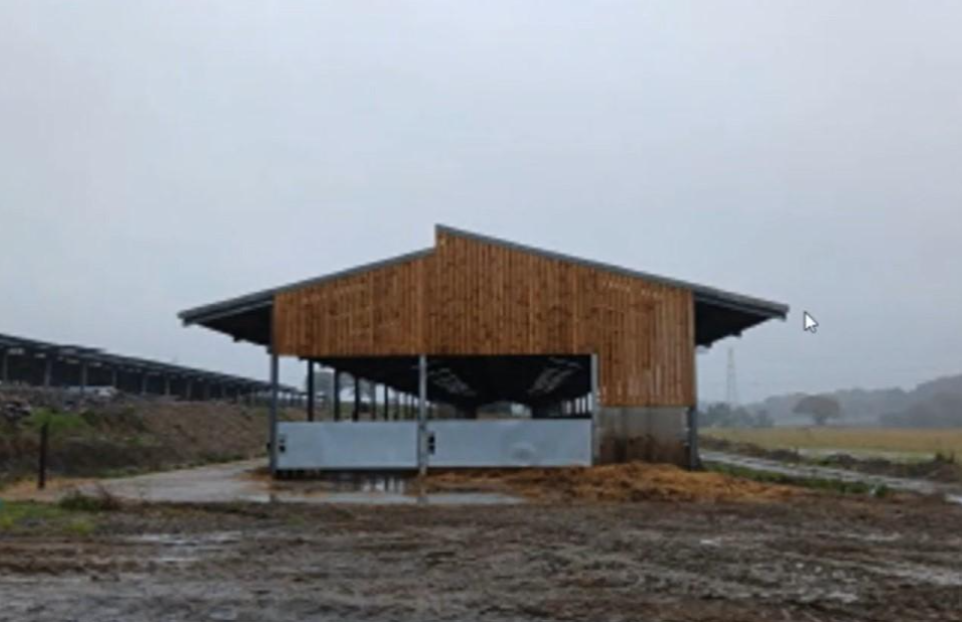
THE FINAL sign-off for plans for a heifer accommodation building and associated works at one of Pembrokeshire’s largest dairy farms, with a milking herd of 2,000 cows, have been given the go-ahead.
In an application backed by councillors at the December meeting of Pembrokeshire County Council’s planning committee, Hugh James of Langdon Mill Farms Ltd sought permission for a 160-metre-long heifer accommodation building, a slurry separation/dewatering building and associated yard areas at 1,215-hectare Langdon Mill Farm, near Jeffreyston, Kilgetty.
A supporting statement through agent Reading Agricultural Consultants said: “The holding currently has a milking herd of approximately 2,000 cows, which are housed indoors for the majority of the year, with dry cows and heifers grazed outdoors when weather and soil conditions permit.
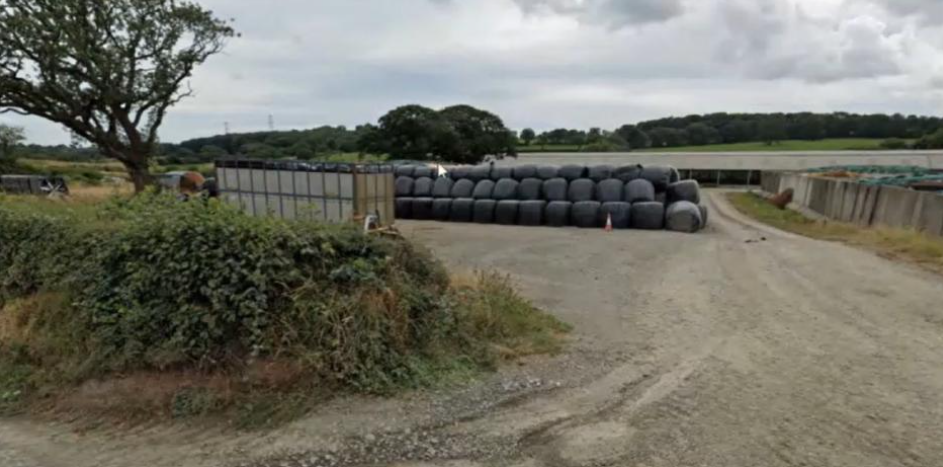
“There has been significant investment in buildings and infrastructure at the farm over the last decade in respect of cattle accommodation, slurry storage, milking facilities, Anaerobic Digestion (AD) plant, feed storage. Recently a calf and weaned calf accommodation buildings were approved by Pembrokeshire County Council with construction almost complete.
“The unit is efficient, achieving yields of more than 10,000 litres/cow/year, with cows being milked three times/day in the 60-point rotary parlour. Langdon Mill Farm currently directly employs 21 full-time, and three part-time staff. Of these, four live on site in the two dwellings opposite the farm, with the remaining staff living in the locality.”
It added: “Although the unit has previously purchased heifers to aid expansion, the farm now breeds most of its own replacements to improve genetics and to minimise the ongoing threat of bovine tuberculosis (bTB).”
It said the proposed building would be used by heifers between the ages of 7-22 months, the siting “directly influenced by the adjacent calf and weaned calf buildings, with livestock being moved from one building to the next as they get older”.
Members unanimously supported the recommendation of approval, giving delegated powers to the interim head of planning to approve the application following the final approval of a habitats regulations assessment.
An officer report published yesterday, February 5, said Natural Resources Wales confirmed it had received the assessment, and, “in consideration of the mitigation measures detailed and on the understanding there is no increase in stock, they agree with the LPA’s conclusion that an adverse effect upon the integrity of the SAC [Special Areas of Conservation] sites can be ruled out”.
Formal delegated approval has now been granted by officers.
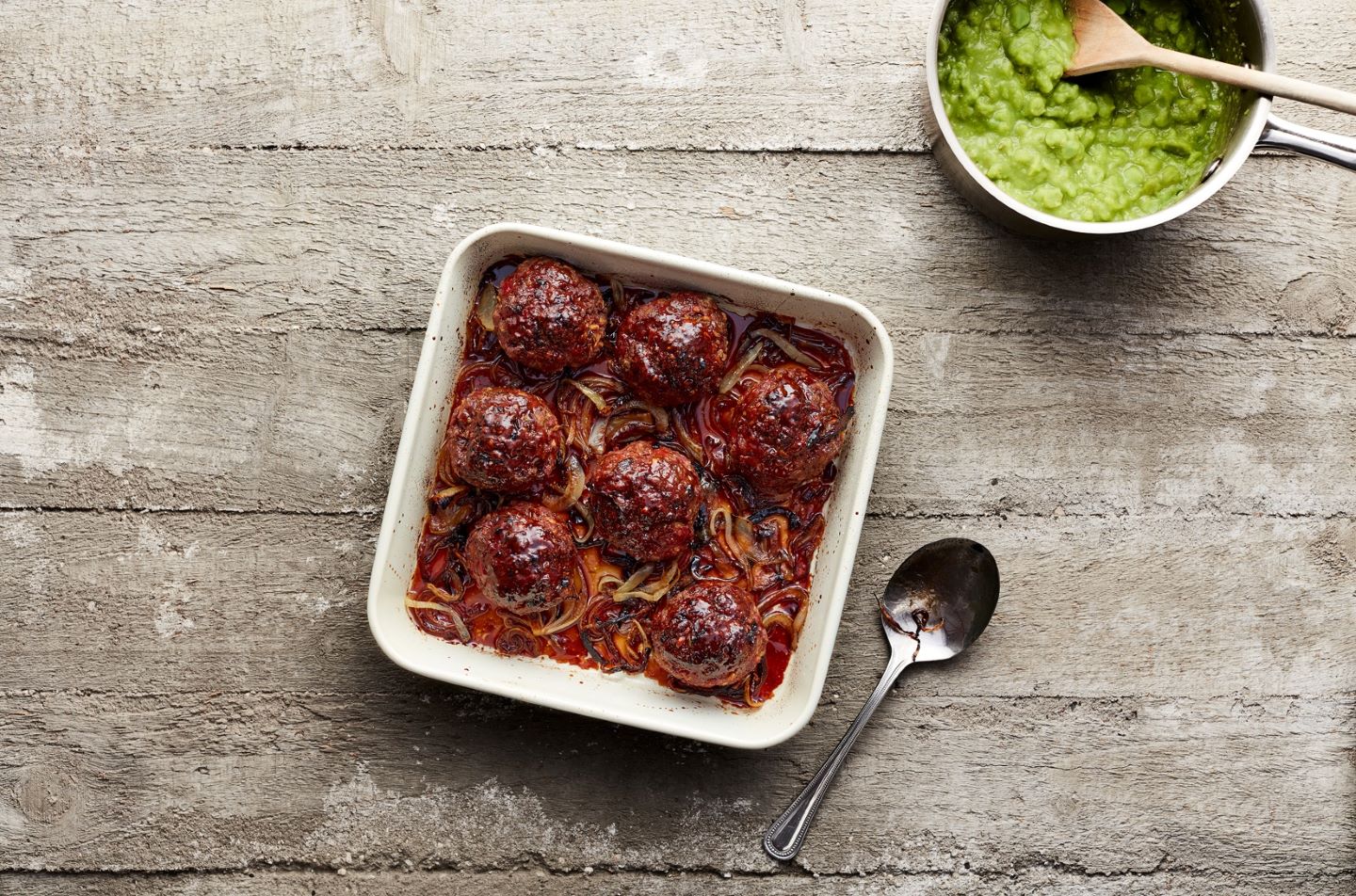
SO-CALLED “forgotten meats” such as liver, heart and kidneys could soon find their way back onto dinner plates, with scientists suggesting they may offer a cheap, sustainable and highly nutritious alternative to modern ultra-processed foods.
Offal was once a staple of everyday diets across the UK, particularly in working-class households, but has steadily fallen out of favour in recent decades despite being rich in iron, protein and essential vitamins.
Now researchers at Aberystwyth University are working with Hybu Cig Cymru (HCC) to understand why demand has dropped and whether these cuts could be repositioned as affordable “superfoods”.
Scientists say that when nutrient-dense parts of the animal go uneaten, valuable food is effectively wasted.
Dr Siân Mackintosh, from the university’s Institute of Biological, Environmental and Rural Sciences (IBERS), said these meats could play an important role in healthier and more sustainable diets.
“Where they are not being used, these nutrient-dense ‘forgotten meats’ represent a significant loss of nutrients from our food chain,” she said. “Incorporating them as part of a balanced diet could support human health while also reducing food waste and improving environmental outcomes.”
Taste tests win over public
To test public attitudes, HCC staff have been running tasting sessions at major agricultural events including the Royal Welsh Show and the Winter Fair in Llanelwedd.
Visitors sampled dishes made with Welsh lamb’s liver, including stroganoff, traditional faggots and pâté. Organisers say many people were surprised by the flavour and keen to learn how to cook them at home.
Dr Eleri Thomas, Future Policy and Project Development Executive at HCC, said interest was stronger than expected.
“We believe there is significant potential for these forgotten meats to be incorporated back into our diets,” she said. “Consumers liked the flavour and wanted recipes and cooking tips, as well as understanding the nutritional value.”
She added that making better use of undervalued cuts could improve sustainability across the meat supply chain while creating new marketing opportunities for Welsh producers.
Part of wider sustainability project
The work forms part of the SMART Nutrient Cymru project, funded through the Welsh Government’s innovation support scheme.
Project lead Dr Christina Marley said the aim is to capture nutrients currently being lost across the agri-food system.
Alongside the collaboration with HCC, the team has also partnered with Dŵr Cymru Welsh Water on land management to protect rivers, and with British Wool to explore new uses for fleece by-products.
IBERS itself is one of eight UK research institutes strategically supported by Biotechnology and Biological Sciences Research Council, providing national expertise in grassland and plant breeding science.
Researchers say that with food prices rising and pressure growing to reduce waste, traditional nose-to-tail eating could offer both economic and environmental benefits.
Image: Welsh lamb faggots (Pic: HCC)



Crime11 hours ago
Pendine man jailed for abducting and drugging teenage girl
Offender had 1,101 unlawful images of children stored on his devices, including 122 Category A images – the most serious...


Crime2 days ago
Publican admits supplying cocaine and cannabis at Crown Court
Admits cocaine and cannabis supply but denies intent and cash allegations A MILFORD HAVEN pub landlord has admitted supplying cocaine...


Local Government2 days ago
Plaid win in Fishguard North East by-election
PLAID CYMRU has taken the Fishguard North East seat on Pembrokeshire County Council following this week’s by-election. Billy Shaw was...

News2 days ago
Man to return to court over alleged harbour collision
Three charges relate to navigation of vessel in Milford Haven A NEWPORT man is due to return to court later...


Business3 days ago
Computer Solutions Wales under fire from customers
Claims of unreturned devices, unpaid refunds and small claims court cases as company blames landlord dispute CUSTOMERS across west Wales...


News3 days ago
Starmer under fire as aides quit and Scottish Labour leader calls on him to resign
Two senior Downing Street exits in 24 hours as Anas Sarwar breaks ranks, but ministers insist the Prime Minister is...


News3 days ago
Fresh concerns over £60m A40 scheme after resurfacing works just months after opening
QUESTIONS are being asked about the condition of the newly-opened A40 Llanddewi Velfrey to Redstone Cross carriageway after sections of...

Charity4 days ago
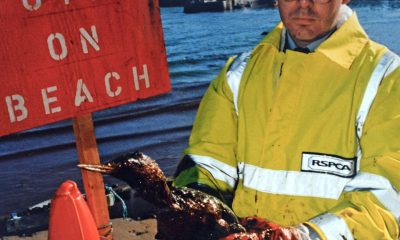
RSPCA looks back at the Sea Empress oil tanker disaster 30 years on
Charity reflects on one of the biggest environmental disasters to hit UK IN just a few days time it will...


Crime5 days ago
Pembroke Dock man admits threatening to hack woman’s head off with sword
Court imposes strict bail conditions and bans contact with named individuals ahead of sentencing A PEMBROKE DOCK man has admitted...


Crime5 days ago
Teenager remanded after teacher injured in knife incident at Milford Haven school
Fifteen-year-old charged with Section 18 grievous bodily harm and possession of a bladed article appears before Swansea magistrates A FIFTEEN-YEAR-OLD...
-

 Health1 day ago
Health Board to decide future of nine key services at two-day meeting
-
Business3 days ago
Computer Solutions Wales under fire from customers
-

 Business6 days ago
Six-figure negligence victory leaves retired builder trapped in divorce limbo
-

 Business5 days ago
Minimum alcohol price to rise by 30 per cent as retailers warn of border impact
-

 Education6 days ago
Second west Wales school placed in lockdown within days
-

 Charity3 days ago
Welsh patient voices help shape new UK-wide online kidney forum
-

 Community2 days ago
Facebook ‘news’ site targeting Herald editor collapses after community backlash
-

 Comment7 days ago
Opinion: How Milford Haven school reached this point