



News
NHS increasing its focus on quality and safety

THE NHS is taking significant steps towards ensuring better quality of care and improved measures of safety – that was the main message from NHS Wales Chief Executive David Sissling as he published his second annual report.
Achievements during 2012/13 include:
publication of new data on hospital mortality and hospital infection rates, helping to provide more transparent information to the public and drive up standards across the NHS;
all seven Welsh Local Health Boards and three Trusts now publishing Annual Quality Statements to report to the public on progress with the quality and standard of the services they provide;
a new dedicated website for patient safety providing information on how well each NHS Wales organisation is doing with implementing over 70 measures (safety solutions) designed to improve safety and quality of care; current data shows the NHS is doing well with 100 per cent compliance in many areas;
continuation of the 1000 Lives Plus quality programme, including introduction of a new system to alert staff if a patient’s health is deteriorating and prevent deaths from sepsis;
continued progress in reducing healthcare associated infections over the last year, including a 10 per cent reduction in C.difficile infections and19 per cent in MRSA infections;
continued improvements in reducing admissions related to coronary heart disease (-5.5 per cent), and diabetes (-3.5 per cent);
high satisfaction levels with NHS services – 84 per cent satisfaction with treatment in A&E departments and 92 per cent satisfaction with care by a GP
the fastest rate of improvement since 1993 across the UK for cancer survival rates; and
delivering financial balance.
In his second annual report, David Sissling described the year as being “defined by three issues”.
He said: “Firstly, our response here in Wales to the Francis report has meant an assessment of the safety and quality of our services and the introduction of measures in response.
“NHS Wales is the envy of much of the UK in terms of its focus on quality and safety. We are introducing more mechanisms to detect risks or problems before they occur, publishing more performance data to be more transparent to patients and drive improvement across the service, and also continuing to pioneer innovative programmes on raising quality of care.
“Secondly, throughout Wales our Health Boards have gone to public consultation regarding proposed changes in service delivery models. Some of the proposals represent a significant adjustment to much cherished local services, and that is why an effective and thorough process of engagement with our staff and the public has been so important. But one thing is clear and that is that changes have to be made to ensure our services are sustainable and able to respond to the many challenges faced by healthcare across Wales.
“Finally, the pressures experienced by the NHS in Wales during the winter period saw an unprecedented demand on our urgent and emergency care services and meant the re-direction of resources towards the increased demand. This in turn, of course, led to pressures on other parts of the service. We have been able to learn from these experiences and we are now planning for the rest of 2013 and the next three years.
“Reducing emergency and general hospital admissions is therefore a priority. The number of emergency and general admissions and readmissions has an effect on a hospital’s ability to deliver its non-urgent surgery, as resources are taken up in caring for the unplanned admissions. The trend during the previous years continued with fewer admissions related to coronary heart disease and diabetes, and fewer readmissions related to both coronary heart disease and chronic obstructive pulmonary disease.”
David Sissling added: “This has been a challenging year indeed, but I must pay tribute to all the hard work of NHS staff in the face of all that they have been required to do. Their dedication and commitment is exceptional and I am grateful to them and to the many volunteers whose invaluable contributions are often unseen.
“I want the NHS in Wales to be on an upward curve in terms of continual improvement in the services it delivers. There will be more challenges to come but if we continue to put our aim for first class patient care at the centre of our day-to-day plans, side by side with the committed and dedicated NHS workforce that we have in place, then we will get ever closer to the type of healthcare that we would all wish to see and experience here in Wales.”

Welfare groups celebrate historic decision as pressure mounts for UK-wide ban
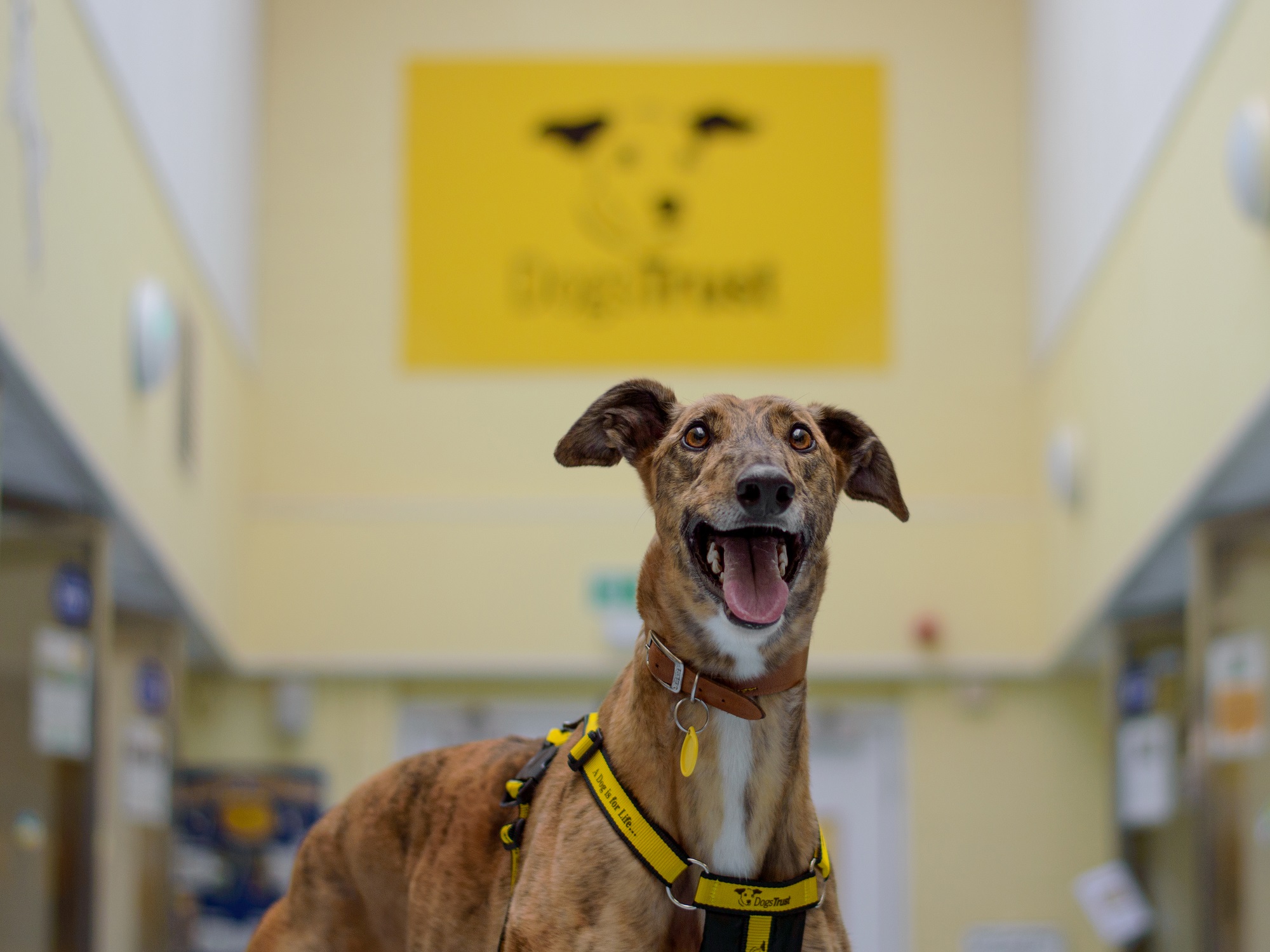
ANIMAL welfare charities have welcomed the Senedd’s decision to ban greyhound racing in Wales, describing the move as a “landmark moment” that will prevent the “needless suffering” of thousands of dogs.
The vote, passed on Tuesday (Mar 17), will see greyhound racing outlawed in Wales following a transition period, making it the first UK nation to take such action.
A coalition of leading charities, including Dogs Trust, Blue Cross, RSPCA Cymru, Hope Rescue, and Greyhound Rescue Wales, said the decision marked a major victory for animal welfare.
The group, known as the Cut the Chase coalition, has campaigned for years to end greyhound racing, citing concerns over injuries, deaths, and poor living conditions for dogs involved in the sport.
Owen Sharp, Chief Executive of Dogs Trust, said: “Today’s vote in Wales is a landmark moment for dog welfare and a huge step towards ending the needless suffering of greyhounds.”

“For too long, dogs have paid the price for this outdated form of entertainment, with injuries and deaths that are entirely preventable.”
Figures cited by campaigners suggest that since 2017, more than 4,000 greyhounds across the UK have died or been put to sleep due to racing, while over 35,000 injuries have been recorded.
Charities argue that racing greyhounds around oval tracks places significant strain on their bodies, often leading to serious or fatal injuries. Concerns have also been raised about conditions away from the track, including kennelling, transport, and long-term welfare.
Chris Burghes, Chief Executive of Blue Cross, said the legislation would finally bring an end to what he described as a “cruel so-called sport”.

He added: “The death of just one racing dog is one too many. We are ready to support the rehoming of retired greyhounds and ensure they receive the care they need.”
Hope Rescue, which led a public petition attracting more than 35,000 signatures, said the decision reflected strong public support for a ban.
Its Chief Executive, Vanessa Waddon, said: “We are proud that our campaign has helped secure this historic win. Wales has put animal welfare first.”

Greyhound Rescue Wales described the decision as “transformative”, with Chief Executive Claire James saying it would end a practice that had persisted despite years of campaigning for reform.
The RSPCA also welcomed the vote, with Chief Executive Jo Rowland stating that the level of injury and death linked to racing was “simply unacceptable”.
Attention will now turn to Scotland, where a similar vote is expected on Wednesday (Mar 18). Campaigners are also urging the UK Government to introduce a ban in England and Northern Ireland.
Charities say Wales’ decision could set a precedent for the rest of the UK, as pressure grows to phase out greyhound racing nationwide.
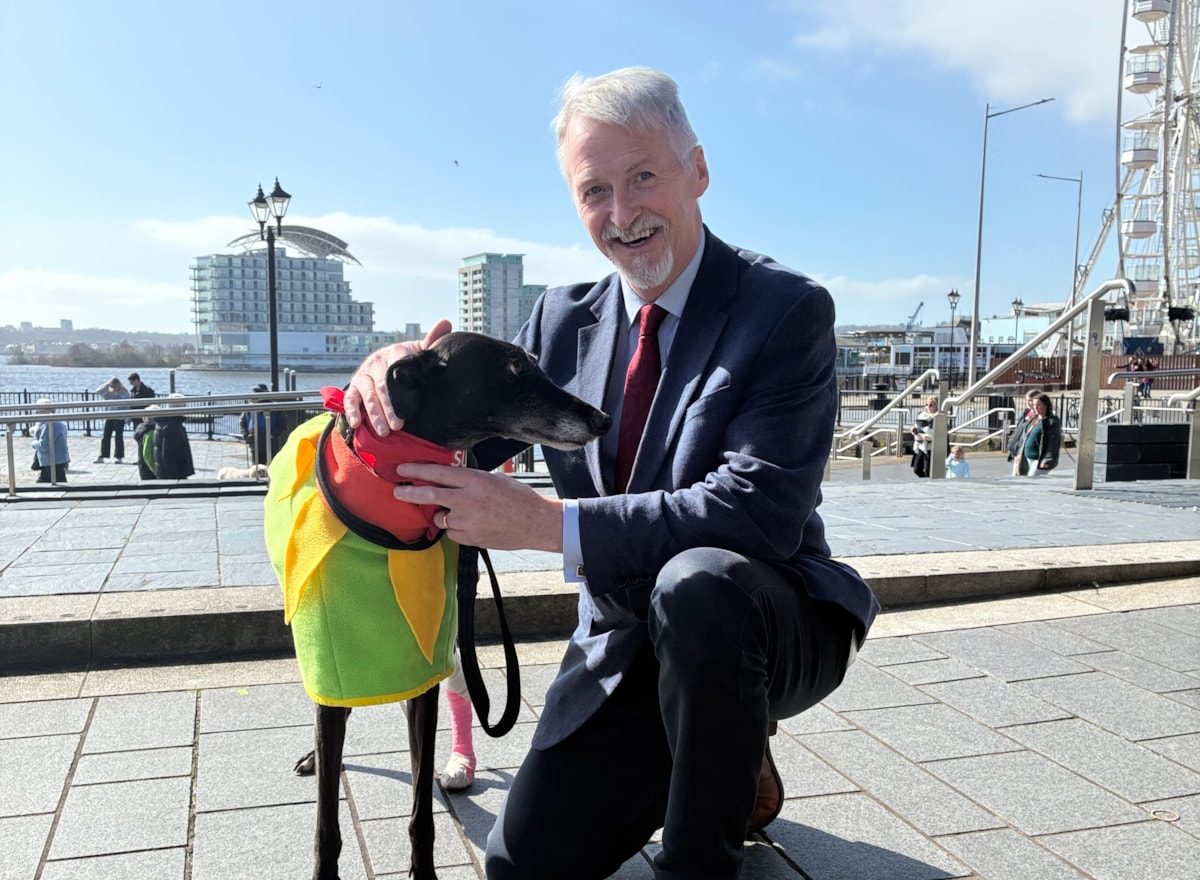
GREYHOUND racing will be banned in Wales after Senedd Members voted in favour of new legislation aimed at protecting the welfare of racing dogs.
The Bill introduces a phased transition period to allow the industry to wind down responsibly, strengthen rehoming arrangements for retired greyhounds, and give enforcement bodies and local authorities time to prepare for the change. The ban is expected to come into force between April 1, 2027 and April 1, 2030.
The legislation reflects a clear policy decision that the risks associated with greyhound racing – including injuries, fatalities and poor outcomes for dogs after their racing careers end – can no longer be justified. Despite efforts by parts of the industry to improve standards, harm to greyhounds has remained a persistent concern.
Huw Irranca-Davies, Deputy First Minister with responsibility for Climate Change and Rural Affairs, said: “Wales is a progressive nation, committed to ethical standards and forward-thinking legislation. This Bill strengthens our reputation as a leader on animal welfare and delivers the standards that the people of Wales rightly expect.”
The move follows significant public engagement, with thousands of people, campaigners and organisations contributing through petitions, consultations and personal testimony. Their input has played a central role in shaping the legislation.
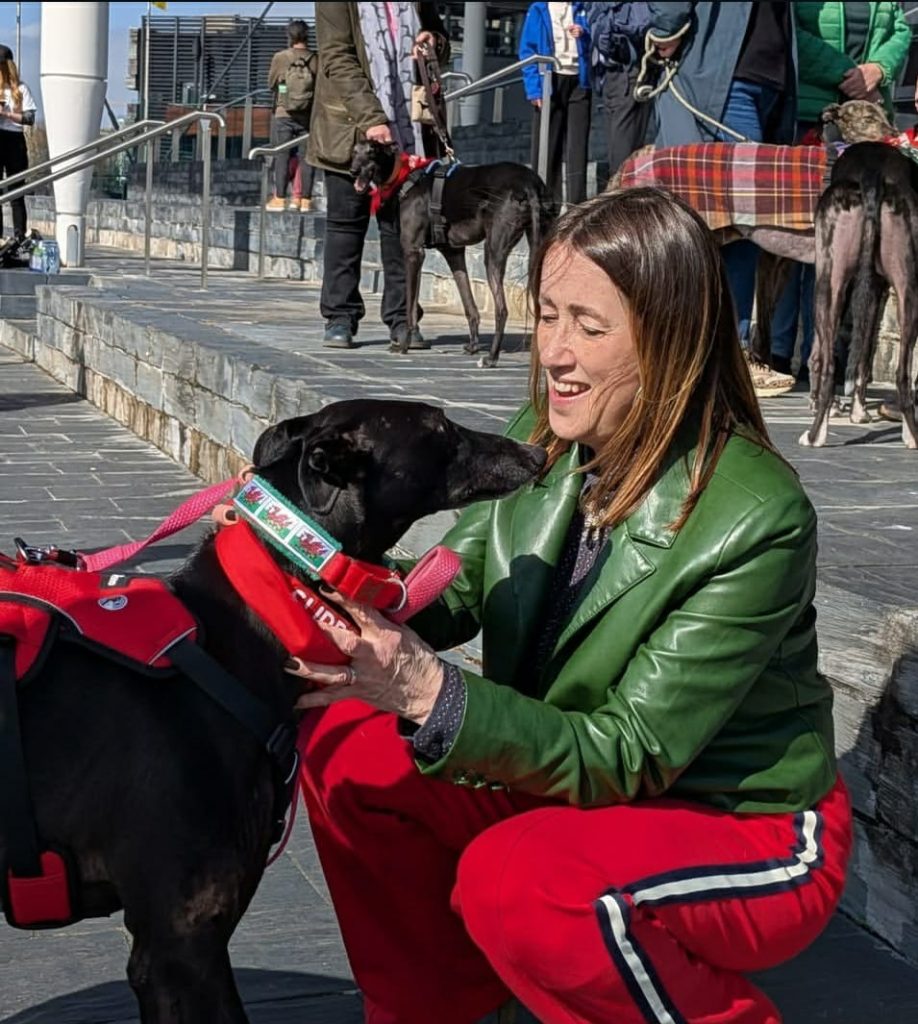
Commenting on the news that the greyhound racing ban has been passed by the Senedd, Welsh Liberal Democrat Leader Jane Dodds MS, who has spearheaded the campaign, said “This is a massive victory for animal welfare, and I’m proud that the Welsh Liberal Democrats have helped deliver it.
“Today, Wales has made a clear statement about the kind of nation we want to be: compassionate, forward-looking, and willing to act when the evidence demands it.”
Projects to protect wildlife, restore habitats and strengthen biodiversity
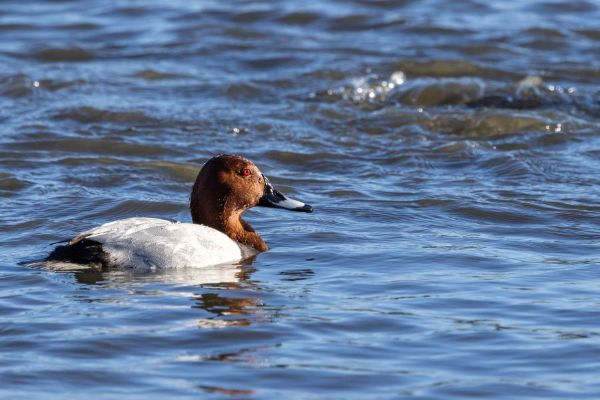
TWENTY-EIGHT projects across Wales have secured more than £15 million to protect wildlife and restore biodiversity on land and at sea.
The funding, totalling £15,186,716, has been awarded through the Nature Networks Fund, with individual grants ranging from £50,000 to £1 million. Projects include efforts to protect the brown long-eared bat, restore vital wetland habitats and safeguard threatened plant species.
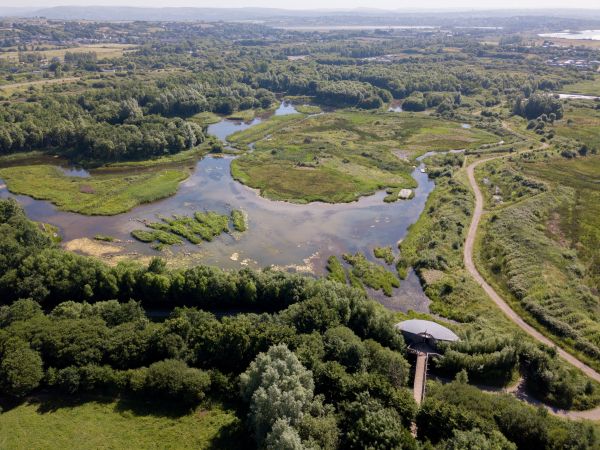
The scheme is delivered by the Heritage Fund on behalf of the Welsh Government, in partnership with Natural Resources Wales (NRW). It aims to strengthen the resilience of protected sites and accelerate nature recovery across the country.
Deputy First Minister Huw Irranca-Davies, who holds responsibility for climate change, said: “This significant investment demonstrates our ongoing commitment to international targets such as 30by30, increasing the scale and pace of delivery to protect Wales’s natural heritage.
“By supporting these projects, we are not only preserving precious ecosystems but also empowering communities to become stewards of their local environments. The Nature Networks Fund is a crucial tool in our response to the nature emergency.”

The latest round of funding will focus on improving connectivity between protected sites, creating stronger ecological networks where habitats and species can thrive and adapt to environmental pressures.
Since launching in 2021, the Nature Networks Fund has supported 147 projects with a combined investment of more than £54 million.
Among the successful projects, the Bat Conservation Trust has been awarded £249,630 for a Wales-wide initiative to protect the brown long-eared bat, often known as the “whispering bat”. The project will support woodland management, tree roost surveys, improved data collection and community engagement activities.
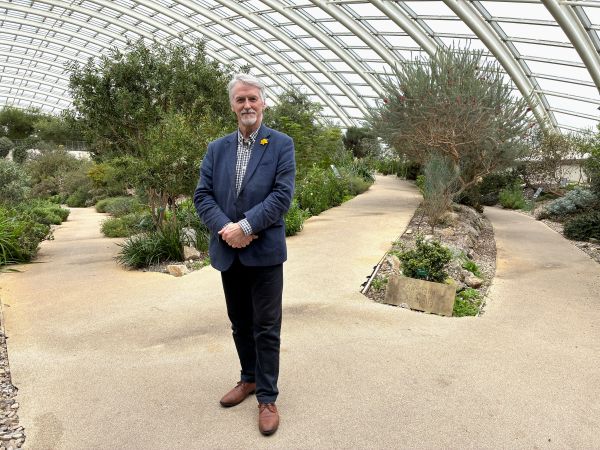
The National Botanic Garden of Wales has secured £823,320 to safeguard vulnerable plant species. The funding will expand the National Seed Bank of Wales, which currently conserves just 11% of Welsh flora, and support improvements at the 150-hectare Waun Las National Nature Reserve.
Meanwhile, wetland charity WWT will receive £548,406 to restore habitats at WWT Llanelli and along the Tir Morfa coastline. The project aims to improve conditions for wildlife, including internationally important wintering birds, while also supporting climate resilience in the wider Burry Inlet.
Andrew White, Director of Wales at the Heritage Fund, said: “To protect Wales’ habitats and wildlife, we need long-term, sustainable action built on genuine collaboration. These awards reflect both the scale of ambition behind the Nature Networks Fund and the vital role communities play in creating a more resilient future for nature.”
Mary Lewis, Head of Natural Resources Management and Policy at NRW, added: “We are delighted to see such a strong range of high-quality projects receiving support. From marine and coastal environments to rivers, wetlands and terrestrial habitats, the breadth of ambition across Wales is inspiring.

“These initiatives use innovative approaches to tackle some of our most pressing nature and climate challenges, helping to maintain, restore and enhance protected sites while building resilient ecological networks.”
The programme forms part of the Welsh Government’s commitment to the Global Biodiversity Framework “30 by 30” target, which aims to protect and effectively manage 30% of land, freshwater and marine environments by 2030.
Below is a full list of projects being funded.
£50,000 – £250,000 grants:
- Pembrokeshire Coastal Forum Community Interest Company awarded £249,584, Pembrokeshire
- Merthyr Mawr Estate awarded £249,929, Bridgend
- Fieldwork Studio CIC awarded £248,414, Bridgend
- Carmarthenshire County Council awarded £209,950, Burry Port
- Royal Society of Wildlife Trusts awarded £249,898, Bangor
- British Trust for Ornithology awarded £249,968, Bangor
- Denbighshire County Council awarded £247,225, Mold
- The Penllergare Trust awarded £194,600, Swansea
- Botanical Society of Britain and Ireland awarded £249,988, Welshpool
- Cyngor Gwynedd awarded £250,000, Caernarfon
- Zoological Society of London awarded £249,991, Isle of Anglesey
- Friends of the Upper Wye awarded £174,633, Hay on Wye
- The Bat Conservation Trust awarded £249,630, Ceredigion
- Tir Natur awarded £222,030, Ceredigion
- Llanymynech Golf Club awarded £249,998, Oswestry
£250,000 – £1million
- Milford Haven Port Authority awarded £959,180, Pembrokeshire
- The National Trust for Places of Historic Interest or Natural Beauty awarded £998,766, Bangor
- The Wildfowl & Wetlands Trust awarded £548,406, Wales-wide
- Black Mountains Land Use Partnership awarded £995,152, Black Mountains
- The Radnorshire Wildlife Trust awarded £952,350, Powys
- The Zoological Society of London awarded £997,771, Llŷn Peninsula
- The National Botanic Gardens of Wales awarded £823,320, Carmarthenshire
- Monmouthshire County Council awarded £999,974, Gwent
- The Wildlife Trust of South and West Wales awarded £926,905, Wales-wide
- Vale of Glamorgan Council awarded £574,850, South Wales
- Brecon Beacons National Park Authority awarded £999,758, Brecon Beacons
- Game and Wildlife Conservation Trust awarded £921,700, Powys
- Welsh Dee Trust awarded £942,746, Denbighshire



News6 hours ago
Police confirm man has died after being recovered from River Cleddau
Major emergency response in town centre after concerns raised for man in water A MAN has died after being recovered...


Community6 hours ago
Davies and Kurtz urge groups to seek employability funding
Community organisations in Pembrokeshire encouraged to apply for new grants supporting skills and job access LOCAL Senedd Members Samuel Kurtz...


News8 hours ago
Emergency services flood Haverfordwest after reports of person in river
Town centre sealed off as multi-agency response continues A MAJOR emergency response is underway in the centre of Haverfordwest after...

News8 hours ago
Detectives receive surge of new information in bid to identify man found at Powys reservoir
Public response follows release of facial image as officers pursue fresh lines of enquiry DETECTIVES investigating the identity of a...

Education1 day ago
New facilities open at Portfield School as redevelopment reaches key milestone
THE FIRST phase of a major redevelopment programme at Portfield School in Haverfordwest has been completed, marking a significant step...


News1 day ago
£377m spent saving blast furnaces months after Port Talbot closure
Government intervention keeps UK’s last primary steelmaking furnaces running THE UK GOVERNMENT spent £377 million to prevent the closure of...


Sport2 days ago
France crowned Six Nations champions after extraordinary final-day drama
Ramos penalty in Paris seals title as Ireland fall just short and Wales end losing run FRANCE were crowned 2026...

News2 days ago
Fishguard linked to allegations in Many Tears Animal Rescue investigation
Claims about puppies arriving through Pembrokeshire port emerge as licensing probe continues FISHGUARD has been named in allegations linked to...

Local Government3 days ago
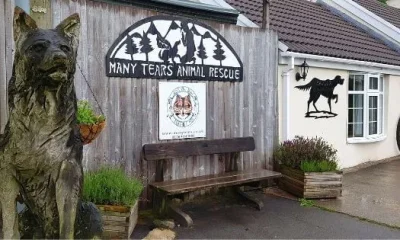
Investigation confirmed after inspectors visit Many Tears Animal Rescue
Licensing authority declines to comment as police confirm attendance at Carmarthenshire rescue centre AN INVESTIGATION is underway following a visit...

Business4 days ago
Work set to begin on £50m hydrogen plant in Milford Haven
A MAJOR new hydrogen production facility worth around £50 million is expected to begin construction in Milford Haven later this...
-

 Health4 days ago
Welsh Ambulance Service to host bi-monthly Board meeting
-

 News3 days ago
Rayner and Lammy visit Wales to discuss justice and community safety
-

 Local Government6 days ago
Register now to vote in May’s Senedd election
-
News2 days ago
Fishguard linked to allegations in Many Tears Animal Rescue investigation
-
News8 hours ago
Emergency services flood Haverfordwest after reports of person in river
-

 Community6 days ago
Modern-day maritime hero backs exhibition marking 200 years since launch of HMS Erebus
-

 Crime6 days ago
‘Knife attack’ at Spittal property leaves man in hospital
-
 News5 days ago
Calls grow for water industry overhaul after Welsh Water faces £44.7m fine