


News
Closing arguments at Swansea Crown Court in James Oulton case

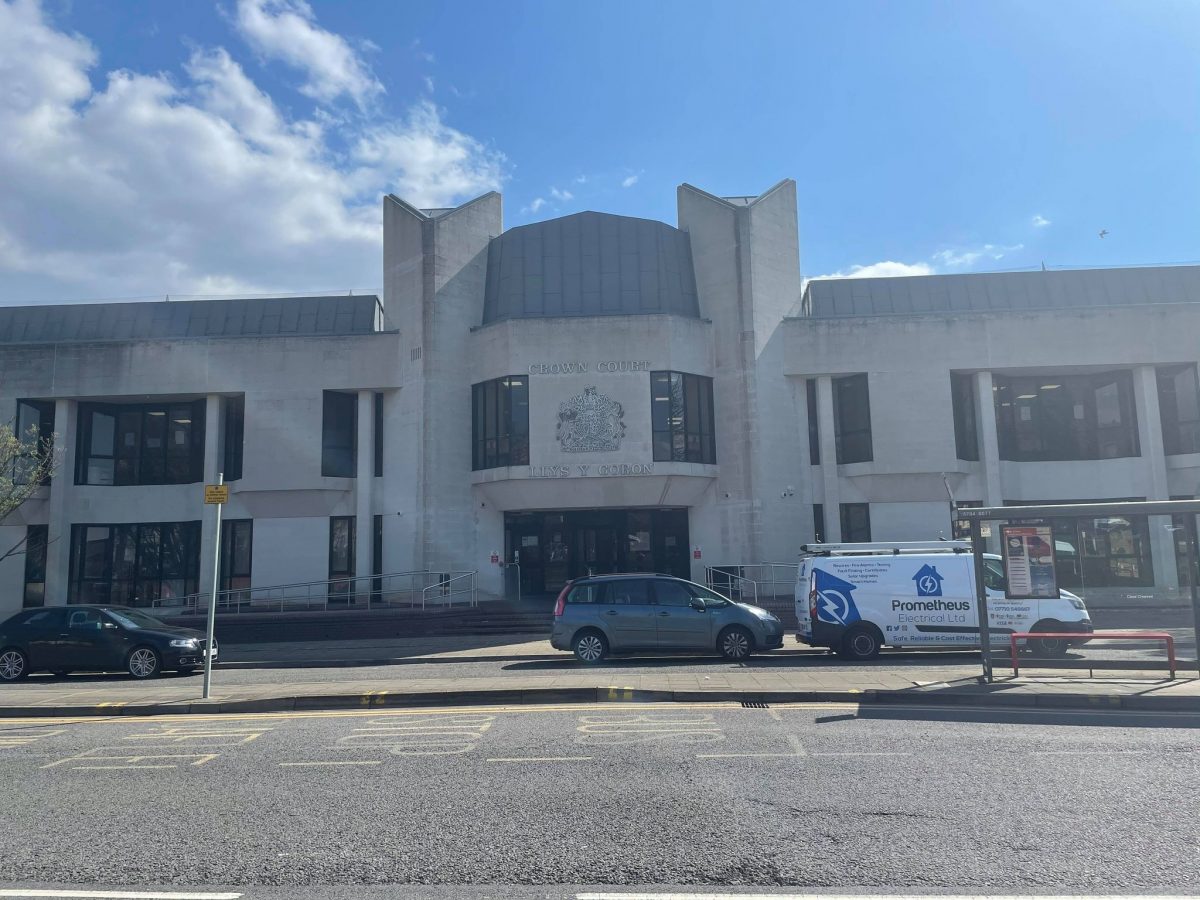
THE CLOSING arguments in the trial of a Haverfordwest primary school teacher accused of sexually assaulting 11 children have been heard at Swansea Crown Court today (Apr 30).
In her closing statement, the prosecuting barrister, Clare Wilks told the jury that they must consider the evidence concerning James Oulton, 34, fairly and remain unemotional.
Ms Wilks described the defendant as “an extremely popular teacher at the school who had ample opportunity to act.”
She told the court how his actions were “deliberate and subtle”, and that James Oulton had “perfected his technique so not to get caught.”
But Defending, QC Chris Clee told the jury that it would be easy to think the “weight of numbers must mean he is guilty” but asked the jury to also consider the numbers of students Oulton has taught throughout his career – 673 pupils.

Chris Clee QC said the 11 children who have made allegations against him amount to just 1.7% of the children he had taught.
He reminded the jury how the burden to prove guilt lies with the prosecution and it is not down to the defendant to prove his innocence.
Mr Clee added that Oulton was cautioned at the start of each interview, and despite the prosecution accusing the defendant of “setting up his defence” and accusing him of “getting more savvy as the interviews went on”, he had no obligation to answer any of the questions put to him in the initial interviews.
He added: “He chose to answer every question and give evidence in this court, he didn’t have to do neither.”

Oulton’s barrister told the jury that DC Evans, the investigating officer in the case, held the view that his client’s primary reason to teach was “to get closer to children, especially girls.”
He told the court how Oulton volunteered all passwords to electronic devices that the police seized.
He said that if the prosecution is right in this case, that the fact Oulton was able to carry out these events in broad daylight without being caught was a stroke of “extraordinary luck”.

Turning to the credibility of the prosecution witnesses, he told the court how ten of the eleven victims had “positive feelings towards James Oulton.”
Responding to the prosecution case that Oulton kept the cards and letters from the children as “some form of insurance or trophy” – he added, it was a “straightforward common sense it was evidence of affection the children felt for James Oulton.”
Clee branded another witness a “bully” saying there was clear collusion between them – as another witness went along with her as she was “scared of her” and said that it “snowballed from there”.
He added: “It is inconsistent, unreliable and not worthy of belief.”
Tackling the accusation made by one of the witnesses that Oulton had a cupboard in his classroom which contained alcohol and party invites for the children, he said these allegations were “entering into the realms of fantasy”.
QC Clee also accused DC Evans of cajoling the witnesses during their interviews, with a police officer asking one child: “Is there anything else? I feel like you’re holding back?”
Speaking of the six defence witnesses who gave evidence in support of Oulton, he said: “They were prepared to come to court and give evidence in support of him.
“By giving evidence that tells you the allegations are not true.”
However, the adult witnesses were not willing to be named in the media, and the defence applied for a press gagging order saying that they would be reluctant to attend court to support Oulton otherwise. The order was granted.
The case will continue Tuesday, May 4.
It is expected that there will be a verdict in the case next week.












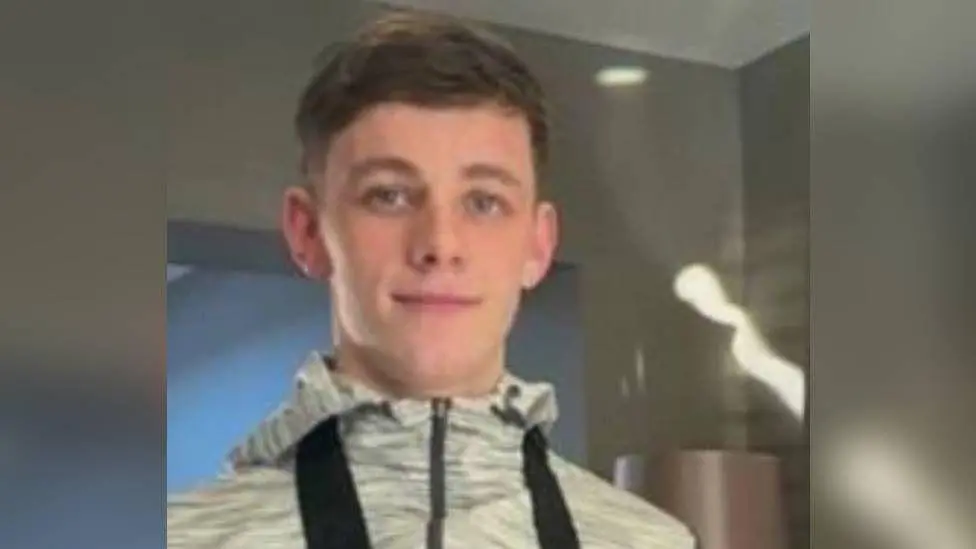
FOUR people have pleaded not guilty to the murder of a 17-year-old boy.
Ricardo Elliot, aged 27, Connor Palfrey, aged 24, Elexi Manny, aged 24, and Georgie Mears, aged 18, appeared before Merthyr Tydfil Crown Court on Friday (March 20), where each denied killing Tristan Shae Kerr.
Emergency services were called to a property in Abertridwr, Caerphilly, at around 5:45pm on Wednesday (Feb 5) following reports that a teenage boy had suffered serious injuries. Despite efforts, Tristan was pronounced dead at the scene.
The court heard that the teenager is alleged to have been attacked with a so-called “zombie knife” measuring approximately nine to ten inches in length.
During the hearing, the four defendants spoke only to confirm their personal details and enter their pleas.
A trial is due to begin on August 3 and is expected to last around six weeks. A further pre-trial review has been scheduled for July 24.
All four defendants were remanded in custody.
Paying tribute after his death, Tristan’s family described him as a “deeply loved son, grandson, nephew, cousin and friend.”
They said he was quick-witted, with a love for motorbikes and adventure, adding that he had a natural energy that lit up every room and drew people towards him.



Defendant admitted using Xbox without informing police as required under court order
ANTHONY COOMBES, aged 26, of Sand Banks, Broad Haven, appeared before Llanelli Magistrates’ Court on Thursday (Mar 20) charged with breaching a sexual harm prevention order.
The court heard that between February 26 and March 19, 2026, at Haverfordwest, Coombes repeatedly breached the order by using an Xbox device without informing police within three days, as required.
The offences relate to a sexual harm prevention order imposed at Swansea Crown Court on October 20, 2021.
Coombes indicated guilty pleas to the offences at the first hearing.
Magistrates committed the case to Swansea Crown Court for sentence.
He was remanded in custody ahead of the next hearing, which is due to take place at 9:00am on Friday, April 3, at Swansea Crown Court.
The court refused bail on the grounds that he was likely to offend, citing the nature and seriousness of the offences and his previous record and character.
A pre-sentence report was ordered.

Police say death not suspicious as 46-year-old arrested over alleged Class A drug supply
A MAN has died following a medical emergency at a property in Haverfordwest, police have confirmed.
Emergency services were called at 3:18pm on Wednesday (March 18) after a report of a medical incident.
A man was pronounced dead at the scene.
Dyfed-Powys Police said the man’s next of kin have been informed and are being supported by officers.
The death is not being treated as suspicious at this time.

However, police confirmed that a man, aged 46, was arrested on suspicion of being concerned in the supply of Class A drugs.
He has since been released under investigation while enquiries continue.
No further details about the deceased have been formally released.


Crime22 hours ago
Publican jailed for six years for supplying cocaine and cannabis
Milford Haven man sentenced at Swansea Crown Court following drug dealing operation A MILFORD HAVEN publican has been jailed for...

Local Government1 day ago
Poverty summit highlights support efforts across Pembrokeshire
A SUMMIT bringing together key organisations from across Pembrokeshire has highlighted both the scale of local poverty and the work...


Education2 days ago
Milford Haven school plans unveiled but funding not yet secured
PLANS for a new £100 million school in Milford Haven have been unveiled, but the project has not yet secured...


News2 days ago
Council unveils plans for new state-of-the-art secondary school in Milford Haven
PEMBROKESHIRE COUNTY COUNCIL has revealed plans for a new state-of-the-art school in Milford Haven, promising modern, inspiring learning spaces for...


Health2 days ago
NHS waiting list falls — but cancer delays and diagnostic backlog worsen
Record progress claimed by Welsh Government as critics warn key targets are still being missed THE NHS in Wales has...


Crime3 days ago
Rapist jailed after ‘abhorrent’ attacks on woman and children
Haverfordwest man told police “women won’t have sex without force” A HAVERFORDWEST man who raped a woman and a young...


News3 days ago
Reform secures first Pembrokeshire councillor in Hakin by-election win
Late Reform candidate takes seat as independent surge and Labour withdrawal shape contest REFORM UK candidate Scott Thorley has won...


News4 days ago
Scott Thorley elected as Pembrokeshire’s first Reform councillor
REFORM UK candidate Scott Thorley has won the Hakin by-election after securing 179 votes. The full result is as follows:...


News4 days ago
Police confirm man has died after being recovered from River Cleddau
Major emergency response in town centre after concerns raised for man in water A MAN has died after being recovered...


Community4 days ago
Davies and Kurtz urge groups to seek employability funding
Community organisations in Pembrokeshire encouraged to apply for new grants supporting skills and job access LOCAL Senedd Members Samuel Kurtz...
-

 News7 days ago
Rayner and Lammy visit Wales to discuss justice and community safety
-

 News6 days ago
Fishguard linked to allegations in Many Tears Animal Rescue investigation
-

 News4 days ago
Emergency services flood Haverfordwest after reports of person in river
-

 Local Government7 days ago
Investigation confirmed after inspectors visit Many Tears Animal Rescue
-

 Crime3 days ago
Mother given community order after admitting child cruelty offence
-

 Crime6 days ago
Man cleared of sexual assault allegation after magistrates rule no case to answer
-

 Community7 days ago
Town hall takeover plan questioned as cost figures conflict
-

 News4 days ago
Senedd vote to ban greyhound racing hailed as ‘landmark moment’ by charities