

News
Two charged following Carmarthenshire murder investigation


POLICE in Carmarthenshire have confirmed that James Alan Smith, aged 35, from Llanelli has been charged with the murder of Ashley Sarsero.
Stephen George Morgan, aged 36, also from Llanelli, has been charged with assisting an offender.
Both appeared at Llanelli Magistrates Court on Thursday, 14th September 2023 and were remanded.
The 38-year-old man, also arrested in connection with the murder, has been released on bail.
Ashley’s family continue to be supported by specialist officers and our thoughts are with them at this difficult time.

A Police spokesperson said: “The investigation team is grateful for the support of the community whilst extensive enquiries were conducted.
“Anyone with information that could help officers with their investigation is asked to report it to Dyfed-Powys Police, either online at: https://bit.ly/DPPContactOnline, by emailing [email protected], or by calling 101. If you are deaf, hard of hearing, or speech impaired text the non-emergency number on 07811 311 908.
“Quote reference: DP-20230910-089.
“Alternatively, contact the independent charity Crimestoppers anonymously by calling 0800 555111, or visiting crimestoppers-uk.org.”


Jury hears accounts of alleged planned classroom attack, teacher’s fear she was dying, and boy’s words after leaving school
A TEACHER allegedly stabbed in the head at a Milford Haven secondary school feared she was dying and would never see her daughter again, a jury has heard during the first week of one of Pembrokeshire’s most closely watched criminal trials.
The defendant, who was 15 at the time and is now 16, cannot be named because of his age.
He denies attempting to murder teacher Vicki Williams on Wednesday, February 5, 2026. He also denies inflicting grievous bodily harm with intent and unlawful wounding.
He has admitted possessing a bladed article on school premises.
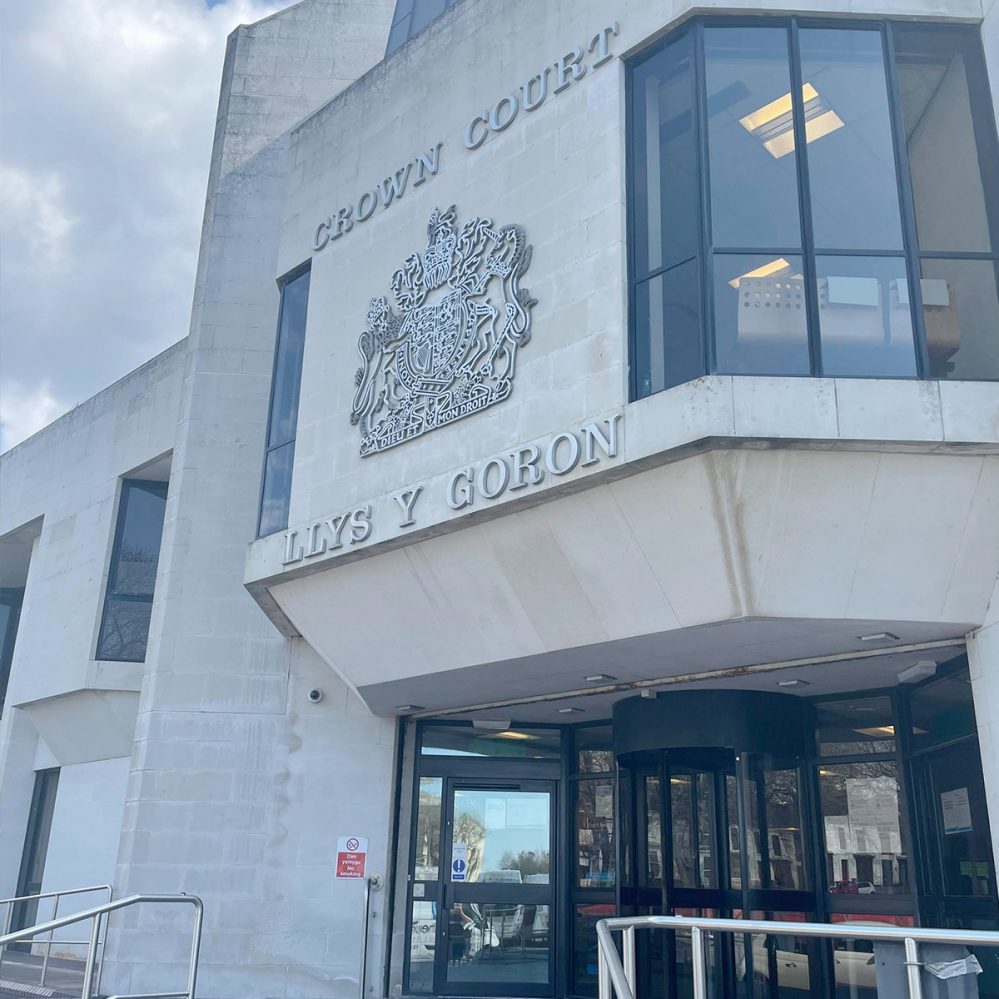
The trial opened at Swansea Crown Court on Monday before Judge Paul Thomas KC, with the prosecution alleging that the teenager brought a large kitchen knife into school in his bag and launched what was described to the jury as a planned and murderous attack.
The defence says the boy did not intend to kill Mrs Williams, did not intend to cause her really serious harm, and did not even intend to assault her. His case is that her injuries were caused accidentally during a struggle after he refused to hand over the knife.
‘Planned and murderous attack’, prosecution says
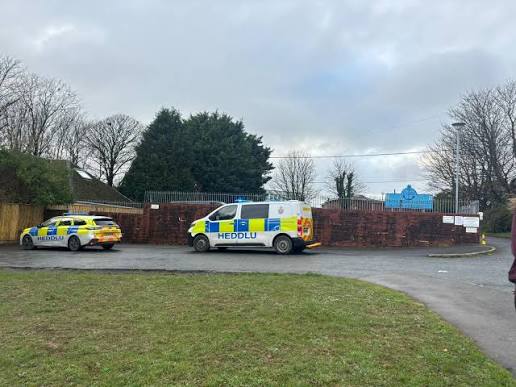
Opening the case, Christopher Rees KC, prosecuting, told jurors that the incident happened shortly after the end of the school day.
The court heard that the defendant had been taught by Mrs Williams earlier that morning and that there had been no apparent difficulty between them.
The prosecution says that changed after lessons ended at around 3:10pm, when the boy went into a classroom where Mrs Williams was working.
Jurors were told he approached her desk and asked her to check some work. The court heard that he then shut the classroom door, saying it was cold.
Mr Rees said the Crown’s case was that the boy had closed the door because he wanted to isolate Mrs Williams so he could attack her.
The jury heard that the boy then pulled a large kitchen knife from his bag and struck Mrs Williams to the head.

Mr Rees told the court: “The prosecution say the defendant planned and launched a murderous attack on the teacher. He deliberately stabbed Vicki Williams in the head.”
The court heard that a violent struggle followed. Mrs Williams screamed for help and eventually managed to take the knife from the boy.
The defendant then ran from the classroom and left the school, jurors were told. He was later arrested at the home of a family member.
Mrs Williams was treated at the scene and taken to Withybush Hospital. She was discharged later the same evening.
The incident led to a temporary lockdown at the school and caused widespread concern among parents, pupils, staff and the wider Milford Haven community.
Teacher tells jury she feared she was dying
Giving evidence on Tuesday, Mrs Williams told the jury she had taught the defendant earlier on the day of the incident and had no concerns about his behaviour.
Asked about her relationship with the pupil, she said there had been no issues during the lesson and that, from her perspective, they had always got on well.
She told the court that after the school day ended, the defendant approached her while she was working in a classroom.
Mrs Williams said he stood beside her and engaged her in conversation while searching through his school bag.
She said she believed he was looking for something and continued talking to him as he rifled through the bag.
Moments later, she told the jury, she was hit in the head.
“He hits me in the head first,” Mrs Williams said.
“The force of it hits me back into my chair.”
The court heard that Mrs Williams did not initially realise she had been stabbed. She said she became frightened during the incident and thought she might die.
The jury heard that she shouted for help during the struggle and eventually succeeded in disarming the boy.
Mrs Williams rejected the defence suggestion that her injuries were caused accidentally while she was trying to get the knife from him.
She told the jury that the boy appeared calm when he entered the room and that she could not understand why he had allegedly attacked her.
Jurors have been told that Mrs Williams later described the look on the defendant’s face as one of “pure hatred”.
First aider describes ‘complete shock’
On Wednesday, the jury heard from the school’s main first aider and medical coordinator, Mrs Walters Jones.
She told Swansea Crown Court that a colleague came to her office before another person ran in asking for help.
Mrs Jones went to the classroom, where she found Mrs Williams sitting at a pupil’s desk, distressed and bleeding from injuries to her head and hand.
“She was upset, crying, shaking,” Mrs Jones told the jury.
“Her whole body was in complete shock.”
The court heard that Mrs Jones treated Mrs Williams, who told her she had been attacked with a knife.
Mrs Jones said Mrs Williams told her the defendant had been acting “strange” and “weird”, and that she had felt unsafe and did not want to turn around.
The jury heard that the school was placed into lockdown following the incident.
Mrs Jones said she was the person who called police, but had to pass the phone to a colleague because she “couldn’t get my words out”.
The knife allegedly used in the incident was produced in court and shown to the witness, judge and jury.
Mrs Jones said she cleaned through Mrs Williams’ hair to assess the head wound and described the injuries to her hands as “erratic”.
The court also heard evidence from Stephen Martin, the school’s inclusion and behaviour manager.
He told jurors he heard a radio message that something had happened and later saw Mrs Williams with blood on her hands, running down the side of her face and onto her T-shirt.
Mr Martin said Mrs Williams was “distressed, scared, shocked” and confused.
He told the court Mrs Williams said she did not know why she had been attacked or what she had done wrong.
Under questioning, Mr Martin confirmed there was no recorded conflict between Mrs Williams and the defendant.
Grandmother’s statement read to court
On Thursday, the fourth day of the trial, the jury heard written evidence from the defendant’s grandmother.
Her statement, agreed by prosecution and defence, was read to the court.
She described the defendant as a “really quiet boy” and said he had been that way since infancy. The jury heard she would often make tea for him after school.
The grandmother said that on the afternoon of February 5, the defendant’s mother called her to say that “something had happened in school”.
She said she “felt sick to my stomach”.
A short time later, her grandson arrived at her house and sat on the stairs.
She asked him what he had done.
According to the statement read to the jury, he replied: “Something went in my head, nan.”
The grandmother said he was crying and had his head hung low in his hands.
She said police arrived at her home around ten minutes later and arrested him. She described him as looking shocked and upset.
Pathologist gives evidence on injuries and knife
The jury also heard evidence from forensic pathologist Dr David Rouse, who took the court through photographs of Mrs Williams’ injuries and the knife recovered from the classroom.
Dr Rouse described five superficial incised wounds to Mrs Williams’ fingers and palm.
He said the wounds were typical of defensive injuries and consistent with someone trying to grab or hold a knife.
Turning to injuries on Mrs Williams’ back, Dr Rouse described them as linear abrasions or scratch marks. He said he could not say exactly how they were caused, but they were consistent with Mrs Williams’ account of being pushed backwards.
Dr Rouse then dealt with the head injury. He described it as a linear incised wound to the top of the head, around 1cm in length.
The court heard that the injury was caused by a sharp blade and was “in keeping with a stabbing action going into the head”.
Dr Rouse said it was very difficult to get a penetrating wound through the skull, particularly in the area where the wound was situated.
The knife recovered from the classroom was also shown to the witness. It was kept in a clear plastic tube for safety.
Dr Rouse told the jury that the tip of the knife was distorted. He said he could not say how the tip came to be damaged, but that the distortion was in keeping with the knife being used in the way described.
Asked by Judge Paul Thomas KC whether that was what he would expect to find on a knife which had been stabbed into the top of a skull, Dr Rouse replied: “Yes, your honour.”
The doctor said Mrs Williams’ head injury was entirely consistent with the account she had given.
Under cross-examination by Matthew Roberts KC, defending, Dr Rouse agreed that it was not possible to say how or when the injuries to Mrs Williams’ back were caused.
He also agreed that it was not possible to say when the damage to the point of the knife was caused, or exactly how it was caused.
Dr Rouse said: “All we can say is there was a stab wound to the head and it seems a reasonable conclusion to say that caused the damage, but we cannot say for sure.”
The defence put it to him that there were areas of the body far more vulnerable to knife wounds than the top of the head, such as the neck or chest.
Dr Rouse agreed, saying knives are designed to go through bodies and that such areas would not require much force to injure.
The defence also put it to Dr Rouse that he could not rule out the injuries being caused during a “scuffle”.
Dr Rouse said pathology could not determine the mechanism, adding that this was a matter for the jury.
Defence case
The defence case is that the defendant did not intend to kill Mrs Williams, did not intend to cause her grievous bodily harm, and did not intend to assault her.
The jury has been told that the defence says the injuries were caused accidentally when the boy refused to hand over the knife after being asked to do so.
The defendant has admitted possessing a bladed article on school premises, but denies the three remaining charges.
Trial continues
As The Herald went to press, the prosecution evidence was still being heard.
The trial, expected to last three weeks, continues before Judge Paul Thomas KC at Swansea Crown Court.
The jury will be asked in due course to decide whether the prosecution has proved the disputed allegations so that they are sure.
The defendant remains entitled to the presumption of innocence unless and until the jury reaches any verdict against him.
Charges before the court
The defendant denies:
Attempted murder
Inflicting grievous bodily harm with intent
Unlawful wounding
He admits:
Possessing a bladed article on school premises
Reporting restriction
The defendant cannot be identified because he is under 18.
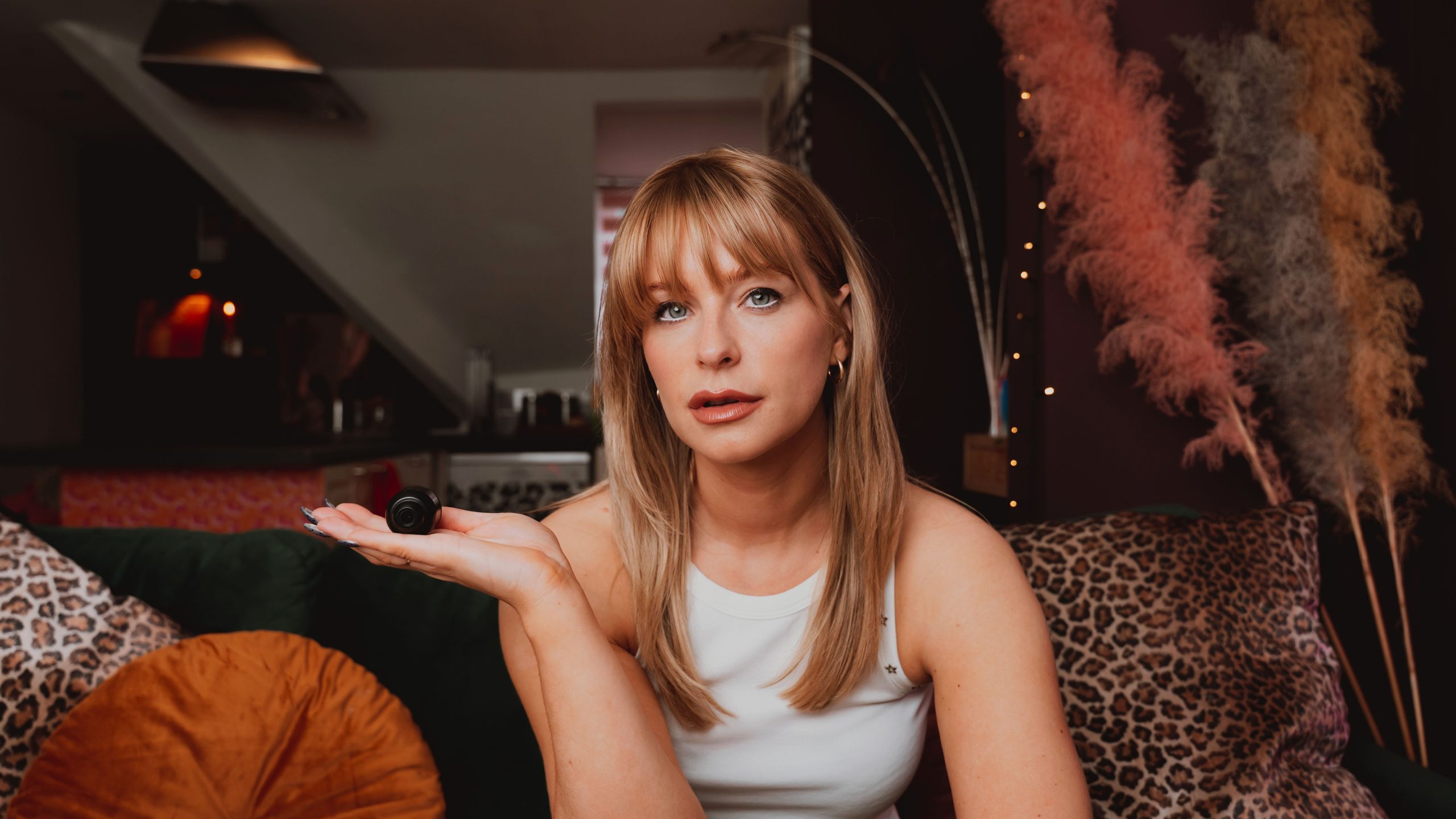
NEW BBC documentary, Hunting the Spycammers, uncovers a dark online network in which footage filmed on hidden cameras in bedrooms, bathrooms, changing rooms and other private spaces is liked and shared.
Welsh presenter Jess Davies goes undercover to infiltrate this world and finds spycammers boasting about filming wives, girlfriends and strangers without their knowledge, including someone who plants spycams on a walking route to catch women stopping to wee in a bush where there are no public toilets.
Hunting the Spycammers will land on the BBC’s YouTube channels and BBC iPlayer on Wednesday 15 July. It is a co-commission by BBC Current Affairs and BBC Cymru Wales for BBC Three and is produced by Rock Paper Productions.
During her investigation, Jess discovers the range of spycam tech available – cameras disguised as everyday objects like pens, air fresheners and plugs. They’re cheap, easy to buy and almost impossible to spot. Jess speaks to one woman who went to the toilet while eating at a popular high-street restaurant chain and discovered a tiny camera hidden under the toilet seat that had the ability to livestream footage.
To get inside the world of spycammers, Jess teams up with investigative journalist Liam Connell. They discover a sprawling voyeur website – a hub from which users link to encrypted chat groups – and found evidence of illegal, non‑consensual footage being shared anonymously, including by users in the UK.
Posing as a new “spycammer” looking for advice, they infiltrate these groups from the inside. The evidence they uncover is deeply disturbing: perpetrators openly swapping stories of and tips on how to secretly film family members, partners, flatmates and strangers in private moments like sleeping, showering, changing – and boasting about the footage they captured.
For Jess, this investigation into spycams is personal: driven by her own experience of being secretly photographed naked while sleeping and the image shared on a private WhatsApp group. Speaking about what they discovered in their investigation, Jess said: “It’s a never-ending cycle of mass distribution of non-consensual content of women. It feels like these women are being hunted down and prayed upon.”
Jess confronts some of those who are behind the spycams to ask why they do it, if they know what they’re doing is illegal by capturing non-consensual footage, and whether they feel any sympathy for those who are being targeted.
Sian Harris, Commissioning Editor for BBC Cymru Wales, said: “Anyone who watches this film will relate to the horrific thought of being filmed by a secret camera in those private spaces: a bedroom, the shower, a changing room. Jess and Liam’s compelling investigation not only reveals this as a growing crime, but shines a light on the shady places where non-consensual videos are being traded and asks the questions we’d all want answers to about how and why is this happening.”
Hunting the Spycammers is produced by Rock Paper Productions, the Executive Producers are Cat Donohoe and Catherine Welton and the Producer/Director is Ally Roberts. The Commissioning Editors for the BBC are Rachel Platt and Sian Harris.

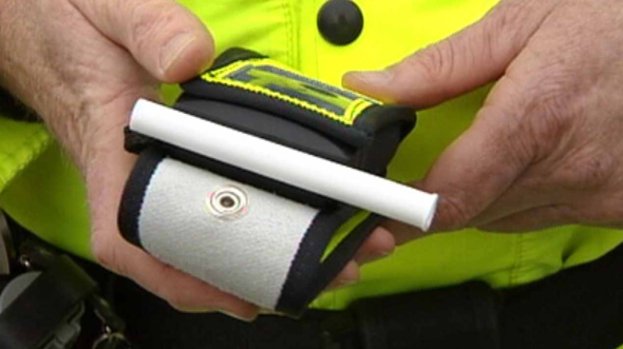
A HAVERFORDWEST man has been banned from the road for more than three years after admitting drug-driving.
Paul Smith, 39, of Cormorant Close, Haverfordwest, appeared before Llanelli Magistrates’ Court on Wednesday (Jul 8).
Smith pleaded guilty to driving a white Ford Transit on Crowhill Road, Haverfordwest, on January 25 with cannabis in his system.
The court heard that a blood test showed 17 microgrammes of Delta-9-Tetrahydrocannabinol per litre of blood, exceeding the legal limit.
Magistrates imposed an obligatory driving disqualification of 38 months.
Smith was also fined £120 and ordered to pay £85 prosecution costs and a £48 surcharge.
The court made a collection order, with deductions to be taken from benefits.



Crime5 minutes ago
Teacher stabbing trial: The first week of evidence
Jury hears accounts of alleged planned classroom attack, teacher’s fear she was dying, and boy’s words after leaving school A...


Community3 hours ago
Haverfordwest Castle refurbishment reaches new heights as roof goes on
Major milestone reached in project to transform historic gaol building into flagship visitor attraction A MAJOR milestone has been reached...


Business1 day ago
Pembrokeshire lands £98m share of Wales marine energy boom
New industry report says county has received the second highest level of marine energy investment in Wales, supporting more than...
Crime1 day ago
First aider tells jury teacher was “crying, shaking” after classroom stabbing
A SCHOOL first aider has told a jury that teacher Vicki Williams was “crying, shaking” and in “complete shock” after...

Crime2 days ago
Teacher feared she was dying after Milford Haven classroom stabbing
A TEACHER allegedly stabbed in the head at Milford Haven Comprehensive School told a jury she feared she was dying...


News2 days ago
Farage to resign as MP and fight Clacton by-election amid finance row
NIGEL FARAGE has announced he will resign as MP for Clacton and stand again in the by-election he intends to...
Crime2 days ago
Teacher tells jury there were ‘no issues’ with accused pupil hours before ‘stabbing’
Milford Haven teacher gives evidence as trial of 15-year-old continues at Swansea Crown Court A TEACHER allegedly stabbed at Milford...


News3 days ago
Major incident stood down after fire at Impala Terminal in Milford Haven
Fire involved decommissioned oil tank containing residual crude oil and around 60 cylinders A MAJOR incident declared during a fire...


News3 days ago
Large fire breaks out at Impala Terminal in Milford Haven
Black smoke seen for miles as emergency services respond to incident at former Puma Energy site A LARGE fire has...
Crime3 days ago
Prosecution outlines ‘planned attack’ as Milford Haven teacher stabbing trial opens
Jury hears teenager allegedly brought kitchen knife into school before teacher was stabbed in the head THE JURY in the...
-
 Community6 days ago
Closure-threatened Stepaside school expected to remain open
-
 Education6 days ago
First Minister pressed on biological sex, additional learning needs, and NHS jobs
-
 Education6 days ago
Education secretary vows to tackle ‘root causes’ of antisocial behaviour in schools
-

 Crime7 days ago
Llandeilo man accused of rape sent to Crown Court
-

 Community7 days ago
Saundersfoot Harbour regeneration project wins national planning award
-

 Education6 days ago
Ysgol Glannau Gwaun celebrates prestigious Gold Active Travel award
-
News3 days ago
Large fire breaks out at Impala Terminal in Milford Haven
-

 Health6 days ago
NHS at 78: A moment to give back to the service Wales helped create