


News
Council coalition controversy

 BOB KILMISTER, leader of the Pembrokeshire Alliance, spoke to The Herald on Friday evening about the startling online announcement his group are discussing whether to enter into coalition with the ruling IPPG.
Bob Kilmister told The Herald that Jamie Adams sprung the surprise coalition offer on Tuesday morning when he had supposed that the IPPG leader was to discuss an item arising from the previous day’s Corporate Governance Committee. At that meeting Cllr Kilmister announced that he had lost trust in the Council Leader and his former deputy Rob Lewis.
In the face of an overwhelmingly negative reaction on social media, Bob Kilmister told The Herald that no substantive discussions as to a coalition arrangement had taken place. The announcement of Jamie Adams’ approach was, instead, part of the Pembrokeshire Alliance’s commitment to be open and transparent.
“We are a party with a constitution. While Alliance councillors can make a decision, I thought it was important to communicate with our members and to have an open conversation with supporters and our executive committee. We have not had formal negotiations yet. Jamie Adams has made an offer which our councillors have discussed. But we have NOT responded to Cllr Adams’ offer at this time. We want to be open and transparent in what we do.”
While Bob Kilmister declined to comment on a rumour that he had been offered a Cabinet post and the deputy leadership by Jamie Adams, he did reveal the rationale behind consideration being given to Jamie Adams’ offer:
“There is a probability that a breakaway IPPG faction, involving some of those Councillors who did NOT support the motion of no confidence in Bryn Parry Jones, could effectively hold the rest of the Council to ransom. Councillor Brian Hall is, I believe, actively trying to establish such a group.”
The Herald understands that Councillor Hall’s mooted group could comprise former Cabinet member David Pugh, former IPG deputy leader John Allen-Mirehouse, and the unaffiliated Owen James. One person mentioned as a possible recruit, Fishguard representative Myles Pepper, was contacted by The Herald. He denied being approached to be a member of Brian Hall’s group and told us that he was not interested in joining such a group in any event.
If Brian Hall’s group attracted more than seven members and remained outside any coalition with the IPPG, Councillor Paul Miller – leader of the Labour Group – could lose his entitlement to the allowance paid to the leader of the largest opposition group on Pembrokeshire County Council. Councillor Miller told The Herald he was untroubled by the prospect.
While Cllr Kilmister said he had been taken aback by the venom of the reaction on social media he stressed no decision had yet been made on Cllr Adams’ offer.
“I have been contacted by some unaffiliated councillors who have suggested that we should not be considering the offer,” he added: “But the thought of Brian Hall being back in a position of real power should be enough to send shivers down anyone’s spine.”


CYMDEITHAS YR LAITH has welcomed Carmarthenshire County Council’s decision to expand Welsh-medium education provision in some of the county’s urban areas.
The Council’s Education, Young People and Welsh Language Scrutiny Committee approved a recommendation to consult on making a regulated change to Welsh-language provision in the following primary schools: Ysgol Bro Banw, Ysgol Griffith Jones, Ysgol Llangynnwr, and Ysgol Llandybie. The decision will go before the Cabinet on Monday (29/06/2026) for final approval.
A spokesperson for Cymdeithas yr Iaith’s Carmarthenshire Region said: “We are very pleased that the Council intends to expand Welsh-medium education provision in these schools, moving closer to the goal of ensuring that no pupil is deprived of the ability to work and communicate confidently in both languages.
“We particularly welcome the changes at the large urban school, Ysgol Bro Banw. However, we seek clarification regarding the decision to introduce bilingual provision at the school, rather than converting it into a fully Welsh-medium school. Research shows that Welsh-medium education is the only way to ensure bilingualism among young people.
“It is worth noting that there are seven bilingual primary schools in the county, in addition to those mentioned in the report, and several of these provide only Welsh-medium education during the Foundation Phase. We therefore encourage the Council to continue the work of converting all these bilingual schools into Welsh-medium schools and to address gaps in Welsh-medium education provision in areas such as the south-west of the county and the town of Carmarthen as well.

“At the same time, we are disappointed that the Council is removing Welsh-medium education from our rural communities. Although they are increasing capacity in St Clears, they are simultaneously losing Welsh-medium capacity in the area through their plans to close Ysgol Meidrim. We therefore call for a new and sustainable strategy for rural education.”
The spokesperson added: “We look forward to the Council’s next announcement, when the names of four additional schools will be revealed. Nevertheless, it is disappointing that we have to wait until the autumn for that announcement. We respectfully ask the Council to accelerate the process in order to prevent the ongoing injustice whereby pupils are being deprived of the ability to communicate and work in Welsh as well as English.”
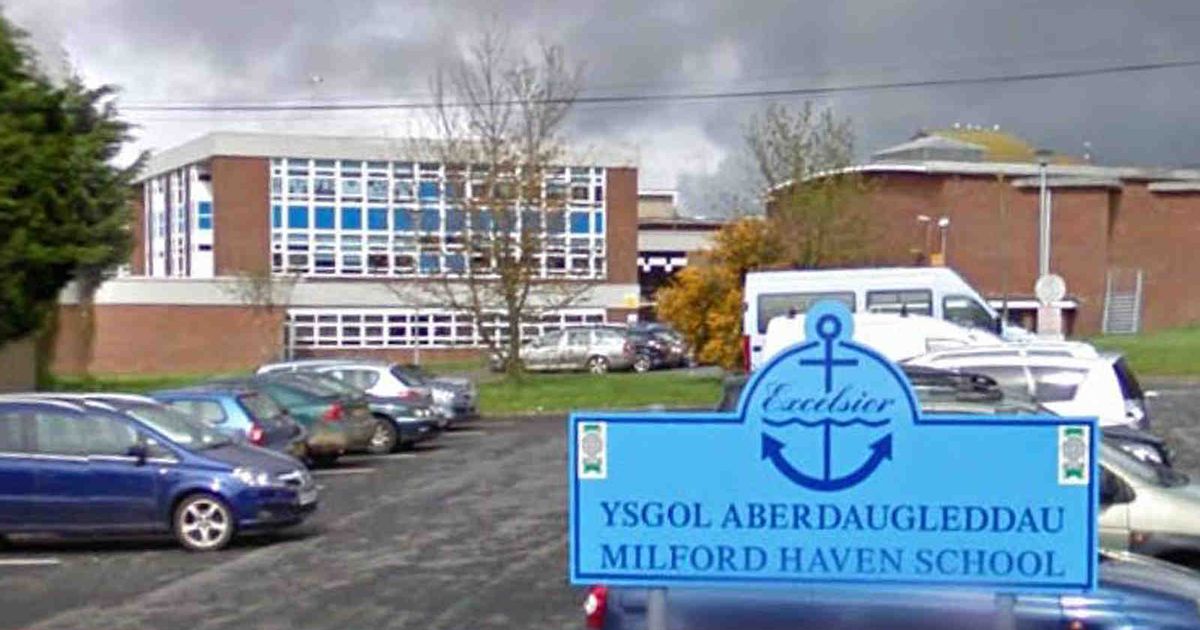
MILFORD HAVEN SCHOOL has thanked pupils and staff for the way they have supported one another during the current heatwave.
The school said cooperation and care across the school community had been greatly appreciated.
With tomorrow (Jun 25) forecast to be the hottest day of the current spell, pupils are being asked to come prepared by bringing plenty of water, wearing sunscreen, and staying as protected from the sun as possible.
Pupils will also be permitted to wear their PE kit to help keep cool.
The school said it will continue to monitor the situation closely and take all necessary steps to prioritise the safety and wellbeing of pupils and staff.
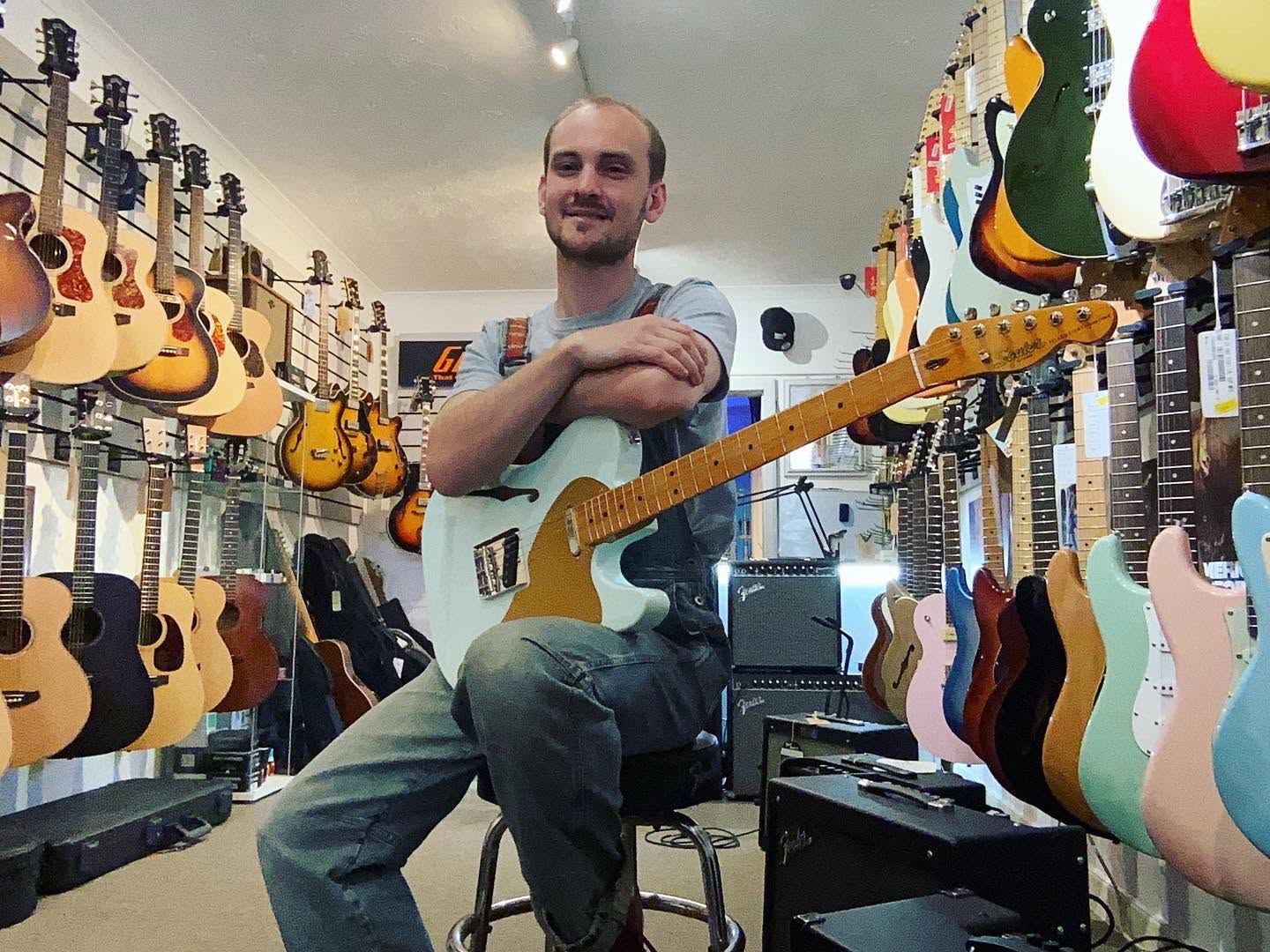
A POPULAR Pembrokeshire music shop is changing the way it operates, with Main Street Music confirming it will no longer trade as a retail shop from September 1.
The business said there will be an immediate 15% sale on all stock, but stressed that Main Street Music is not disappearing completely.
The owner said the decision had been made “with a heavy heart”, adding that the shop’s closure as a retail outlet would be a loss for Pembrokeshire as the county’s last professional guitar dealership.
He said his long-term passion had always been making musical instruments, something he had done since his teenage years, later receiving scholarships and a fellowship for his studies.
After college, he was given the opportunity to buy the business at the age of 24.
He said: “I have had an amazing time running this shop, giving it everything I’ve got, met some wonderful people and sold some incredible guitars.”
Although the business itself remains successful, he said tighter retail margins, dealership pressures and rising costs had made it difficult to grow in a way that would allow him to employ others and spend more time in the workshop.
The shop will eventually reopen as an appointment-only workshop and showroom for handmade guitars and repairs.
Current repair work will continue on a case-by-case basis by appointment only.
Main Street Music thanked customers for their support over recent years, saying the owner was proud of where the shop had been taken.
Caption:
Main Street Music will close as a retail shop from September 1, but will continue as an appointment-only workshop and showroom for handmade guitars and repairs.




Community18 hours ago
Manorbier fire scandal: Council’s payout just £63,777 after school destroyed
PEMBROKESHIRE COUNTY COUNCIL has accepted an insurance settlement which leaves it with just £63,777.07 after the catastrophic fire which destroyed...


News1 day ago
Bus overturns in major incident near Kidwelly
All passengers rescued as emergency services remain at scene A BUS overturned on the A484 between Kidwelly and Ferryside on...


Community2 days ago
Tenby Summer Spectacular cancelled amid council row over harbour access
Organisers say popular charity events cannot safely go ahead without clear powers to control crowds TENBY ROUND TABLE has announced...


News2 days ago
Motorcyclist dies after four-vehicle crash on A40 in Carmarthenshire
A MOTORCYCLIST has died following a four-vehicle collision on the A40 between St Clears and Whitland. Dyfed-Powys Police said the...


News2 days ago
Rhun ap Iorwerth urges new deal for Wales after Starmer quits
First Minister says next Prime Minister must focus on greater powers, fair funding and respect for Wales’ democratic mandate FIRST...


News2 days ago
How Labour’s landslide victory unravelled in just two years
Prime Minister announces resignation after losing support within his own party as Andy Burnham emerges as overwhelming favourite to take...


News3 days ago
Long Course Weekend set to bring thousands to Pembrokeshire
Three days of swimming, cycling and running will once again transform Tenby into one of the UK’s biggest endurance sporting...


Community3 days ago
The gentle giant behind the tattoos
Pembrokeshire security worker Josh Davies praised for professionalism, kindness and proving first impressions can be wrong JOSH Davies is hard...


Charity4 days ago
Toy Story fans fill charity toy box at Haverfordwest cinema
Donations pour in for SNAP Specialist Play as families embrace Toy Story 5 launch A TOY STORY-themed charity appeal at...


Community4 days ago
Lord Rhys emerges from the mist in St Davids
Giant puppet begins historic journey marking 850 years since the first Eisteddfod MIST swirled around St Davids Cathedral on Friday...
-

 Crime6 days ago
Milford Haven man jailed for breaching domestic violence protection order
-

 News6 days ago
Crash on Freeman’s Way causes school-run chaos across Haverfordwest
-

 Health4 days ago
Woman jailed assaults on police, harassment and XL Bully possession
-

 Crime4 days ago
Milford Haven woman spared jail despite string of shop thefts
-

 Crime6 days ago
Portfield Gate man faces careless driving allegation after Tufton crash
-
Community3 days ago
The gentle giant behind the tattoos
-

 Local Government6 days ago
Pembrokeshire faces accessible housing shortage as 403 people wait for homes
-

 News7 days ago
Brexit at 10: How Britain was sold a dream that cost us dearly