


Climate
Transforming your home with renewable energy


AS ENERGY costs rise and environmental concerns grow, Energy Saving Grants offers a vital solution for homeowners, tenants, and landlords in the UK. They provide 100% government-backed funding to enhance home energy efficiency, cut energy bills, and reduce carbon footprints.
Comprehensive Energy Solutions
Energy Saving Grants delivers a range of energy-saving measures:
- Insulation Upgrades: Including cavity wall, loft, and internal wall insulation to minimize heat loss.
- Heating Improvements: Replacing outdated boilers with efficient models and installing renewable heating systems like heat pumps.
- Renewable Energy: Installing solar panels and wind turbines to harness natural energy sources, decreasing dependence on fossil fuels.
Simple and Accessible Process
The application process is straightforward:
- Free Consultation: An expert assesses eligibility and recommends improvements.
- Hassle-Free Paperwork: The company manages all documentation and coordinates with Trustmark-approved installers to ensure high-quality, regulation-compliant installations.
Benefits of Energy Efficiency
Enhancing home energy efficiency offers several benefits:
- Cost Savings: Significant reductions in heating and electricity bills.
- Enhanced Comfort: Consistent and comfortable living environments through better insulation and efficient heating.
- Environmental Impact: Reduced energy consumption lowers greenhouse gas emissions, helping to combat climate change.
Empowering Communities
Energy Saving Grants has transformed numerous homes and lives across the UK. Examples include:

- A Birmingham family reducing annual energy bills by 35% after upgrading their heating system and insulation.
- A Glasgow landlord improving tenant satisfaction and reducing maintenance costs by installing new boilers across multiple properties.
Available Grant Schemes
The company administers several government schemes, such as:
- Energy Company Obligation (ECO) Scheme: Enhancing energy efficiency in homes with poor energy ratings.
- Local Authority Flex (LA Flex) Scheme: Allocating funding based on local needs.
- Great British Insulation Scheme (GBIS): Offering comprehensive insulation solutions.
- Home Upgrade Grant (HUG): Targeting homes with outdated heating systems or poor insulation.
- Boiler Upgrade Scheme (BUS): Funding for modern, efficient boilers and renewable heating solutions.
Real-Life Success Stories
Real-life examples demonstrate the impact of these grants:
- A Manchester household saved over £500 annually through the Great British Insulation Scheme.
- A London family drastically improved their quality of life and reduced energy costs via the ECO scheme.
Join the Movement
Now is the perfect time to enhance your home’s energy efficiency. Energy Saving Grants provides the expertise and support to reduce energy bills, improve home comfort, and promote environmental sustainability. Check your eligibility and start your journey toward a sustainable future by visiting Energy Saving Grants.


PLAID CYMRU has renewed calls for the Crown Estate to be devolved to Wales after figures showed income linked to Wales rising from £8.7 million to £210 million in five years.
The party says the increase, described as a rise of around 2,300 per cent, shows that Welsh natural resources are generating huge sums while communities in Wales see little direct benefit.
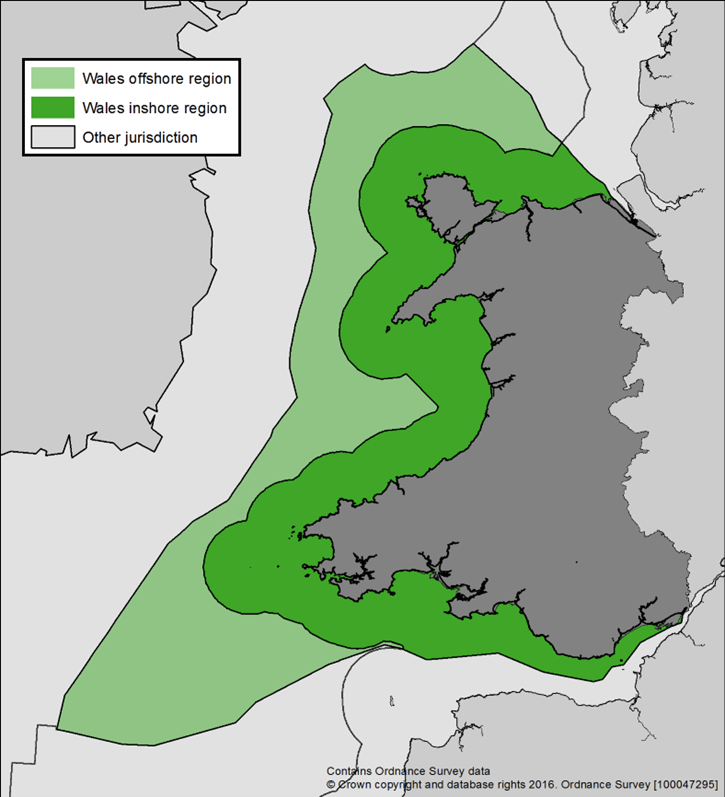
The Crown Estate manages much of the seabed around Wales, England and Northern Ireland, including areas leased for offshore wind developments. Its profits are paid to the UK Treasury, rather than being retained directly in Wales.
Plaid Cymru’s Ceredigion-Penfro branch said: “Crown Estate profits are up 2,300% but Welsh communities see no benefit.”
The issue has become increasingly topical as Pembrokeshire and the wider west Wales coast are being promoted as key locations for the next generation of floating offshore wind in the Celtic Sea.
Supporters of devolution argue that Wales should have control over the revenue generated from its coastline, seabed and natural resources, with profits reinvested in local infrastructure, ports, skills, transport and public services.
They also point to Scotland, where the Crown Estate has already been devolved. In Scotland, revenue from Crown Estate assets is managed north of the border and contributes to Scottish public finances.
Plaid Cymru says Wales should be treated in the same way.
The party argues that, as offshore wind expands, Wales risks seeing major energy infrastructure developed around its coastline while the financial rewards continue to flow to Westminster.
The Crown Estate has benefited significantly from offshore wind leasing in recent years. Across the UK, the estate has reported profits of more than £1 billion for a third consecutive year, with offshore wind continuing to play a major role in its income.
In Wales, the political argument is sharpened by the scale of potential development in the Celtic Sea.
Ports such as Milford Haven and Port Talbot are expected to play a major role in supporting floating offshore wind, with politicians and industry leaders saying the sector could bring thousands of jobs and major investment.

However, campaigners say Wales must secure more than construction work and supply-chain promises. They argue that long-term control of Crown Estate revenues would allow Wales to build a lasting national benefit from renewable energy.
The UK Government has previously resisted calls to devolve the Crown Estate in Wales. Ministers have argued that Crown Estate profits are returned to the Treasury and used for public spending across the UK.
Opponents of devolution also say Wales already receives funding through the wider UK funding settlement, and that changing the Crown Estate model could add complexity at a time when major energy projects need certainty.
But calls for change have continued to grow, particularly as the value of offshore wind leases has increased.
For Plaid Cymru, the issue is now being framed as a question of fairness.
The party says Wales is being asked to host nationally important renewable energy infrastructure while having limited control over the income generated from its own natural resources.
With the Senedd election approaching, the future of the Crown Estate is likely to remain a major political dividing line.
For campaigners, the argument is simple: if Welsh waters are helping to generate hundreds of millions of pounds, Welsh communities should see the benefit.
For the UK Government, the current system keeps Crown Estate revenue within the UK-wide public finances.
The debate now turns on whether Wales should continue under that arrangement, or follow Scotland in taking control of Crown Estate assets for itself.
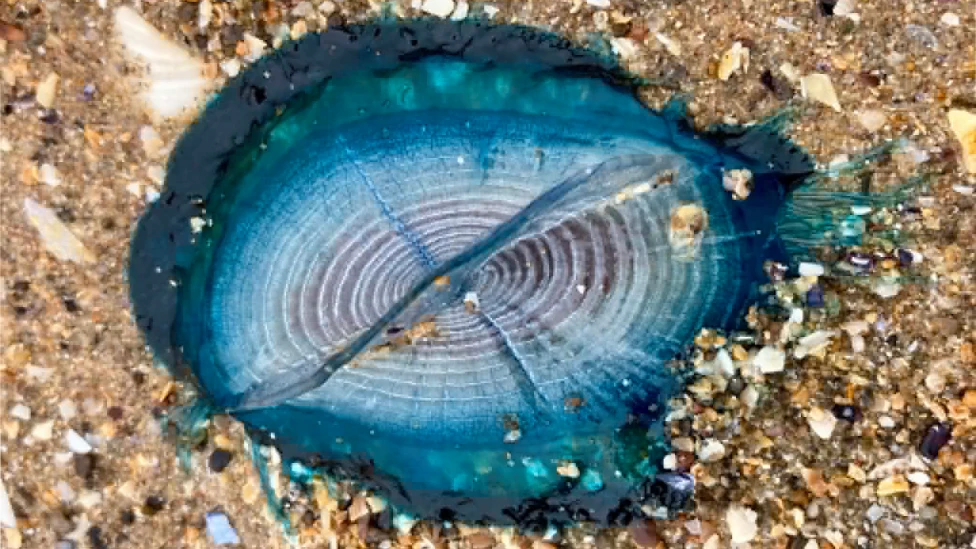
VISITORS to Welsh beaches have been warned not to touch unusual blue sea creatures which have washed ashore along parts of the coastline.
Hundreds of velella velella, commonly known as by-the-wind sailors, have been reported on beaches in Anglesey, Gwynedd and Tenby.
The small, bright blue marine creatures are free-floating hydrozoans and are related to Portuguese man o’ war, sea anemones and corals.
They get their name from a small sail-like structure on their body, which catches the wind and carries them across the surface of the sea.
One was spotted on Tenby South Beach on Tuesday (Jun 16), where beachgoer Maxine Allinson described it as “fantastic” and “like a crystal”.
Marine experts say the creatures are often seen after changes in currents or stormy weather, which can push large numbers ashore at the same time.
Although they are much smaller and less dangerous than Portuguese man o’ war, they do have stinging cells.
Their sting is usually mild, but people are being advised not to pick them up, especially as contact with the face, lips or sensitive skin could cause pain or tingling.
Experts also warn that the stinging cells can remain active even after the creatures appear to be dead on the beach.
The advice is to admire them from a safe distance and leave them where they are.
Caption: Maxine Allinson spotted a velella velella on Tenby South beach Tuesday

Met Office warns of oppressive heat, sleepless nights and potential disruption as rare amber alert extended
A RARE amber weather warning has been issued for large parts of England and Wales as forecasters predict what could become one of the hottest June heatwaves ever recorded in the UK.
The Met Office has extended its Extreme Heat Warning from Monday (June 22) through to Thursday (June 25), with temperatures expected to climb well above 35C and potentially reach 38C by the middle of the week.
Forecasters say the heatwave will intensify rapidly, with temperatures reaching around 32C on Monday before climbing to 35C and beyond on Tuesday and Wednesday. Parts of southeast Wales could see temperatures of around 35C, while southern England is expected to experience the highest values.
The warning covers much of England and Wales and has been described by the Met Office as a potentially significant weather event due to the combination of extreme temperatures and unusually high humidity.
June records under threat
Meteorologists say there is now a strong possibility that the UK’s June temperature record of 35.6C, set in Southampton in 1976, could be broken this week.
The current forecast suggests Wednesday and Thursday will be the hottest days, with temperatures approaching 38C in some areas.
Tropical nights expected
One of the biggest concerns is the lack of overnight relief.
The Met Office is forecasting widespread “tropical nights” across southern parts of Britain, where temperatures remain above 20C throughout the night. High humidity levels are expected to make conditions feel particularly oppressive and may make sleeping difficult.
Health experts warn that prolonged hot nights can increase the risk of heat-related illness because the body has less opportunity to cool down and recover.
Health and travel concerns
The UK Health Security Agency has issued amber heat-health alerts, warning of increased pressure on health and care services and elevated risks for older people, young children and those with existing health conditions.
The Met Office has also warned of possible impacts on transport networks, power supplies and water resources, with roads, railways and public infrastructure potentially affected by the prolonged heat.
Advice for Pembrokeshire residents
While coastal areas of west Wales are likely to remain somewhat cooler than inland locations, temperatures are still expected to be significantly above average for June.

Residents are being advised to:
- Drink plenty of water throughout the day.
- Avoid strenuous activity during the hottest hours.
- Check on elderly relatives, neighbours and vulnerable people.
- Keep homes shaded during the day.
- Take extra care around rivers, lakes and the coast, where cold water shock remains a risk despite the hot weather.
The heat is expected to ease later in the week, although forecasters say temperatures will remain above average and there remains some uncertainty over whether thunderstorms could develop as the hot spell breaks down.



Crime23 hours ago
Dyfed-Powys Police rated only ‘Adequate’ in organised crime inspection
A WATCHDOG has rated Dyfed-Powys Police only “Adequate” in its response to serious and organised crime, despite praise for the...


News1 day ago
Two taken to hospital after aircraft ditches in Cardigan Bay
Coastguard helicopter spotted two casualties after light aircraft came down off west Wales coast TWO people were taken to hospital...


Sport2 days ago
Long Course Weekend gets underway in Tenby as thousands head for county
Three days of swimming, cycling and running begin with The Wales Swim at North Beach THOUSANDS of athletes and supporters...


Climate2 days ago
Welsh waters, Westminster profits: Crown Estate row reignited in Wales
PLAID CYMRU has renewed calls for the Crown Estate to be devolved to Wales after figures showed income linked to...

News2 days ago
Reform MS: ‘I felt like shouting get out of the water’
Paul Marr says children playing in streams at Pembrokeshire beaches deserve better protection from pollution risks REFORM UK MS Paul...

Health3 days ago
Senedd backs call to rule out hospital downgrades after heated NHS debate
Reform UK amendment passes as West Wales hospital fears remain central political issue THE SENEDD has backed a call for...

News3 days ago
Coastguard callout payments axe sparks fears for coastal communities
VOLUNTEER coastguards across the UK are set to lose callout payments, prompting concern over the future resilience of emergency cover...


Farming3 days ago
Rural Wales ‘left out’ of net zero debate, warns carbon entrepreneur
A WELSH carbon entrepreneur has warned that rural Wales risks being left behind in the national conversation about net zero....


Local Government4 days ago
Tenby Spectacular row continues as organisers say key question remains unanswered
Round Table says legal clarity over pedestrian access is still holding up event plan TENBY ROUND TABLE has welcomed Pembrokeshire...


Community5 days ago
Manorbier fire scandal: Council’s payout just £63,777 after school destroyed
PEMBROKESHIRE COUNTY COUNCIL has accepted an insurance settlement which leaves it with just £63,777.07 after the catastrophic fire which destroyed...
-

 Crime3 days ago
Police appeal after reported rape at Young Farmers rally
-

 Community7 days ago
The gentle giant behind the tattoos
-
Health7 days ago
Welsh Government refuses to halt Withybush and Bronglais service review
-

 News7 days ago
Long Course Weekend set to bring thousands to Pembrokeshire
-

 Charity7 days ago
Voices at the Castle hailed a huge success for Paul Sartori Foundation
-

 News6 days ago
Rhun ap Iorwerth urges new deal for Wales after Starmer quits
-

 Charity6 days ago
Sea shanties and street food bring crowds to Cardigan RNLI festival
-

 Crime5 days ago
Government fraud squad hunts down Covid loan scams