


Farming
Langdon Mill Farm major development approved by planners

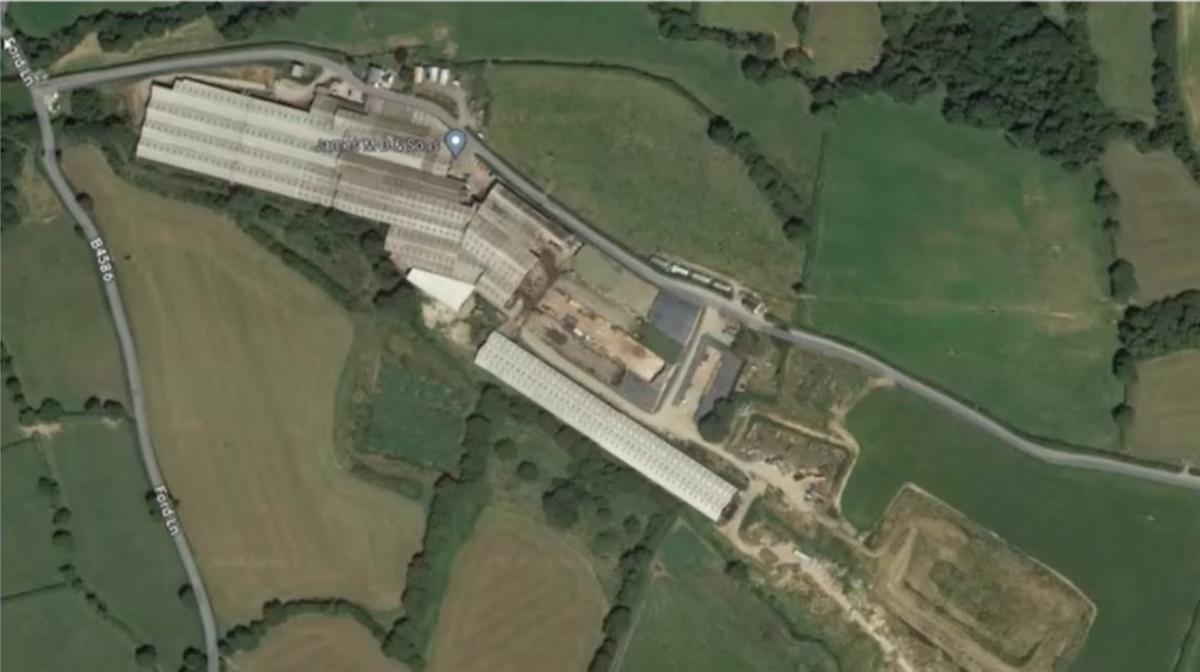
PLANS for new calf buildings one of Pembrokeshire’s largest dairy farms, described as having near-five-star animal welfare despite previous concerns, have been given the go-ahead.
At the September 3 meeting of Pembrokeshire County Council’s planning committee, an application by Hugh James of Langdon Mill Farms Ltd for a calf building, weaned calf building, and associated yard areas, at Langdon Mill Farm, near Jeffreyston, Kilgetty was recommended for conditional approval.
The application was previously heard at the July meeting, again recommended for approval, but was deferred pending a site visit.
Ahead of that application, a supporting statement, through agent Reading Agricultural Consultants, said: “The holding currently has a milking herd of approximately 2,000 cows, which are housed indoors for the majority of the year, with dry cows [cows that are not lactating, prior to calving] and heifers grazed outdoors when weather and soil conditions permit.”
Currently, calves are reared at Langdon Mill Farm for two months before being transported off-site to be reared at a number of third-party farms in the area before being return later; the proposed 61.2m long calf building is required to accommodate young-stock, following separation from the cows, to two-months, with the 164.8m weaned calf building to be used for calves from two months to seven months.

The application said the proposals would “clearly make the enterprise more financially robust by reducing reliance on third party farms”.
16 letters of objection to the proposal have been received, raising concerns including claims the size of the operation is already out of keeping with the area, a potential impact on highway safety, environmental concerns including smell and claimed river pollution, a report for planners says.
Concerns were raised at the July committee meeting by objector Ian Dennis, a former vet of some four decades’ experience, who said the 2,000 cattle currently on site “are never allowed to graze,” the proposal, he said, would add another 1,000 cattle to the site.
“This is factory farming, an intensive livestock unit, no longer a farm.”
Speaking at the September meeting, Mr Dennis raised concerns about the potential pollution of nearby water sources from the development.
Following the site visit, an officer report is recommending conditional approval of the scheme said it “would enable efficiencies in the operation of an existing dairy farm business that will have associated environmental and animal welfare benefits”.
At the September meeting, Councillor Brian Hall, who later moved the application be approved, referred to the committee’s site visit.

“I was initially very concerned about the animals in the buildings, but once I looked in, I was very impressed by the condition of the cattle, they looked as if they had just come out of the barbers.
“On the basis of what I saw, the condition of the calves, in all honesty I have no hesitation in moving approval of the site, it’s got to happen so these farmers can increase their very successful operation.”
He was backed by Cllr Mark Carter, who said: “It’s a huge farm with lots of cows, it may be thought that big farms don’t equal a lot of welfare; in my past jobs I’ve driven a livestock lorry, the cows and calves all looked very healthy to me.
“The reason we’ve been told the shed is required is to effectively make a closed unit to minimise the effect of TB; TB is an absolute scourge for agriculture, to me this farm has got the right idea: they are not being moved around the county.
“I absolutely wholeheartedly agree with this application, I’ve no concerns about the welfare of the animals.”
While Councillor Jon Cole raised concerns about the ‘factory’ nature of the farming, Councillor John T Davies, himself a dairy farmer, supported the scheme.
“It is impressive, clearly the gent seemed to be very committed to animal welfare; this new building will make it significantly better as far as animal welfare is concerns, I certainly have no question marks whatsoever, it was no less than four-star, bordering on five-star.”
He said dairy farming was being forced to bigger farms due to economies of scale: “Whether you agree with industrial size farming or not, it exists; sadly in the world we now live in the market and supermarkets are now pushing in this direction – the milk prices at 30 years ago but the costs at 2024.”
The application was unanimously approved by committee members.


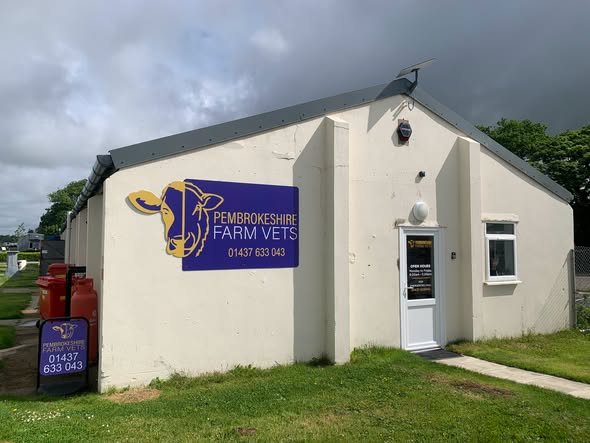
New purpose-built facility will provide round-the-clock livestock care, faster diagnostics and expanded services for farmers
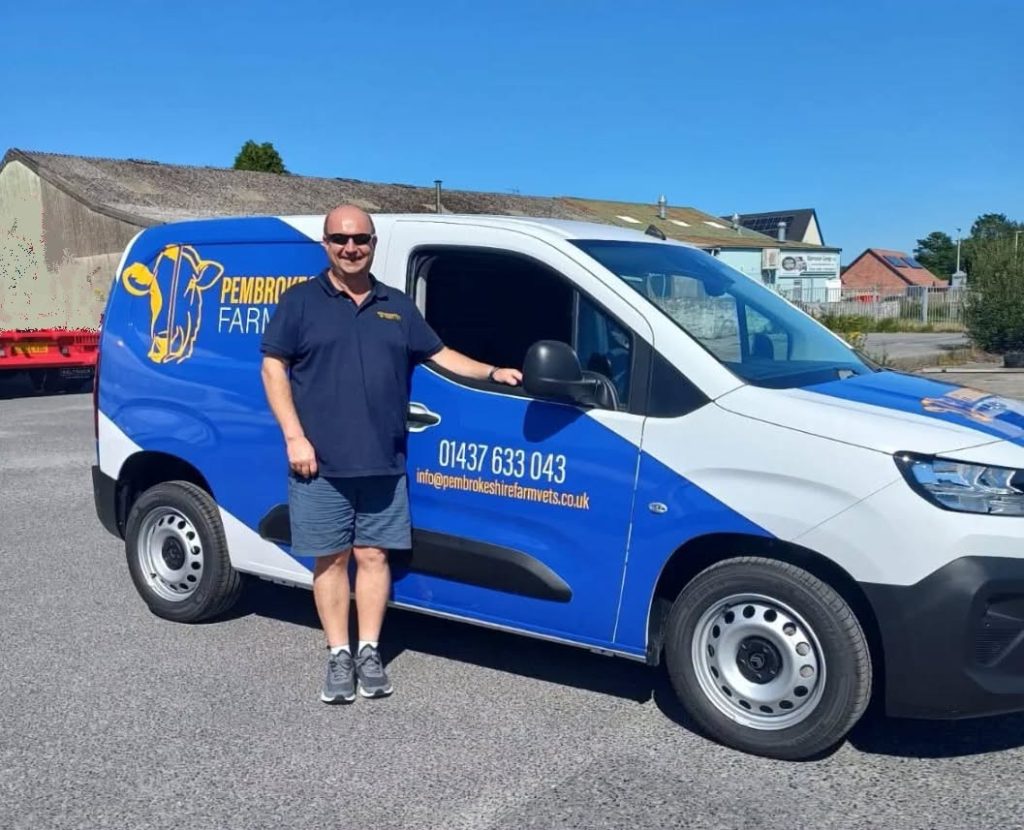
Pembrokeshire Farm Vets has opened a new £236,000 veterinary practice at the Pembrokeshire County Showground in Haverfordwest.
The purpose-built, 2,000-square-foot facility replaces the practice’s former portacabin at the site and has been designed exclusively for livestock and farm veterinary work.
The investment will allow the practice to expand its services while continuing to provide 24-hour emergency care to farmers across Pembrokeshire and neighbouring areas.
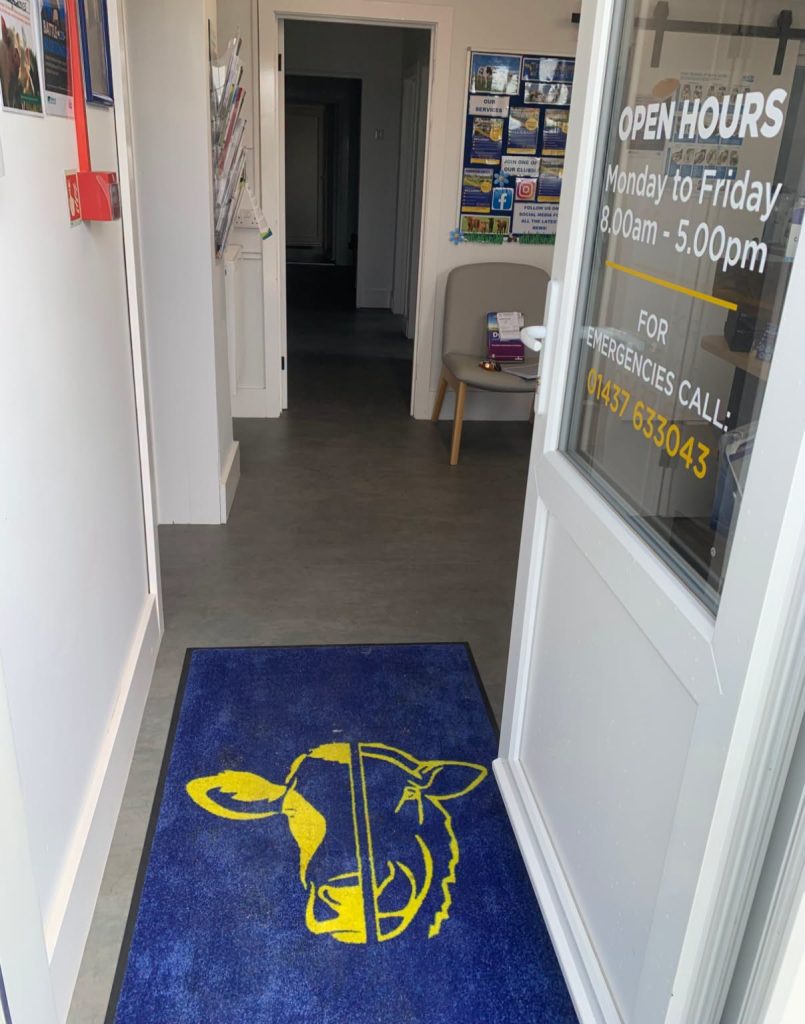
Facilities include dedicated clinical and diagnostic spaces, a specialist laboratory, a medicines store and a purpose-built lambing room.
The laboratory is equipped with an Ovacyte system for carrying out faecal worm and fluke egg counts, a Mastatest machine for analysing milk samples and equipment for in-house blood testing.
Faecal egg count results can be available within 15 minutes, allowing farmers to receive prompt advice on whether treatment is required.
An on-site Registered Animal Medicines Adviser can also help farmers select appropriate treatments and reduce unnecessary medicine use.
The new lambing room includes a hydraulic lambing table, holding pens and a roller shutter entrance, providing improved facilities for both routine and emergency lambing work.
Services offered by the practice include dairy herd visits, flock and herd health planning, bull fertility testing, pregnancy diagnosis, mastitis investigations, youngstock management, nutritional advice, TB testing and export certification.
The team also provides veterinary support for goats and smallholders, as well as a number of farmer-focused schemes including its Flock Health Club, Smallholder Club, Spring Fertility Package and Growing Calf Package.
A comprehensive range of medicines and agricultural products will be stocked at the site, including vaccines, wormers, fly repellents, oral fluid therapy products, marker sprays and other everyday farm supplies.
The practice said products would be competitively priced, with a price-matching service also available. An online shop offers delivery across the UK.

The Haverfordwest facility will be staffed by a seven-strong farm team, including vets Alex, Alice, Rose and Ruben.
They will be supported by Mark, who oversees medicines and special offers, and reception staff Emma and Melanie.
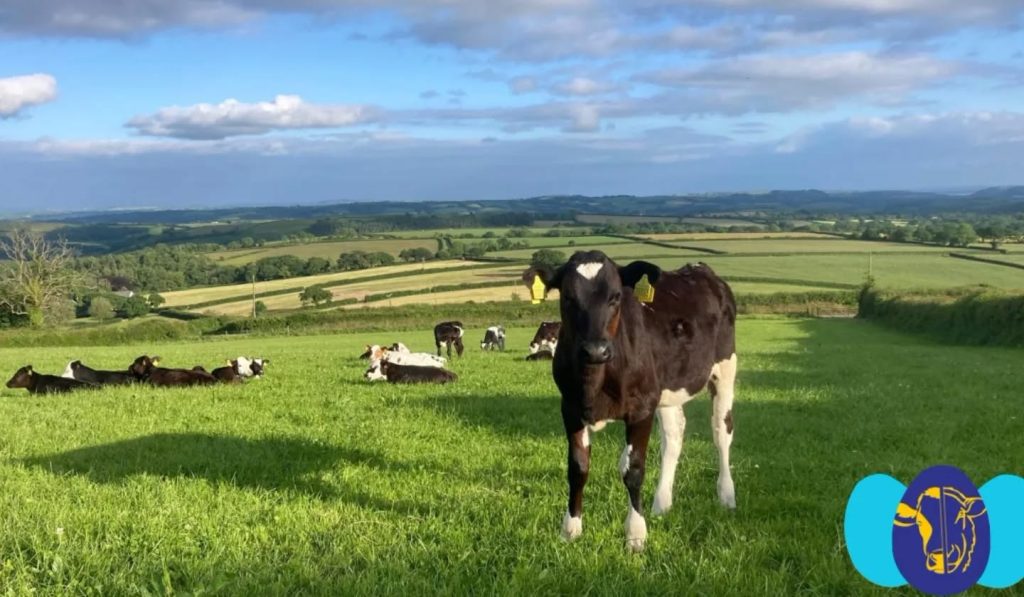
Pembrokeshire Farm Vets currently works with almost 200 farms and is accepting new clients, including dairy businesses, sheep farms and smallholders.
Clinical director Alice Davies said: “We are incredibly proud to open this new facility for the Pembrokeshire farming community.
“This building represents a major investment in local agriculture and allows us to deliver the standard of care our clients deserve, with better equipment, faster diagnostics and more space for practical support.
“Our team is passionate about helping farmers meet the challenges of modern livestock production, and this new practice will enable us to support even more farms, 24 hours a day, across the county.”
Pembrokeshire Farm Vets launched in April 2023 and provides livestock veterinary services across Pembrokeshire and other parts of south-west Wales.
The practice is based at Unit 15, Pembrokeshire County Showground, Withybush Road, Haverfordwest, and is open from 8:00am until 5:00pm, Monday to Friday.
Thousands gather at Llanelwedd as Welsh farming, rural heritage and the future of food take the spotlight
THE ROYAL WELSH SHOW has opened at Llanelwedd, with thousands of visitors arriving for four days celebrating Welsh agriculture, food, countryside traditions and rural life.
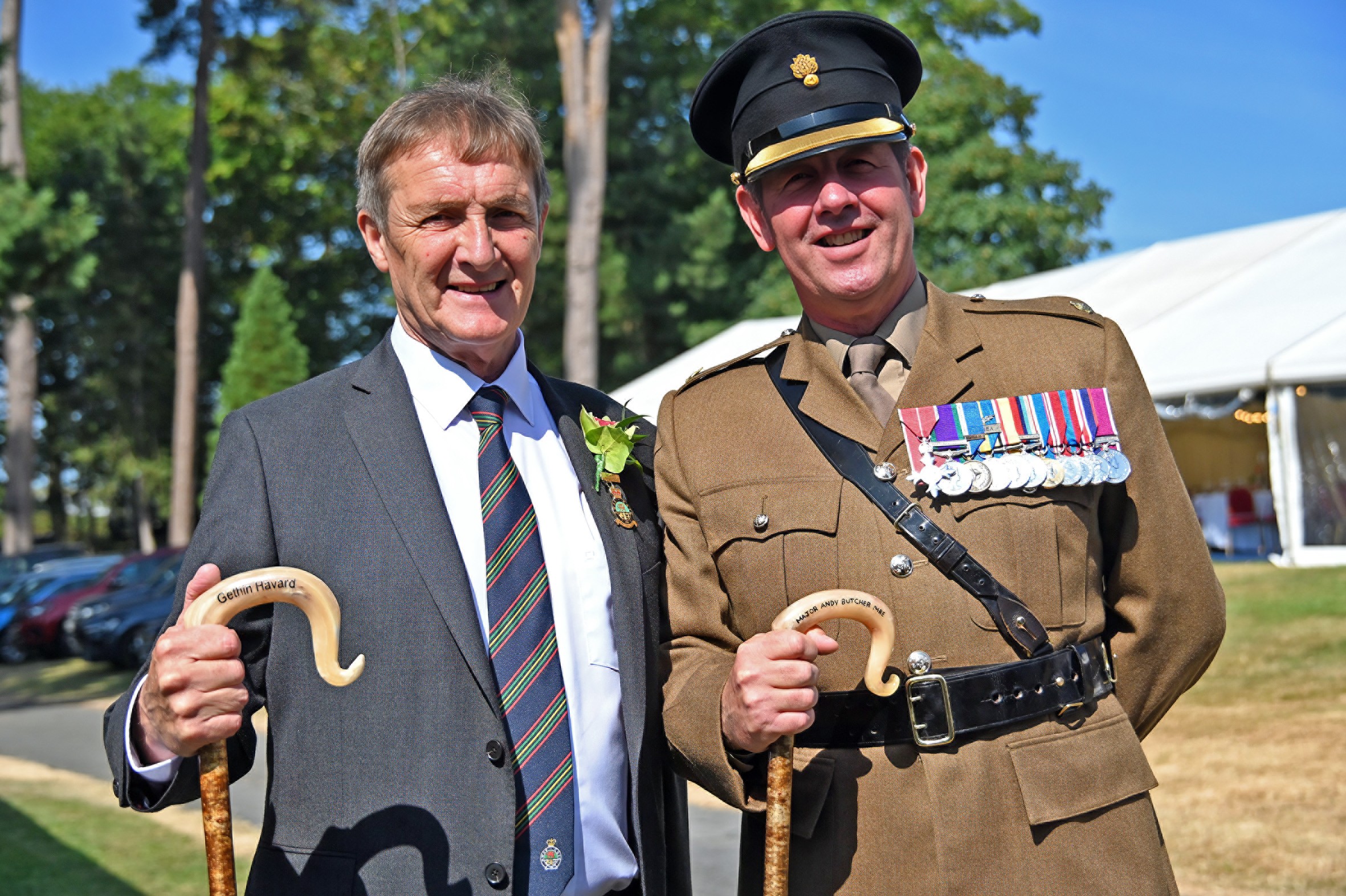
Major Andrew Butcher MBE, Senior Training Safety Officer at Sennybridge Defence Training Camp, officially declared the 2026 show open during Monday’s traditional ceremony.
He was joined by Royal Welsh Agricultural Society chair of council Nicola Davies, show president Gethin Havard and representatives from farming, government and rural organisations.
First Minister Rhun ap Iorwerth was among the senior political figures attending the opening day, underlining the show’s importance not only as a major visitor attraction, but as a focal point for debate about the future of agriculture and food production in Wales.
This year, Brecknock is taking centre stage as the society’s Feature County.
It is the fifth time the county has held the honour, following previous feature years in 1964, 1980, 1997 and 2012.
The opening ceremony recognised the efforts of Mr Havard and his family, county advisory committee chair Rob Powell, honorary secretary Shelley Hughes, ambassador Teleri Haf Thomas and the many volunteers involved in organising events and raising funds throughout the year.

Last month’s Grassland Event at Cwmbrynich, hosted by the Havard family, was among the highlights of Brecknock’s feature year.
A special tribute was also paid to the families of Epynt who were displaced from their homes in 1940 when the land was taken over for use as a military training area.
Addressing the crowd, Major Butcher said agriculture remained central to the Welsh economy, environment, food security and national identity.

He said: “In a rapidly changing world, the importance of agriculture has never been clearer. It is central to our economy, to our environment and to our food security. But beyond all that, it is central to our identity.
“The Royal Welsh Show stands as a powerful reminder of that truth. It showcases excellence, encourages innovation and strengthens the bonds between us.

“It brings town and country together, offering a space where understanding can grow and where traditions can be celebrated and shared.”
The show was officially opened to a fanfare performed by the Regimental Band of The Royal Welsh.
Farming policy takes the spotlight
Away from the competitions and entertainment, the political future of Welsh farming has already emerged as one of the central themes of this year’s show.
The Welsh Government used the event to confirm that £340 million a year will be provided for three years to March 2030 to support the Sustainable Farming Scheme.
The package includes £238 million annually for the scheme’s Universal Layer and £102 million for its Optional and Collaborative Layers.
Ministers say the multi-year agreement will end the uncertainty caused by annual funding decisions and allow farmers to plan investments with greater confidence.
A new national Farm to Fork plan is also being unveiled during the show, setting out proposals for the future of food production and the wider food industry in Wales.
New sheep village launched
Among the major additions to the showground this year is Cynefin, a new Welsh Sheep Village created by the Royal Welsh Agricultural Society and the National Sheep Association.
The area was opened by Margaret Dalton OBE and Alun Evans CBE, both longstanding champions of the Welsh and UK sheep industry.
The dedicated village celebrates the people, breeds, products and traditions that have shaped sheep farming in Wales, while showcasing innovation and best practice across the sector.
Visitors can take part in educational displays, live demonstrations, discussions and interactive activities designed to improve understanding of the role sheep farming plays in the Welsh landscape, rural economy and national heritage.
Brecknock’s native breeds are also being showcased, including the Beulah Speckled Face, Brecknock Hill Cheviot, Epynt Hardy Speckled Face and Talybont Welsh Mountain.
The name Cynefin reflects the close relationship between the land, livestock, farming families and the communities shaped by the sheep industry.
The popular Horticulture Village has also returned with a packed programme of expert talks, demonstrations and practical activities.
BBC Gardeners’ World presenter Adam Frost joined the opening day as special guest judge for the Micro Show Garden Competition before taking part in a question-and-answer session with visitors.
Main Ring entertainment
The Main Ring programme began with the Royal Welsh debut of the Shetland Pony Grand National, alongside the return of the Paul Hannam Quad Bike Stunt Show, Hawkeye Falconry and displays by the RAF Falcons.
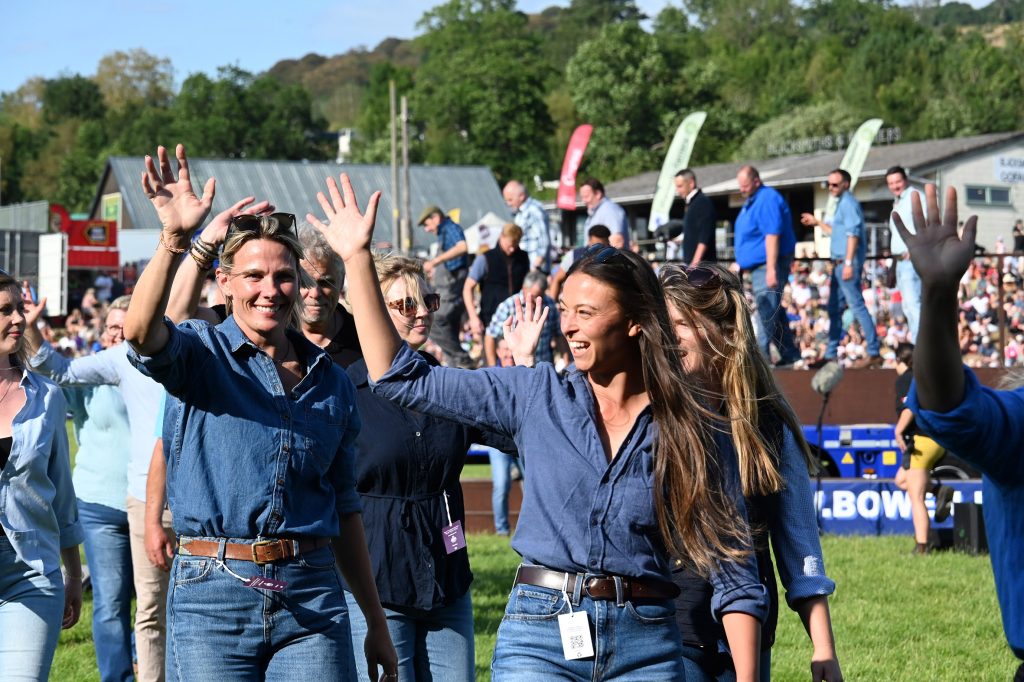
A special performance was also given by Britain’s Got Talent winners the Hawkstone Farmers’ Choir, whose members waved to the crowds from the Main Ring.
The choir has used its growing public profile to raise awareness of loneliness and mental health pressures within farming communities.
Wales YFC also marked its 90th anniversary with a colourful display celebrating the organisation’s contribution to rural life and generations of young farmers.
The Royal Welsh Show continues until Thursday, July 23, with livestock and equine competitions, forestry, horticulture, countryside sports, shopping, Welsh food and drink and a full programme of Main Ring entertainment.
Picture caption: Royal Welsh Agricultural Society president Gethin Havard with Major Andrew Butcher MBE following the opening ceremony.
Picture caption: Members of the Hawkstone Farmers’ Choir wave to the crowds from the Main Ring.
Pictures: RWAS
Welsh Government guarantees £340m annually for Sustainable Farming Scheme as minister pledges greater certainty and less bureaucracy
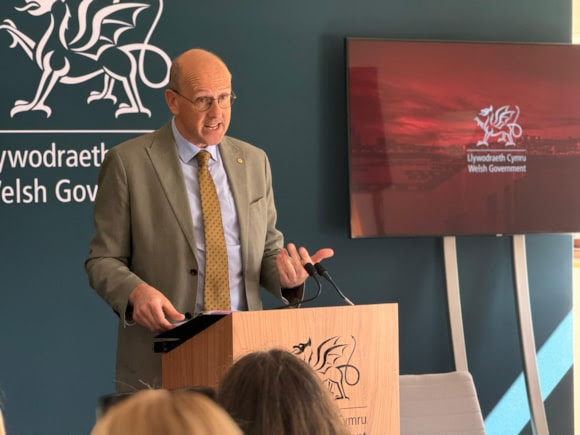
WELSH farmers will receive more than £1 billion in agricultural funding over the remainder of the Senedd term, under a new multi-year commitment announced by the Welsh Government.
Cabinet Minister for Rural Resilience and Sustainability, Llyr Gruffydd, unveiled the package at the Royal Welsh Show, in his first major announcement since taking responsibility for the rural affairs portfolio.
The Government has guaranteed £340 million a year for three years, taking funding for the Sustainable Farming Scheme through to March 2030.
Of that annual total, £238 million will support the scheme’s Universal Layer, while £102 million will fund Optional and Collaborative actions.
The Welsh Government said the agreement would end the uncertainty caused by annual funding settlements and allow farming businesses to make longer-term investment and planning decisions.
The commitment was promised during the first 100 days of the new Plaid Cymru Government.
Mr Gruffydd said: “Giving farmers only 12 months’ line of sight to funding is not sufficient.
“We know how hard it is to plan and make business decisions without knowing what funding is coming.
“Farmers told us loud and clear they need certainty and stability, and that is exactly what we are delivering.”
Red tape changes announced
The minister also announced initial measures intended to reduce bureaucracy for family farms, following early feedback from an independent review led by former NFU Cymru president John Davies.
The requirements of the Animal Health Improvement Cycle, known as AHIC, will be simplified under the Universal Layer of the Sustainable Farming Scheme.
The Welsh Government will work with farm assurance schemes to align their requirements from 2027.

Farmers participating in an aligned assurance scheme would then complete one form following a single veterinary visit, rather than carrying out separate processes for farm assurance and Sustainable Farming Scheme compliance.
Because 2026 is being treated as a transition year, membership of farm assurance schemes that have committed to aligning their requirements by 2027 will be accepted as satisfying the AHIC requirement this year.
Mr Gruffydd said the relationship between farmers and their vets would remain central to improving animal health and farm performance.
New grants opening
Applications for organic conversion support are expected to open at the end of July.
A new Production and Efficiency capital grant category will also provide support towards livestock-handling facilities, precision soil and crop-management equipment, and other investments designed to reduce waste and improve productivity.
Further Optional Actions will be introduced over the coming months.
The Small Woodland Creation Grant and Woodland Creation Grant application windows will open on Monday, July 20.
A further window for the Integrated Natural Resources Scheme, which forms part of the Collaborative Layer, is also expected to open later this year.
Mr Gruffydd said: “The family farm sits at the heart of rural Wales, its economy and its communities.
“I am committed to working to ensure farming in Wales thrives for generations to come.
“My message to farmers from day one has been: you have a minister on your side.
“Someone who is in tune with the agricultural sector, who knows that the family farm is the foundation of our rural economy and our rural communities, and who will work every day to make sure farming in Wales thrives for generations to come.”



Crime11 hours ago
Murder investigation launched into death of Pembrokeshire man in 1991
A 67-YEAR-OLD man has been arrested on suspicion of murder after new potential evidence emerged in connection with a death...

Community15 hours ago
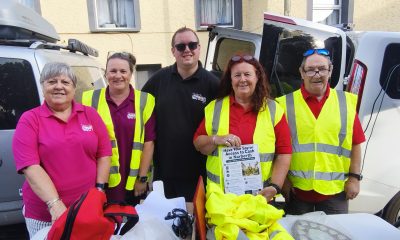
‘Paying £29 to reach a cashpoint is absurd’: Narberth’s urgent ATM appeal
Residents, businesses and visitors are being urged to provide evidence after two High Street cash machines were removed, leaving the...

Crime1 day ago
Haverfordwest man jailed for seven years for historic rape and sexual assault of girl
A HAVERFORDWEST man has been jailed for seven years after being convicted of raping and indecently assaulting a girl during...


News2 days ago
Burnham more willing to listen on Welsh devolution, says First Minister
Rhun ap Iorwerth says he will press the new Prime Minister for powers over policing, railways and Wales’ natural resources...


Crime2 days ago
Women jailed after man chased through Milford home and attacked with knives
Kelly Rees receives further 27-month sentence while already serving prison term for notorious taxi robbery TWO women have been jailed...


Crime2 days ago
Mother headbutted and clawed police officers after threatening social worker
Court shown body-worn footage of violent confrontation at Goodwick property A COURT has been shown police body-worn footage capturing the...

Crime2 days ago
Man, 37, found dead following major police response in Pembroke Dock
Death not being treated as suspicious as police make statutory referral to IOPC following active investigation A 37-YEAR-OLD man has...

Community3 days ago
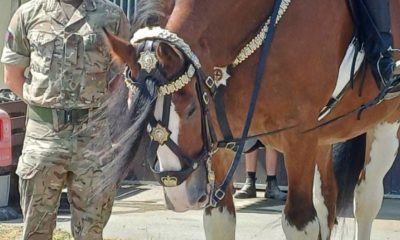
Household Cavalry drum horse returns home to Pembrokeshire for final farewell
Dyfed Willa Rose, who became Major Juno and the first mare to serve as a Household Cavalry Drum Horse, was...

News3 days ago
Jo Stevens out as Welsh Secretary as Burnham reshapes government
Cardiff East MP repeatedly visited Pembrokeshire to champion clean energy jobs, but her successor inherits unresolved questions over Milford Haven’s...


Crime4 days ago
Teen cleared of attempted murder but guilty of GBH after Milford teacher stabbed
Jury returns 11-1 majority verdict on charge of causing grievous bodily harm with intent, with sentencing set for September 3...
-

 Crime2 days ago
Drunken rail passenger tried to headbutt police after being refused travel
-
Crime2 days ago
Women jailed after man chased through Milford home and attacked with knives
-
News2 days ago
Burnham more willing to listen on Welsh devolution, says First Minister
-
Crime1 day ago
Haverfordwest man jailed for seven years for historic rape and sexual assault of girl
-
Crime2 days ago
Mother headbutted and clawed police officers after threatening social worker
-
 Community2 days ago
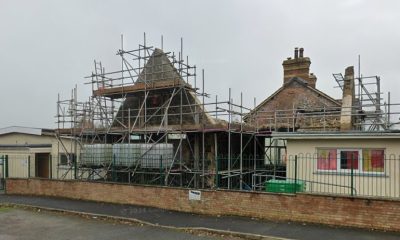
Senior councillors to consider call for ‘impartial investigation’ into Manorbier school closure
-

 Entertainment2 days ago
Aerial circus show exploring identity and belonging comes to Torch Theatre
-
 Community2 days ago
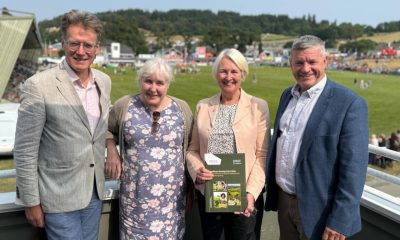
£447,000 investment to train next generation of planners in Wales