


Health
Smoke-free ambitions clouded by concerns over illicit market


THE UK government introduced its Tobacco and Vapes Bill in Parliament today, aiming to create a “smoke-free generation” by prohibiting anyone born after 1 January 2009 from legally purchasing cigarettes for the rest of their lives. The Bill also proposes strict new restrictions on nicotine products, including vapes, heat-not-burn products, and nicotine pouches.
Public health experts in Wales are largely supportive of the new legislation, seeing it as a potential driver in reducing the strain on the NHS in Wales. Smoking-related illnesses are a major contributor to healthcare costs, and advocates argue that curbing smoking among future generations will yield long-term health and economic benefits. This could be especially impactful in Welsh regions where smoking rates are persistently high.
However, there is also concern about how restrictions on safer nicotine alternatives, such as vapes and heat-not-burn products, could impact Welsh individuals trying to quit smoking. The Welsh NHS has invested in smoking cessation programs that promote these alternatives, and some fear that restrictions on these products may reduce access to effective cessation tools, ultimately affecting health outcomes.
Mike Salem, UK Country Associate for the Consumer Choice Center (CCC), reacted to the news: “Whilst it is predictable that the prohibition was going to be introduced, I am extremely concerned and disappointed with how little regard the government has had for consumers’ voices, particularly the young voices.”
The Bill revives an initiative initially proposed by the previous Conservative government before the election, though Labour’s version brings in tougher regulations. The proposal has sparked debates across various groups, with health advocates supporting the measures and others, like the CCC, voicing concerns about potential unintended consequences.

Illicit market worries
The CCC has highlighted fears that prohibitions may fuel an already significant black market for tobacco products in the UK. According to Salem, 2023 saw the highest number of illicit cigarettes consumed in the country, with one in five cigarettes sold illegally. He warns that restrictions risk expanding this underground market.
“It is no surprise that gangs and illegal suppliers are already positioning themselves in this market in anticipation of the prohibition,” Salem said. He cited experiences from other regions, such as the state of Victoria in Australia, where similar prohibitions have led to gang-related violence and exposed children to criminal activities, including arson.
Impact on young people

Critics of the Bill argue that the Labour Party’s approach may negatively impact young people, whom they claim are already disadvantaged by recent policies. “The Labour Party has shown that it is the Party of Boomers, and is letting young people down,” Salem said. He added that recent increases in tuition fees and levies on alcohol and soft drinks, along with tougher employment markets, restrict young people’s lifestyle choices and increase their exposure to illegal markets.
Public health debate
Supporters of the Bill believe these measures are necessary to protect public health. They argue that strict controls on tobacco and nicotine products are crucial steps towards reducing smoking rates, improving long-term health outcomes, and reducing the burden on the NHS. Advocates also believe that limiting youth exposure to nicotine will reduce future smoking rates.

However, Salem argues that the Bill may have the opposite effect. “Not everyone can quit cold turkey,” he said, noting that many people have found success using alternative products like vapes, heat-not-burn devices, and nicotine pouches. “Restricting safer methods of consuming nicotine makes it extremely difficult for those who are trying hard to quit smoking to do so permanently and positively.”
Alternative solutions proposed
The CCC says it is calling on the government to ensure existing laws are enforced first, such as banning nicotine sales to under-18s, before introducing a total prohibition. They argue that failing to do so will lead to worse public health outcomes and put consumers and children in a vulnerable position. The Bill now moves forward for further debate, with both sides urging careful consideration of the potential impacts on public health, youth, and the illicit market.



Paul Sartori Hospice at Home is celebrating a major support package from The James Tudor Foundation thanks to an unrestricted grant to help fund the charity’s vital end-of-life care services throughout the county.
The £46,364 grant award ill be paid over three years.
Commenting on the windfall, the new Chief Executive Officer, Laura Hugman, said, “At a time where funding and funding partnerships are challenging, we’re very grateful to The James Tudor Foundation in helping us achieve our aims and passion for supporting and bringing reassurance to the local families who need us.”
Paul Sartori Hospice at Home provides an holistic approach to end-of-life care, which encompasses home nursing, equipment loan, complementary therapies, bereavement and counselling support, physiotherapy, future care planning, and training. The team provides thousands of hours of day and night respite care each year, ensuring that patients can receive the support they need, complementing the statutory provision within the comfort of their own homes.
Judith Williams, Grant Development Officer at Paul Sartori Hospice at Home, expressed the charity’s gratitude: “We’re incredibly thankful to The James Tudor Foundation for their continued generosity. Their support helps us maintain our nursing service, which is a lifeline for many families facing end-of-life care challenges.”

Paul Sartori Hospice at Home offers a comprehensive range of services to individuals with life-limiting illnesses, ensuring they can be cared for at home with dignity, independence, and comfort.
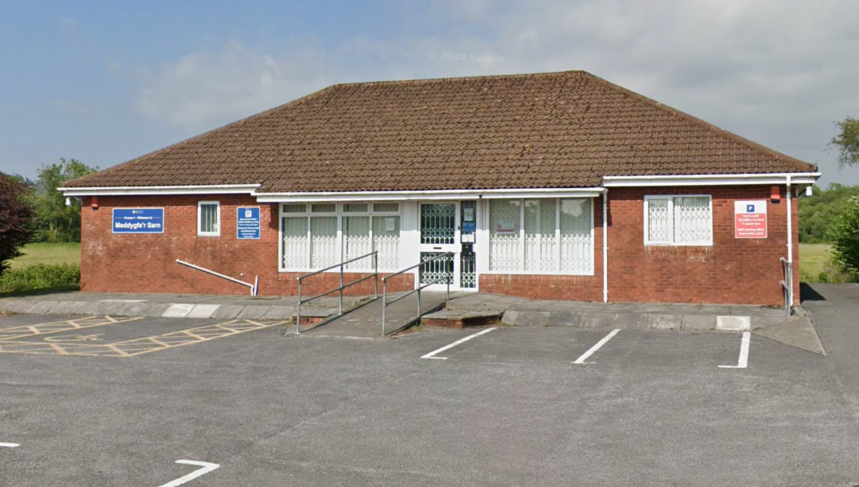
Health board accused of misleading claims over recruitment as pressure mounts ahead of final decision
A FREEDOM of Information disclosure has raised serious questions over plans to close Meddygfa’r Sarn in Pontyates, with claims the health board failed to properly attempt to recruit permanent doctors before recommending its shutdown.
The row centres on Hywel Dda University Health Board, which is due to make a final decision on the surgery’s future later this month.
An FOI response reveals that while the board cited a “lack of recruitment interest” in its January report, there is limited evidence of any recent, targeted recruitment campaign specifically aimed at the Pontyates practice.
Instead, the board confirmed that salaried GP roles were advertised in 2020 across its wider portfolio of managed practices — rather than as a focused effort to fill posts at Meddygfa’r Sarn itself. Those vacancies did not result in successful appointments.
‘No real attempt’
Independent Senedd candidate Carl Peters-Bond, who is also a patient at the surgery, has strongly criticised the health board, accusing it of presenting a misleading picture to justify closure.
He said: “They cited a lack of recruitment interest as justification for closing this surgery — but they never actually ran a proper recruitment campaign for it.
“Sending out general adverts years ago is not the same as making a serious, targeted effort to keep a vital community service alive.”
He also raised concerns about the consultation process, claiming it focused on the impact of closure rather than asking whether closure should happen at all.
Fully reliant on locums
The FOI confirms that Meddygfa’r Sarn currently has no salaried GPs and is entirely dependent on locum doctors.

While the health board says this model is unsustainable in the long term, the same disclosure shows several other managed practices across the region also rely heavily on locum staff — some to a significant degree.
Cost data included in the response suggests Meddygfa’r Sarn is not the most expensive practice per patient within the health board’s area.
Alternative options unclear
Another key issue raised by campaigners is the apparent lack of explored alternatives.

The FOI response indicates that the health board does not hold information on alternative local solutions, including potential relocation or different service models within the Pontyates area.
Campaigners argue this suggests closure was considered before all options had been properly examined.
A 52-page independent report submitted as part of the consultation process states that dispersing patients to other surgeries should only be considered as a last resort, after full recruitment efforts and capacity assessments have been carried out.
Health board position
Hywel Dda University Health Board maintains that the surgery, which serves around 4,350 patients, has faced long-standing recruitment difficulties and increasing reliance on temporary staff.
It says a Vacant Practice Panel concluded that dispersing patients to neighbouring surgeries would provide a more sustainable long-term solution.
The board has also acknowledged that transport and access concerns are likely to be a major issue for patients if the closure goes ahead, with a full Equality Impact Assessment expected to be considered before a final decision.
Decision later this month
The future of Meddygfa’r Sarn will be decided at a meeting of Hywel Dda University Health Board on Wednesday (May 28) at Yr Egin in Carmarthen.
With local anger growing and new questions emerging from the FOI disclosure, pressure is mounting on board members to reconsider the proposal.
Campaigners say the case now hinges on a simple question: whether enough was done to save the surgery before moving to close it.

DENTISTS FROM ANTALYA TO VISIT COUNTY TOWN
A TURKISH dental clinic is running a dental meet-up in Haverfordwest this weekend as part of a promotional visit to Wales.
Unique Smile Turkey, which has a permanent office in Wales in Swansea, says its top dentists will be coming to Haverfordwest on Sunday (May 3).
The event is being advertised as a “Dental Meet-Up” and is scheduled to run from 10:00am to 6:00pm at the Mariners Hotel.
The visit features three clinicians: Assoc Prof Dr Ummuhan Tozoglu, described as a specialist in oral diagnosis, radiology and dental planning; Professor Dr Sinan Tozoglu, described as an oral and maxillofacial surgeon and implantologist; and Professor Dr Ismet Duran, described as a periodontologist and implantologist.
The team have between twenty and 35 years of experience in their respective fields.
A contact number has also been provided for enquiries: +90 505 678 90 90.
The visit comes amid continuing interest in dental tourism, with many people in the UK looking overseas for cosmetic dentistry, implants and other private dental treatment.
Turkey has become one of the most popular destinations for such treatment, although patients are generally urged to make careful checks before committing to any procedure abroad, including aftercare arrangements, qualifications, insurance, treatment plans and what support would be available if complications arise after returning home.




News2 hours ago
Bishop’s report reveals major renewal challenge at St Davids Cathedral
Formal Visitation highlights financial, structural, leadership and spiritual pressures at one of Wales’ most important religious sites ST DAVIDS CATHEDRAL...


Crime18 hours ago
Farming company fined £19,000 for damaging protected wildlife site
A CARDIGAN farming company has been ordered to pay almost £20,000 after recklessly damaging a Site of Special Scientific Interest....


News21 hours ago
Baby in critical condition after Fishguard emergency
Teenagers arrested as police investigate circumstances A BABY remains in hospital in a critical but stable condition after being taken...


Community2 days ago
Tenby phone signal crisis goes national as businesses warn of summer disruption
TRADERS SAY CARD PAYMENTS, TAXIS AND VISITOR SAFETY ARE BEING HIT BY ‘DEAD ZONE’ COVERAGE TENBY’S long-running mobile phone signal...


News2 days ago
Final poll puts Plaid and Reform level ahead of Senedd vote
Labour faces historic setback as new modelling points to a hung Senedd PLAID CYMRU and Reform UK are projected to...


News3 days ago
West Wales coracle fishermen raise alarm over suspected sewage pollution
A CENTURIES-old fishing tradition on the River Towy could be under threat after coracle fishermen reported suspected sewage pollution entering...


Community4 days ago
Scooter rally brings colour and nostalgia to Tenby
TENBY is buzzing with the sights and sounds of classic scooters this Bank Holiday weekend as the Welsh National Scooter...


Entertainment4 days ago
Haverfoodfest returns to Haverfordwest town centre today
HAVERFORDWEST town centre is expected to be busy today as Haverfoodfest 2026 returns for a full day of food, drink,...

Crime5 days ago
70-year-old denies assault and restraining order breach
A PENSIONER from Pembroke Dock has denied breaching a restraining order and assaulting another man. Henry Howlett, 70, of Market...


News6 days ago
Conservatives target two seats in new Ceredigion Penfro constituency
Paul Davies and Sam Kurtz say health, farming and transport are key as they seek return to the Senedd CONSERVATIVE...
-
News21 hours ago
Baby in critical condition after Fishguard emergency
-

 Community6 days ago
Dogs removed after welfare concerns at Milford Haven property
-

 Crime7 days ago
Pembrokeshire hairdresser avoids prison after pub assault
-

 Crime2 hours ago
Milford motorist disqualified for drug-driving
-

 Business7 days ago
Handcrafted garden furniture built to last across Pembrokeshire
-
 Charity7 days ago
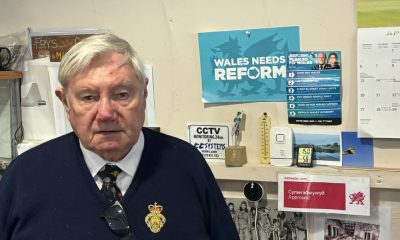
Row erupts at Spitfire museum after Reform poster displayed at charity premises
-
 Community7 days ago
Cancer patients targeted with parking fines outside Haverfordwest support centre
-

 Crime6 days ago
Two men bailed after Fleming Crescent burglary report