


News
Industrial strategy to boost growth and jobs in Wales


A MODERN Industrial Strategy aimed at making the UK the premier destination for business investment and growth has been unveiled today (Monday, June 23), promising billions in investment and tens of thousands of new jobs across Wales.
The comprehensive 10-year plan, published by the UK Government, will significantly reduce electricity costs for more than 7,000 energy-intensive businesses by up to 25%. This includes industries such as automotive, aerospace, steel, chemicals, and glass, sectors crucial to the Welsh economy.
High electricity prices, historically among the highest globally, have long hindered UK manufacturing competitiveness. From 2027, the new British Industrial Competitiveness Scheme will lower electricity costs by up to £40 per megawatt-hour for affected businesses, exempting them from levies such as the Renewables Obligation, Feed-in Tariffs, and Capacity Market fees.
Further support is also being offered through the British Industry Supercharger, raising the discount on electricity network charges from 60% to 90% starting in 2026. These initiatives aim to level the playing field, supporting firms to invest, grow, and safeguard skilled jobs.
Prime Minister Keir Starmer described the strategy as a “turning point” for the UK economy, stating: “In an era of global economic instability, this provides long-term certainty and direction British businesses need to innovate, invest, and create quality jobs. Our message is clear: Britain is back and open for business.”

Secretary of State for Wales, Jo Stevens, highlighted the specific benefits for Wales, saying: “Wales has huge potential. This strategy harnesses our businesses and workforce strengths, particularly in aerospace, semiconductors, and emerging industries like floating offshore wind, positioning Wales as a global leader.”
Key Welsh-specific measures include:
- Over £4 billion investment in the UK’s advanced manufacturing sector, significantly benefiting Welsh firms such as Airbus in Broughton, North Wales.
- Establishment of a semiconductor doctoral training centre at Swansea University, enhancing South Wales’ globally recognised semiconductor cluster.
- A Defence Growth Deal cluster leveraging Wales’ defence industry footprint.
- A new British Business Bank champion for Cardiff Capital Region, connecting businesses and investors to stimulate growth.
- A £30 million Local Innovation Partnerships Fund in collaboration with Innovate UK to spur innovation in Wales.
- Enhanced investment opportunities through the National Wealth Fund and Development Bank of Wales.
- A £600 million Strategic Sites Accelerator to increase investible sites and bolster regional growth.
Business and Trade Secretary Jonathan Reynolds emphasised the broader UK implications, noting: “We’ve secured £100 billion of investment in the past year alone. This Industrial Strategy will ensure the UK remains globally competitive by reducing energy costs, enhancing skills, and attracting billions for new business sites and research.”
Welcoming the strategy, Sarah Williams-Gardener, Chair of Fintech Wales, said: “We look forward to unlocking the full potential of financial services, especially the emphasis on AI and digital innovation.”
Frank Holmes, Chair of the Cardiff Capital Region Investment Board, added: “The renewed focus on industrial strategy and SME finance aligns with our regional vision, driving job creation and innovation.”
Louise Harris, CEO of Tramshed Tech in Cardiff, highlighted the strategy’s role in technology and innovation, stating: “Aligning local strengths with national ambitions will empower Welsh businesses to lead in sectors such as tech and advanced manufacturing, creating sustainable, high-quality jobs.”
The Industrial Strategy also includes sector-specific plans:

- Advanced Manufacturing: £4.3 billion funding to anchor supply chains and promote zero-emission technologies.
- Clean Energy: Doubling investments by 2035, including £700 million for clean energy supply chains.
- Creative Industries: £380 million to boost growth in film, TV, gaming, music, and arts.
- Digital and Technologies: Over £2 billion for AI and frontier technologies such as semiconductors in Wales.
- Professional and Business Services: Enhancing global trust and adoption of UK-grown AI technologies.
The plan aims to deliver over 1.1 million well-paid jobs nationwide, driving economic prosperity, raising living standards, and positioning Wales at the forefront of the UK’s growth ambitions.

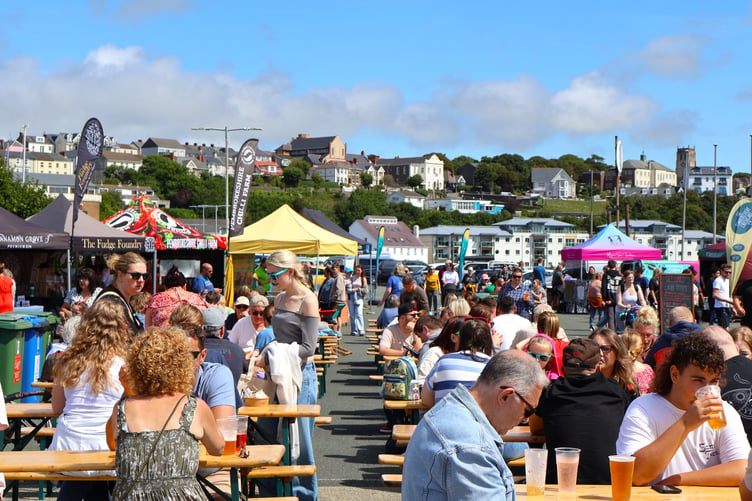
Free family festival will celebrate Milford Haven’s seafaring history and coastal community
MILFORD WATERFRONT will burst into life on Saturday, June 27, as the first Harbour Fest sails into town for a day of music, food, family fun and maritime celebration.
The free event will run from 10:00am to 6:00pm at Mackerel Quay and across the waterfront, bringing together local traders, live entertainment, coastal organisations and independent businesses for a packed day beside the water.
Organisers say the festival will celebrate everything that makes Milford Haven special, from its seafaring history and working harbour to its growing reputation as a destination for food, shopping, culture and family days out.
Visitors will be able to browse stalls from local makers and producers, enjoy street food and live performances, and explore a Marine Zone featuring organisations involved in sea safety, marine conservation and coastal life.
The Marine Zone will include Seagrass Network Cymru / Project Seagrass, Pembrokeshire Coastal Forum, Mid and West Wales Fire and Rescue Service, Dyfed-Powys Police, NCI Wooltack Point, Rudders Marine Training, RNLI Milford Haven and RNLI Angle Lifeboat.
RNLI Angle Lifeboat is expected to be based on the Mackerel Stage, while the Sea Cadets will be giving rope-tying displays at Milford Haven Museum, where craft activities will also be taking place.
Live entertainment will run throughout the day, with performances from Tom & Abz, Will Scott, Ryan Bristow, Milford Haven Town Band, Kyle Kirkhouse and ShantyJacs Sea Shanties.
Businesses across the waterfront are also joining in. All Pets Vet Care will hold a family-friendly open day with a bouncy castle, treasure hunts, quizzes, craft activities and behind-the-scenes tours. Aurora Artisan Crafts will host vocal performances, Biffy’s Bar & Restaurant will feature solo acoustic music from Laurence Lewis, and Martha’s Vineyard will offer seafood street food with live music from Ryan Bristow and Steve Bartram.
At Tŷ Milford Waterfront’s outdoor plaza there will be face painting, children’s activities, pop-up artists and an afternoon DJ set, while Phoenix Bowl and Pirate Pete’s Adventure Play will have inflatables and glitter tattoos outside.
The Waterfront Gallery will host introduction to felt-making workshops with textile artist Carole Fletcher, giving participants the chance to create a woollen felt flower pin brooch or phone/glasses case. The workshops start at 10:30am, 1:00pm and 3:30pm and cost £5 per person.
A wide range of traders will also be attending, including 5th Flock Spirits Co, Cinnamon Grove Distillery, Cwm Deri Wines & Liqueurs, Ferncraft, Get Loaded, J.J. Pottery, Major Nuts, Orange Garden Design, Pembrokeshire Chilli Farm, Pembrokeshire Gold, Pembrokeshire Lottery, Plumstone Welshcakes and SlateArtSJ.
With music drifting across the marina, food stalls lining the waterfront and lifeboats, sea safety teams and coastal groups adding a strong maritime flavour, Harbour Fest is expected to bring a lively summer atmosphere to one of Pembrokeshire’s best-known waterside destinations.

Organisers say the event is suitable for families, friends and visitors of all ages, with plenty to see and do throughout the day.
Photo caption: Harbour Fest will take place at Milford Waterfront on Saturday, June 27 (Pic: Milford Waterfront).

A NEW exhibition exploring memory, belonging and the changing face of rural life is opening in Cardigan.
West Wales artist Sue Dewhurst will present From the Outside Looking In at Oriel Cardi Bach, with the exhibition running from June 27 to July 30.
The collection brings together several new series of work reflecting on the people, places and traditions that shaped Dewhurst’s childhood in the 1970s.
At the heart of the exhibition are the Chapel Girls, a group of paintings focusing on women who might once have filled the chapels that dominated Welsh village life. In Dewhurst’s work, they are now seen finding new forms of belonging through shopping trips, bingo halls, dating apps, bottomless brunches and everyday rituals, while redundant chapels stand silent around them.
The exhibition also includes A Bit of a Do, a series inspired by weddings, family parties and village hall celebrations.
Among the familiar characters are the mysterious woman in her best hat who appears at every gathering, the accountant calculating buffet logistics, the retired nurse dancing barefoot long after everyone else has gone home, and Harry, a grumpy gent with a mysteriously missing fingertip that nobody dares ask about.
Dewhurst’s Ghost Town series will also feature, exploring the changing landscapes of northern mill towns and communities transformed beyond recognition. These works sit alongside expressive coastal paintings inspired by New Quay and the Ceredigion coast.
A further installation of miniature “party paintings” will be presented like treasured relics rescued from a forgotten village hall or working men’s club. Wrapped with handwritten stories and nostalgic memorabilia, the pieces invite visitors to remember people and moments that might otherwise disappear.
Sue said music also plays an important role in the exhibition.
She said: “Music is so evocative for me and can instantly transport me back to a certain point in time.
“I’ve always been fascinated by the lives we don’t usually celebrate – the women who held communities together, the odd characters who turned up at every family occasion, the places that shaped us and the memories that linger long after buildings and traditions have changed.
“This exhibition is really about looking back with affection and humour, while recognising that we are all, in one way or another, trying to find where we belong.”

Originally from Lancashire and now based near Llandysul, Dewhurst has spent more than thirty years working in the arts. She previously ran Oriel Haywire in Llandysul before its closure around eighteen months ago.
From the Outside Looking In opens at Oriel Cardi Bach, Cardigan, on June 27 and runs until July 30.
Visitors are invited to rediscover familiar faces, forgotten stories and the beauty found in ordinary lives.
.
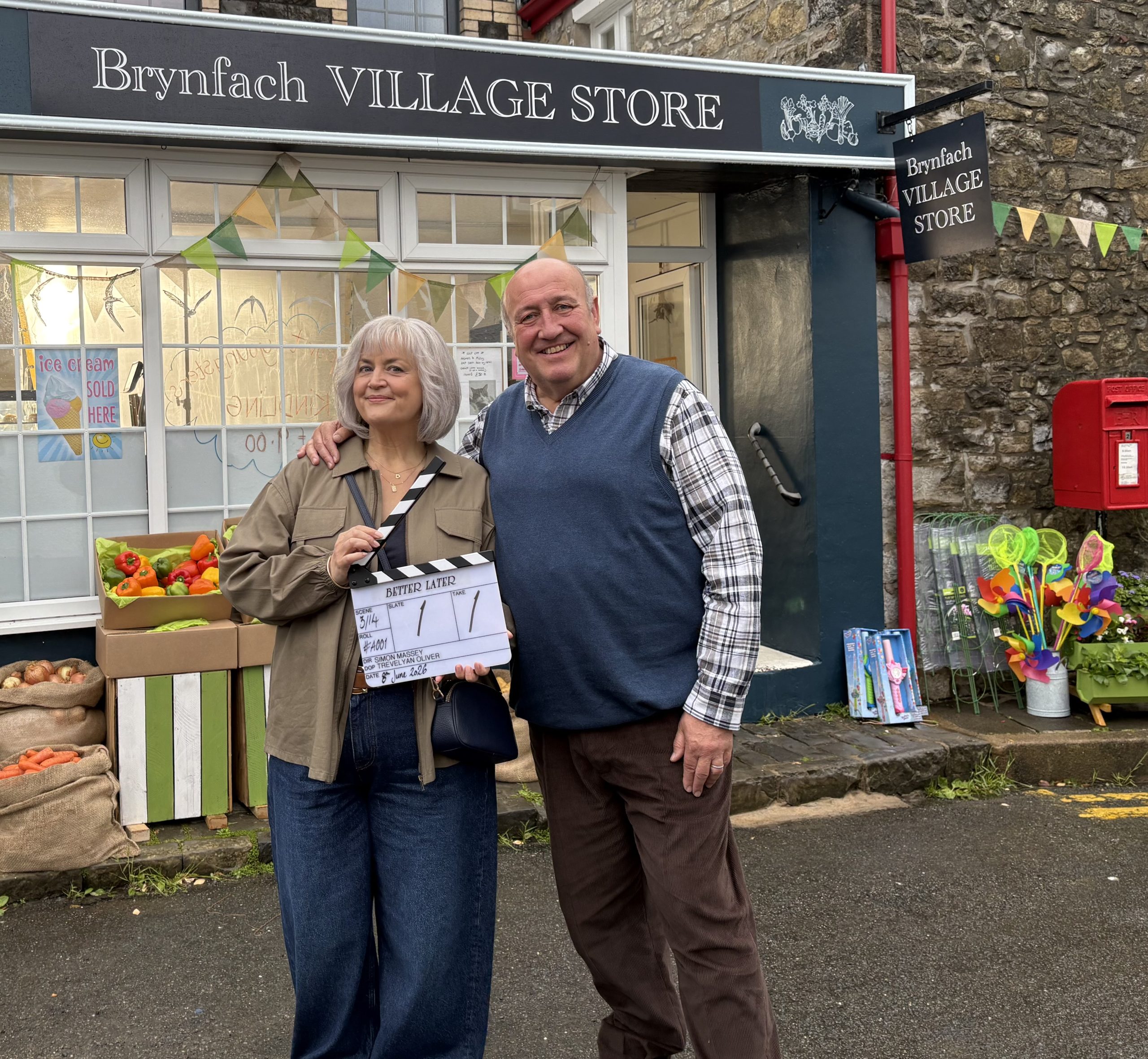
A HEARTWARMING new Welsh BBC comedy co-written by Ruth Jones and Steve Speirs has started filming in South Wales.
Better Later, a six-part series for BBC iPlayer, BBC One and BBC One Wales, will explore the unexpected joys of an unlikely friendship.
The comedy stars Jones and Speirs as two people who meet at a knee trauma clinic. Retired teacher Clive, played by Speirs, is 60, widowed and facing a new chapter in life. Shelley Anne, played by Jones, is a 55-year-old environmental health officer going through a bitter divorce.
The series is being filmed in and around South Wales, including the Brecon Beacons, and is set in the fictional village of Brynfach.
Ruth Jones said: “In a funny way this show has been 35 years in the making, which is when I first met Steve. It’s not that we’re slow writers, it’s just that we’ve been up to other things. It’s fantastic to be back in front of the camera with him again.”
Steve Speirs said: “Our first time acting together for quite a long time. Ruth makes me laugh more than anyone and I’m a terrible giggler. This could be a long shoot.”
Better Later has been commissioned by BBC Cymru Wales and BBC Comedy and is being made by Tidy Productions in association with BBC Studios Comedy, with support from Creative Wales.
The series was commissioned by Nick Andrews, Head of Commissioning at BBC Cymru Wales, and Jon Petrie, Director of Comedy at the BBC. The commissioning editors are Emma Lawson and Paul Forde.
Executive producers are Sarah Fraser for Tidy Productions and Josh Cole for BBC Studios Comedy. The producer is Owen Bell and the director is Simon Massey.
Transmission details will be announced in due course.



Charity20 hours ago
Toy Story fans fill charity toy box at Haverfordwest cinema
Donations pour in for SNAP Specialist Play as families embrace Toy Story 5 launch A TOY STORY-themed charity appeal at...


Community1 day ago
Lord Rhys emerges from the mist in St Davids
Giant puppet begins historic journey marking 850 years since the first Eisteddfod MIST swirled around St Davids Cathedral on Friday...


News2 days ago
Tragic tribute paid to Haverfordwest man after A4075 collision
FAMILY REMEMBERS “KIND AND LOVING” CALLUM HANSON THE FAMILY of a 22-year-old man from Haverfordwest who died following a road...


News3 days ago
Motorcyclist, 22, dies in A4075 crash in Pembrokeshire
A 22-year-old woman remains in hospital after two-vehicle collision A MOTORCYCLIST has died following a serious two-vehicle crash on the...


Community3 days ago
Why police will be visiting every home in Pembrokeshire
New operation aims to knock on more than 257,000 doors across Dyfed-Powys over the next three years DYFED-POWYS POLICE has...


Crime3 days ago
Prisons at breaking point: MPs warn Wales is paying the price of a failing system
Frozen healthcare budgets, overcrowded jails, homelessness on release and mounting pressure on staff are undermining rehabilitation across Wales, according to...


News4 days ago
Brexit at 10: How Britain was sold a dream that cost us dearly
A decade after the referendum, the promised benefits remain hard to find while the economic costs are increasingly difficult to...


Crime4 days ago
Worcestershire man jailed after violent attack on woman in Tenby
Defendant was already serving a suspended sentence when serious assault took place A WORCESTERSHIRE man has been jailed for more...


Climate4 days ago
Offshore wind ‘could bring new generation of jobs to Milford Haven’
Pembrokeshire ports and Celtic Sea projects placed at centre of Wales’ green energy ambitions MILFORD HAVEN and Pembroke Dock could...


Community5 days ago
Police officer hailed hero after midnight sea rescue in Milford Haven
PC swam 100 metres offshore to save distressed woman heard calling for help in darkness A DYFED-POWYS POLICE officer has...
-
 Community7 days ago
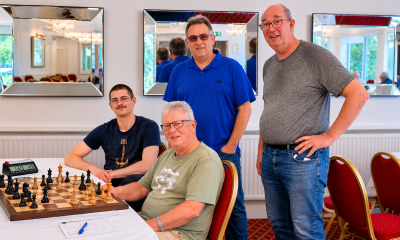
Pembrokeshire Chess Club crowned Welsh champions
-

 Crime3 days ago
Milford Haven man jailed for breaching domestic violence protection order
-

 Local Government5 days ago
Security privately arranged by Mayor at Beating of the Bounds
-

 News3 days ago
Crash on Freeman’s Way causes school-run chaos across Haverfordwest
-

 Crime5 days ago
Man wanted by court after failing to attend hearing over alleged shop thefts
-
 Crime5 days ago
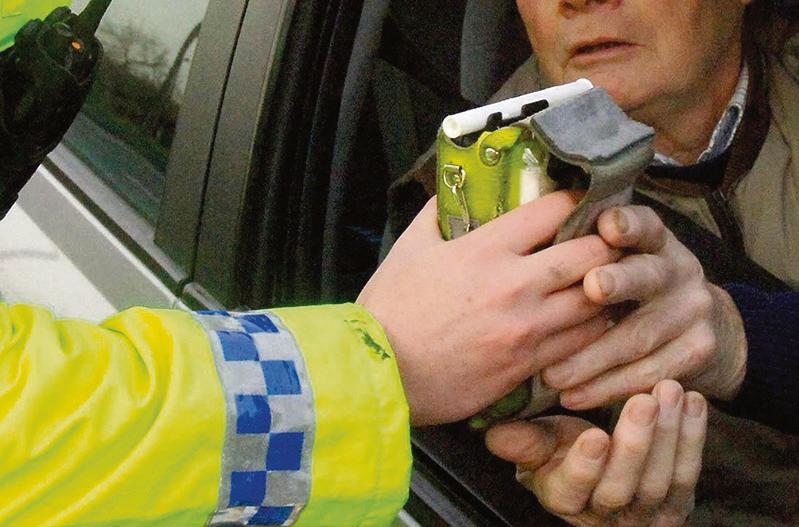
Man banned from roads after drink-driving offence
-

 Crime5 days ago
Man jailed after admitting strangulation and assaults
-
 Crime5 days ago
Man sentenced over stalking campaign and lock knife offence