


Climate
Environmental damage from solar farms sparks fears for Welsh wetlands

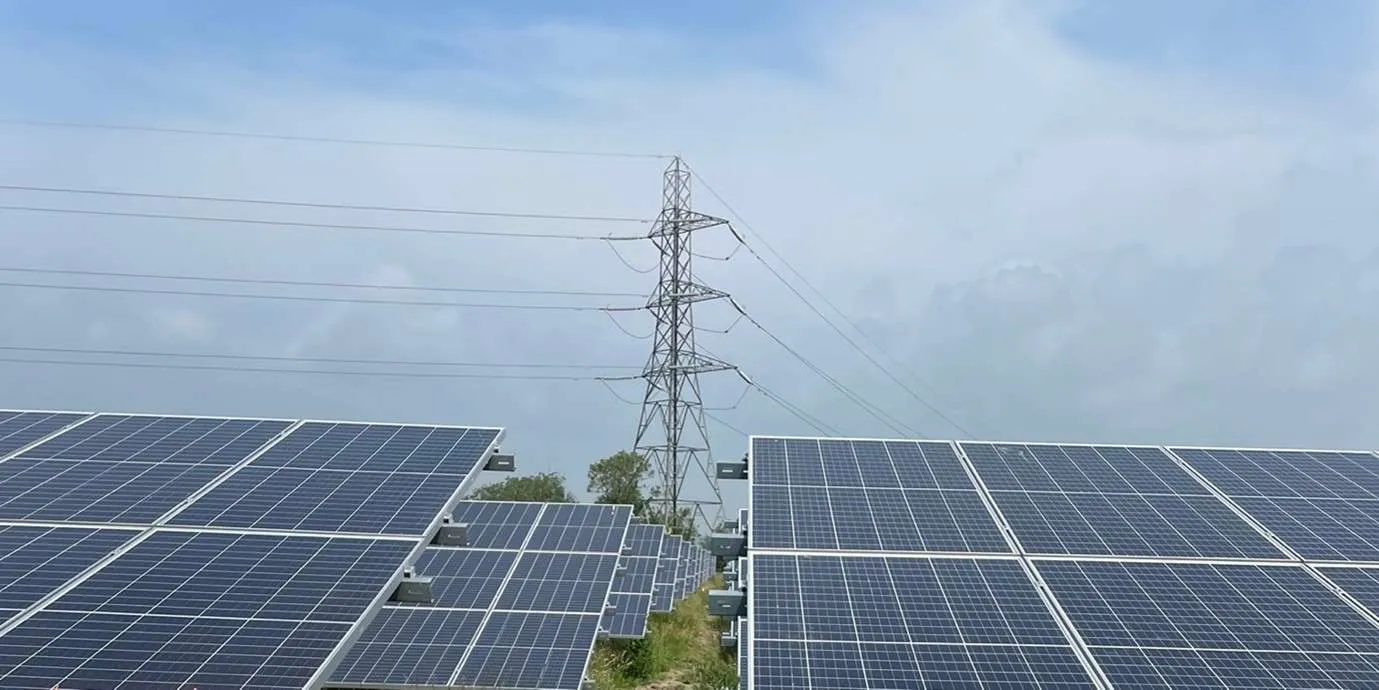
Gwent Levels crisis raises questions over green energy projects on protected sites
FRESH concerns have been raised over the environmental cost of large-scale solar developments after new findings revealed serious damage to a protected wetland in south-east Wales.
The Gwent Levels, a Site of Special Scientific Interest (SSSI) near Newport, have suffered what conservationists are calling “catastrophic” ecological harm from the Llanwern Solar Farm, a 145-hectare installation south of the former Llanwern steelworks.
Surveys have shown a collapse in breeding lapwing numbers, a sharp decline in rare bees, and the disappearance of Eurasian cranes from the area. Pollution from the site’s drainage channels is also believed to be affecting water voles, otters and aquatic plant life.
Although the Gwent Levels are over 100 miles from Pembrokeshire, the situation has raised alarm among local campaigners who fear similar damage could occur if solar developments are approved on West Wales wetlands or SSSI land.
The Herald understands that the Gwent Wildlife Trust is warning that attempts to protect wildlife at the Llanwern site have “failed catastrophically”, with only one active bat box found on-site and bee populations down significantly. Herbicide use and poor wildflower management have been cited as possible causes.

The trust is now urging the Welsh Government to halt further solar projects on protected land, including the proposed Wentlooge Solar Farm, which would be more than double the size of Llanwern.
Chief Executive Natalie Buttriss said: “The Levels’ waterways are home to many rare species, and high levels of pollution from solar plants will damage them irrevocably. If Wentlooge goes ahead, the ecological losses could be even greater.”
Ms Buttriss stressed the trust is not opposed to solar energy, but argued such developments should be placed on non-sensitive land, adding: “Only 12 per cent of Wales’ land is designated as SSSI – these fragments should be sacrosanct.”
The Welsh Government said it could not comment while the matter is being considered by Planning and Environment Decisions Wales.
The news has sparked calls from environmental groups in Pembrokeshire for a review of local planning policies. One campaigner told The Herald: “We all want a greener Wales – but we cannot sacrifice our most precious habitats in the process. What’s happening on the Gwent Levels should be a wake-up call.”


Met Office warns of oppressive heat, sleepless nights and potential disruption as rare amber alert extended
A RARE amber weather warning has been issued for large parts of England and Wales as forecasters predict what could become one of the hottest June heatwaves ever recorded in the UK.
The Met Office has extended its Extreme Heat Warning from Monday (June 22) through to Thursday (June 25), with temperatures expected to climb well above 35C and potentially reach 38C by the middle of the week.
Forecasters say the heatwave will intensify rapidly, with temperatures reaching around 32C on Monday before climbing to 35C and beyond on Tuesday and Wednesday. Parts of southeast Wales could see temperatures of around 35C, while southern England is expected to experience the highest values.
The warning covers much of England and Wales and has been described by the Met Office as a potentially significant weather event due to the combination of extreme temperatures and unusually high humidity.
June records under threat
Meteorologists say there is now a strong possibility that the UK’s June temperature record of 35.6C, set in Southampton in 1976, could be broken this week.
The current forecast suggests Wednesday and Thursday will be the hottest days, with temperatures approaching 38C in some areas.
Tropical nights expected
One of the biggest concerns is the lack of overnight relief.
The Met Office is forecasting widespread “tropical nights” across southern parts of Britain, where temperatures remain above 20C throughout the night. High humidity levels are expected to make conditions feel particularly oppressive and may make sleeping difficult.
Health experts warn that prolonged hot nights can increase the risk of heat-related illness because the body has less opportunity to cool down and recover.
Health and travel concerns
The UK Health Security Agency has issued amber heat-health alerts, warning of increased pressure on health and care services and elevated risks for older people, young children and those with existing health conditions.
The Met Office has also warned of possible impacts on transport networks, power supplies and water resources, with roads, railways and public infrastructure potentially affected by the prolonged heat.
Advice for Pembrokeshire residents
While coastal areas of west Wales are likely to remain somewhat cooler than inland locations, temperatures are still expected to be significantly above average for June.

Residents are being advised to:
- Drink plenty of water throughout the day.
- Avoid strenuous activity during the hottest hours.
- Check on elderly relatives, neighbours and vulnerable people.
- Keep homes shaded during the day.
- Take extra care around rivers, lakes and the coast, where cold water shock remains a risk despite the hot weather.
The heat is expected to ease later in the week, although forecasters say temperatures will remain above average and there remains some uncertainty over whether thunderstorms could develop as the hot spell breaks down.
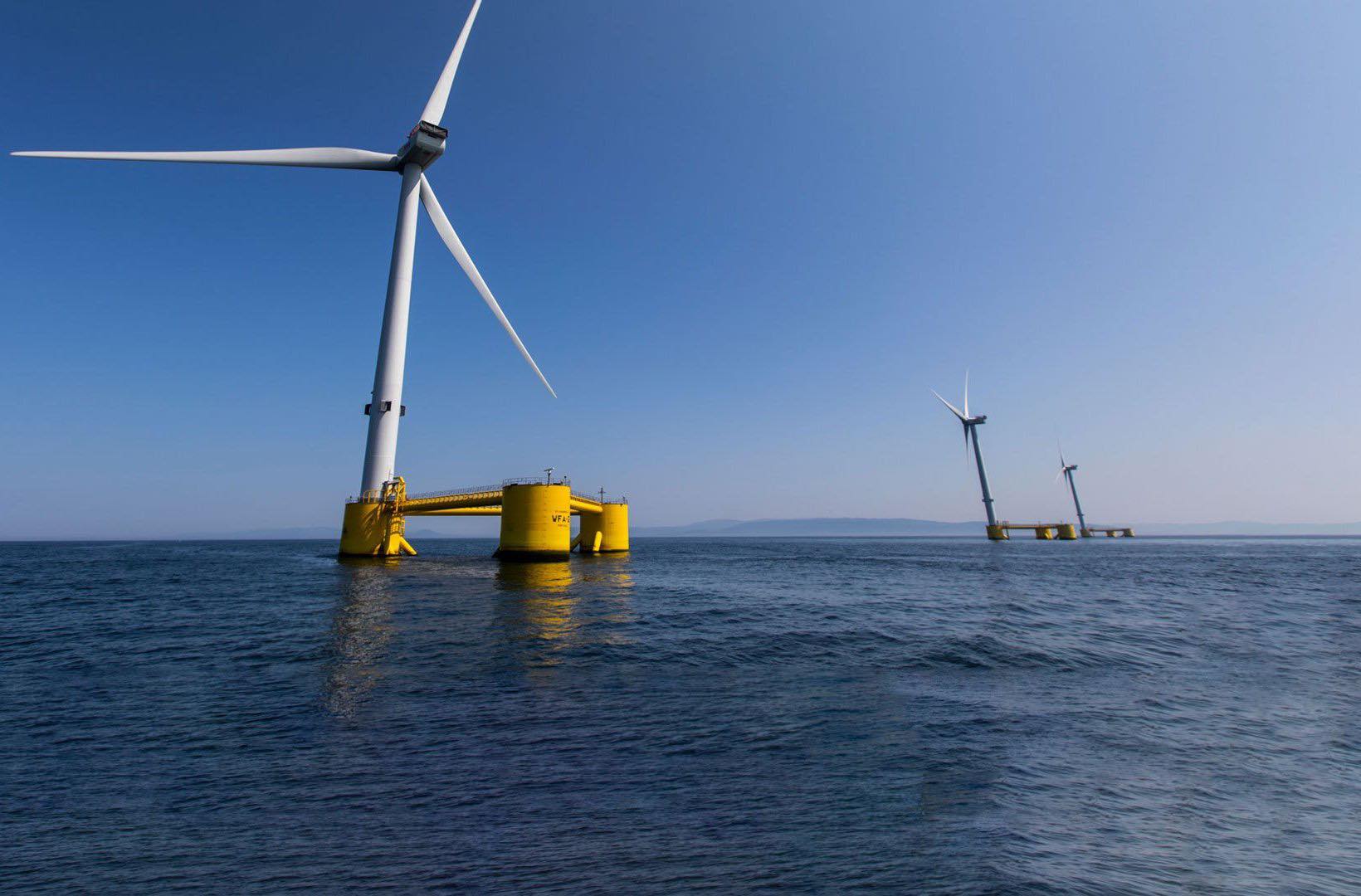
Countryside charity says renewables must be built in the right places
A WELSH countryside charity has backed offshore wind as a major opportunity for Wales, saying it can deliver clean energy, skilled jobs and coastal regeneration without putting unnecessary pressure on rural landscapes.
CPRW, The Welsh Countryside Charity, said comments by Cabinet Minister Adam Price in support of offshore wind marked a positive direction for Wales’ renewable energy future.
The charity said offshore wind offered one of the clearest ways for Wales to meet its future electricity needs while reducing pressure for large-scale onshore developments in sensitive upland areas, peatlands, productive farmland and rural communities.
The issue has become increasingly prominent across Wales as communities respond to major renewable energy proposals, including new-generation wind turbines, pylons, substations and grid infrastructure.
CPRW said it supported the transition to renewable energy, but argued that Wales needed a planned national strategy rather than a system which left rural communities reacting to speculative applications.
The Welsh Government has also identified offshore wind as a key economic opportunity, particularly around ports, supply chains, manufacturing, maintenance, skills and long-term energy infrastructure.
Floating offshore wind in the Celtic Sea is seen as especially important for south west Wales, with Milford Haven and Port Talbot both linked to future green energy and port development.
Dr Jonathan Dean, CPRW energy specialist, said: “Adam Price is making some very encouraging noises. Wales absolutely needs renewable energy, but we also need to be strategic about where it goes.
“Offshore wind has the potential to revitalise the economy in both north and south Wales, with genuine long-term service and support jobs linked to ports, maintenance, skills and supply chains.
“It can deliver clean electricity at the scale Wales needs, without forcing unnecessary trade-offs with our most valued landscapes, upland peat, rare habitats and rural communities.
“This should be the direction of travel for Wales: ambitious, strategic and offshore-led.”
CPRW said Wales must ensure that renewable energy development brings lasting benefit to Welsh communities, rather than simply exporting power and profit elsewhere.

Jonty Colchester, Chair of CPRW, said: “CPRW strongly supports the transition to renewable energy, but it must be planned properly and in the public interest.
“Offshore wind gives Wales a major opportunity to lead: creating skilled jobs, supporting coastal communities and delivering clean energy, while helping to protect the countryside and landscapes that are central to our national identity.
“We welcome the Minister’s comments and urge Welsh Government to put offshore wind, marine energy, grid modernisation and Welsh supply-chain benefit at the heart of a clear national energy strategy.”
The charity said offshore wind should sit alongside marine energy, grid upgrades and stronger community benefit arrangements.
It added that a strategic approach was needed to protect landscapes, nature and rural communities while still delivering the scale of clean power needed for the future.
CPRW, formerly known as the Campaign for the Protection of Rural Wales, has worked for nearly 100 years to protect rural landscapes and promote sustainable development.

Pembrokeshire ports and Celtic Sea projects placed at centre of Wales’ green energy ambitions
MILFORD HAVEN and Pembroke Dock could be at the heart of a new offshore wind boom after Wales’ new energy minister said the sector could drive jobs, investment and coastal regeneration.
Adam Price, the Cabinet Minister for Enterprise, Connectivity and Energy, told the Global Offshore Wind 2026 conference that Wales was “open for business” and ready to work with industry, the UK Government and The Crown Estate.

For Pembrokeshire, the announcement is particularly significant. The Milford Haven Waterway is already being positioned as a key base for floating offshore wind in the Celtic Sea, with Pembroke Port earmarked as a major renewables hub. Plans for a dedicated floating offshore wind storage compound at Pembroke Dock have already secured planning permission.
Mr Price said: “I believe that the offshore wind sector has the potential to deliver high quality sustainable career opportunities for people in Wales.
“The offshore wind sector has a key role to play in bringing about the regeneration of coastal communities in both north and south Wales.
“Our role is to remove the blockers faced by the sector — whether in planning, access to finance or infrastructure.”
The Celtic Sea floating wind programme is expected to create major supply chain opportunities for Welsh ports, engineering firms, vessel operators and training providers. Marine Energy Wales has said the first 4.5GW of floating offshore wind in the Celtic Sea could create more than 5,300 jobs during construction.
The Port of Milford Haven has previously said the Haven’s existing energy expertise, heavy engineering base and deep-water port facilities make it well placed to support the industry.
Mr Price also welcomed UK Government support for Port Talbot, but Pembrokeshire businesses will be watching closely to ensure Milford Haven and Pembroke Dock receive a fair share of the investment.
Jessica Hooper, Director of RenewableUK Cymru, said offshore wind was “Wales’ next big industrial opportunity”, adding that it could be worth almost £5bn to Welsh businesses and deliver more than 3,000 long-term secure jobs.
For Milford Haven, long associated with oil, gas and marine industry, floating offshore wind could mark the next chapter in the Haven’s energy story.



News2 hours ago
Long Course Weekend set to bring thousands to Pembrokeshire
Three days of swimming, cycling and running will once again transform Tenby into one of the UK’s biggest endurance sporting...


Community8 hours ago
The gentle giant behind the tattoos
Pembrokeshire security worker Josh Davies praised for professionalism, kindness and proving first impressions can be wrong JOSH Davies is hard...


Charity1 day ago
Toy Story fans fill charity toy box at Haverfordwest cinema
Donations pour in for SNAP Specialist Play as families embrace Toy Story 5 launch A TOY STORY-themed charity appeal at...


Community2 days ago
Lord Rhys emerges from the mist in St Davids
Giant puppet begins historic journey marking 850 years since the first Eisteddfod MIST swirled around St Davids Cathedral on Friday...


News2 days ago
Tragic tribute paid to Haverfordwest man after A4075 collision
FAMILY REMEMBERS “KIND AND LOVING” CALLUM HANSON THE FAMILY of a 22-year-old man from Haverfordwest who died following a road...


News3 days ago
Motorcyclist, 22, dies in A4075 crash in Pembrokeshire
A 22-year-old woman remains in hospital after two-vehicle collision A MOTORCYCLIST has died following a serious two-vehicle crash on the...


Community3 days ago
Why police will be visiting every home in Pembrokeshire
New operation aims to knock on more than 257,000 doors across Dyfed-Powys over the next three years DYFED-POWYS POLICE has...


Crime4 days ago
Prisons at breaking point: MPs warn Wales is paying the price of a failing system
Frozen healthcare budgets, overcrowded jails, homelessness on release and mounting pressure on staff are undermining rehabilitation across Wales, according to...


News4 days ago
Brexit at 10: How Britain was sold a dream that cost us dearly
A decade after the referendum, the promised benefits remain hard to find while the economic costs are increasingly difficult to...


Crime4 days ago
Worcestershire man jailed after violent attack on woman in Tenby
Defendant was already serving a suspended sentence when serious assault took place A WORCESTERSHIRE man has been jailed for more...
-

 Crime4 days ago
Milford Haven man jailed for breaching domestic violence protection order
-

 Local Government5 days ago
Security privately arranged by Mayor at Beating of the Bounds
-

 News3 days ago
Crash on Freeman’s Way causes school-run chaos across Haverfordwest
-

 Crime5 days ago
Man wanted by court after failing to attend hearing over alleged shop thefts
-
 Crime5 days ago
Man banned from roads after drink-driving offence
-

 Crime5 days ago
Man jailed after admitting strangulation and assaults
-

 Crime5 days ago
Drug trafficker must repay £33,000 after court rules he made nearly £500,000
-

 Crime5 days ago
Man sentenced over stalking campaign and lock knife offence