


Farming
Autumn rise in Bluetongue cases sparks warning to Welsh farmers


Experts urge vaccination as virus spreads west
FARMERS in Pembrokeshire and across Wales are being urged to consider vaccinating their livestock after a sharp rise in Bluetongue cases linked to a new strain of the virus.
The number of confirmed cases of Bluetongue serotype 3 (BTV-3) has more than doubled since early September, with infections now detected in parts of Wales for the first time.
Officials have imposed a Temporary Control Zone in Monmouthshire as midges carrying the virus continue to spread westward, raising fears that the disease could reach Carmarthenshire and Pembrokeshire before the winter sets in.
‘No cure – only prevention’

Dr Mandy Nevel from the Agriculture and Horticulture Development Board (AHDB) warned that vaccination is the most effective line of defence.
“There’s no treatment for Bluetongue,” she said. “Slowing the spread through vaccination and sensible movement controls is the only realistic option farmers have.

“Although temperatures are dropping, it’s still warm enough for midges to transmit the virus, so vigilance remains essential. Farmers should report suspected cases, speak to their vets, and keep a close eye on scanning results or stock behaving oddly.”
Fertility warning for cattle and sheep

West Wales vet and farmer Frances Jones, who runs Aeron Vets, said the disease can be deceptive — especially in cattle.
“People think of Bluetongue as a sheep disease because ewes often show visible signs,” she said. “But in cattle, it can be a silent killer through infertility.
“We’ve seen cows infected early in pregnancy later turn out barren, and in some parts of England, calves have been born with what’s known as ‘dummy calf’ syndrome — brain damage caused by the virus. It’s heartbreaking and costly.”
Mrs Jones and her husband decided to vaccinate their 120-cow Holstein herd and 300 Charollais-Texel sheep this summer.
“With milk and stock prices where they are, we saw it as a £5-per-animal insurance policy,” she said. “Vaccinating now gives immunity ahead of next year’s high-risk period. It’s better to act early while animals are healthy.”
Memories of 2007 outbreak
Farmers in Pembrokeshire will remember the last Bluetongue outbreak in 2007, when the disease reached Carmarthenshire through imported cattle. Movement restrictions and a rapid vaccination drive prevented it from taking hold locally — but the economic disruption was severe.

A local NFU Cymru representative told The Herald: “It only takes one infected midge to travel hundreds of miles. We’d rather not relive 2007, so the message is simple — talk to your vet before it’s too late.”
Reporting cases
Bluetongue is a notifiable animal disease, meaning any suspected cases must be reported immediately.
- In Wales, call 0300 303 8268
- In England, call 03000 200 301
- In Scotland, contact your local Field Services Office
Failure to report a suspected case is an offence.
Further information on symptoms, vaccination and movement restrictions can be found at ruminanthw.org.uk/bluetongue-virus-hub.

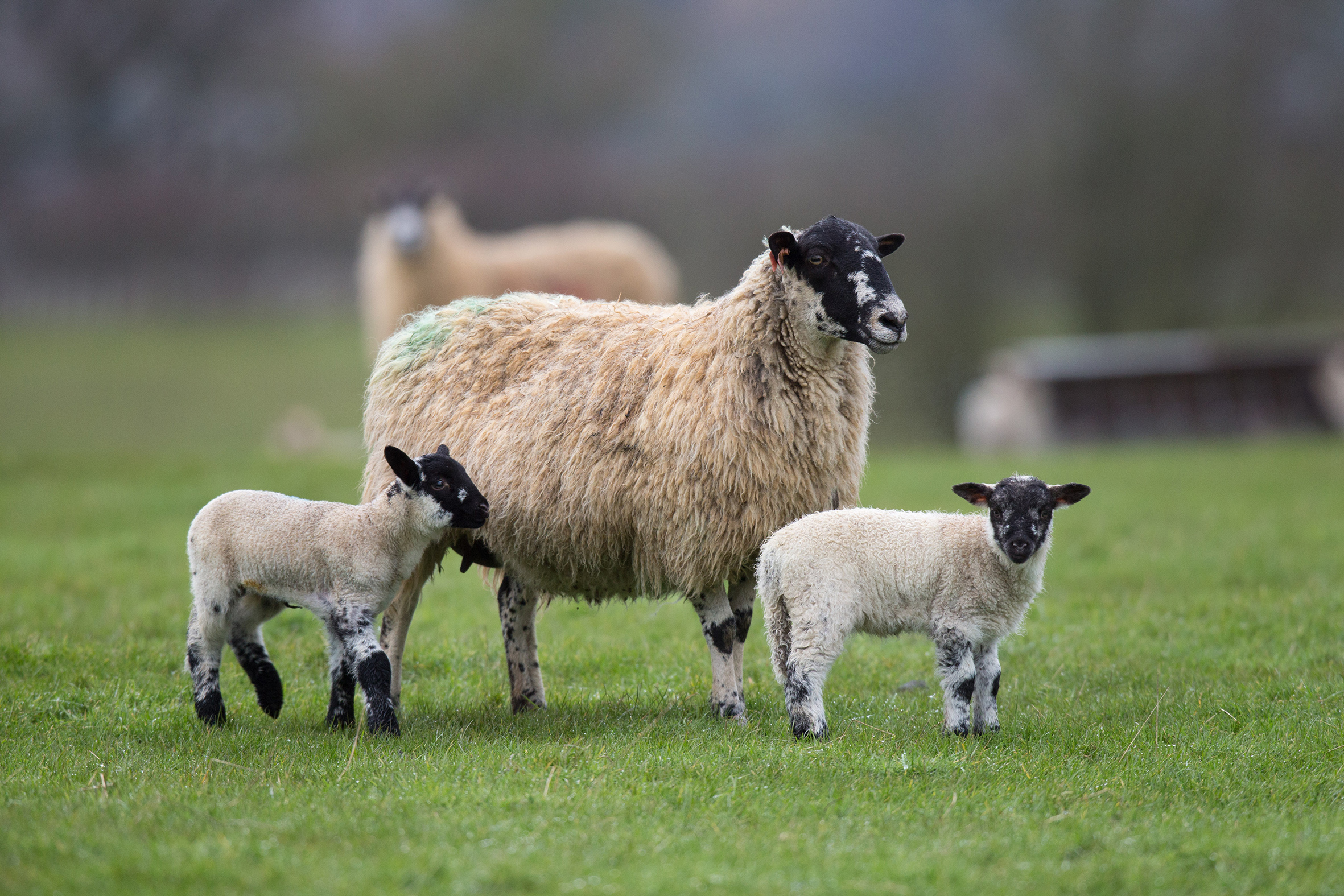
PEMBROKESHIRE sheep farmers are being urged to use weaning as a key opportunity to check ewe condition and deal with any problems before tupping.
With many local flocks now moving towards weaning, farmers are being advised to assess body condition score, as well as checking teeth, feet and udders, while there is still time to improve nutrition ahead of the breeding season.
Dr Alison Bond, Technical Services Manager at Rumenco, said close monitoring at this stage can help avoid major changes in ewe condition and improve overall flock productivity.
She said weaning at around 12 weeks was a good target, when lambs should usually be between 25kg and 30kg and taking very little milk from the ewe.
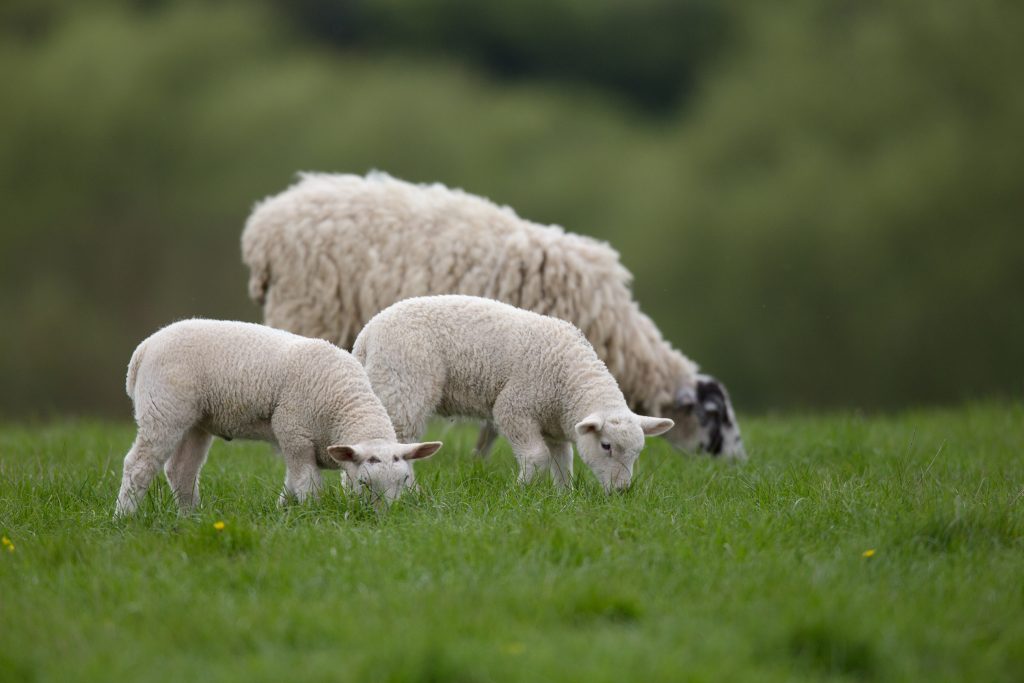
“There will of course be a focus on the lambs’ readiness for market at this stage, but it is equally important to put a hand across the ewes to assess their condition,” she said.
For lowland flocks, ewes with a body condition score below 2.5 at weaning should be given priority, as they may struggle to reach the target score of around 3.5 by tupping.
Those poorer condition ewes should be grouped separately, moved onto the best available grazing and given appropriate supplementary feeding where needed.
Dr Bond said waiting until closer to tupping could be less effective and may affect performance.
She added that ewes in good condition at tupping are more likely to scan with more lambs, produce healthier lambs after birth, and rear heavier lambs by eight weeks of age.
“It affects the whole production cycle, and not just one element,” she said.
The advice will be particularly relevant to farms across Pembrokeshire, Carmarthenshire and Ceredigion, where sheep remain a major part of the rural economy and where grass quality can vary sharply depending on weather, soil type and stocking pressure.
Dr Bond said the aim should be to keep ewes between body condition score 2.5 and 3.5 throughout the cycle, avoiding big dips and peaks.

Routine checks at weaning, she said, give farmers the best chance of correcting problems before the tups go in two to three months later.
Pic: Farmers are being urged to check ewe condition at weaning to protect flock performance ahead of tupping (Pic: Tim Scrivener/Agriphoto).

LOW UPTAKE HAS RAISED FRESH QUESTIONS OVER THE FUTURE OF SUPPORT FOR WELSH FARMERS
REFORM WALES has called for an urgent review of the Sustainable Farming Scheme after figures showed only around half of eligible farmers have signed up.
The party said the lower-than-expected uptake showed that serious concerns remained within the farming community over the complexity of the scheme, compliance rules and uncertainty about how it will operate in the long term.
Laura Anne Jones MS, Reform Wales’ Shadow Cabinet Minister for Food, Farming and Rural Affairs, raised the issue during questions to the Welsh Government.
She said: “The figures released by the Welsh Government today confirm what many farmers have been saying for some time: the Sustainable Farming Scheme is too complex, too restrictive and too bureaucratic.
“Farmers need certainty and security, not endless paperwork and rigid requirements that fail to reflect the realities of farming in Wales.
“Reform Wales believes the scheme should be reviewed as a matter of urgency, with a greater focus on flexibility, common sense and practical outcomes.
“Welsh farmers deserve a scheme that works with them, not against them.”
The Sustainable Farming Scheme is due to replace previous systems of agricultural support in Wales and has been one of the most contentious issues facing the rural sector.
Farming unions and campaigners have repeatedly warned that any new system must be practical for family farms and must not add unnecessary red tape at a time when many businesses are already under pressure from rising costs, bovine TB and market uncertainty.
Reform Wales said the Welsh Government must now explain how it intends to respond to the level of take-up and whether changes will be made before the scheme is fully rolled out.


PLANS to convert historic farm buildings near north Pembrokeshire’s Whitesands beach for use as holiday accommodation have been given the go-ahead, but their use doesn’t have to be restricted to just that purpose.
In an application to Pembrokeshire Coast National Park, Matthew James of James Properties, through agent Harries Planning Design Management sought permission for the conversion of two derelict barns to two self-catering holiday accommodation units at Porthmawr Ganol, Whitesands, St Davids.
An officer report said: “The farmstead occupies a prominent position within a landscape characterised by open agricultural fields enclosed predominantly by traditional dry-stone walls, exposed coastal pasture and areas of heathland associated with Carn Llidi.”
It added: “The site lies within the Porthmawr Historic Landscape Character Area, an area recognised for its historic pattern of dispersed settlement, traditional farmsteads, dry-stone wall field boundaries and evidence of medieval and post-medieval agricultural activity.
“The retention and reuse of the existing buildings therefore has the potential to preserve an important element of the area’s historic landscape character whilst securing a viable long-term future for structures that would otherwise continue to deteriorate.”
It said that insufficient evidence had initially been submitted to demonstrate that the buildings were unsuitable for permanent residential conversion and only for self-catering accommodation and therefore an affordable housing contribution should be secured.
Policy would lead to a contribution of £36,400, the report said, but a financial viability assessment by the applicant “demonstrated that the development would not be viable if required to provide the full policy contribution,” the maximum contribution capable of being supported whilst maintaining viability was £12,641.
This reduced figure was accepted, the officer report saying: “Whilst this represents a reduced contribution when compared with the full policy requirement, the submitted viability evidence demonstrates that the development could not reasonably support the full contribution whilst remaining deliverable.
“In these circumstances, securing a reduced contribution is considered preferable to losing the opportunity to secure the restoration and beneficial reuse of the historic buildings.”
It stated that, with the affordable contribution, the scheme would not be limited to self-catering development only.
The application was conditionally approved by Park planners.



News13 hours ago
Brexit at 10: How Britain was sold a dream that cost us dearly
A decade after the referendum, the promised benefits remain hard to find while the economic costs are increasingly difficult to...


Crime14 hours ago
Worcestershire man jailed after violent attack on woman in Tenby
Defendant was already serving a suspended sentence when serious assault took place A WORCESTERSHIRE man has been jailed for more...


Climate16 hours ago
Offshore wind ‘could bring new generation of jobs to Milford Haven’
Pembrokeshire ports and Celtic Sea projects placed at centre of Wales’ green energy ambitions MILFORD HAVEN and Pembroke Dock could...


Community1 day ago
Police officer hailed hero after midnight sea rescue in Milford Haven
PC swam 100 metres offshore to save distressed woman heard calling for help in darkness A DYFED-POWYS POLICE officer has...


Local Government2 days ago
Security privately arranged by Mayor at Beating of the Bounds
HAVERFORDWEST TOWN COUNCIL has confirmed that security personnel seen at this year’s Beating of the Bounds were privately arranged and...


Business3 days ago
Celtic Freeport five-year plan puts Milford Haven at centre of green energy future
Strategy promises investment, skilled jobs and new supply chains, but major barriers remain over grid connections, planning and delivery THE...


Education3 days ago
Closure of Ysgol Clydau approved after emotional council debate
COUNCILLORS WARNED RURAL COMMUNITIES WILL REMEMBER DECISION PEMBROKESHIRE councillors have voted to close Ysgol Clydau following an emotional debate over...


Education3 days ago
Manorbier school closure process to continue after narrow council vote
Questions remain over insurance, rebuilding costs and possible legal action by Diocese PEMBROKESHIRE councillors have voted to press ahead with...


Community3 days ago
The father, son and daughter lifeguard trio saving lives in Pembrokeshire
A FATHER, son and daughter are preparing to help keep beachgoers safe on the Pembrokeshire coast this summer as part...


Charity3 days ago
Children turn to Childline as loneliness cases rise
CHILDREN and young people struggling with loneliness are increasingly turning to Childline for support, new figures show. The NSPCC-run service...
-

 Community4 days ago
Pembrokeshire Chess Club crowned Welsh champions
-
Local Government2 days ago
Security privately arranged by Mayor at Beating of the Bounds
-

 Crime7 days ago
Pembroke Dock teenager sentenced over train strangulation attack
-

 Education6 days ago
Diocese threatens legal action as Manorbier school closure battle intensifies
-

 Crime7 days ago
Man accused of six rapes including alleged Haverfordwest offence
-

 Crime1 day ago
Man wanted by court after failing to attend hearing over alleged shop thefts
-

 Local Government6 days ago
Taxi suspended after county-wide licensing checks
-
 Crime1 day ago
Man banned from roads after drink-driving offence