


Climate
How can building site managers reduce air pollution?


There are building sites all over Pembrokeshire, a part of the UK that is famous for its high air quality. Partly this comes down to the region’s coastline which means that fresh air is often swept in from the North Atlantic, of course. However, with so much industry nearby, it also comes down to the way environmental health officers police air quality. One of the major contributors to low air quality comes from building sites. Construction is an industry that necessarily creates the presence of particulates in the air, so what should site managers be doing to ensure they remain compliant with the regulations governing air quality? Read on to find out.
Get on top of airborne dust
To begin with, dust is one of the worst problems a building site generates when it comes to air quality. Dust is derived from many materials and isn’t necessarily toxic. However, building sites generate a lot of it and it is because of the amount of dust that might be present in or near to a site that makes it such an issue. With the right dust control measures, you can keep the worst of it trapped where it should be so that neighbours are no unduly affected by it. Dust doesn’t only make a mess when it is transferred to nearby surfaces but it can also cause health problems, ones that are particularly noticeable among sufferers of respiratory conditions. By spraying fine droplets of water in areas where dust might be kicking up, such as where walls are being demolished or where construction vehicles are operating, you can minimise the air pollution that simple dust is so often responsible for.
Avoid fume generation
Given that the Welsh government is committed to an air pollution crackdown, building site managers must also consider how air quality is affected by hot work. On-site welding and cutting, for example, can generate all sorts of material that you cannot but see but which you would not want to breathe in. Simply storing chemicals needed for certain construction jobs incorrectly can lead to fumes being generated, even though they might be in use. More widely, construction companies should avoid the use of material containing VOCs, wherever possible, since these contribute to air pollution, too
Consider the weather
According to the Pollution Control Handbook, builders need to think about the general meteorological conditions when they are working. In other words, if it is raining or likely to rain, then the generation of airborne particulates isn’t such an issue. Conversely, dust and other material can be much more easily picked up on dry and moderately windy days, so further countermeasures may be needed, including limiting work that might generate airborne pollution in the first place. In short, whatever measures you take need to be adaptable to whatever the weather might throw at you.
Conclusion
Pembrokeshire’s construction sites are no different to those in other parts of the country but with such a proud record of good local air quality, failures can be more apparent. With the correct countermeasures, though, there’s no need for poor air quality to affect the usual business of getting on with the job at hand.



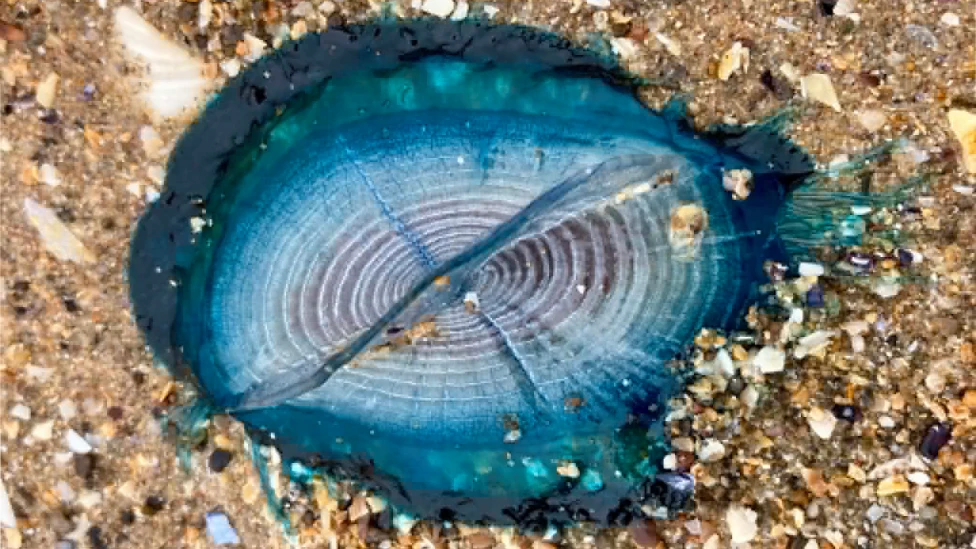
VISITORS to Welsh beaches have been warned not to touch unusual blue sea creatures which have washed ashore along parts of the coastline.
Hundreds of velella velella, commonly known as by-the-wind sailors, have been reported on beaches in Anglesey, Gwynedd and Tenby.
The small, bright blue marine creatures are free-floating hydrozoans and are related to Portuguese man o’ war, sea anemones and corals.
They get their name from a small sail-like structure on their body, which catches the wind and carries them across the surface of the sea.
One was spotted on Tenby South Beach on Tuesday (Jun 16), where beachgoer Maxine Allinson described it as “fantastic” and “like a crystal”.
Marine experts say the creatures are often seen after changes in currents or stormy weather, which can push large numbers ashore at the same time.
Although they are much smaller and less dangerous than Portuguese man o’ war, they do have stinging cells.
Their sting is usually mild, but people are being advised not to pick them up, especially as contact with the face, lips or sensitive skin could cause pain or tingling.
Experts also warn that the stinging cells can remain active even after the creatures appear to be dead on the beach.
The advice is to admire them from a safe distance and leave them where they are.
Caption: Maxine Allinson spotted a velella velella on Tenby South beach Tuesday

Met Office warns of oppressive heat, sleepless nights and potential disruption as rare amber alert extended
A RARE amber weather warning has been issued for large parts of England and Wales as forecasters predict what could become one of the hottest June heatwaves ever recorded in the UK.
The Met Office has extended its Extreme Heat Warning from Monday (June 22) through to Thursday (June 25), with temperatures expected to climb well above 35C and potentially reach 38C by the middle of the week.
Forecasters say the heatwave will intensify rapidly, with temperatures reaching around 32C on Monday before climbing to 35C and beyond on Tuesday and Wednesday. Parts of southeast Wales could see temperatures of around 35C, while southern England is expected to experience the highest values.
The warning covers much of England and Wales and has been described by the Met Office as a potentially significant weather event due to the combination of extreme temperatures and unusually high humidity.
June records under threat
Meteorologists say there is now a strong possibility that the UK’s June temperature record of 35.6C, set in Southampton in 1976, could be broken this week.
The current forecast suggests Wednesday and Thursday will be the hottest days, with temperatures approaching 38C in some areas.
Tropical nights expected
One of the biggest concerns is the lack of overnight relief.
The Met Office is forecasting widespread “tropical nights” across southern parts of Britain, where temperatures remain above 20C throughout the night. High humidity levels are expected to make conditions feel particularly oppressive and may make sleeping difficult.
Health experts warn that prolonged hot nights can increase the risk of heat-related illness because the body has less opportunity to cool down and recover.
Health and travel concerns
The UK Health Security Agency has issued amber heat-health alerts, warning of increased pressure on health and care services and elevated risks for older people, young children and those with existing health conditions.
The Met Office has also warned of possible impacts on transport networks, power supplies and water resources, with roads, railways and public infrastructure potentially affected by the prolonged heat.
Advice for Pembrokeshire residents
While coastal areas of west Wales are likely to remain somewhat cooler than inland locations, temperatures are still expected to be significantly above average for June.

Residents are being advised to:
- Drink plenty of water throughout the day.
- Avoid strenuous activity during the hottest hours.
- Check on elderly relatives, neighbours and vulnerable people.
- Keep homes shaded during the day.
- Take extra care around rivers, lakes and the coast, where cold water shock remains a risk despite the hot weather.
The heat is expected to ease later in the week, although forecasters say temperatures will remain above average and there remains some uncertainty over whether thunderstorms could develop as the hot spell breaks down.
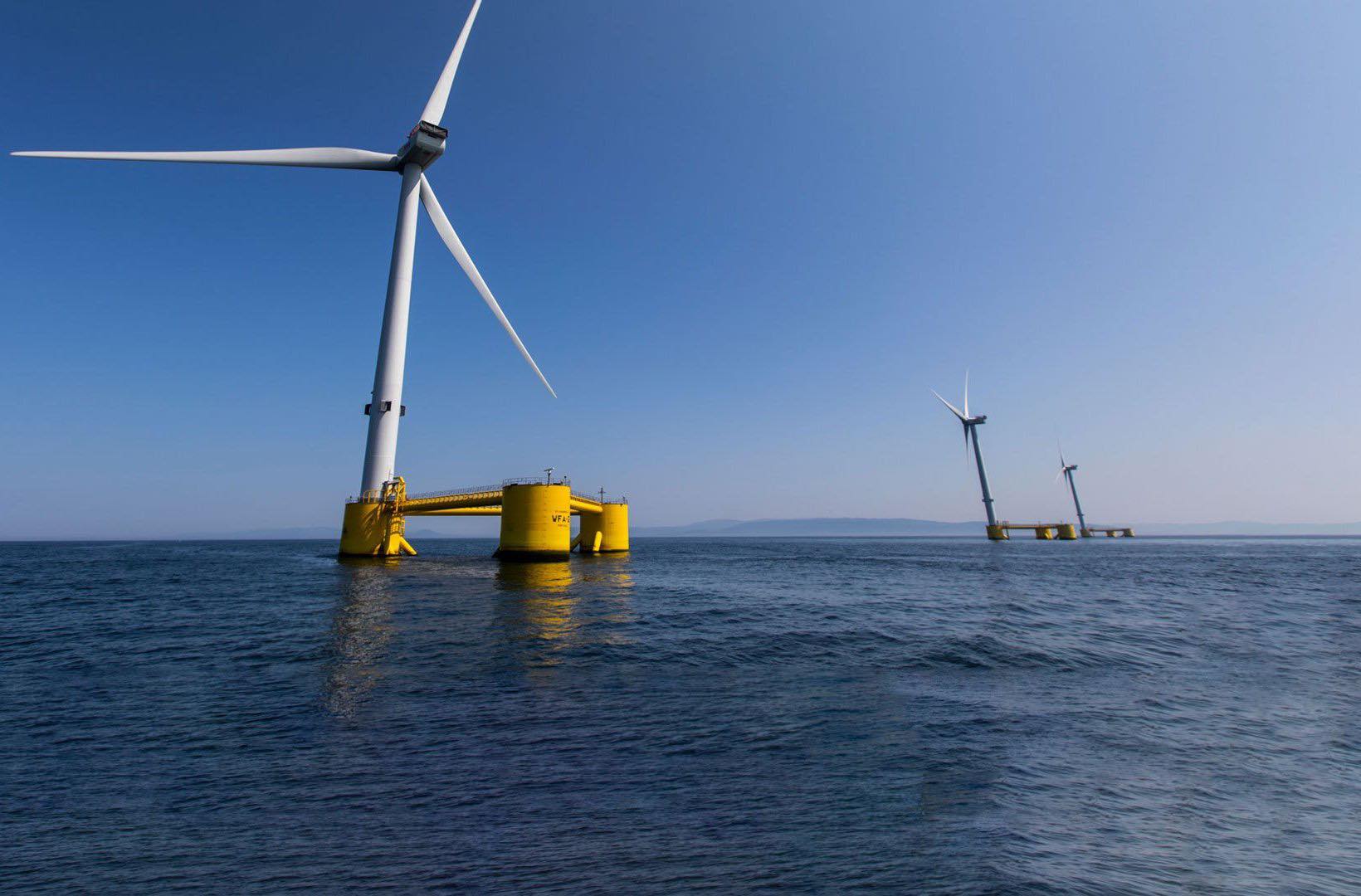
Countryside charity says renewables must be built in the right places
A WELSH countryside charity has backed offshore wind as a major opportunity for Wales, saying it can deliver clean energy, skilled jobs and coastal regeneration without putting unnecessary pressure on rural landscapes.
CPRW, The Welsh Countryside Charity, said comments by Cabinet Minister Adam Price in support of offshore wind marked a positive direction for Wales’ renewable energy future.
The charity said offshore wind offered one of the clearest ways for Wales to meet its future electricity needs while reducing pressure for large-scale onshore developments in sensitive upland areas, peatlands, productive farmland and rural communities.
The issue has become increasingly prominent across Wales as communities respond to major renewable energy proposals, including new-generation wind turbines, pylons, substations and grid infrastructure.
CPRW said it supported the transition to renewable energy, but argued that Wales needed a planned national strategy rather than a system which left rural communities reacting to speculative applications.
The Welsh Government has also identified offshore wind as a key economic opportunity, particularly around ports, supply chains, manufacturing, maintenance, skills and long-term energy infrastructure.
Floating offshore wind in the Celtic Sea is seen as especially important for south west Wales, with Milford Haven and Port Talbot both linked to future green energy and port development.
Dr Jonathan Dean, CPRW energy specialist, said: “Adam Price is making some very encouraging noises. Wales absolutely needs renewable energy, but we also need to be strategic about where it goes.
“Offshore wind has the potential to revitalise the economy in both north and south Wales, with genuine long-term service and support jobs linked to ports, maintenance, skills and supply chains.
“It can deliver clean electricity at the scale Wales needs, without forcing unnecessary trade-offs with our most valued landscapes, upland peat, rare habitats and rural communities.
“This should be the direction of travel for Wales: ambitious, strategic and offshore-led.”
CPRW said Wales must ensure that renewable energy development brings lasting benefit to Welsh communities, rather than simply exporting power and profit elsewhere.

Jonty Colchester, Chair of CPRW, said: “CPRW strongly supports the transition to renewable energy, but it must be planned properly and in the public interest.
“Offshore wind gives Wales a major opportunity to lead: creating skilled jobs, supporting coastal communities and delivering clean energy, while helping to protect the countryside and landscapes that are central to our national identity.
“We welcome the Minister’s comments and urge Welsh Government to put offshore wind, marine energy, grid modernisation and Welsh supply-chain benefit at the heart of a clear national energy strategy.”
The charity said offshore wind should sit alongside marine energy, grid upgrades and stronger community benefit arrangements.
It added that a strategic approach was needed to protect landscapes, nature and rural communities while still delivering the scale of clean power needed for the future.
CPRW, formerly known as the Campaign for the Protection of Rural Wales, has worked for nearly 100 years to protect rural landscapes and promote sustainable development.



Community15 hours ago
Manorbier fire scandal: Council’s payout just £63,777 after school destroyed
PEMBROKESHIRE COUNTY COUNCIL has accepted an insurance settlement which leaves it with just £63,777.07 after the catastrophic fire which destroyed...


News24 hours ago
Bus overturns in major incident near Kidwelly
All passengers rescued as emergency services remain at scene A BUS overturned on the A484 between Kidwelly and Ferryside on...


Community2 days ago
Tenby Summer Spectacular cancelled amid council row over harbour access
Organisers say popular charity events cannot safely go ahead without clear powers to control crowds TENBY ROUND TABLE has announced...


News2 days ago
Motorcyclist dies after four-vehicle crash on A40 in Carmarthenshire
A MOTORCYCLIST has died following a four-vehicle collision on the A40 between St Clears and Whitland. Dyfed-Powys Police said the...


News2 days ago
Rhun ap Iorwerth urges new deal for Wales after Starmer quits
First Minister says next Prime Minister must focus on greater powers, fair funding and respect for Wales’ democratic mandate FIRST...


News2 days ago
How Labour’s landslide victory unravelled in just two years
Prime Minister announces resignation after losing support within his own party as Andy Burnham emerges as overwhelming favourite to take...


News3 days ago
Long Course Weekend set to bring thousands to Pembrokeshire
Three days of swimming, cycling and running will once again transform Tenby into one of the UK’s biggest endurance sporting...


Community3 days ago
The gentle giant behind the tattoos
Pembrokeshire security worker Josh Davies praised for professionalism, kindness and proving first impressions can be wrong JOSH Davies is hard...


Charity4 days ago
Toy Story fans fill charity toy box at Haverfordwest cinema
Donations pour in for SNAP Specialist Play as families embrace Toy Story 5 launch A TOY STORY-themed charity appeal at...


Community4 days ago
Lord Rhys emerges from the mist in St Davids
Giant puppet begins historic journey marking 850 years since the first Eisteddfod MIST swirled around St Davids Cathedral on Friday...
-

 Crime6 days ago
Milford Haven man jailed for breaching domestic violence protection order
-

 News6 days ago
Crash on Freeman’s Way causes school-run chaos across Haverfordwest
-

 Health4 days ago
Woman jailed assaults on police, harassment and XL Bully possession
-

 Crime4 days ago
Milford Haven woman spared jail despite string of shop thefts
-
 Crime6 days ago
Portfield Gate man faces careless driving allegation after Tufton crash
-
Community3 days ago
The gentle giant behind the tattoos
-

 Local Government6 days ago
Pembrokeshire faces accessible housing shortage as 403 people wait for homes
-

 News7 days ago
Brexit at 10: How Britain was sold a dream that cost us dearly