


News
A48 safety fears grow as crash rate rises again

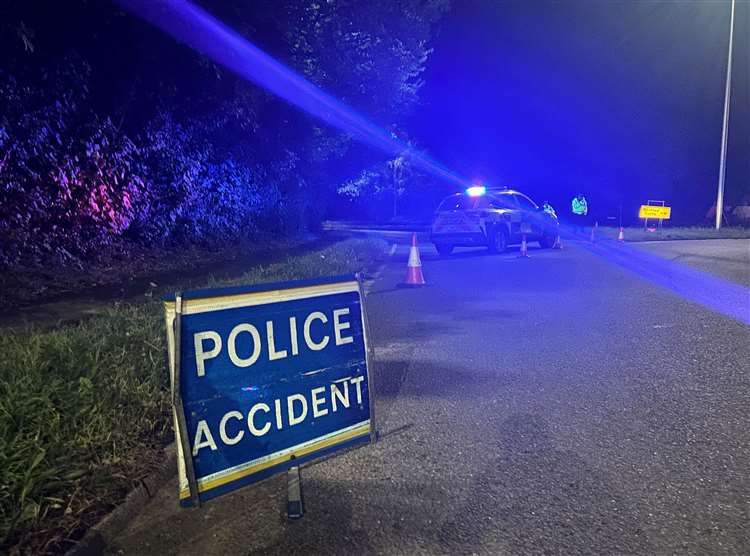
Residents call for urgent action on notorious Carmarthenshire route
THE A48 between Carmarthen and Pont Abraham is once again under scrutiny after new figures revealed that the number of crashes on the dual carriageway has increased over the past year — despite repeated calls and Welsh Government studies aimed at improving safety.
The 15-mile stretch, which links Carmarthen with the M4, has long been regarded by drivers as one of the most dangerous roads in Wales. With a 70mph limit, multiple junctions, and several points where traffic can legally cross the central reservation, the road has become a regular scene of collisions — often involving serious injury.
Figures released by Dyfed-Powys Police under the Freedom of Information Act show 186 recorded collisions between August 2024 and July 2025. That represents a rise from the 169 crashes logged in the previous twelve-month period.
The most hazardous section remains the four-mile stretch between Cross Hands Roundabout and Pont Abraham, where 40 incidents were recorded. Pont Abraham Roundabout itself saw 31 collisions, more than triple the total for the same area the previous year.
While there were small improvements in other sections – such as a slight reduction in crashes at Llanddarog and Pensarn – the overall picture shows the problem worsening rather than improving.

Over the past decade, more than 1,400 crashes have occurred on the A48 between Pensarn and Pont Abraham.
‘Heartbreaking and alarming’
Caerfyrddin MP Ann Davies, who lives near the route, described the figures as “heartbreaking and alarming”.
“As someone who travels the A48 daily, I see the dangers first-hand,” she said. “These numbers underline what local people already know – that this road remains unsafe and urgently needs attention. Road safety is not just about policy; it’s about protecting lives.”
Adam Price MS, who represents Carmarthen East and Dinefwr, said the findings raise serious questions about the effectiveness of previous government studies.
“For a road of this length to see such a high number of collisions is completely unacceptable,” he said. “The Welsh Government’s previous safety review clearly hasn’t delivered results. Lessons need to be learned quickly, and we need to see tangible change.”
Plans for improvements
The Welsh Government has confirmed that the first phase of new safety measures – between Cross Hands and Llanddarog – is due to begin in March next year. Planned work includes changes to central reservation crossings and the closure of unsafe lay-bys.
A government spokesperson said: “We take road safety extremely seriously and continuously review collision data provided by the police to inform future improvements. The latest figures will be considered carefully as part of that process.”

Decade-long danger
Local residents have been warning for years that the road layout is unsuitable for the volume and speed of modern traffic. The A48’s combination of high-speed carriageways, bus stops, and uncontrolled turn-offs has created a mix that campaigners say would not be tolerated on newer trunk routes.
In 2018, six separate crashes were recorded on the A48 in a single day, prompting one county councillor to call the road “a disgrace”.
Seven years later, drivers say little has changed — except that the statistics keep getting worse.

WALES’ unemployment rate is broadly in line with the UK average, according to the latest labour market figures.
The Welsh Government said figures from the Annual Population Survey showed unemployment among people aged 16 and over in Wales at 4.5%, compared with 4.4% across the UK.
Ministers said Wales’ employment rate was also “relatively close” to its all-time high, but acknowledged that official labour market data should be treated with caution because of continuing concerns over reliability.
The figures come as the newly elected Welsh Government seeks to put productivity at the centre of its economic agenda.
A Welsh Government spokesperson said: “As a newly elected Government we are committed to driving investment, innovation and higher productivity across Wales.
“We have announced a National Productivity Goal to close the gap with the rest of the UK and help unlock the full potential of the Welsh economy.
“By focusing on productivity, we will deliver more jobs, higher pay, stronger businesses and thriving communities.”
The Government says the new goal will help shape the work of its planned Welsh innovation and development agency, including how it supports businesses, develops skills and invests in the wider economy.
However, ministers also said Wales’ labour market appears to be following similar trends to the UK as a whole.
They pointed to ongoing work by the Office for National Statistics to improve the quality of Labour Force Survey data, saying the figures should be read alongside other labour market indicators to get a clearer picture.
The Cabinet Minister for Enterprise, Connectivity and Energy, Adam Price, is seeking a meeting with the ONS to discuss the reliability of labour market data for Wales.


A MILFORD HAVEN man has been jailed after admitting breaching a domestic violence protection order.
Ryan Carlmain, 33, of Plas Peregrine, Milford Haven, appeared before Llanelli Magistrates’ Court on Wednesday (Jun 17).
The court heard that Carlmain breached an order made by the same court on May 14 this year.
The breach took place in Milford Haven on June 10, when he attended an address at Marble Hall Road, contacted the woman concerned three times by telephone, and entered the property through a bathroom window after snapping a key off in the back door.
Carlmain admitted the breach.
Magistrates committed him to prison for two months, saying the offence was so serious because he had shown a “flagrant disregard for court orders”.
He was also ordered to pay £284 in costs, with payment due on his release.
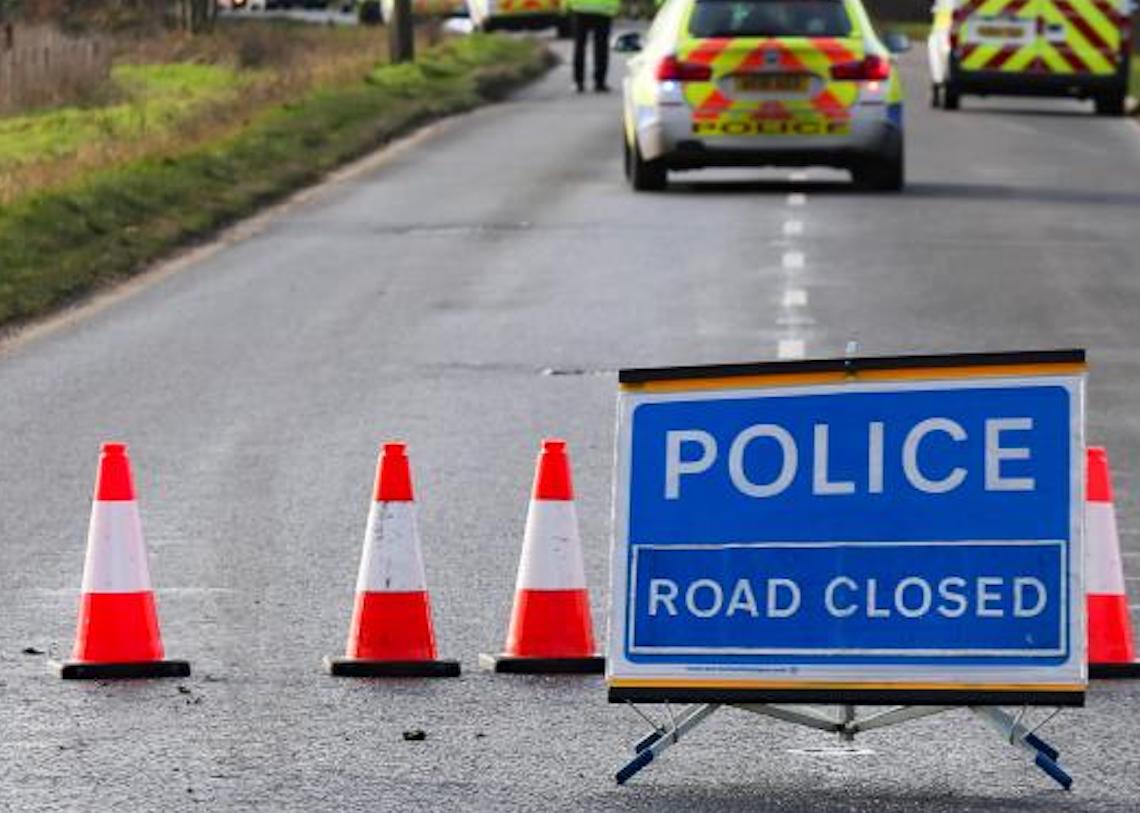
TRAFFIC across Haverfordwest remains severely disrupted this morning (Jun 18) following the closure of Freemens Way due to an ongoing incident.
Motorists have reported lengthy delays throughout the town, with congestion stretching back towards Johnston and queues forming on key routes into the county town.
Several drivers have described the situation as “gridlock”, with some reporting journey times of more than an hour to travel relatively short distances.
One motorist said it had taken one hour and 20 minutes to travel from Johnston to the bottom of Dredge Hill, while others reported traffic problems across much of Haverfordwest since early this morning.
Police remain at the scene and drivers are being urged to avoid the area where possible and seek alternative routes.
The Herald understands traffic is being affected on multiple approaches to the town as vehicles attempt to divert around the closure.
There has been speculation on social media about the cause of the incident. However, no official details have yet been released by the emergency services.
The Pembrokeshire Herald has contacted Dyfed-Powys Police for an update and will provide further information as soon as it becomes available.
Motorists are advised to allow extra time for journeys and expect significant delays throughout the area.



News12 hours ago
Brexit at 10: How Britain was sold a dream that cost us dearly
A decade after the referendum, the promised benefits remain hard to find while the economic costs are increasingly difficult to...


Crime14 hours ago
Worcestershire man jailed after violent attack on woman in Tenby
Defendant was already serving a suspended sentence when serious assault took place A WORCESTERSHIRE man has been jailed for more...


Climate16 hours ago
Offshore wind ‘could bring new generation of jobs to Milford Haven’
Pembrokeshire ports and Celtic Sea projects placed at centre of Wales’ green energy ambitions MILFORD HAVEN and Pembroke Dock could...


Community1 day ago
Police officer hailed hero after midnight sea rescue in Milford Haven
PC swam 100 metres offshore to save distressed woman heard calling for help in darkness A DYFED-POWYS POLICE officer has...


Local Government2 days ago
Security privately arranged by Mayor at Beating of the Bounds
HAVERFORDWEST TOWN COUNCIL has confirmed that security personnel seen at this year’s Beating of the Bounds were privately arranged and...


Business3 days ago
Celtic Freeport five-year plan puts Milford Haven at centre of green energy future
Strategy promises investment, skilled jobs and new supply chains, but major barriers remain over grid connections, planning and delivery THE...


Education3 days ago
Closure of Ysgol Clydau approved after emotional council debate
COUNCILLORS WARNED RURAL COMMUNITIES WILL REMEMBER DECISION PEMBROKESHIRE councillors have voted to close Ysgol Clydau following an emotional debate over...


Education3 days ago
Manorbier school closure process to continue after narrow council vote
Questions remain over insurance, rebuilding costs and possible legal action by Diocese PEMBROKESHIRE councillors have voted to press ahead with...


Community3 days ago
The father, son and daughter lifeguard trio saving lives in Pembrokeshire
A FATHER, son and daughter are preparing to help keep beachgoers safe on the Pembrokeshire coast this summer as part...


Charity3 days ago
Children turn to Childline as loneliness cases rise
CHILDREN and young people struggling with loneliness are increasingly turning to Childline for support, new figures show. The NSPCC-run service...
-

 Community4 days ago
Pembrokeshire Chess Club crowned Welsh champions
-
Local Government2 days ago
Security privately arranged by Mayor at Beating of the Bounds
-

 Crime7 days ago
Pembroke Dock teenager sentenced over train strangulation attack
-

 Education6 days ago
Diocese threatens legal action as Manorbier school closure battle intensifies
-

 Crime7 days ago
Man accused of six rapes including alleged Haverfordwest offence
-

 Crime1 day ago
Man wanted by court after failing to attend hearing over alleged shop thefts
-

 Local Government6 days ago
Taxi suspended after county-wide licensing checks
-

 Crime7 days ago
Brothers found guilty of causing death of Welsh dad in ‘reckless’ race