


News
Port security fears grow after naval sabotage arrests in Germany

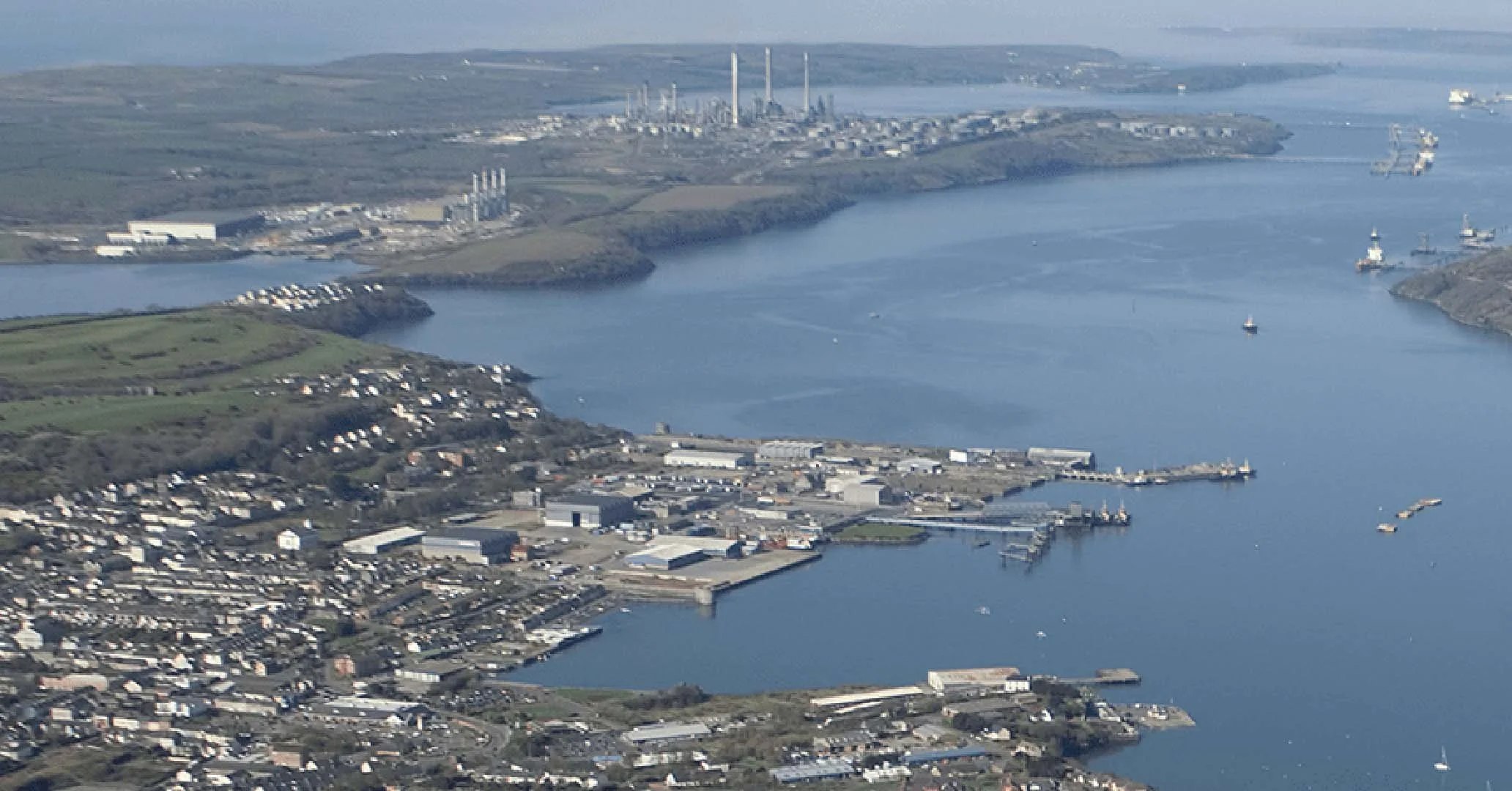
Milford Haven and other UK energy hubs urged to stay vigilant amid rising European threats
CONCERNS about the security of major European ports have intensified after two men were arrested over an alleged attempt to sabotage German naval vessels at the Port of Hamburg.
Eurojust, the EU’s crime agency, said the suspects are believed to have deliberately interfered with ships by disabling safety switches, removing fuel tank caps, puncturing water lines and dumping more than twenty kilograms of abrasive gravel into an engine system.
Officials warned that, had the damage gone undetected, it could have caused serious mechanical failure, delayed deployments and endangered German Navy operations.
The suspects, port workers aged thirty-seven and fifty-four, were arrested in Germany and Greece following coordinated raids. Homes in several countries were searched as part of the investigation.
While Germany has not formally blamed Moscow, the arrests come amid growing fears of Kremlin-linked disruption activity across Europe since Russia’s invasion of Ukraine.

Recent incidents have included damaged undersea cables in the Baltic and suspicious drone activity around airports and military facilities.
Security analysts say ports — especially those handling military or energy assets — are increasingly viewed as soft targets.
The developments have clear relevance for west Wales, home to the Milford Haven waterway and the Port of Milford Haven — one of the UK’s most strategically important energy hubs.
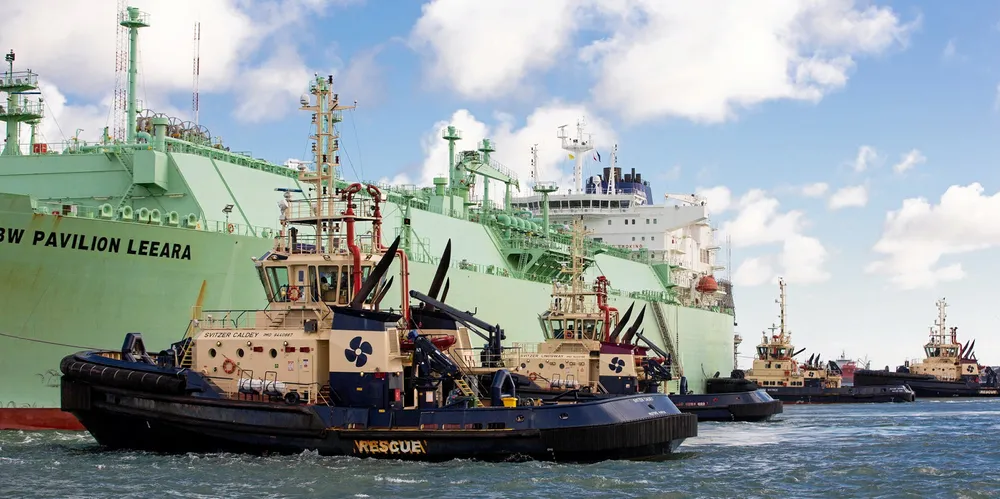
The Haven handles a significant share of Britain’s liquefied natural gas imports and hosts major oil and gas infrastructure, alongside commercial and fishing traffic. Any disruption could have national consequences for energy supply as well as local jobs.
Maritime security experts say the Hamburg case highlights how insider access can pose risks.
The suspects there reportedly worked at the port itself, allowing them proximity to vessels and systems without raising immediate suspicion.
That has prompted calls for tighter background checks, improved surveillance and stronger reporting procedures at critical UK ports.

A senior maritime security consultant told The Herald: “The biggest threat is often not dramatic attacks but low-level interference — someone loosening fittings, contaminating fuel, damaging cables. Small acts can cause very expensive and dangerous failures.
“Energy and naval ports are now considered critical infrastructure and must be protected accordingly.”
A spokesperson at the Port of Milford Haven, said: “Security across the Waterway is made up of physical measures, procedures, information‑sharing, and intelligence work. These activities are coordinated across all facilities to maintain an effective, intelligence‑led approach to security.
“Both land‑based and marine teams contribute, including commercial operators and government agencies. Each organisation uses its own vetting processes, all of which follow national standards, regulations, and best practice.”
UK vigilance
Across the UK, ports already operate under the International Ship and Port Facility Security Code, which requires controlled access zones, patrols and monitoring.
However, the scale and complexity of sites such as Milford Haven mean constant vigilance is needed.
Industry sources say collaboration between harbour authorities, police and counter-terrorism teams has increased in recent years, particularly following the war in Ukraine.
A Port of Milford Haven spokesperson previously said security measures are regularly reviewed and updated to “protect people, vessels and infrastructure”.
Police have not indicated any specific threat locally.
Nevertheless, the Hamburg arrests serve as a reminder that sabotage attempts are no longer theoretical.
For communities around the Haven — where tankers, refineries and supply chains underpin the local economy — the message is simple: what happens in European ports today could easily have implications at home tomorrow.


RSPCA warns missing a walk is safer than risking heatstroke
DOG owners are being urged to keep their pets indoors and avoid normal walking routines as extreme heat affects Wales and England.
The RSPCA has called for “lockdown-style caution” for dogs over the next 24 to 48 hours, warning that walks, ball games and energetic exercise could put pets at serious risk.
The charity says owners should change routines immediately, keeping dogs cool, calm and comfortable indoors until temperatures ease.
Lauren Bennett, dog welfare expert at the RSPCA and a former veterinary nurse, said: “During a red weather warning, dog owners should think of it like a temporary lockdown for their pets.
“For the next 24 to 48 hours, routines need to immediately change. This isn’t the time for walks, chasing the ball or playing fetch, or exposing pooches to energetic exercise.
“It’s far better for dogs to miss a few walks completely than to suffer the potentially fatal consequences of overheating, or heatstroke.”
The warning comes as the peak of the current heatwave is forecast for today and tomorrow, with temperatures potentially reaching 39C in some areas.
The RSPCA says dogs should only be taken outside briefly for toilet breaks, ideally to the nearest grassy area, before being brought straight back indoors.
Owners are advised to provide fresh water in several places, close curtains in sunny rooms, use fans safely, and allow dogs to rest on cooler floors, cooling mats or damp towels.
Mental stimulation, such as puzzle feeders, snuffle mats and gentle indoor training games, can be used instead of exercise.
Ms Bennett added: “These temperatures won’t last forever, but the decisions owners make over the next couple of days could have a lasting impact on their pets.
“For now, the message is simple: pause normal routines, prioritise keeping pets cool and comfortable, and wait until temperatures ease before returning to business as usual.”

The charity is also reminding owners to watch for signs of heatstroke, which can include heavy panting, drooling, confusion, weakness, vomiting, collapse or seizures.
The RSPCA said vets dealt with 355 suspected heatstroke cases in 2025, with two thirds recorded during the summer months.
Anyone concerned about a dog showing signs of heatstroke should move the animal to a cool area, offer small amounts of water, begin cooling with cool—not ice-cold—water, and contact a vet immediately.

CONCERNS over the future of skilled industrial jobs in Pembrokeshire have been raised following a meeting between two Senedd Members and Valero.
Claire Archibald MS and Paul Marr MS met with a senior representative from Valero to discuss the future of Pembroke Refinery, apprenticeships, and the pressures facing the UK refining industry.
Pembroke Refinery is one of the most important industrial sites in Wales, supporting hundreds of direct jobs as well as many more through contractors, suppliers and local businesses.
Speaking after the meeting, Claire Archibald MS said the refinery was “hugely important” to Pembrokeshire.

She said: “It supports skilled jobs, apprenticeships, contractors, local businesses, and families across the county. These are exactly the kind of well-paid, long-term jobs we should be protecting in west Wales.
“Valero raised serious concerns about the pressure being placed on UK refining, particularly through carbon costs and the UK Emissions Trading Scheme.
“If we make it too expensive to produce fuel here, we risk pushing jobs, investment, and production overseas. That would be bad for Pembrokeshire, bad for UK fuel security, and would not help the environment if the same fuel is simply imported from elsewhere.”
Ms Archibald said the Welsh Government had a role to play in supporting major industrial employers.

She added: “Ministers cannot just stand back and say this is nothing to do with them. They have responsibilities around economic development, skills, planning, regulation and infrastructure, and they are also part of the UK ETS framework.
“I will be pressing the Welsh Government to engage properly with Valero, listen to the concerns being raised, and treat Pembroke Refinery as the strategically important site it is.
“Pembrokeshire has already lost too much industry over the years. We should be doing everything sensible to protect skilled jobs, support apprenticeships and keep major employers investing here for the long term.”
Paul Marr MS said Pembroke Refinery remained a vital part of the local economy.

He said: “The message from Valero was clear: if we want to keep major industry in Wales, we have to make sure the policy environment allows businesses to invest, compete and plan for the future.
“We cannot afford to take sites like Pembroke Refinery for granted.”
Ms Archibald said she will now raise the concerns with the Welsh Government and ask what action ministers are taking to support Pembroke Refinery, protect skilled jobs and secure future investment in Pembrokeshire.
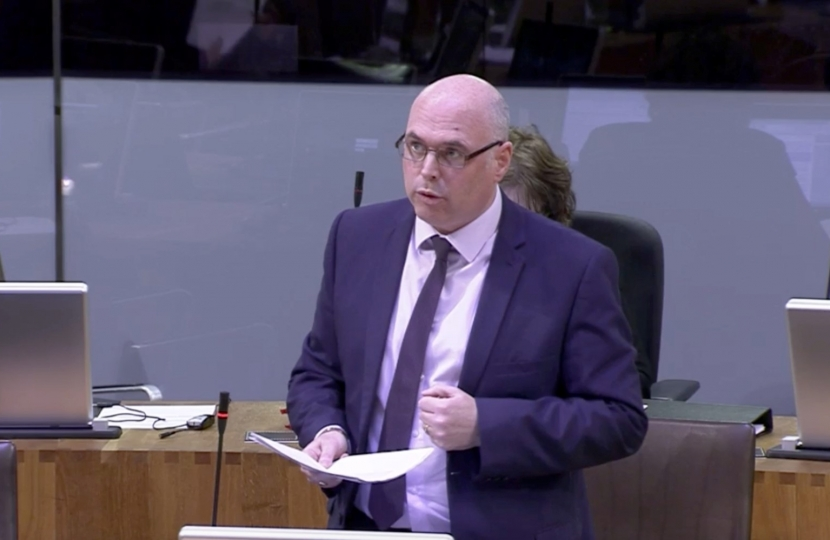
PAUL DAVIES MS has called on the Welsh Government to set out whether it will consider introducing a national screening programme for prostate cancer in Wales.
Mr Davies said he had requested a formal statement from ministers on prostate cancer services, including whether screening could be introduced to help improve early diagnosis.
He has also asked for an update on whether Stereotactic Ablative Radiotherapy, known as SABR, will be made available to patients in Wales. The treatment is already available to some patients in England.
Mr Davies said: “Prostate cancer is the most common cancer in men in Wales, and it is vital that patients have access to the very best treatments to improve outcomes.
“We need to understand whether the Welsh Government will consider a national screening programme, and whether Welsh patients will be given access to treatments that are already available across the border.”
The call comes amid continuing concern about cancer waiting times and access to specialist treatment in Wales.



Community11 hours ago
Manorbier fire scandal: Council’s payout just £63,777 after school destroyed
PEMBROKESHIRE COUNTY COUNCIL has accepted an insurance settlement which leaves it with just £63,777.07 after the catastrophic fire which destroyed...


News20 hours ago
Bus overturns in major incident near Kidwelly
All passengers rescued as emergency services remain at scene A BUS overturned on the A484 between Kidwelly and Ferryside on...


Community2 days ago
Tenby Summer Spectacular cancelled amid council row over harbour access
Organisers say popular charity events cannot safely go ahead without clear powers to control crowds TENBY ROUND TABLE has announced...


News2 days ago
Motorcyclist dies after four-vehicle crash on A40 in Carmarthenshire
A MOTORCYCLIST has died following a four-vehicle collision on the A40 between St Clears and Whitland. Dyfed-Powys Police said the...


News2 days ago
Rhun ap Iorwerth urges new deal for Wales after Starmer quits
First Minister says next Prime Minister must focus on greater powers, fair funding and respect for Wales’ democratic mandate FIRST...


News2 days ago
How Labour’s landslide victory unravelled in just two years
Prime Minister announces resignation after losing support within his own party as Andy Burnham emerges as overwhelming favourite to take...


News2 days ago
Long Course Weekend set to bring thousands to Pembrokeshire
Three days of swimming, cycling and running will once again transform Tenby into one of the UK’s biggest endurance sporting...


Community3 days ago
The gentle giant behind the tattoos
Pembrokeshire security worker Josh Davies praised for professionalism, kindness and proving first impressions can be wrong JOSH Davies is hard...


Charity4 days ago
Toy Story fans fill charity toy box at Haverfordwest cinema
Donations pour in for SNAP Specialist Play as families embrace Toy Story 5 launch A TOY STORY-themed charity appeal at...


Community4 days ago
Lord Rhys emerges from the mist in St Davids
Giant puppet begins historic journey marking 850 years since the first Eisteddfod MIST swirled around St Davids Cathedral on Friday...
-

 Crime6 days ago
Milford Haven man jailed for breaching domestic violence protection order
-

 News6 days ago
Crash on Freeman’s Way causes school-run chaos across Haverfordwest
-

 Health4 days ago
Woman jailed assaults on police, harassment and XL Bully possession
-

 Crime4 days ago
Milford Haven woman spared jail despite string of shop thefts
-

 Crime6 days ago
Portfield Gate man faces careless driving allegation after Tufton crash
-
Community3 days ago
The gentle giant behind the tattoos
-

 Local Government6 days ago
Pembrokeshire faces accessible housing shortage as 403 people wait for homes
-

 News7 days ago
Brexit at 10: How Britain was sold a dream that cost us dearly