


News
New RSPCA poll shows opposition to badger culling in Wales


PUBLIC SUPPORT FOR CULLING ‘NOT THERE’, CHARITY SAYS
NEW polling from RSPCA Cymru suggests there is no clear public support in Wales for badger culling as a way of tackling bovine TB.
The charity says the new Welsh Government must “listen to people’s love of wildlife” after a survey found that just over a quarter of people in Wales actively support the culling of badgers.
The polling, released today (May 13), comes as 96 Members of the Senedd prepare to take their seats in the newly-expanded Welsh Parliament, with bovine TB expected to become one of the major animal welfare and farming issues facing the next administration.
RSPCA Cymru said only 27% of those surveyed supported badger culling, while 46% were opposed. A further 28% said they did not know.
The charity is calling on Plaid Cymru, which is seeking to form a minority government following the appointment of Rhun ap Iorwerth MS as First Minister, and on MSs from all parties, to reject culling and focus instead on what it describes as a science-led, cattle-focused approach.

The survey of 1,033 adults in Wales found that 63% of respondents were uncomfortable with badger culling being carried out using lethal methods approved by government authorities.
More than two-thirds, 68%, said they were uncomfortable with public money being used to fund the culling of badgers.
The polling also suggested that the issue could affect political support. More than half of those surveyed, 52%, said they would be less likely to support a political party that backed badger culling, while only 7% said they would be more likely to do so.
RSPCA Cymru said the figures showed that badger culling was “unsupported by a clear majority” of the Welsh public.

Billie-Jade Thomas, senior public affairs manager for RSPCA Cymru, said: “How the new Welsh Government approaches bovine TB will be one of the biggest talking points concerning animals in Wales in the coming years.
“This polling should remind all newly-elected Senedd Members that the Welsh public cares about how badgers are treated, and politicians must listen to people’s love of wildlife.
“There is a clear lack of public support for badger culling in Wales, and those supporting such action could see their support wane among their constituents.”

She added: “Wildlife control and badgers were featured in several parties’ Senedd manifestos, including Plaid Cymru, Wales’ new biggest party.
“We now hope MSs from all political groups recognise that badger culling is unsupported by a clear majority of the Welsh public, and they should instead prioritise a science-led, cattle-focused approach to combatting bovine TB.”
The polling also found that almost 98% of people in Wales consider protecting Welsh wildlife to be important, with 69% saying it is very important.
Badgers were among the most popular species named in the survey, with 73% of respondents choosing them as one of the species they were most concerned about when asked to select their top three.
RSPCA Cymru said badgers remain one of Britain’s most distinctive and misunderstood wild mammals.
Ms Thomas said: “Badgers are such wonderful creatures and, like all wildlife, deserve to be treated with kindness and respect.
“A growing body of evidence suggests that the majority of bovine TB infection occurs between cattle, with scientific evidence suggesting that badger culling is not an effective way to reduce the disease in cattle.
“The new administration must always tackle bTB in a way which does not needlessly pose a threat to one of our most distinctive, well-loved yet misunderstood species of wildlife.”
RSPCA Cymru’s manifesto for the seventh Senedd, Securing A Better Future For Animal Welfare in Wales, calls for badger culling to be rejected, describing it as ineffective and inhumane.
The poll was carried out online by Savanta between April 24 and May 12, 2026. Figures were weighted to be representative of adults in Wales.


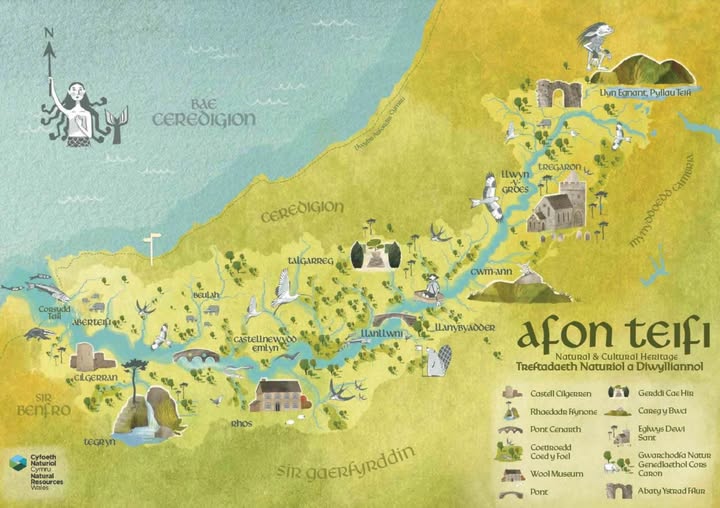
COMMUNITIES along the River Teifi are set to play a central role in a major new project aimed at improving the health of one of west Wales’ most important rivers.
The Teifi Fyw — Living Teifi: People and Nature Together project has been given the green light after securing more than £1.4m from The National Lottery Heritage Fund.
The conservation project aims to respond to climate change, biodiversity loss and declining river health, while also recognising the Teifi’s deep cultural and historic importance to the communities which live and work along its catchment.
The first stage will be a two-year development phase, bringing together scientific evidence, local history, lived experience and creative work to help shape future restoration plans.
The project will be coordinated by Natural Resources Wales, working with the West Wales Rivers Trust, the Mining Remediation Authority, Strata Florida Trust, Mentera, Ceredigion County Council, UNESCO-MOST BRIDGES at the University of Wales Trinity Saint David, and The Wildlife Trust of South and West Wales.
It will also build on existing work carried out by the Teifi Nutrient Management Board and local stakeholder projects including Llais yr Afon and P.R.A.M.
Cllr Clive Davies welcomed the announcement, saying he looked forward to seeing the project outcomes realised.
The River Teifi is one of Wales’ best-known waterways, flowing through Ceredigion, Carmarthenshire and Pembrokeshire before reaching the sea at Cardigan.
Project leaders say the aim is to ensure that restoration work is not only based on environmental evidence, but also reflects the values and priorities of the people who know the river best.
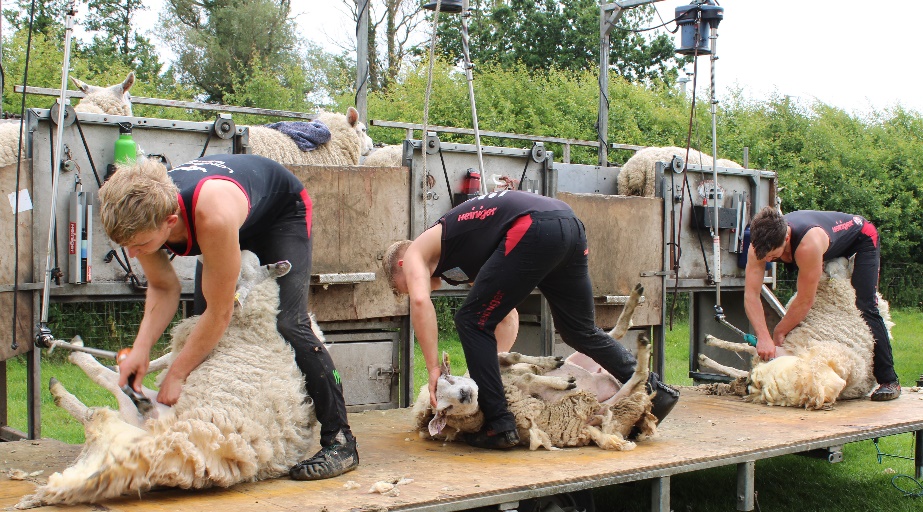
BRITISH WOOL recently reported that fleece value is at its highest for 10 years. With the shearing season underway for 2026, Heiniger’s Hefin Rowlands suggests that there has never been a better opportunity for farms to realise the best price for wool.
“The average payment increased to 68p per kilo last year, which was up from just 40p. Higher grade wools from breeds such as Cheviots are returning 85p per kilo. This makes the preparation for shearing and the shearing process all the more important,” he says.
Mr Rowlands points to the need for preparation to make the process better for shearers and sheep.
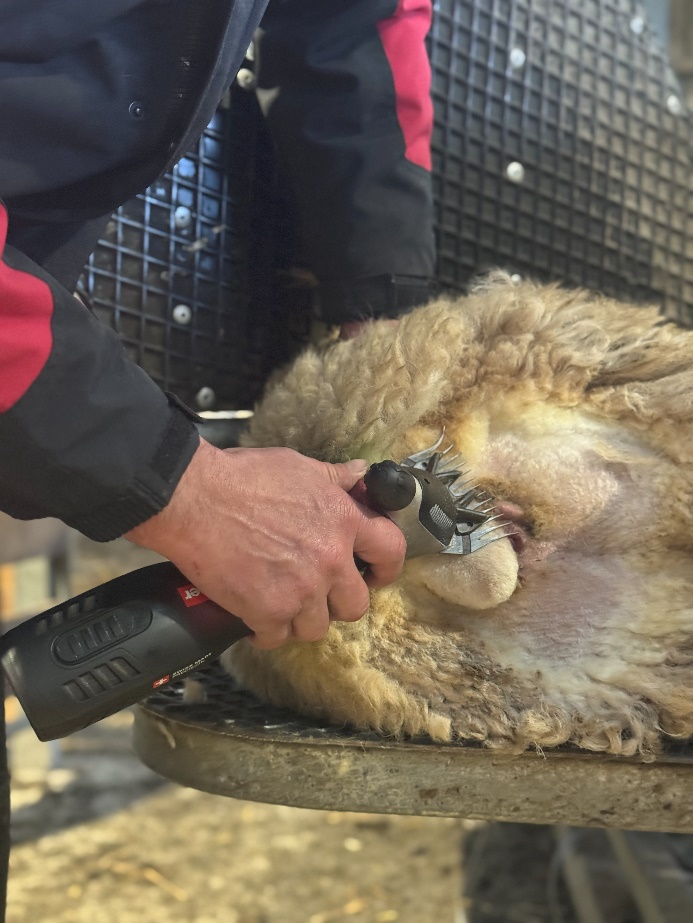
“Fasting, dagging and separating ewes from lambs will help, whether a farm is bringing in professional shearers or not. Straw, dirt and dung in fleeces seriously detracts from wool value, so both sheep and the area being used to shear should be as clean as possible,” he says.
He suggests that using the best quality equipment will also play a big part in how efficient the shearing process is.
“Factory sharp blades and the correct clothing are essential to any shearer. Heiniger has been manufacturing world-leading shears since 1946, so we know how important the right shears are to getting the best cut. But even the best shears need to have clean, sharp combs and cutters, which is why we offer free postage for servicing our equipment,” he says.
British Wool suggests that returns for the 2026 cut could rise by a further 25p-30p per kilo, meaning some wool will realise prices in excess of £1 per kilo.
“There is strong demand and it pays to meet this with the best quality wool. Investing in equipment and a good set of shears has never been more important for farms looking to take advantage of rising wool prices. However, nothing beats experience and this is where professional shearers can help make all the difference,” he says.
Above all, Mr Rowlands advocates that farms give shearing the attention it deserves, especially in a year when returns are projected to be high.
“Spending on the right equipment, preparing sheep well and working carefully to produce a clean fleece will pay dividends. The average fleece weight is around 4 kilos which means a flock of 250 ewes could return upwards of £1000 this year, and that makes investing time and effort in shearing a worthy choice to maximise returns,” he concludes.

Reform UK leader denies wrongdoing as parliamentary watchdog examines undeclared payment
NIGEL FARAGE is facing a parliamentary standards investigation over a £5 million gift from a major Reform UK donor.
The Reform UK leader, who has been MP for Clacton since July 2024, was referred to Parliamentary Commissioner for Standards Daniel Greenberg after reports emerged that he had received a previously undeclared payment from Thailand-based cryptocurrency investor Christopher Harborne in 2024.
The investigation is understood to relate to the rules requiring MPs to register relevant financial interests, including certain benefits received in the 12 months before entering Parliament.
Mr Farage has strongly denied wrongdoing and has said the money was a personal, unconditional gift connected to his safety and security, not his political activity.
A Reform UK spokesman said: “Mr Farage’s office is in communication with the Parliamentary Commissioner for Standards.
“He has always been clear that this was a personal, unconditional gift and no rules were broken.
“We look forward to this being put to bed once and for all.”
Mr Harborne has previously been identified as a significant donor to Reform UK. Reports say the £5 million payment was made before Mr Farage announced he would stand in Clacton at the 2024 general election.
The opening of an investigation does not mean Mr Farage has been found to have breached parliamentary rules.
However, the case is politically sensitive because of the size of the payment and because of Mr Farage’s prominent role as leader of Reform UK.
If the commissioner ultimately finds there has been a breach, the matter could be dealt with by correction in less serious cases, or referred to the Commons Standards Committee in more serious circumstances.
In the most serious cases, MPs can face suspension from the House of Commons. A suspension of ten sitting days or more can trigger a recall petition, potentially leading to a by-election if enough constituents sign it.

Mr Farage has previously been subject to a standards rectification process over late declarations of financial interests. The latest inquiry comes at a time of heightened scrutiny over political donations and party funding, with Reform UK under growing attention as it seeks to build on recent electoral gains.
Mr Farage remains entitled to the presumption that no breach has occurred unless and until the parliamentary standards process reaches a conclusion.



News5 hours ago
State Opening overshadowed by Starmer leadership crisis
KING CHARLES has arrived at Parliament for the State Opening as Sir Keir Starmer faces the most serious crisis of...


News1 day ago
Rhun ap Iorwerth becomes Wales’ new First Minister
PLAID CYMRU TAKES POWER AFTER HISTORIC SENEDD VOTE PLAID CYMRU leader Rhun ap Iorwerth has become Wales’ new First Minister...

News1 day ago
Hotel was hit during a Luftwaffe bombing raid
THE COMMEMORATION, held on Tuesday (May 12), marked the anniversary of the wartime attack, with members of the community gathering...


News1 day ago
Starmer fights for survival as Labour civil war erupts
Cabinet split, ministers resign and MPs revolt as pressure mounts on Prime Minister after disastrous election losses KEIR STARMER is...


News2 days ago
Starmer accused of ignoring Wales in major ‘reset’ speech
Prime Minister pledges EU reset, British Steel nationalisation and youth jobs guarantee — but critics say Wales was left out...


Community3 days ago
Concern grows after child hospitalised following Tenby sea swim
PARENT SAYS BOY BECAME SERIOUSLY ILL AFTER SWIMMING DURING FAMILY VISIT CONCERN is growing in Pembrokeshire after a parent claimed...


News3 days ago
Rhun prepares for clash with Starmer as Plaid eyes power in Cardiff Bay
PLAID CYMRU leader Rhun ap Iorwerth has signalled he is ready for confrontation with Prime Minister Keir Starmer after the...


News4 days ago
Plaid Cymru celebrates historic victory as Rhun ap Iorwerth arrives at Cardiff Bay
CROWDS gathered outside the Senedd as Plaid Cymru leader Rhun ap Iorwerth arrived in Cardiff Bay following his party’s historic...


Crime4 days ago
Police standoff ends after four-hour incident in Pembroke Dock
ELIZABETH COURT SCENE STOOD DOWN AFTER DOMESTIC INCIDENT A FOUR-HOUR police standoff in Pembroke Dock has ended with a 21-year-old...


Crime4 days ago
Teen denies attempted murder of Milford Haven teacher
TEENAGER REMANDED AHEAD OF JULY TRIAL A 15-YEAR-old boy has denied attempting to murder a teacher during a stabbing incident...
-

 Crime8 hours ago
Man threatens to torch Silverdale Lodge through ‘demon drink’, court hears
-

 Crime6 days ago
Racial abuse suspect barricaded himself inside Johnston lodge
-

 Local Government6 days ago
Tenant says botched wetroom repair left her fearing flooding
-

 Crime6 days ago
Milford Haven woman denies causing suffering to cat
-
Crime4 days ago
Police standoff ends after four-hour incident in Pembroke Dock
-

 Local Government2 days ago
Council leadership hopeful responds after anti-Tory rally photos surface
-

 Crime4 hours ago
Man sentenced for stalking women and threatening to torch home
-

 Entertainment6 days ago
Llys-y-frân Lake to launch Wales’s largest inflatable aqua park