

Health
Dementia patients in Wales ‘missed, delayed and abandoned’, landmark report warns


Families left without support as charity calls for urgent Welsh Government action
DEMENTIA patients in Wales are being “missed, delayed and abandoned” at every stage of care, according to a major new report published for Dementia Action Week.
Alzheimer’s Society Cymru says people are facing long waits for diagnosis, patchy access to treatment, and a lack of support after being told they have the condition.
The charity says people in the UK wait an average of 3.5 years from first symptoms to diagnosis, including almost six months after being referred by a GP to a memory clinic.
One in five people said they received no support after diagnosis, with some families describing the experience as being “released into the wild”.
The report also found that only half of those prescribed dementia medication remain on it for a year, despite the benefits of continued treatment.

In Wales, Alzheimer’s Society Cymru says 91% of people surveyed believe access to timely diagnosis must be improved.
The charity is calling on the new Welsh Government to publish a bold new dementia strategy covering diagnosis, care, treatment and support.
Gemma Roberts, Alzheimer’s Society’s National Influencing Manager, said: “Right now, we are seeing delays throughout the dementia care system in Wales. At every stage, people are missed. Symptoms are missed, diagnosis is delayed, and support often comes too late to be that lifeline so desperately needed by people with dementia and their loved ones.
“This is not a backlog problem. It is a system that is missing people at every stage and while the system waits, dementia progresses — stealing time, independence and dignity. While the focus is on waiting lists, people with dementia aren’t even in the queue. Welsh Government action can’t wait.”
The charity says around 51,000 people are living with dementia in Wales, a figure expected to rise to 70,000 by 2040.
Welsh Government figures show only 57% of people with dementia in Wales have a diagnosis. Diagnosis rates are lower in rural areas, including Powys, where the rate is 48%.
The report includes the experience of Moira Owens, from Caernarfon, whose husband Idwal was diagnosed with Parkinson’s seven years ago before further tests revealed he also had vascular dementia.

Moira said: “It was such a shock when they told me straight out, he has dementia — I wasn’t expecting it. Then I asked what they were going to do about it but there was no help, no advice, no name for me to contact. He wasn’t offered any treatment. We left the appointment without any support or guidance at all.
“I want the people making decisions to understand our needs and make dementia a priority. We must shout loud about dementia. It’s not like when you’ve broken your arm or you’ve hurt your face — it’s not obvious, you can’t see it. It’s hidden. I want leaders in Wales to sit up and listen.”
The findings form part of Alzheimer’s Society’s Unlocking the Door reports, which bring together research, clinical views, data and experiences from people living with dementia and their families.
The charity says failure to improve diagnosis and care will push more people into crisis, increase emergency hospital admissions, and place greater pressure on health and social care services.
Anyone living with dementia, or caring for someone who is, can contact Alzheimer’s Society’s support line on 0333 150 3456. Welsh speakers can call 03300 947 400.


WALES has recorded the highest rate of self-medication for anxiety and stress of any UK region, according to a new healthcare survey.
The STADA Health Report 2026 found that 31 per cent of adults surveyed in Wales said they self-medicated to manage anxiety or stress.
That was almost six percentage points above the UK average of 25.2 per cent.
The report also found comparatively low levels of trust in artificial intelligence for healthcare, alongside concerns about access to services, ageing and the amount of health information people are expected to navigate.
Just 38.5 per cent of Welsh respondents said they would trust AI to make a health diagnosis, the lowest rate recorded among the UK regions surveyed and well below the national average of 52.3 per cent.
Fewer than half, 42.4 per cent, said they would consider having a health consultation using AI, compared with 49.5 per cent across the UK.
Satisfaction with the public healthcare system was also lower in Wales. Some 57.9 per cent of Welsh respondents said they were satisfied, compared with a UK average of 65.1 per cent.
The findings form part of an international study commissioned by pharmaceutical manufacturer STADA Thornton & Ross and carried out by market research company Human8 Consulting.
A total of 2,001 adults were surveyed in the UK during February and March 2026, as part of a wider study involving 19,514 respondents across 20 countries. The company has not stated in the press material how many of the UK participants were based in Wales.
Concerns about ageing and access to care
More than two-thirds of Welsh respondents, 66.8 per cent, said they feared becoming dependent on care as they grew older.
That compared with a UK average of 54.3 per cent.
More than half of those surveyed in Wales, 55.4 per cent, also said they felt overwhelmed by the amount of health information available, against 47.7 per cent nationally.

The report’s authors said the findings suggested that some people were increasingly relying on self-management when they felt unable to access timely professional support.
However, the term “self-medication” can cover a range of behaviours, including the use of non-prescription medicines, supplements or other substances without direct advice from a healthcare professional.
Craig Shaw, general manager for STADA UK, said: “When one in three adults say they are self-medicating for anxiety or stress, it suggests many people are looking for practical ways to manage their wellbeing, but may not always feel they have access to the support they need at the right time.
“While trust in AI health tools is lower in Wales than elsewhere in the UK, the data also reinforces the enduring importance of trusted, face-to-face healthcare.
“Community pharmacists are uniquely placed to provide accessible advice, reassurance and guidance, helping people make informed decisions about managing their health and knowing when additional support is needed.”
STADA Thornton & Ross manufactures healthcare products including Covonia, Cetraben, Hedrin, Savlon and Zoflora, as well as generic and specialist medicines.
Anyone experiencing anxiety or stress is advised to speak to a GP, pharmacist or another qualified healthcare professional before taking medication that has not been prescribed for them.

Freedom of Information figures show more than 1,600 patients remained on the health board’s hip replacement waiting list in May
PATIENTS awaiting elective hip replacement surgery under Hywel Dda University Health Board waited an average of 450 days during the 2025/26 financial year, according to newly released figures.
The average wait was equivalent to just over 64 weeks, significantly longer than the treatment times set out under Welsh NHS targets.
The figures were obtained through a Freedom of Information request submitted to the health board by private healthcare marketplace My Medical Gateway.
In Wales, the stated aim is for 95% of patients to begin treatment within 26 weeks of referral, with no patient waiting longer than 36 weeks.
Hywel Dda confirmed that 1,608 patients were on its waiting list for hip replacement surgery as of May 28, 2026.
The health board also said 16 patients had been removed from the waiting list during the 2025/26 financial year after choosing to undergo treatment privately.
Hip replacement surgery is most commonly offered to people experiencing severe pain, stiffness and reduced mobility, often after other treatments such as physiotherapy, pain relief, injections and lifestyle changes have failed to provide sufficient relief.
Sara Gezdari, Head of Investor Relations at My Medical Gateway, said prolonged waits could have a serious effect on patients’ physical and emotional wellbeing.
She said: “Many people join NHS waiting lists after already spending months or years attempting to manage their condition through physiotherapy, pain relief medication, injections and lifestyle modifications.
“By the time surgery is recommended, they are often already struggling. The true impact of waiting is measured not in weeks but in declining quality of life.”
She said patients waiting for surgery could experience increasing pain, disrupted sleep, reduced mobility, loss of independence, social isolation and worsening mental health.
Long waits could also have financial consequences, particularly for people whose employment relies on physical mobility.

Ms Gezdari added: “Many patients continue working despite severe symptoms. As pain worsens, productivity often falls. Some reduce their hours. Others leave work entirely.
“The consequences can be particularly significant for self-employed individuals who depend upon physical mobility to earn a living.”
My Medical Gateway said private hip replacement surgery in the UK typically costs between £12,549 and £14,950.
The company, which connects UK patients with private hospitals in the European Union, said the average price offered by many European providers was approximately £9,088.
However, travelling abroad for medical treatment can involve additional considerations, including travel costs, insurance, post-operative care and arrangements if complications arise.
The Freedom of Information response was returned by Hywel Dda University Health Board on June 8, 2026.
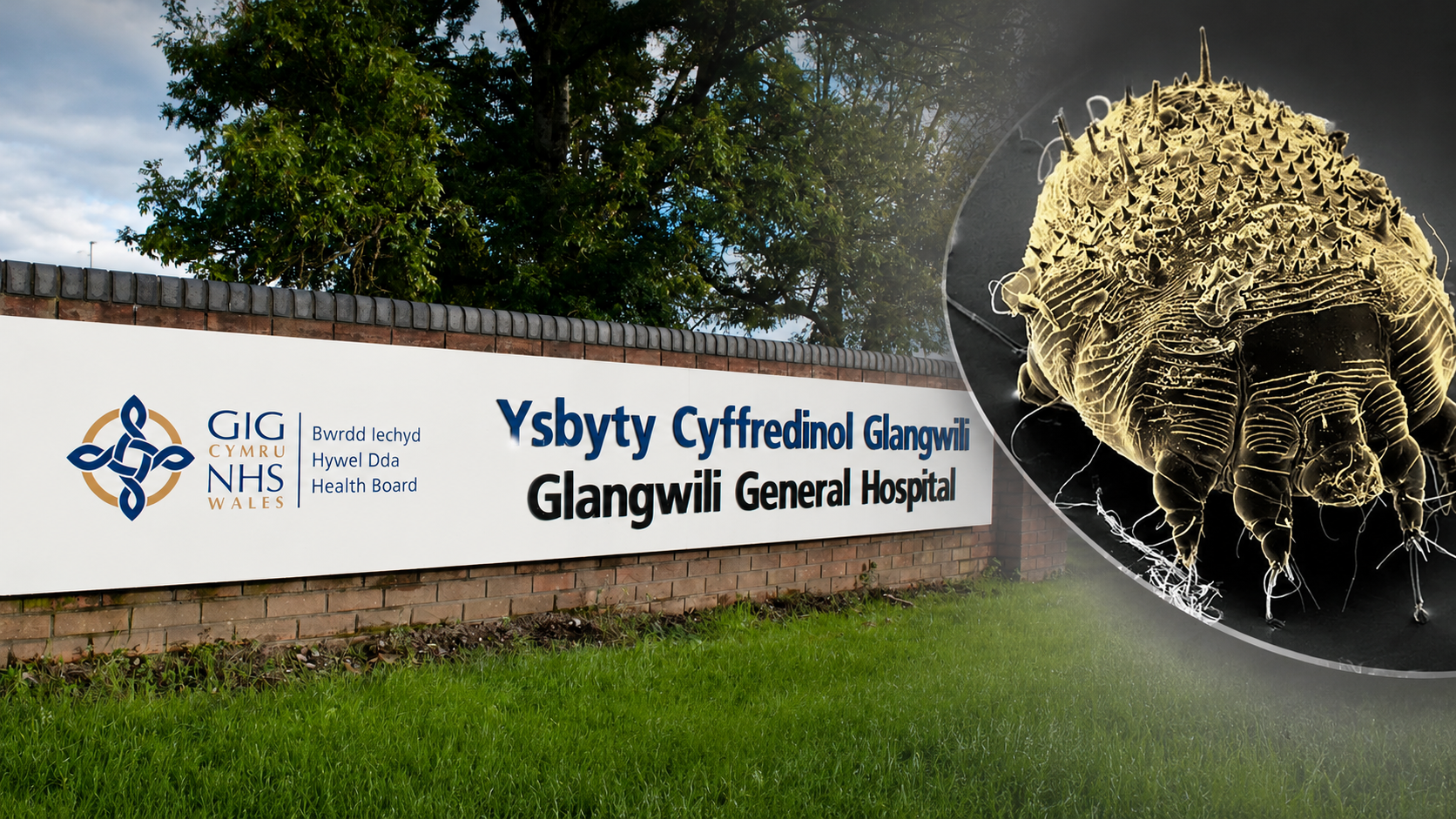
Hywel Dda confirms wider rise in cases across Carmarthenshire, Pembrokeshire and Ceredigion as patients and staff are offered treatment
A HOSPITAL ward in Carmarthen has been temporarily closed following an outbreak of crusted scabies, a rare and highly contagious form of the condition.
Hywel Dda University Health Board confirmed that Steffan Ward at Glangwili Hospital has been closed while the outbreak is managed under established infection prevention and control procedures.
All patients and members of staff identified as contacts have been informed and offered treatment, including those who are not currently showing symptoms.
Additional measures have been introduced on the ward, including enhanced monitoring, treatment of identified contacts and continued support from specialist infection control teams.
The health board said the situation would remain under review and that the ward would reopen when it was considered safe to do so.
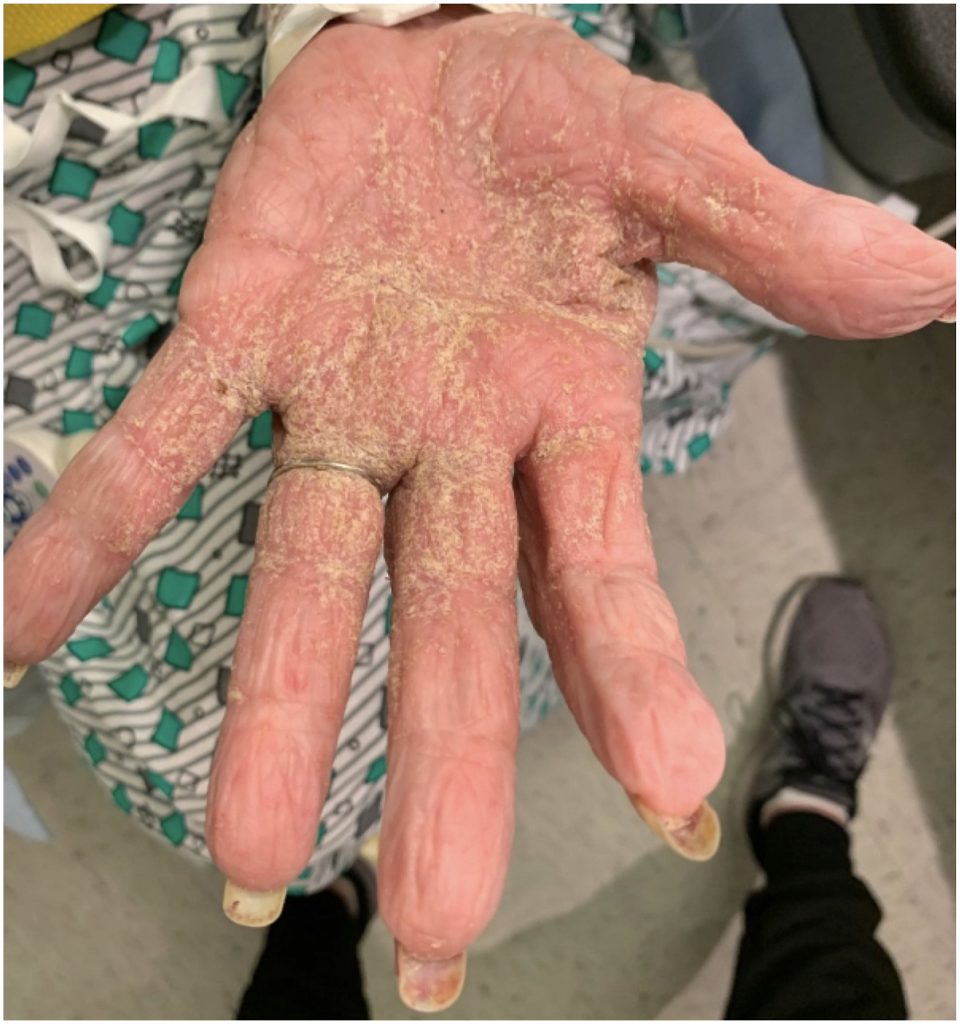
Of wider concern is the health board’s confirmation that scabies cases are increasing across Carmarthenshire, Pembrokeshire and Ceredigion, with the regional rise contributing to outbreaks within hospitals.
The reference to hospital outbreaks in the plural has prompted questions about whether other wards or hospital sites are currently affected.
The Herald has asked Hywel Dda to confirm the number of patients and staff involved, when the first case was identified and whether any other wards, hospitals, care homes or community healthcare settings are dealing with linked cases.
We have also asked what effect the closure is having on admissions, patient transfers and bed availability at Glangwili.
Hywel Dda University Health Board said on Friday (Jul 10): “We can confirm that Steffan Ward at Glangwili Hospital has been temporarily closed to admissions following the identification of a case of crusted (Norwegian) scabies.
“As scabies is primarily a clinical diagnosis, there are limitations in confirming all cases through diagnostic testing. Due to the highly infectious nature of crusted scabies and in line with infection prevention and control guidance, a precautionary contact tracing and treatment programme has been implemented.
“Patients and staff who may have been exposed have been identified and are being offered treatment as a precaution.

“The decision to temporarily close Steffan Ward was taken as a precautionary measure to enable appropriate infection prevention and control measures, environmental cleaning, and treatment of contacts to be undertaken. Patient safety remains our priority and patients who have been recently discharged and are thought to have possibly been exposed will be contacted.
“The reference to an increased prevalence of scabies across Carmarthenshire, Ceredigion and Pembrokeshire reflects observations from healthcare services across the region. Scabies is currently being seen more frequently in community and healthcare settings than in previous years. However, because most scabies cases are diagnosed clinically and managed in primary care or other community settings, comprehensive population-wide figures are not available.
“There are no other ward closures relating to scabies at Withybush Hospital, Prince Philip Hospital or Bronglais Hospital.
“Hywel Dda University Health Board’s Infection Prevention and Control Team is working closely with relevant partners, including Public Health Wales, to ensure appropriate management of the incident.
“The ward will re-open once infection prevention and control measures have been completed and it is considered safe to do so.
“For patients, visitors and members of the public, the risk remains low. Anyone who has concerns about symptoms of scabies should seek advice from their GP or community pharmacist.”
Previous outbreaks reported
This is not the first time scabies has caused disruption within the Hywel Dda area.
Health board papers considered in October 2025 referred to an earlier scabies outbreak on Steffan Ward which required a multidisciplinary response.
It is not currently known whether that incident and the latest outbreak are connected.
The closure also follows earlier reporting by The Herald about scabies circulating in Pembrokeshire care homes.
In November 2025, care providers said several residential settings were managing outbreaks with clinical support and guidance from Hywel Dda University Health Board.
Pharmacies in Milford Haven and Haverfordwest had also reported increased demand for scabies treatments.
The Herald has asked the health board whether the current regional increase is connected to the pattern of outbreaks reported last year and what action has since been taken to monitor and contain the spread.
UK outbreak caused months of disruption
A previous outbreak at a major UK hospital demonstrates how difficult scabies can be to control in a healthcare environment.
Raigmore Hospital in Inverness was affected by a series of scabies incidents during 2023.
One ward was closed in March and did not reopen until May, while another ward was closed to new admissions in July after further cases were identified.
The outbreak caused disruption over several months and showed that restrictions can return even after previously affected areas have reopened.
Raigmore is the largest hospital in the Scottish Highlands, meaning prolonged ward closures had consequences for capacity and the wider community it serves.
It is too early to say whether the disruption at Glangwili will reach a similar scale.
However, the situation carries an added concern because Hywel Dda has specifically identified the condition as crusted scabies.
What is crusted scabies?
Scabies is caused by tiny mites which burrow into the skin and is most commonly spread through prolonged, close skin-to-skin contact.
Symptoms can include intense itching, particularly at night, and a raised rash which often appears between the fingers, around the wrists, under the arms and near the waist or groin.
Crusted scabies is a rare and more severe form of the infestation in which exceptionally large numbers of mites can be present.
It is substantially more contagious than ordinary scabies and may spread through shorter periods of direct contact or through contaminated bedding, clothing, towels and furniture.
The condition can require more intensive treatment and extensive environmental cleaning, making outbreaks in hospitals and care settings particularly challenging to control.
Scabies is treatable, but symptoms can take several weeks to appear. Close contacts may therefore be offered treatment even when they have no symptoms, helping to reduce the risk of further transmission or reinfection.
Hywel Dda has not yet disclosed the number of confirmed cases, how many patients and staff have been treated or when Steffan Ward is expected to reopen.
The Herald will update this report when further information is received from the health board.
Additional reporting by James Sinclair



Community2 hours ago
Neyland Carnival hailed a huge success after streets fill with colour and crowds
NEYLAND CARNIVAL organisers have thanked the community, volunteers and local businesses who helped make this year’s event a memorable success....


Community5 hours ago
Tenby Summer Spectacular: Anger grows over ‘disaster waiting to happen’ warning
A growing backlash has followed police calls for the event’s licence to be revoked, with supporters questioning why authorities failed...
Community8 hours ago
Police warn Tenby Summer Spectacular is ‘a disaster waiting to happen’
POLICE have warned that Tenby’s Summer Spectacular has become “a disaster waiting to happen”, amid concerns about overcrowding, crowd surges...


Charity1 day ago
RSPB secures ‘missing link’ to reconnect wildlife habitats in Carmarthenshire
RSPB CYMRU has purchased a 96-hectare upland site in Carmarthenshire, describing it as a vital step towards reconnecting one of...


Crime2 days ago
Ann Widdecombe: Welsh politicians pay tribute as murder probe launched
Prime Minister Sir Keir Starmer has praised the former minister’s “conviction and dedication”, while political figures in Wales remembered her...


News2 days ago
Solardo pulls out of Haverfordwest show as organisers offer full refunds
Headline act confirms non-appearance as Park House Series announces major event changes DANCE music duo Solardo will no longer perform...


Local Government2 days ago
Conservatives win Pembroke Dock seat as Reform stalls and Dowson polls just 11
Jamie Street takes Market ward with a 43-vote majority as Reform finishes fourth despite its major Senedd breakthrough two months...

Health2 days ago
Hospital ward closed after highly contagious scabies outbreak
Hywel Dda confirms wider rise in cases across Carmarthenshire, Pembrokeshire and Ceredigion as patients and staff are offered treatment A...


Crime3 days ago
Teacher stabbing trial: The first week of evidence
Jury hears accounts of alleged planned classroom attack, teacher’s fear she was dying, and boy’s words after leaving school A...


Community3 days ago
Haverfordwest Castle refurbishment reaches new heights as roof goes on
Major milestone reached in project to transform historic gaol building into flagship visitor attraction A MAJOR milestone has been reached...
-

 Farming5 days ago
Pembrokeshire slaughterhouse given urgent improvement rating after audit failure
-

 News5 days ago
From boccia to boxing: ALN multisport events give youngsters chance to try activities
-

 News6 days ago
Large fire breaks out at Impala Terminal in Milford Haven
-

 News5 days ago
Questions raised over Hamilton Accies finances after club’s Haverfordwest friendly
-

 Education6 days ago
Council failed Welsh language standards over school closure
-

 Entertainment4 days ago
Swing and big band classics heading to Torch Theatre
-
 Farming3 days ago
Working Carmarthenshire farm opens gates to visitors with new holiday cottages
-

 Entertainment6 days ago
Crymych Arms to host weekend of local music, food and drink