


Farming
Rural Wales ‘left out’ of net zero debate, warns carbon entrepreneur

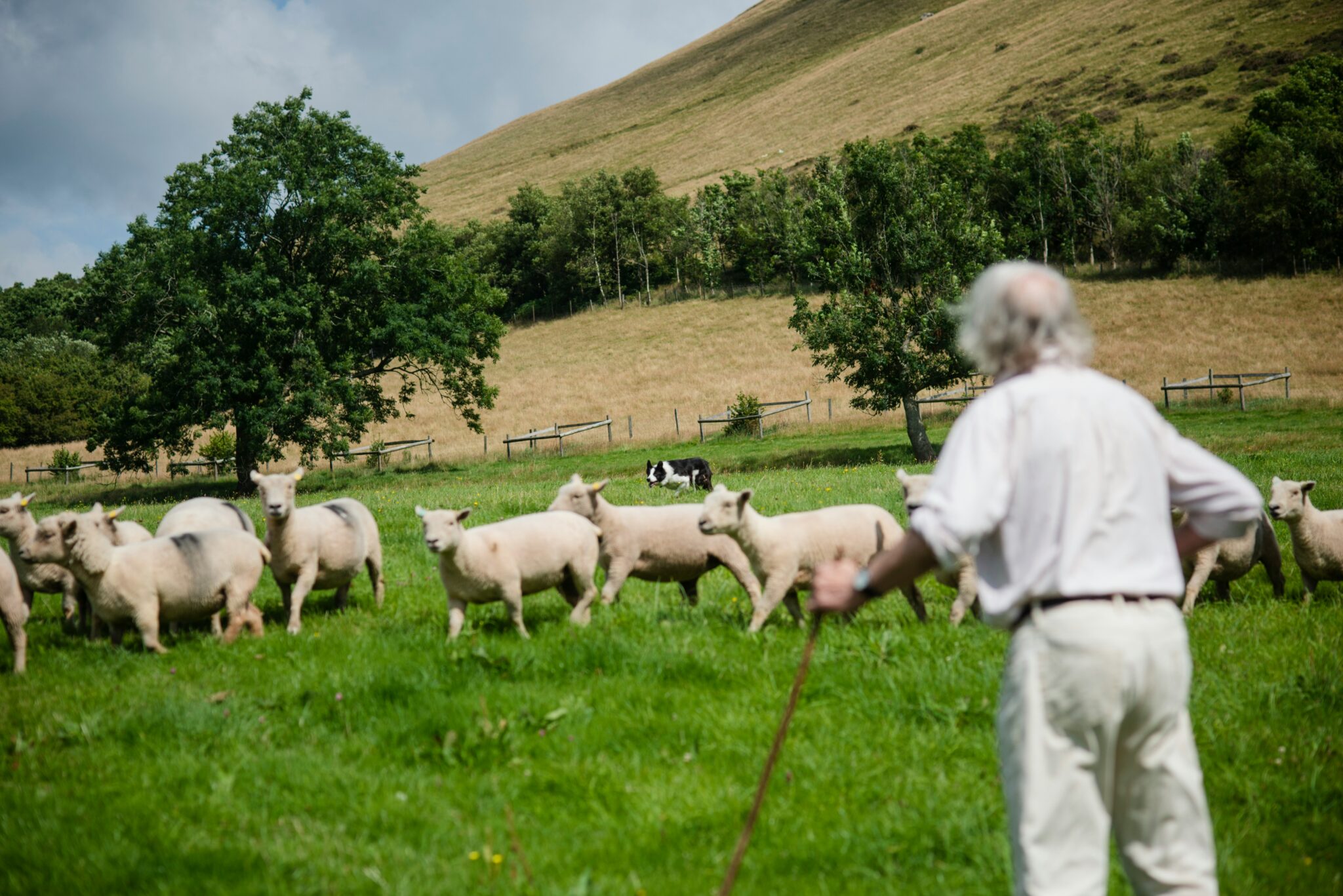
A WELSH carbon entrepreneur has warned that rural Wales risks being left behind in the national conversation about net zero.
Cai Matthews said farmers and land-based businesses are too often treated as people who will be affected by climate policy, rather than as people who can help shape it.
Writing for the Institute of Welsh Affairs’ welsh agenda, Mr Matthews said much of the debate around a “just transition” in Wales focuses on cities, heavy industry, transport, digital jobs and renewable energy.
He said those areas matter, but warned that they do not reflect the reality of a country where most of the land is rural or agricultural.
Mr Matthews said: “Farmers in Wales are visible in the just transition conversation primarily as potential victims of it.

“They are not framed as producers of economic value in the green economy. They are not framed as innovators.”
He said rural communities are often overlooked because their problems are less visible than the closure of a factory or the loss of thousands of jobs in one town.
Instead, he said, pressure builds quietly through low farm incomes, reliance on subsidy, mental health strain, and young people struggling to see a future on family farms.
Mr Matthews argued that Welsh farmland should be seen as a major economic asset in the climate transition.
He pointed to agroforestry, soil improvement, biodiversity work and biochar as examples of land-based climate work that can remove carbon while also supporting nature.
He said farmers could earn additional income by selling verified carbon removal alongside food production, but warned that the system must be designed fairly.
Carbon markets, he said, were not a complete answer to the problems facing rural Wales, but could provide a valuable second income stream if farmers were not priced out or exploited by outside platforms.

Mr Matthews said the danger was that companies and organisations outside Wales would build the infrastructure, take the value, and leave farmers with only a small share.
He said Wales should instead build its own system, rooted in Welsh law, Welsh land and Welsh communities.
Mr Matthews, who works with Clo Carbon Cymru, said the Well-being of Future Generations Act should give Wales a strong foundation for this work, but only if its principles are turned into practical action.
He said the next Welsh Government should recognise that some of the work needed for a just transition is already happening on the ground.
He added: “The question for the next Welsh Government isn’t whether it can architect a just transition from the top down.
“It’s whether it can recognise the one being built from the ground up, and decide to stand behind it.”
The intervention comes as farming unions continue to argue that rural Wales must not be sidelined in climate, biodiversity and land-use policy.
Mr Matthews said the issue was not simply about asking for more investment in rural areas, but about recognising farmers as active partners in building Wales’ future economy.











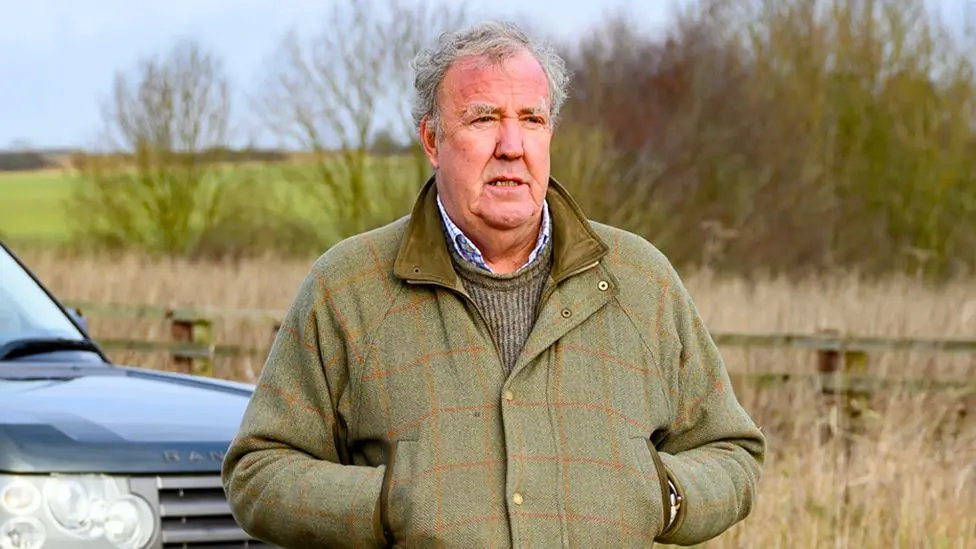
JEREMY CLARKSON’S prostate cancer diagnosis has highlighted a problem familiar to many farming families — what happens when serious illness collides with the daily demands of running a farm.
The presenter revealed in the latest series of Clarkson’s Farm that he had been diagnosed in 2025 with an aggressive form of prostate cancer. He has since confirmed that he is in remission.
But his comments about worrying that treatment would clash with a busy period on his Cotswolds farm have struck a chord with farmers across the country.
For many in agriculture, illness is not just a personal health crisis. It can also raise immediate questions about livestock, crops, machinery, bills, family income and who will carry out essential work if the farmer is forced to stop.
Bridgette Baker, a fifth-generation farmer from Montacute, near Yeovil, said the dilemma was one many farmers would recognise.
She said: “Farmers calculate how many days they would be off and think, ‘how far back in my jobs list am I going to be?’”
Miss Baker, 25, works on her family’s beef and arable farm at Windmill Farm. With no outside employees, she said covering daily duties during periods of illness could be extremely difficult.
She added: “Sometimes you’d think the priority is to get the treatment, but sometimes farmers like to put their farm first to get the jobs done.”
The issue is particularly serious in family-run farms, where the business, home and livelihood are often closely linked. A period of illness can affect not only the patient, but the whole family operation.
The Farming Community Network, which supports farming families, is working with Macmillan Cancer Support to improve help for those affected by cancer in rural communities.
The charity said farmers often faced barriers in accessing cancer services and support because of long working hours, rural isolation and the practical demands of farming.
A spokesperson for FCN said cancer could have a serious impact on a family business, especially where livestock needed immediate care or where the farm employed others.

They said: “That can have significant impacts on an individual and their families, including their housing and extended family situation or immediate welfare issues for livestock.”
Clarkson’s Farm, which launched in 2021, has become one of Amazon’s most successful factual entertainment series. It follows the former Top Gear presenter as he attempts to run Diddly Squat Farm in Oxfordshire, highlighting the financial pressures, red tape, weather problems and practical challenges facing British agriculture.
His diagnosis has now brought another farming issue into the public eye: the difficulty of putting health first when the land, animals and business cannot simply be paused.
Health charities continue to urge men to seek advice if they are concerned about prostate cancer, particularly if they are over 50, have a family history of the disease, or are at higher risk.
Farm support groups say the message is simple: farmers should not delay seeking medical help because of work pressures, and families should reach out for support before a health crisis becomes unmanageable.
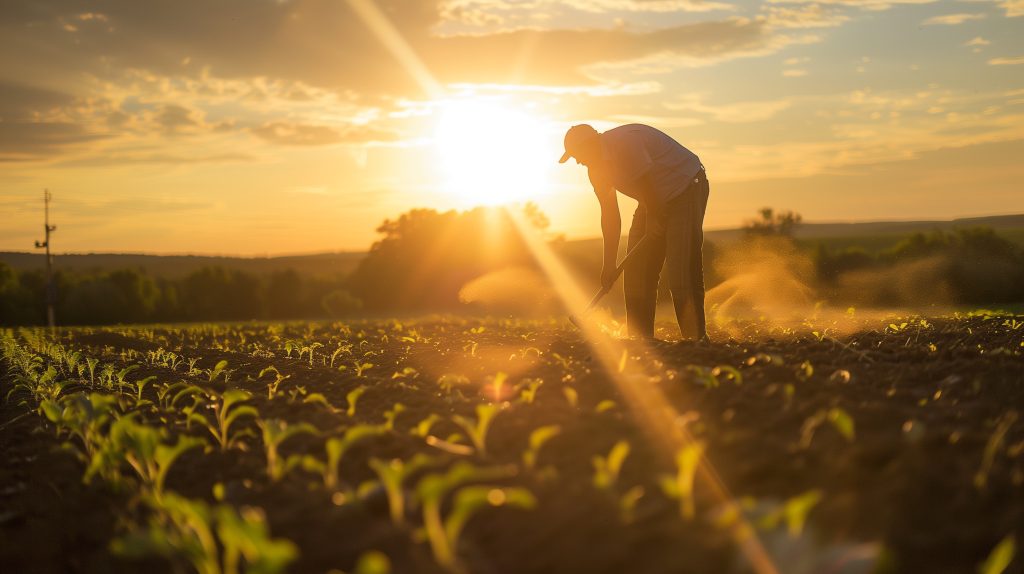
NFU Cymru reminds agricultural workers to take precautions as temperatures soar
NFU CYMRU is urging farmers and agricultural workers across Wales to take extra care during the current spell of hot weather, warning that prolonged exposure to heat and the sun can pose serious risks to health.
While livestock welfare remains a major concern during heatwaves, the union says those working outdoors should not overlook the dangers to themselves. Farmers, contractors and farm workers often spend long hours exposed to direct sunlight, increasing the risk of dehydration, heat exhaustion, heat stroke and skin cancer.
According to the Health and Safety Executive (HSE), ultraviolet (UV) radiation is recognised as an occupational hazard for people who work outdoors. Occupational exposure to UV rays is linked to around one death and five new cases of skin cancer every week in Britain.
NFU Cymru is encouraging employers to ensure staff have access to sunscreen, drinking water and shaded rest areas, while workers are being advised to protect themselves by covering exposed skin and avoiding the hottest part of the day wherever possible.
The union recommends using sunscreen with a minimum SPF15 and reapplying it regularly throughout the day. Wearing lightweight long-sleeved clothing, wide-brimmed hats or neck-flap hats, and taking breaks in the shade can significantly reduce exposure to harmful UV rays.
Hydration is equally important, with workers advised to drink plenty of water throughout the day. Alcohol and excessive amounts of caffeinated drinks should be avoided, as they can contribute to dehydration.
Farmers are also being reminded to monitor their skin for unusual moles or changes in existing marks, particularly those with fair skin, freckles, light-coloured eyes or a large number of moles, who are at greater risk of developing skin cancer.
As temperatures continue to rise, NFU Cymru warns that heat exhaustion can develop quickly. Early symptoms include headaches, dizziness, nausea, muscle cramps, heavy sweating, rapid breathing, intense thirst and a body temperature above 38C. Without prompt action, heat exhaustion can develop into life-threatening heat stroke.
To reduce the risk, outdoor work should be planned for cooler parts of the morning or evening where possible, with frequent breaks taken in shaded or well-ventilated areas. Workers should also slow their pace during periods of extreme heat, wear loose-fitting light-coloured clothing and eat foods with a high water content, such as fruit and salads.
The union is also encouraging employers to review working practices during periods of hot weather by introducing additional shaded work areas, increasing the availability of drinking water, allowing workers to remove unnecessary protective clothing during rest breaks where safe to do so, and ensuring staff recognise the warning signs of heat-related illness.
With high temperatures forecast to continue across Wales, NFU Cymru says taking simple precautions now can help prevent serious illness and ensure farms continue to operate safely throughout the summer.
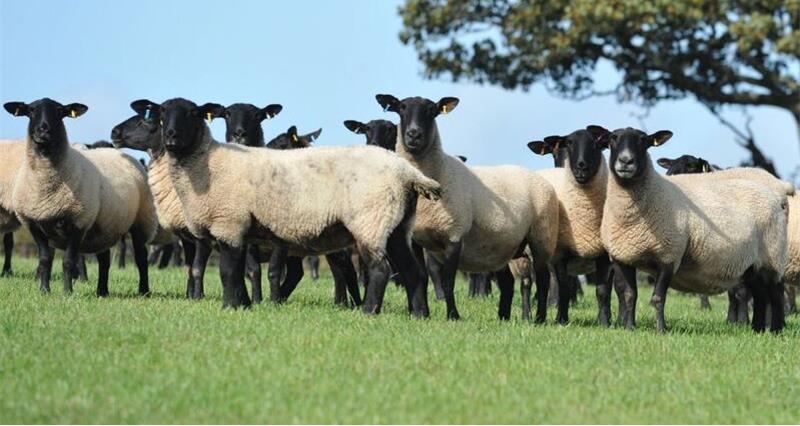
FARMERS across Wales are being urged to take urgent steps to protect livestock as extreme heat warnings raise serious concerns over animal welfare.
The Animal and Plant Health Agency has issued hot weather guidance, warning that heat stress can pose a severe risk to animals and affect productivity during prolonged periods of high temperatures.
NFU Cymru is reminding livestock keepers to check water supplies daily, with animals able to double their water intake during extreme heat. Farmers are also being advised to use extra troughs where needed to reduce competition.
The union says housed animals should have good airflow, with fans used where appropriate and buildings kept well ventilated. Outdoor livestock should have access to natural or artificial shade.
Farmers are also being urged to avoid moving or handling animals unless absolutely necessary. Where transport cannot be avoided, it should take place during the coolest part of the day, with loading density reduced by at least 30 per cent and vehicle airflow maximised.
NFU Cymru has also warned farmers to remain vigilant for blowfly strike in sheep and metabolic diseases such as CCN in cattle.
Rob Lewis, NFU Cymru Livestock Chair, said: “With unprecedented day and night temperatures expected over most of Wales in the next few days, I urge all livestock keepers to follow the APHA guidelines mentioned above to protect the welfare and the well-being of their stock.
“In particular, avoid livestock moves during the hottest parts of the day.”


News2 hours ago
Coastguard callout payments axe sparks fears for coastal communities
VOLUNTEER coastguards across the UK are set to lose callout payments, prompting concern over the future resilience of emergency cover...

Farming4 hours ago
Rural Wales ‘left out’ of net zero debate, warns carbon entrepreneur
A WELSH carbon entrepreneur has warned that rural Wales risks being left behind in the national conversation about net zero....


Local Government18 hours ago
Tenby Spectacular row continues as organisers say key question remains unanswered
Round Table says legal clarity over pedestrian access is still holding up event plan TENBY ROUND TABLE has welcomed Pembrokeshire...


Community2 days ago
Manorbier fire scandal: Council’s payout just £63,777 after school destroyed
PEMBROKESHIRE COUNTY COUNCIL has accepted an insurance settlement which leaves it with just £63,777.07 after the catastrophic fire which destroyed...

News2 days ago
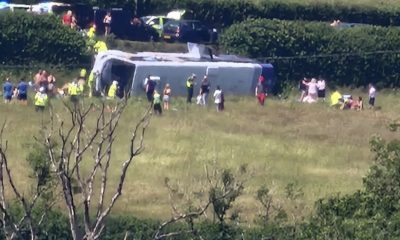
Bus overturns in major incident near Kidwelly
All passengers rescued as emergency services remain at scene A BUS overturned on the A484 between Kidwelly and Ferryside on...


Community3 days ago
Tenby Summer Spectacular cancelled amid council row over harbour access
Organisers say popular charity events cannot safely go ahead without clear powers to control crowds TENBY ROUND TABLE has announced...


News3 days ago
Motorcyclist dies after four-vehicle crash on A40 in Carmarthenshire
A MOTORCYCLIST has died following a four-vehicle collision on the A40 between St Clears and Whitland. Dyfed-Powys Police said the...


News3 days ago
Rhun ap Iorwerth urges new deal for Wales after Starmer quits
First Minister says next Prime Minister must focus on greater powers, fair funding and respect for Wales’ democratic mandate FIRST...


News3 days ago
How Labour’s landslide victory unravelled in just two years
Prime Minister announces resignation after losing support within his own party as Andy Burnham emerges as overwhelming favourite to take...


News4 days ago
Long Course Weekend set to bring thousands to Pembrokeshire
Three days of swimming, cycling and running will once again transform Tenby into one of the UK’s biggest endurance sporting...
-
 News7 days ago
Crash on Freeman’s Way causes school-run chaos across Haverfordwest
-

 Health5 days ago
Woman jailed assaults on police, harassment and XL Bully possession
-

 Crime5 days ago
Milford Haven woman spared jail despite string of shop thefts
-

 Community4 days ago
The gentle giant behind the tattoos
-

 Local Government7 days ago
Pembrokeshire faces accessible housing shortage as 403 people wait for homes
-

 Crime5 days ago
Spittal man to stand trial accused of ABH
-

 Crime5 days ago
Carmarthenshire pensioner, 86, accused of causing prostitution for gain
-

 Entertainment4 days ago
Harbour Fest to bring music, food and maritime magic to Milford Waterfront