


Farming
Animal welfare at the heart of new Snares Code


 DEPUTY MINISTER for Farming and Food, Rebecca Evans, has welcomed a new, improved Code of Practice on the use of snares in fox control that places the welfare of animals at its core.
A UK Government-commissioned report for England and Wales on snares published in 2012 highlighted that although snares were mainly used when other control methods were not available, many of the snares in use were leading to animal welfare risks and the capture of non-target animals.
Following the findings of the report, the Welsh Government has been working with stakeholders to find ways to improve welfare standards by improving snaring practice in Wales.
The Deputy Minister said: “As our Animal Health and Welfare Framework makes clear, the way we treat our animals is an important reflection of our society’s values. Throughout the development of this Code we have worked side by side with interested parties across Wales and I would like to thank all those involved in these discussions for their input.
“It is vital that we improve awareness of the issues around snaring and we will continue to work closely with our partners to make sure the messages from the Code are widely disseminated and publicised across Wales.
“I hope this action will help improve snare operator practice by providing clear and practicable advice and how to comply with the law. This will in turn ensure improved standards in animal welfare and reduce the impact on non-target species.”
The Code of Best Practice on the Use of Snares in Fox Control, published on September 25, is aimed at those who use snares in the Welsh countryside. It seeks to deliver higher animal welfare standards, increased efficiency in terms of fox control, and ensure that fewer non-target species are being caught.

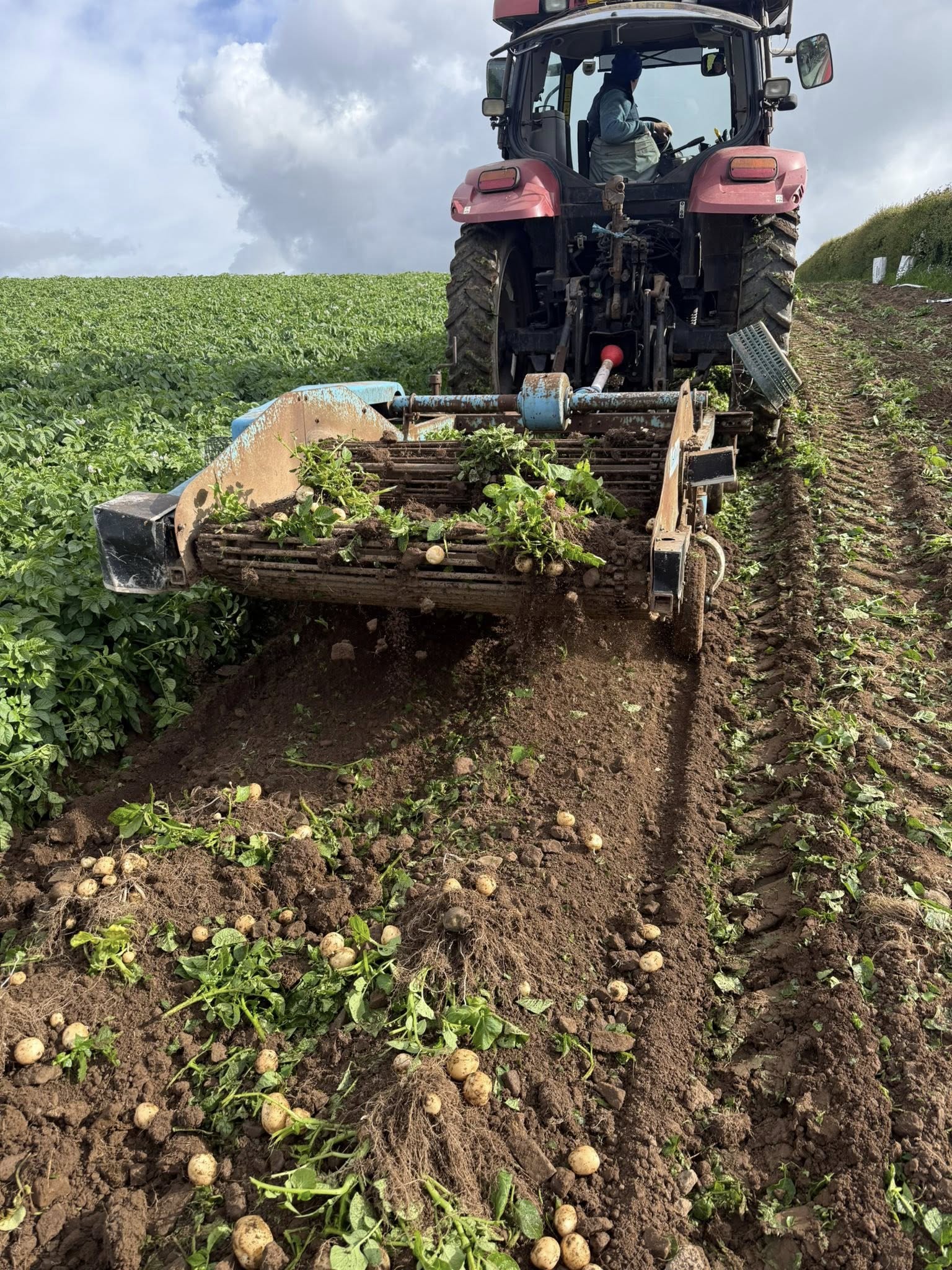
Locally grown early potatoes arrive in stores as farmers begin lifting the first Pembrokeshire crop of 2026
PEMBROKESHIRE’S famous new potato season has officially begun, with the first crop of locally grown potatoes being harvested and delivered to shops across the county.
Farmers at Norton Farm began lifting the first Pembrokeshire new potatoes of the year this week, with the freshly harvested crop expected to reach local stores by Friday morning.
The arrival of Pembrokeshire new potatoes marks the unofficial start of the county’s summer growing season and is eagerly anticipated by shoppers keen to enjoy one of Wales’ best-loved seasonal foods.
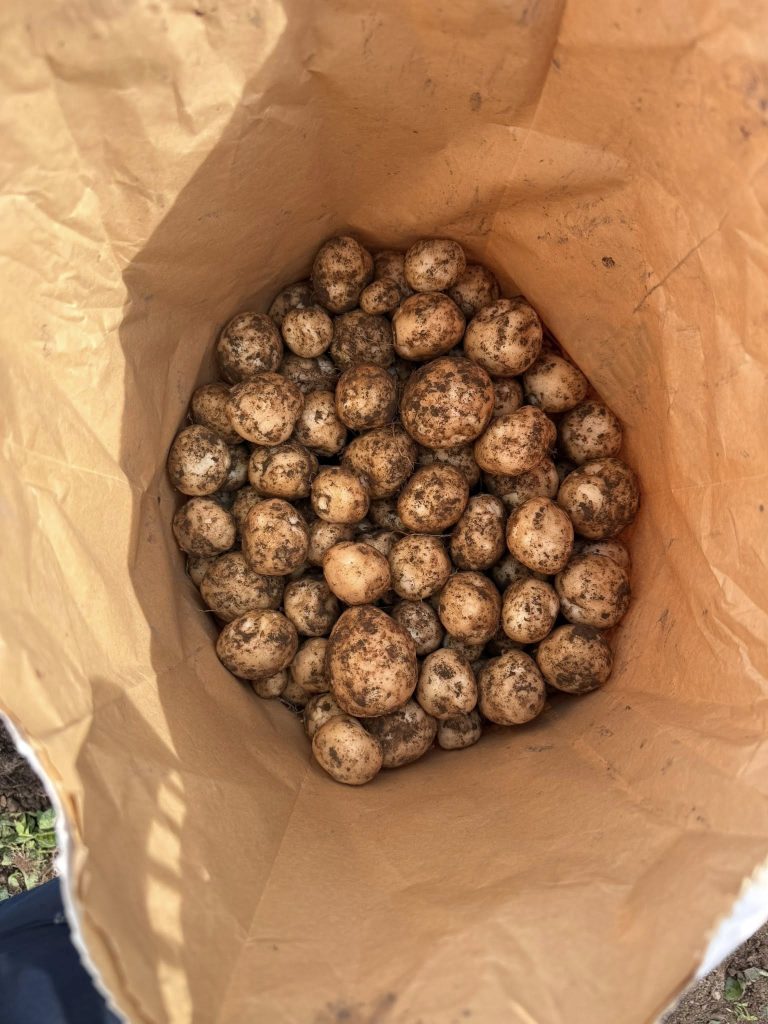
Photographs shared by the farm show workers hand-picking potatoes from freshly turned soil as machinery lifted the crop from fields overlooking the Pembrokeshire countryside.
The potatoes, prized for their distinctive flavour and soft skins, benefit from the county’s mild climate and coastal growing conditions.

Brian Llewelyn a’i Ferched shared the news on social media, telling customers: “Arriving with us this afternoon!!!!” as excitement builds around the first deliveries.
Locally grown Pembrokeshire new potatoes are expected to be available in selected shops from around 10:00am on Friday.
For many in Pembrokeshire, the arrival of the first new potatoes is a sign that summer is just around the corner — and that it is finally time to get the butter on.
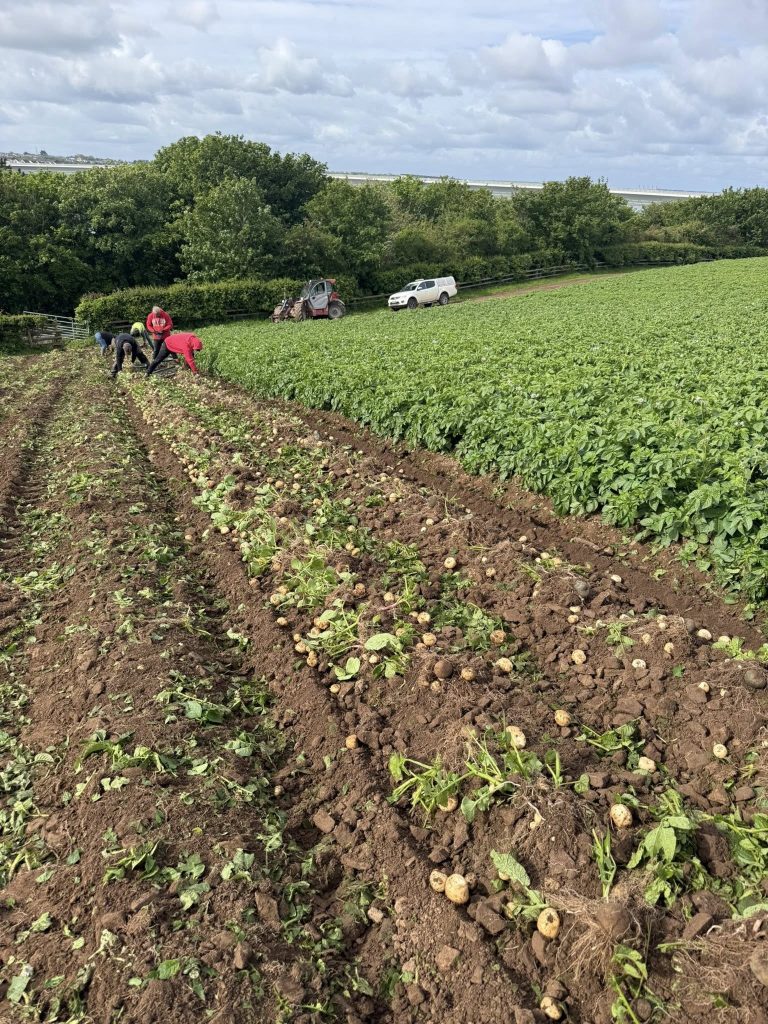
Photo caption:

First crop: Workers begin lifting Pembrokeshire new potatoes at Norton Farm as the 2026 harvest season gets underway (Pics: Norton Farm).
LOCAL FOOD PRODUCERS GIVEN NEW MONTHLY PLATFORM
A NEW monthly farmers’ market is set to launch in Narberth next month, giving Pembrokeshire producers a regular space to sell and showcase food grown, reared and made in the county.
Pembrokeshire Local Food Partnership is launching the market at the Queen’s Hall, Narberth, on Saturday, June 13. It will then run monthly from 10:00am to 2:00pm.
The market has been developed in collaboration with local growers Rufus and Ffion, of Hael Natural Produce, based in Clunderwen.
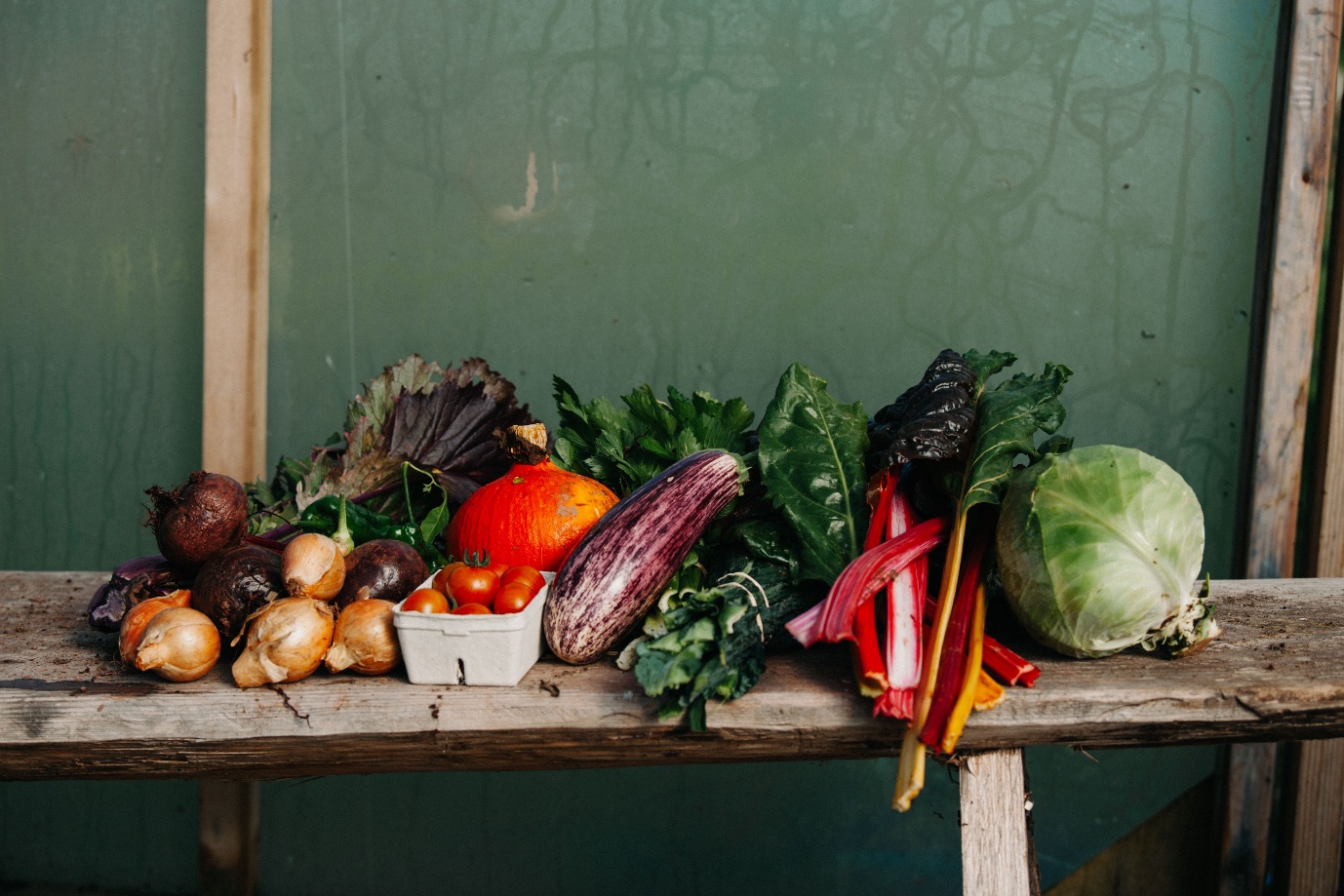
Organisers say it will bring together a wide range of local food and drink producers, with stalls expected to include fresh seasonal produce, artisan foods, baked goods and speciality items.
Among those taking part are Spirit Wood Wales, Big Green Elephant, Foxhill Preserves and Pencw Cheese.
Pembrokeshire Local Food Partnership will lead on marketing and subsidise stall costs for the first three markets, in a bid to encourage strong early participation and reduce barriers for small and emerging producers.
The launch will also see Rufus and Ffion introduce a new local veg box scheme through Hael Natural Produce.
Rufus said: “I’m really excited to be launching my new veg box scheme at the farmers’ market.
“It’s a great opportunity to get fresh, locally grown produce directly to people in the community and to build something that connects people more closely with where their food comes from.”
Sue Latham, Coordinator of Pembrokeshire Local Food Partnership, said: “We are looking forward to creating a regular space in Narberth that supports local producers and gives the community consistent access to high-quality, local food.
“This market is about strengthening those connections and building something that can grow over time.”
Organisers are encouraging residents, visitors and food lovers to attend the launch and support the new initiative, which forms part of Pembrokeshire Local Food Partnership’s wider work to strengthen local food networks across the county.

Further information is available from Pembrokeshire Local Food Partnership at www.plfp.org.uk or by emailing [email protected].
Pic: Pembrokeshire Local Food Partnership.
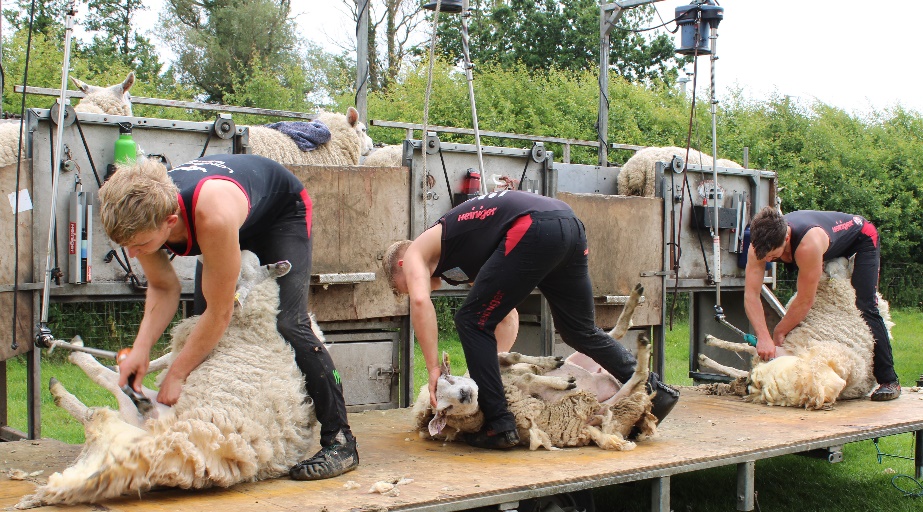
BRITISH WOOL recently reported that fleece value is at its highest for 10 years. With the shearing season underway for 2026, Heiniger’s Hefin Rowlands suggests that there has never been a better opportunity for farms to realise the best price for wool.
“The average payment increased to 68p per kilo last year, which was up from just 40p. Higher grade wools from breeds such as Cheviots are returning 85p per kilo. This makes the preparation for shearing and the shearing process all the more important,” he says.
Mr Rowlands points to the need for preparation to make the process better for shearers and sheep.
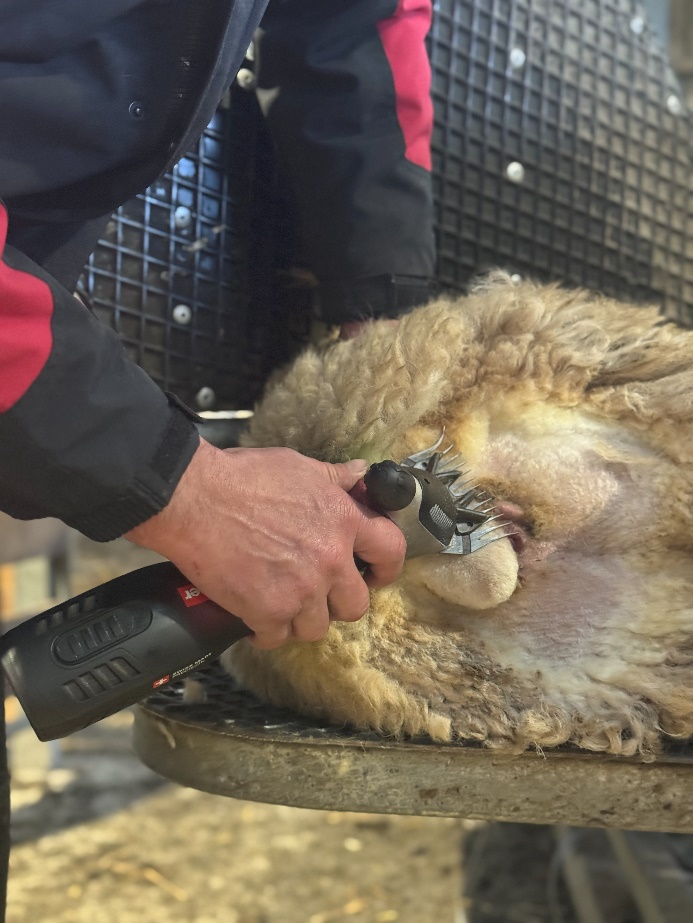
“Fasting, dagging and separating ewes from lambs will help, whether a farm is bringing in professional shearers or not. Straw, dirt and dung in fleeces seriously detracts from wool value, so both sheep and the area being used to shear should be as clean as possible,” he says.
He suggests that using the best quality equipment will also play a big part in how efficient the shearing process is.
“Factory sharp blades and the correct clothing are essential to any shearer. Heiniger has been manufacturing world-leading shears since 1946, so we know how important the right shears are to getting the best cut. But even the best shears need to have clean, sharp combs and cutters, which is why we offer free postage for servicing our equipment,” he says.
British Wool suggests that returns for the 2026 cut could rise by a further 25p-30p per kilo, meaning some wool will realise prices in excess of £1 per kilo.
“There is strong demand and it pays to meet this with the best quality wool. Investing in equipment and a good set of shears has never been more important for farms looking to take advantage of rising wool prices. However, nothing beats experience and this is where professional shearers can help make all the difference,” he says.
Above all, Mr Rowlands advocates that farms give shearing the attention it deserves, especially in a year when returns are projected to be high.
“Spending on the right equipment, preparing sheep well and working carefully to produce a clean fleece will pay dividends. The average fleece weight is around 4 kilos which means a flock of 250 ewes could return upwards of £1000 this year, and that makes investing time and effort in shearing a worthy choice to maximise returns,” he concludes.



Health20 hours ago
Occupational therapists urge Welsh Government to act before NHS crisis deepens
More than 300 professionals sign open letter calling for prevention-focused care and urgent reform OCCUPATIONAL therapists across Wales are urging...


Community2 days ago
Surfers take sewage protest to Broad Haven beach
CAMPAIGNERS took to the sea at Broad Haven today in a colourful protest demanding urgent action over sewage pollution in...


Health2 days ago
New NHS regional body raises questions over future hospital services in Pembrokeshire
Health bosses promise better joined-up care — but patients will want assurances over Withybush and travel distances PEMBROKESHIRE patients are...


Local Government3 days ago
Pembrokeshire County Council welcomes new chairman
CLLR DELME HARRIES has been elected chairman of Pembrokeshire County Council for the coming municipal year. Cllr Harries, who was...


News3 days ago
From Milford Mercury to County Hall for Pembrokeshire’s first female leader
Late councillor Mike Stoddart helped hold power to account for decades — now his daughter Tessa Hodgson leads the council...


Business3 days ago
Port reports record turnover, but debt, emissions and senior pay also rise
Annual report shows strong growth and major investment, but underlying figures reveal a more complex picture THE PORT OF MILFORD...


Community3 days ago
DARC radar: Campaigners ask Welsh Government to call in planning application
PARC AGAINST DARC has submitted an official request asking the new Welsh Government to call in the planning application for...


News5 days ago
State Opening overshadowed by Starmer leadership crisis
KING CHARLES has arrived at Parliament for the State Opening as Sir Keir Starmer faces the most serious crisis of...


News6 days ago
Rhun ap Iorwerth becomes Wales’ new First Minister
PLAID CYMRU TAKES POWER AFTER HISTORIC SENEDD VOTE PLAID CYMRU leader Rhun ap Iorwerth has become Wales’ new First Minister...


News6 days ago
Hotel was hit during a Luftwaffe bombing raid
THE COMMEMORATION, held on Tuesday (May 12), marked the anniversary of the wartime attack, with members of the community gathering...
-

 News3 days ago
Palestine pledge backed by 36 new Senedd Members
-

 Crime5 days ago
Teenager banned from roads after being caught six times over drug-drive limit
-
Community2 days ago
Surfers take sewage protest to Broad Haven beach
-

 Crime5 days ago
Man threatens to torch Silverdale Lodge through ‘demon drink’, court hears
-

 Crime5 days ago
Man sentenced for stalking women and threatening to torch home
-

 Crime5 days ago
Violent man jailed after ‘Banksy’ claims and campaign of domestic abuse
-

 Local Government7 days ago
Council leadership hopeful responds after anti-Tory rally photos surface
-

 Crime5 days ago
Man denies exposure in Pembrokeshire town