


News
Neyland Town Council faces investigation for conspiracy to defraud

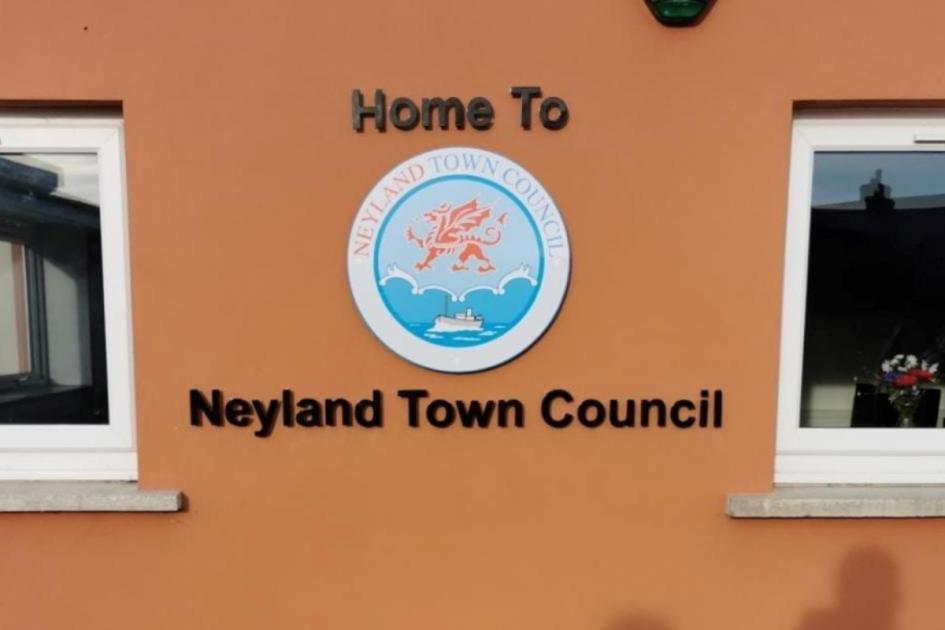
NEYLAND TOWN COUNCIL is currently under investigation for alleged conspiracy to defraud after a whistle-blower produced emails revealing the existence of a secretive group within the council, The Pembrokeshire Herald understands. The group, described as a “toxic clique,” is suspected of holding multiple secret meetings with the purpose of excluding two council members from office, namely deputy mayor Cllr Steve Thomas and Cllr Brian Rothero.
The gravity of the situation will likely lead to Audit Wales and Dyfed-Powys Police likely being contacted soon, with a view of them being requestde to launch investigations into Neyland Town Council. The allegations emerged after an official recording of a previous full council meeting revealed discussions about preventing Cllr Rothero from rejoining the council following his resignation several years ago.
The council’s clerk, Vanessa Walker, was unaware that the recorder was still running and believed the conversation was off the record. However, an email she later sent to former chair Cllr Mike Harry and several other council members, including Cllrs Ashley Phelan, Ellen Phelan, Peter Hay, Andrew Lye, and Angela Radice, disclosed her actions. In the email, she admitted to editing the recording using free software to remove the discussion about Cllr Rothero, stating that she believed this edit was justified as the recording should only cover the meeting’s duration.
Cllr Brian Rothero raised concerns about the council’s questionable position during a recent meeting. He claimed that Cllr Angela Radice had provided him with 35 emails, which shed light on the secretive nature of the council’s operations. Rothero emphasised the importance of transparency in council affairs and condemned the morally unscrupulous and dishonest contents of the emails. He called for an investigation into whether the clerk had tampered with an official government document and whether any criminal intent was involved. Rothero also highlighted that the emails were only shared with a select group of five councillors, despite there being a total of 11 on the council.
The emails allegedly encouraged the group of five councillors to align their positions while displaying a dismissive attitude towards the remaining councillors. Cllr Mike Harry, one of the members of the secretive group, was quoted in one email as saying, “We don’t need to kiss their arses” when referring to the other councillors.

Deputy mayor Cllr Steve Thomas expressed his dismay at the illegal meetings and disgraceful comments made by the secretive group. Cllr David Devauden also criticised their conduct, stating that illegal acts had taken place behind the backs of other council members.
However, Cllr Peter Hay questioned the allegations, asking why the group couldn’t meet if they wished to do so.
The matter will be further discussed at an Extraordinary Meeting of Neyland Town Council on Wednesday, 14th June. In the meantime, the investigations by Audit Wales and Dyfed-Powys Police, if initiated, will be expected to shed more light on the allegations and determine the council’s legal standing in this contentious issue.













WALES is facing growing pressure to clarify whether lobsters, crabs and other shellfish can still be boiled alive, amid mounting concern over animal welfare and changing public attitudes.
Animal Defenders International has called on the Welsh Government to issue clear guidance stating that live boiling is unacceptable.
The group says the law has already moved on. The Animal Welfare (Sentience) Act 2022 recognises decapod crustaceans, including crabs, lobsters and crayfish, as sentient animals. Campaigners argue that means they are capable of experiencing pain, fear and distress.
They also point to Welsh regulations on the killing of animals, which make it an offence to cause avoidable pain, distress or suffering at the time of killing.
Bill Carter, Science Policy Advisor at Animal Defenders International, said boiling animals alive was “inhumane and unnecessary”, and called on ministers in Wales to act.
The issue has gained renewed attention after the UK Government committed to producing guidance for England making clear that live boiling is not an acceptable killing method.
That has left Wales facing an awkward question. If crustaceans are legally recognised as sentient, and if more humane killing methods are available, should boiling them alive still be tolerated?
Supporters of a ban say the answer is simple. They argue that dropping a living lobster or crab into boiling water causes avoidable suffering and should have no place in modern food preparation.
Animal welfare groups say electrical stunning, or other swift killing methods, should be used before cooking. Some countries have already moved in that direction, with restrictions or bans on boiling crustaceans alive introduced in places such as Switzerland, Norway and New Zealand.
But the debate is not one-sided.
Seafood businesses, restaurants and fishmongers may argue that any change must be practical, affordable and clearly explained. Specialist stunning equipment can be expensive, and smaller coastal businesses could be hit harder than large suppliers.
There is also concern that businesses should not be left guessing over what the law requires. If Wales is to change expectations around shellfish preparation, the seafood trade is likely to want clear guidance, proper notice and time to adapt.

The science is another part of the debate. Evidence increasingly suggests that decapod crustaceans can experience pain and distress, but they do not show suffering in the same way mammals do. That has allowed the issue to remain hidden from many consumers.
For some people, eating lobster or crab is not the issue. The concern is how the animal is treated before it reaches the plate. Others may argue that recognising crustaceans as sentient should prompt a wider rethink about how they are caught, stored, transported and killed.
The issue is especially relevant in coastal communities across Wales, where shellfish remains part of the food economy and local culture.
For campaigners, tradition and convenience are no defence if suffering can be avoided. For the seafood trade, the challenge is making any change workable without damaging small businesses.
The Welsh Government has not yet matched the commitment made in England. Until it does, Wales remains in a grey area: the law recognises crustaceans as sentient, but public guidance on how they should be killed remains limited.
With pressure growing, ministers may soon have to decide whether boiling lobsters and crabs alive should become a thing of the past.

THE WELSH AMBULANCE SERVICE has stood down the critical incident declared on 26 June following three days of sustained pressure linked to the extreme heat.
The service said demand has now begun to reduce, although it remains under significant pressure.
Members of the public are still being urged to call 999 only in serious or life-threatening emergencies.
For less urgent health concerns, people are being asked to use NHS 111 Wales or the online Albot service for advice and support.
The Trust thanked staff, volunteers, partner organisations and the public for their patience, professionalism and support during what it described as an exceptionally challenging period.
Former Greater Manchester mayor promises radical devolution agenda after sweeping Makerfield victory
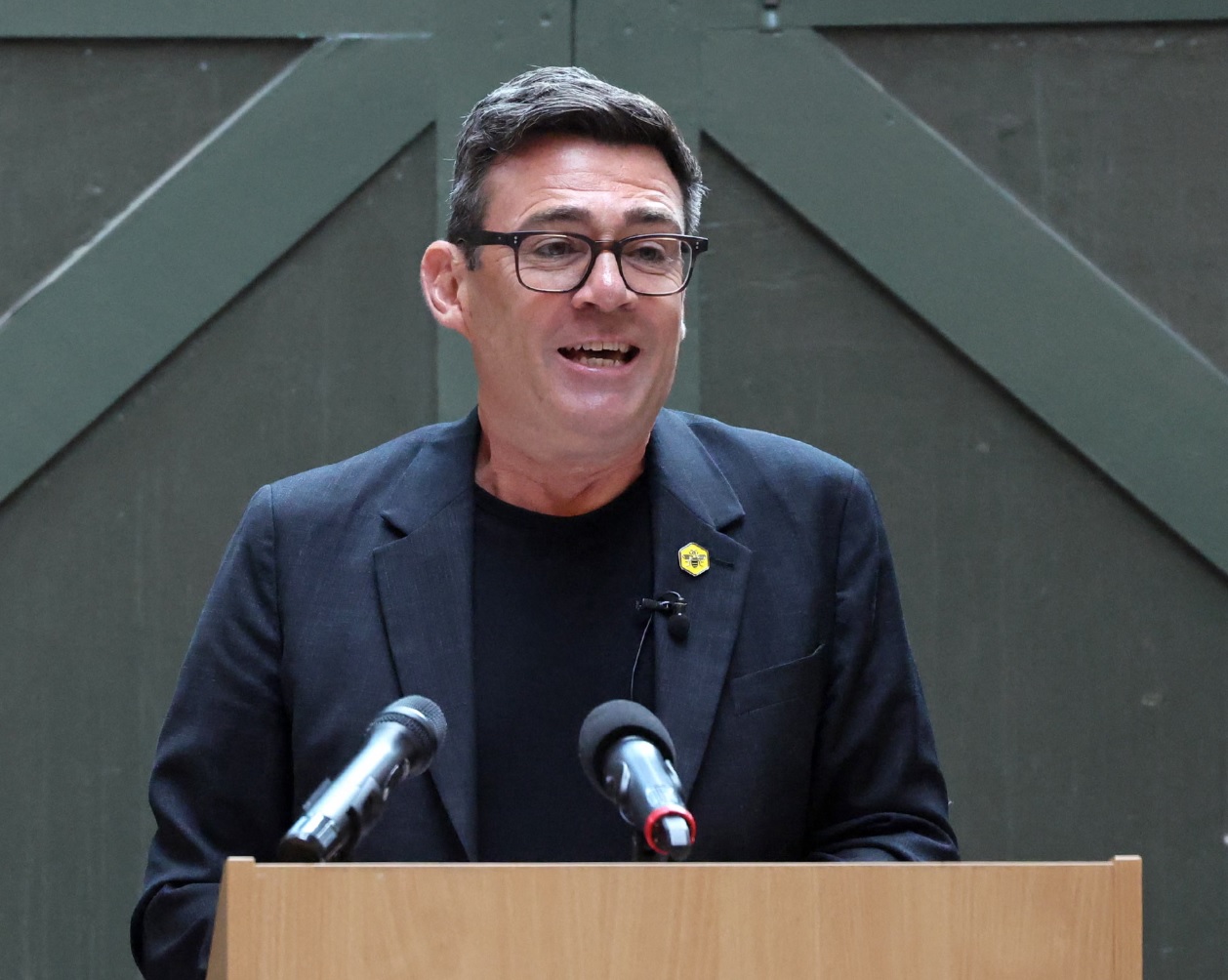
ANDY BURNHAM has used his first major policy speech since returning to Westminster to set out a blueprint for government, promising the biggest transfer of power away from Whitehall in modern times and unveiling plans for a new “No 10 North” in Manchester.
Speaking at the People’s History Museum on Monday, Burnham presented himself as the politician capable of breaking what he described as Britain’s cycle of economic stagnation, political division and over-centralised government.
The speech is widely being seen as his opening pitch to the country ahead of his expected move into Downing Street next month.
Burnham enters the contest from a position of strength after winning the Makerfield by-election earlier this month with a landslide majority. The result marked his return to Parliament and cleared the way for his challenge to succeed Keir Starmer.
At the heart of the speech was a promise to deliver “good growth in every postcode”, with Burnham arguing that Britain can no longer rely on decisions being made almost exclusively in London.
He said the UK remained one of the most centralised countries in the developed world and claimed the current system was failing the north, the south, London and the wider regions alike.
“The whole country suffers when the regions and nations are not meeting their potential,” he said.
Burnham argued that economic growth should be driven from communities and regions rather than directed from Whitehall, promising what he called “the biggest rebalancing of power our country has seen”.
The headline announcement was the creation of a permanent northern operation for the Prime Minister’s Office.
Burnham said a new No 10 North would be based in Manchester, but insisted it would not simply move power from London to one city.
“The job of No 10 North will be to make power flow into the Midlands, into the South West, into the East of England and yes, into London,” he said.
Burnham used the speech to outline what he calls “Manchesterism” — an approach shaped by his years running Greater Manchester.

The model combines sound public finances, local leadership, infrastructure investment, housing, universities, business, public services and trade unions working together to drive growth.
He said his time in Greater Manchester had shown that a different style of politics was possible, based on “place first, not party first” and “problem solving, not point scoring”.
Burnham also attacked Westminster culture, saying Parliament had become increasingly fragmented and disconnected from the communities MPs represent.
He promised a more collaborative style of government and said MPs should be allowed to be “authentic representatives” rather than being controlled by fear of the whipping system.
He also said local government had been left “threadbare”, with councils struggling to meet basic responsibilities while national government had grown larger since the pandemic.
The speech was quickly attacked by Conservative leader Kemi Badenoch, who dismissed Burnham’s proposals as “more public control, more regulation, more taxes”. Reform UK figures also criticised him for not taking questions from journalists after the speech.
For Wales, the speech will be watched closely because of its focus on devolution, regional growth and shifting power away from Westminster.
His argument that decisions should be taken closer to communities is likely to resonate with ongoing debates about transport, healthcare, economic investment and local government powers in Wales.
With Labour’s leadership transition expected to conclude within weeks, Burnham’s Manchester speech offered the clearest indication yet of how he intends to govern: less power concentrated in Whitehall, more influence for regions and nations, and a long-term focus on rebuilding local economies and living standards.



Community20 hours ago
Thousands line Cardigan streets for Lord Rhys homecoming parade
THOUSANDS of people lined the streets and quayside in Cardigan on Saturday as the town marked 850 years since Lord...


Crime2 days ago
Dyfed-Powys Police rated only ‘Adequate’ in organised crime inspection
A WATCHDOG has rated Dyfed-Powys Police only “Adequate” in its response to serious and organised crime, despite praise for the...


News2 days ago
Two taken to hospital after aircraft ditches in Cardigan Bay
Coastguard helicopter spotted two casualties after light aircraft came down off west Wales coast TWO people were taken to hospital...


Sport3 days ago
Long Course Weekend gets underway in Tenby as thousands head for county
Three days of swimming, cycling and running begin with The Wales Swim at North Beach THOUSANDS of athletes and supporters...


Climate3 days ago
Welsh waters, Westminster profits: Crown Estate row reignited in Wales
PLAID CYMRU has renewed calls for the Crown Estate to be devolved to Wales after figures showed income linked to...

News3 days ago
Reform MS: ‘I felt like shouting get out of the water’
Paul Marr says children playing in streams at Pembrokeshire beaches deserve better protection from pollution risks REFORM UK MS Paul...


Health4 days ago
Senedd backs call to rule out hospital downgrades after heated NHS debate
Reform UK amendment passes as West Wales hospital fears remain central political issue THE SENEDD has backed a call for...

News4 days ago
Coastguard callout payments axe sparks fears for coastal communities
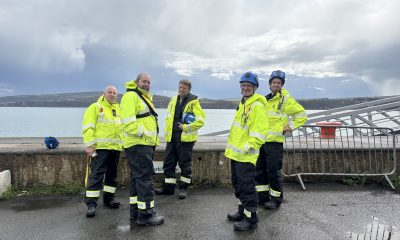
VOLUNTEER coastguards across the UK are set to lose callout payments, prompting concern over the future resilience of emergency cover...


Farming4 days ago
Rural Wales ‘left out’ of net zero debate, warns carbon entrepreneur
A WELSH carbon entrepreneur has warned that rural Wales risks being left behind in the national conversation about net zero....


Local Government5 days ago
Tenby Spectacular row continues as organisers say key question remains unanswered
Round Table says legal clarity over pedestrian access is still holding up event plan TENBY ROUND TABLE has welcomed Pembrokeshire...
-

 Crime4 days ago
Police appeal after reported rape at Young Farmers rally
-

 Crime5 days ago
Milford man threatened to smash parents’ windows, court hears
-

 Crime5 days ago
Woman sentenced over neglect of child at Haverfordwest property
-

 Crime5 days ago
Haverfordwest father stole groceries amid cost-of-living struggle
-

 Crime5 days ago
Grandmother banned after cocaine drug-drive offence
-

 Crime5 days ago
Hakin man stole Tesco goods to fund drink and gambling addictions
-

 Crime6 days ago
Government fraud squad hunts down Covid loan scams
-

 Charity7 days ago
Sea shanties and street food bring crowds to Cardigan RNLI festival